
Navigating the process of renewing your vehicle registration in Florida is a straightforward procedure, yet understanding the associated costs is crucial for budgeting and avoiding any last-minute surprises. The state of Florida categorizes registration renewal fees based on several factors, including the type of vehicle, its weight, and whether you’re seeking standard plates or specialized designs. This guide aims to demystify the financial aspects of keeping your Florida vehicle registration current, ensuring you are well-informed before your renewal date.
Understanding Florida Vehicle Registration Renewal Fees
The fundamental cost of renewing a vehicle registration in Florida is comprised of several components. At its core, the fee is determined by the gross vehicle weight (GVW) of your automobile. Lighter vehicles typically incur lower fees, while heavier trucks and larger vehicles will naturally have higher renewal costs. Beyond this base rate, additional fees are applied. These often include a legislative add-on fee, a service fee for processing the renewal, and potentially fees for specific county services. It’s important to note that these fees can be adjusted by legislative action, so the figures can see minor changes over time. The Florida Department of Highway Safety and Motor Vehicles (FLHSMV) is the primary authority overseeing these charges.
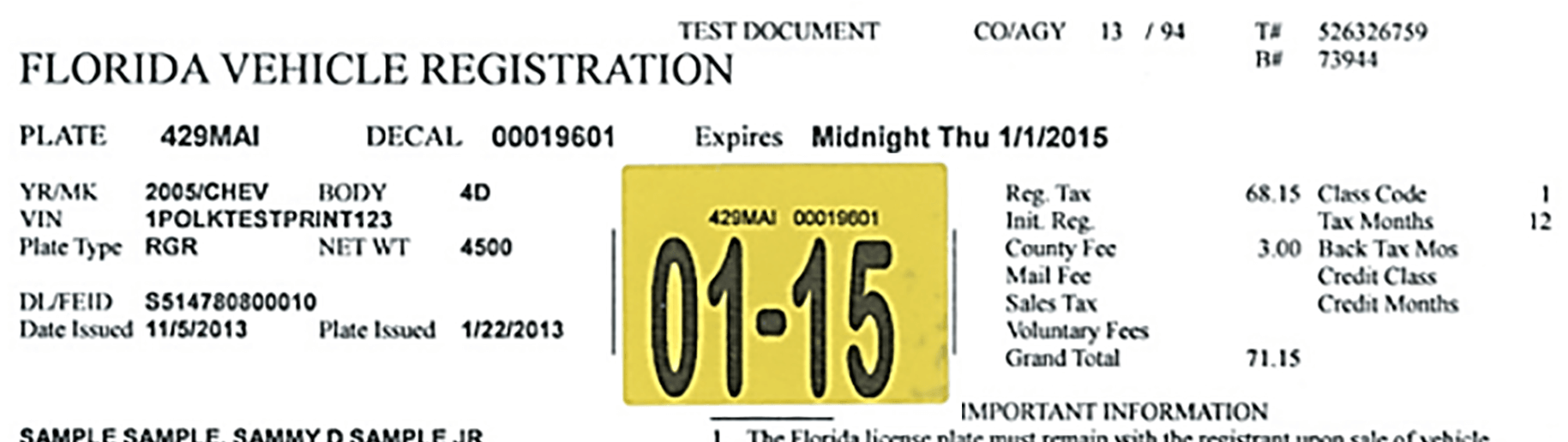
Base Registration Fee by Vehicle Type and Weight
The primary determinant of your renewal cost is your vehicle’s weight. This is generally expressed as Gross Vehicle Weight (GVW), which includes the vehicle’s chassis, body, engine, and any load it is designed to carry. The FLHSMV publishes a fee schedule that outlines the exact charges.
- Passenger Cars and Light Trucks (under 5,000 lbs GVW): These typically have the lowest base registration fees. For a standard plate renewal, you can expect a base fee in the range of $20 to $30 annually.
- Medium Trucks and Larger Vehicles (5,000 lbs GVW and over): As the weight increases, so does the registration fee. For vehicles weighing between 5,000 and 10,000 lbs, the base fees can range from $30 to $50. For very heavy vehicles, exceeding 10,000 lbs GVW, the fees can escalate significantly, potentially reaching $100 or more annually.
- Motorcycles: Motorcycles have a separate, lower fee structure, usually in the range of $10 to $15 annually for the base registration.
It is essential to consult the most current FLHSMV fee schedule for precise figures relevant to your vehicle’s GVW classification. This information is readily available on their official website.
Additional State and County Fees
Beyond the base registration fee, several other charges are commonly appended to your renewal cost. These fees contribute to various state and local initiatives and services.
- Legislative Add-on Fees: These are mandated by the state legislature and can vary. They might contribute to road improvements, safety programs, or other state-level expenditures.
- Service Fees: Processing your renewal involves administrative work, and a small service fee is typically applied to cover these operational costs.
- County Fees: Some counties in Florida may impose their own specific fees, often for local transportation projects or services. These can add a few extra dollars to your total renewal cost.
- Disability Parking Permit Fee: If you have a disability parking permit, there may be a nominal fee associated with its annual renewal alongside your vehicle registration.
The cumulative effect of these additional fees can increase the total renewal cost by an amount ranging from $5 to $20 or more, depending on your location and the specific legislative add-ons in effect.
Specialized License Plates and Their Impact on Renewal Costs
Florida offers a wide array of specialized license plates, often referred to as “specialty plates” or “vanity plates.” These plates feature unique designs supporting various causes, organizations, or themes, such as collegiate affiliations, environmental initiatives, or support for charitable organizations. While they allow for personalization and support for causes you care about, they generally come with an additional annual fee on top of the standard registration costs.
Fees for Specialty Plates
The cost of a specialty plate varies significantly based on the plate’s design and the organization or cause it represents.
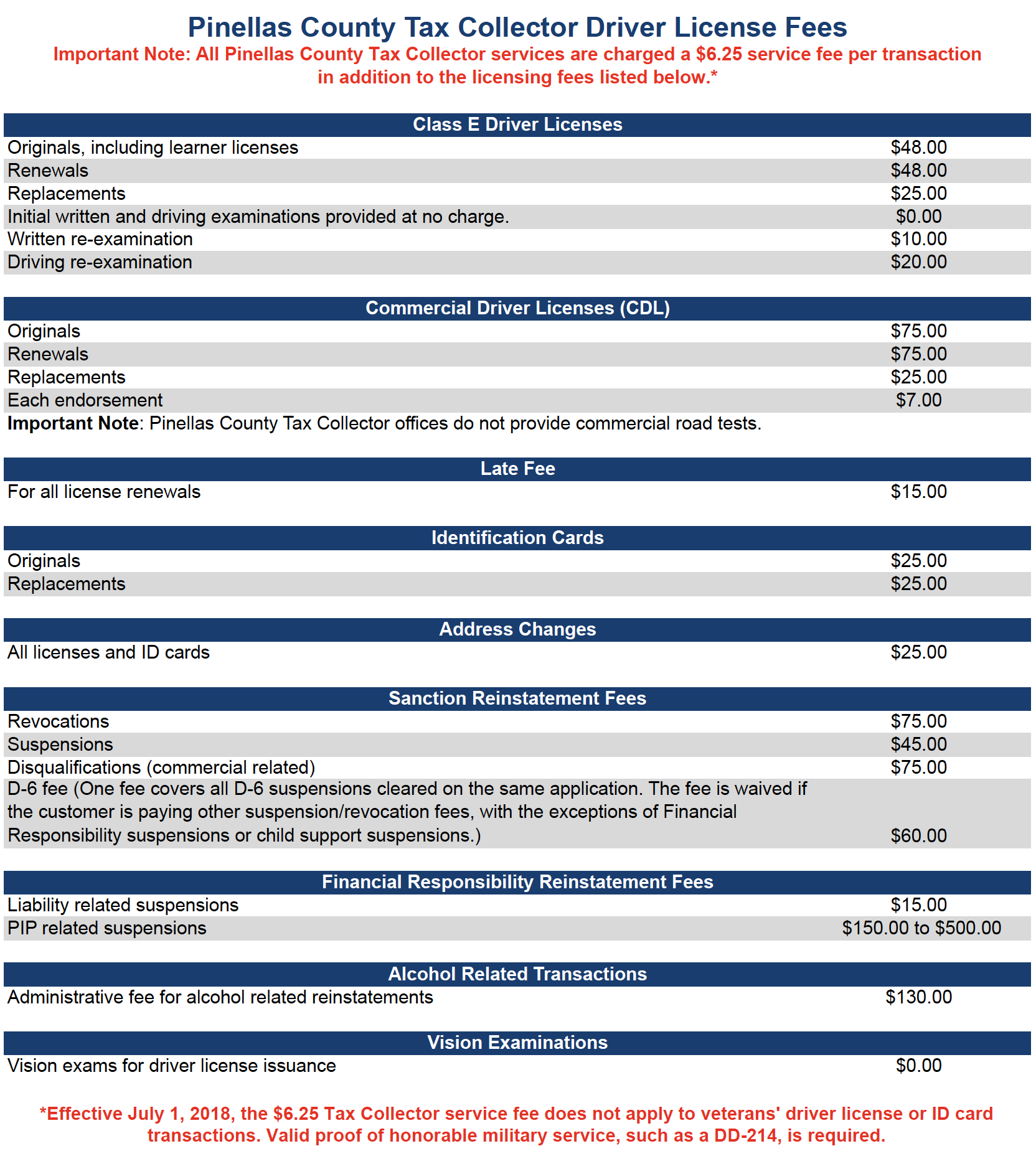
- General Specialty Plates: Many common specialty plates, such as those supporting state parks, children’s hospitals, or specific wildlife, might add an annual surcharge of $15 to $35 to your registration renewal.
- University and College Plates: Plates representing Florida’s public and private universities and colleges often fall within a similar surcharge range, typically between $15 and $30 annually.
- Special Interest and Organization Plates: Plates supporting specific organizations, animal welfare, or specific themes can sometimes have higher surcharges, potentially ranging from $25 to $50 or even more for premium or limited-edition designs.
- Vanity Plates: If you opt for a personalized message on your plate (a vanity plate), there is usually an additional annual fee for the privilege of choosing your own alphanumeric combination. This fee is typically around $15 to $25 per year.
It’s important to remember that these specialty plate fees are in addition to the base registration and other state/county fees. Therefore, choosing a specialty plate will increase your overall annual renewal cost. The FLHSMV website provides a comprehensive catalog of available specialty plates along with their associated annual surcharges.
Factors Affecting Renewal Cost and Renewal Process
Beyond the standard fees, several other elements can influence the total amount you pay for your registration renewal and the manner in which you complete the process. Understanding these can help you prepare financially and ensure a smooth renewal.
Vehicle Age and Emissions Testing
Florida does not have a statewide mandatory emissions testing program for most vehicles. However, older vehicles may have different registration requirements or associated fees, though this is less common for standard renewals. The primary focus remains on the vehicle’s weight and type.
Renewal Period and Discounts
Most vehicle registrations in Florida are valid for a 12-month period. The renewal typically aligns with the vehicle owner’s birthday. While there aren’t usually “discounts” for renewing early, some owners may opt for a 24-month registration if available for their vehicle type, which can offer a slight cost-saving over two consecutive 12-month renewals, effectively halving the administrative fees over the two-year period. Always check with your local tax collector’s office or the FLHSMV for current options.
Late Renewal Penalties
It is imperative to renew your vehicle registration before it expires. Failure to do so will result in penalties and late fees. The amount of the penalty is typically a fixed amount per month or a percentage of the unpaid registration fee, accumulating over time. Continued operation of a vehicle with an expired registration can also lead to traffic citations and fines. It is far more cost-effective to renew on time.
How to Renew and Where to Find Specific Costs
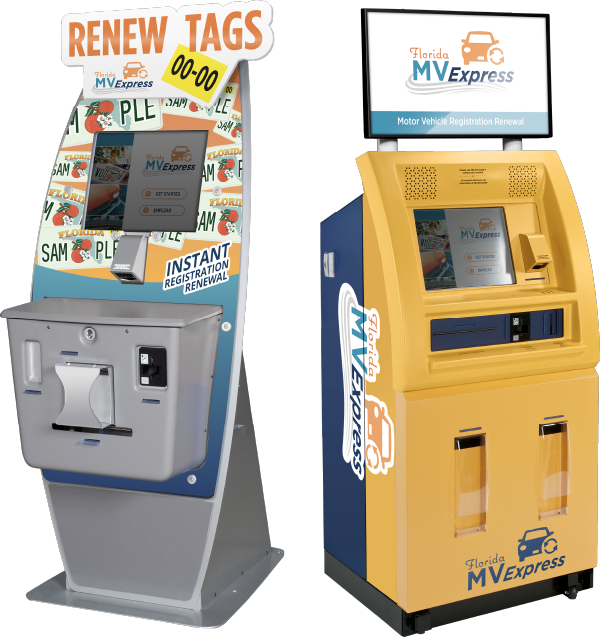
Renewing your registration can be done through several convenient channels:
- Online: The FLHSMV offers an online renewal portal, which is often the quickest and most efficient method. You will need your license plate number and either your vehicle identification number (VIN) or your driver’s license number. The online system will calculate your exact renewal cost based on your vehicle information.
- In Person: You can visit your local county tax collector’s office. These offices are equipped to handle all aspects of vehicle registration, including renewals. You can obtain the most precise cost estimate and complete the transaction here.
- By Mail: Some counties allow renewals by mail, though this is generally the slowest method. You will need to print the renewal notice sent to you and include a check or money order for the correct amount.
To determine the exact cost for your specific renewal, the best approach is to:
- Check your previous renewal notice: This will provide a breakdown of your prior year’s fees.
- Visit the FLHSMV website: They have online tools and fee schedules.
- Contact your local county tax collector’s office: They can provide the most accurate and up-to-date information for your specific vehicle and county.
By understanding these fee structures and renewal processes, you can efficiently manage your vehicle registration obligations in Florida and ensure you are always compliant with state laws.
LifeOutOfTheBox is a participant in the Amazon Services LLC Associates Program, an affiliate advertising program designed to provide a means for sites to earn advertising fees by advertising and linking to Amazon.com. Amazon, the Amazon logo, AmazonSupply, and the AmazonSupply logo are trademarks of Amazon.com, Inc. or its affiliates. As an Amazon Associate we earn affiliate commissions from qualifying purchases.