
Understanding the postal geography of a city as dynamic and expansive as San Francisco is more than just a matter of mailing letters; it’s an integral part of navigating its diverse neighborhoods, planning logistics for events, and even appreciating the subtle distinctions that define its character. While there isn’t a single, monolithic zip code for the entire city of San Francisco, California, the United States Postal Service (USPS) has designated a series of them to meticulously cover its distinct districts. For travelers, residents, and businesses alike, grasping these numerical identifiers unlocks a deeper understanding of the city’s urban fabric.
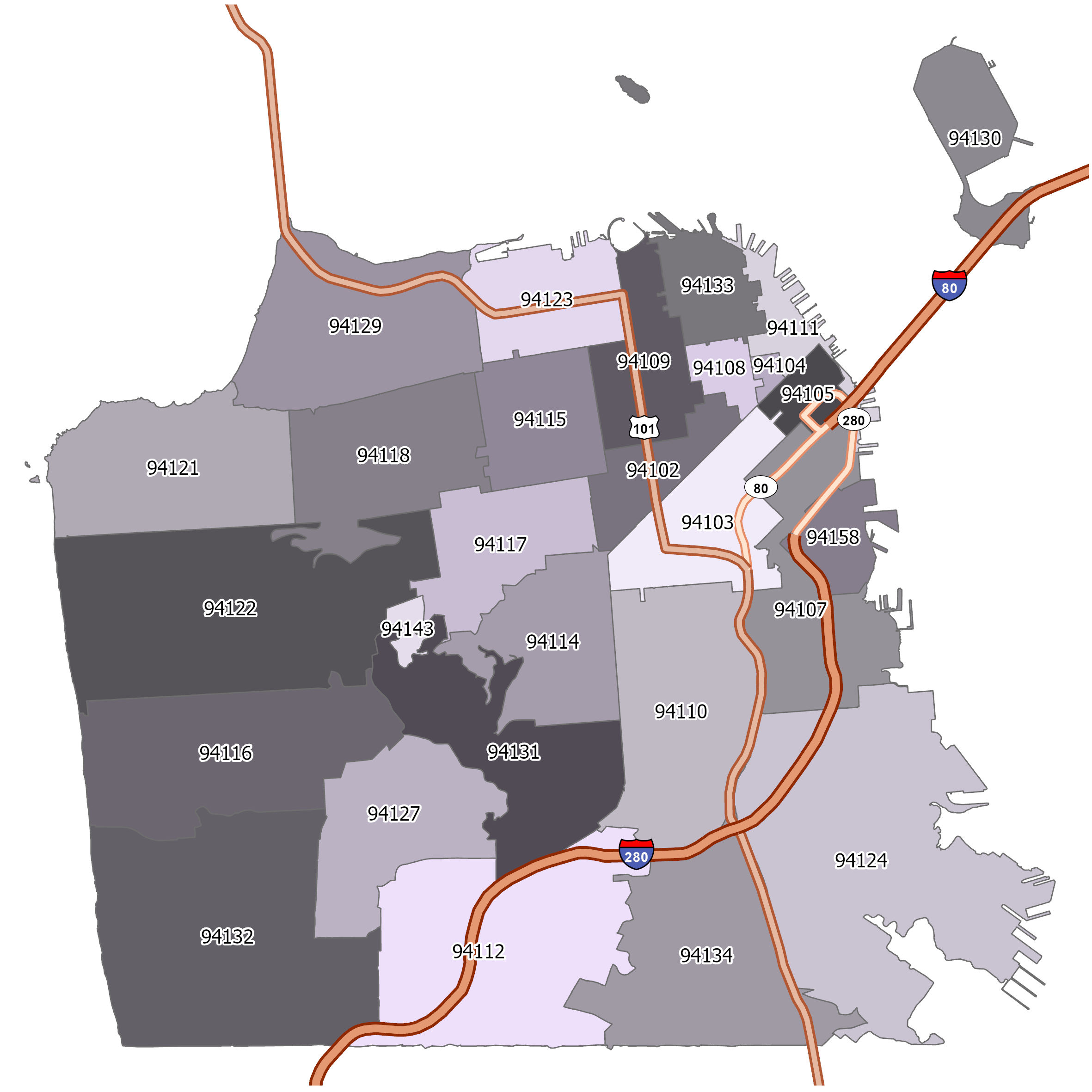
The Multifaceted Zip Code Landscape of San Francisco
San Francisco is a compact city geographically, but its cultural, economic, and social tapestry is woven from a rich array of neighborhoods, each with its own unique identity. The USPS employs a tiered system of zip codes to ensure efficient mail delivery and to facilitate urban planning and service provision. Primarily, these fall within the 941xx series, with a few exceptions. Knowing these codes can be instrumental for a variety of purposes, from booking accommodations to understanding local service areas.
Understanding the 941xx Series
The vast majority of San Francisco is covered by zip codes beginning with the prefix ‘941’. This numerical block has been further subdivided to delineate specific areas of the city. For instance, the bustling financial district and its surrounding downtown areas are often associated with zip codes like 94104 and 94108. As you move west and south, the zip codes shift, reflecting the transition through various residential and commercial zones.
- 94102: This zip code generally encompasses areas like Hayes Valley and the northern parts of the Mission District. It’s a vibrant area known for its mix of residential buildings, boutique shops, and a lively cultural scene.
- 94103: This code covers a significant portion of the South of Market (SoMa) district, a hub for technology companies, convention centers, and a growing residential population. It’s a dynamic area that has seen substantial development in recent decades.
- 94104: Primarily associated with the Financial District, this zip code is the heart of San Francisco’s business and financial services industry. It’s characterized by towering office buildings and a constant hum of professional activity.
- 94105: This zip code also extends into the Financial District and includes areas near the Embarcadero, offering views of the San Francisco Bay. It’s a prime location for corporate headquarters and high-end office spaces.
- 94107: Covering parts of the Mission District and Potrero Hill, this area is a melting pot of cultures, renowned for its vibrant street art, diverse culinary offerings, and strong community spirit.
- 94108: This zip code includes the historic heart of the city, encompassing Chinatown and parts of North Beach. It’s a destination rich in history, culture, and iconic landmarks.
- 94109: Extending northwards, this code often points to the Pacific Heights and Lower Pacific Heights neighborhoods, known for their elegant architecture and affluent residential streets.
- 94110: This code is largely synonymous with the Mission District, a beloved neighborhood celebrated for its Latin American heritage, colorful murals, and burgeoning food scene.
- 94111: This zip code covers the Embarcadero and the Ferry Building, a popular destination for tourists and locals alike, offering a gateway to the bay and a hub for artisanal food vendors.
- 94112: This code typically represents the Outer Mission and Bernal Heights areas, offering a more residential feel with a strong sense of community and green spaces.
- 94114: A large portion of the vibrant Castro District and the surrounding neighborhoods fall under this zip code, renowned for its LGBTQ+ history and lively atmosphere.
- 94115: This zip code encompasses areas like the Western Addition and parts of Nob Hill, blending historic architecture with modern developments and a diverse population.
- 94116: Covering the Richmond District, this area stretches from the Presidio towards the Ocean Beach, offering a more suburban feel within the city limits, known for its diverse ethnic communities and cultural institutions.
- 94117: This code often relates to the Haight-Ashbury district, a legendary epicenter of the counterculture movement of the 1960s, still retaining its bohemian charm.
- 94118: This code pertains to the Inner Richmond and parts of the Sunset District, characterized by its proximity to Golden Gate Park and a variety of international eateries.
- 94119: While less commonly referenced in general city discourse, this zip code can sometimes refer to areas near the Presidio or parts of the northern waterfront.
- 94121: This code generally covers the western parts of the Richmond District, extending towards Ocean Beach.
- 94122: This zip code typically encompasses the Sunset District, a large residential area west of Golden Gate Park.
- 94123: This code is associated with the Marina District and Cow Hollow, upscale neighborhoods known for their trendy boutiques, restaurants, and lively nightlife, with views of the Golden Gate Bridge.
- 94124: This zip code covers areas like Bayview-Hunters Point, a historically industrial and predominantly African American community on the southeastern edge of the city.
- 94127: This code usually pertains to the Park Merced neighborhood, a large residential development in the southwestern part of the city.
- 94129: This zip code is specifically assigned to the Presidio of San Francisco, a former military base now a national park site offering stunning views and recreational opportunities.
- 94130: This zip code uniquely identifies Treasure Island and Yerba Buena Island in the San Francisco Bay, known for their historical significance and unique vantage points of the city skyline.
- 94131: This zip code covers parts of Bernal Heights and the surrounding southeastern neighborhoods.
- 94132: This code typically relates to the Lakeside district and parts of the Outer Sunset.
- 94133: This zip code is primarily associated with North Beach, a historic neighborhood renowned for its Italian heritage, Beat Generation literary history, and vibrant nightlife.
- 94134: This code generally covers the Visitacion Valley neighborhood in the southern part of the city.
- 94137: This zip code often refers to the Westlake district and parts of the southern city limits.
- 94138: This code is associated with the Inner Sunset, bordering Golden Gate Park.
- 94139: This zip code is assigned to the historic Presidio of San Francisco area.
- 94140 – 94143: These zip codes are typically associated with the University of California, San Francisco (UCSF) campus and related medical facilities, serving specific institutional needs.
- 94147: This zip code is also often associated with UCSF facilities.
- 94150: This zip code is largely dedicated to the San Francisco General Hospital and its surrounding medical complex.
- 94158: This zip code covers the Moscone Center area, a major convention and exhibition complex in the SoMa district.
- 94159: This zip code is typically assigned to the Yerba Buena area, adjacent to the Moscone Center, encompassing cultural institutions and hotels.
- 94160 – 94163: These are often used for PO Boxes within San Francisco, rather than geographical areas.
Beyond the Core: Additional Zip Codes
While the 941xx series dominates, it’s worth noting that a few other zip codes might appear in very specific contexts related to San Francisco, particularly for larger institutions or specialized delivery routes. However, for general navigation and understanding, the 941xx block is the key.
Navigating San Francisco with Zip Code Knowledge
For visitors, understanding the zip code system can enhance their travel experience. It provides a granular way to orient oneself within the city and to anticipate the character of different areas.
Planning Your Itinerary
When researching hotels, attractions, or restaurants, zip codes offer a precise location marker. For example, if you’re interested in staying in the vibrant heart of the city with easy access to nightlife and dining, a zip code in the 94108 or 94133 range (North Beach, Chinatown) might be ideal. If a more bohemian and historically rich experience is desired, the 94117 zip code (Haight-Ashbury) would be a good starting point. For those seeking the buzz of the tech world and modern amenities, areas within 94103 or 94105 (SoMa, Financial District) would be relevant.
Practical Applications for Travelers
- Accommodation Booking: Many online booking platforms allow you to search for hotels by zip code. This can be particularly useful if you have specific accessibility needs or preferences for a particular neighborhood.
- Restaurant Reservations: When making reservations, knowing the zip code helps confirm the exact location of a restaurant and estimate travel time.
- Event Planning: For anyone organizing an event, from a small gathering to a larger conference, precise zip code information is crucial for logistics, such as vendor coordination and guest directions.
- Transportation: Understanding the general zip code areas can help in estimating taxi or rideshare fares and in identifying routes for public transportation. For instance, knowing you are traveling between 94116 and 94123 gives a clearer picture of distance and potential travel time across the city.
Local Insights and Neighborhood Character
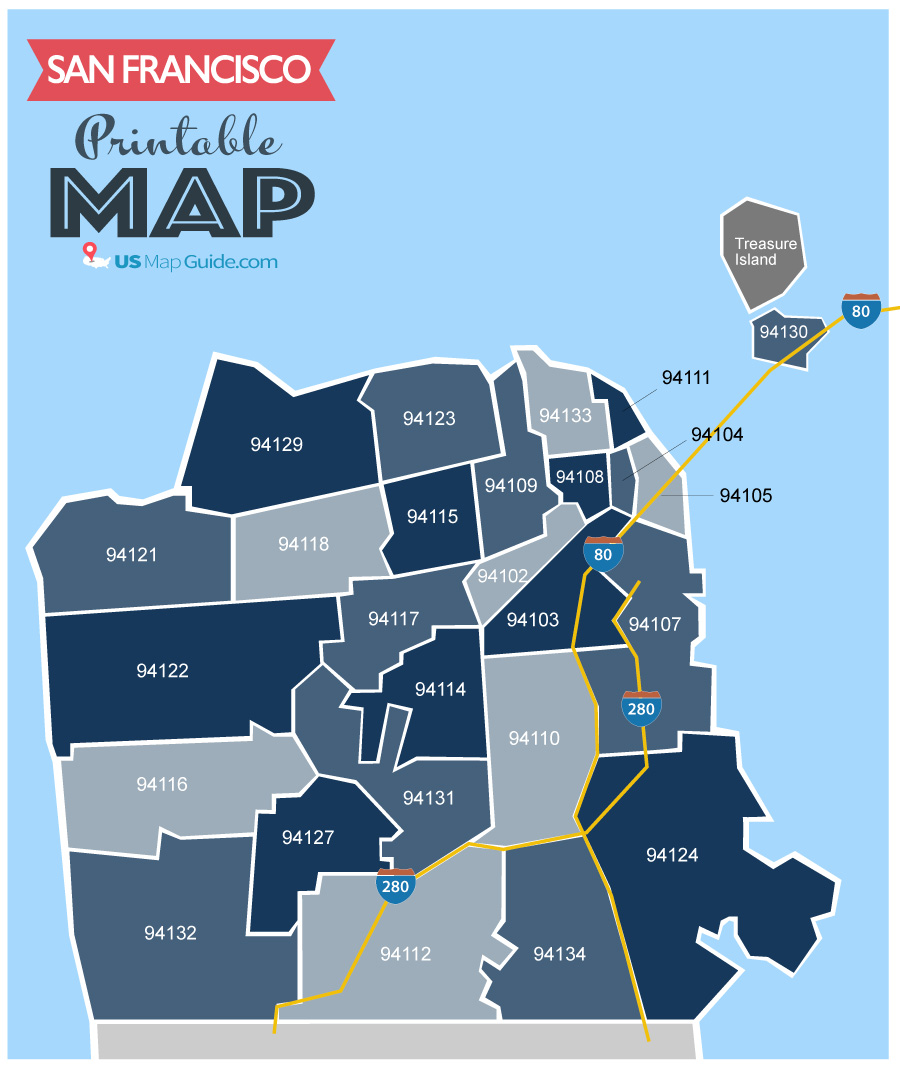
Each zip code, in a way, represents a micro-community within San Francisco. A traveler armed with this knowledge can better appreciate the subtle shifts in architecture, the dominant types of businesses, and the overall ambiance as they move from one numerical zone to another. For instance, venturing from the stately homes of 94109 (Pacific Heights) to the bustling markets of 94110 (Mission District) offers a stark yet fascinating contrast, all within a few miles. This understanding fosters a more immersive and informed exploration of the city.
The Role of Zip Codes in Urban Logistics
Beyond tourism, zip codes are fundamental to the operational efficiency of San Francisco. They are the backbone of the United States Postal Service and play a critical role in numerous other urban systems.
Essential Services and Delivery Networks
- Mail and Package Delivery: The most obvious function of zip codes is to ensure that mail and packages reach their intended destinations accurately and efficiently. The 941xx series meticulously segments the city for the USPS.
- Emergency Services: While emergency services like police and fire departments operate on sophisticated dispatch systems, zip codes can serve as a preliminary identifier for geographical areas, aiding in response times.
- Logistics and Supply Chains: Businesses operating within San Francisco, from small retailers to large corporations, rely heavily on zip codes for managing inventory, planning delivery routes, and coordinating supply chains.
- Urban Planning and Data Analysis: City planners, researchers, and government agencies utilize zip code data for demographic analysis, resource allocation, and understanding population distribution patterns. For example, understanding the density of businesses within a 94104 zip code versus the residential concentration in a 94122 zip code informs policy decisions.
Distinguishing Neighborhoods: A Numerical Tapestry
While zip codes are primarily functional, they have become de facto identifiers for distinct neighborhoods. Residents often refer to areas by their zip codes, adding another layer to the city’s identity. A conversation might involve meeting someone “in the 94114” or going to a cafe “near the 94108.” This numerical shorthand reflects a deep familiarity with the city’s geography.
Frequently Asked Questions About San Francisco Zip Codes
Understanding the zip code system can sometimes lead to specific questions, particularly for those unfamiliar with San Francisco.
What is the main zip code for San Francisco?
There isn’t one single zip code for the entire city. The majority of San Francisco is covered by zip codes within the 941xx series. Different neighborhoods have their own specific 941xx zip codes.
How do I find the zip code for a specific address in San Francisco?
The most accurate way to find the zip code for a specific address in San Francisco is to use the United States Postal Service official zip code lookup tool on their website. You can also often find this information by searching for the address on mapping services like Google Maps.
Are there any non-941xx zip codes in San Francisco?
While the 941xx series is the most common, a few other zip codes might be used for specific institutional purposes or for areas like Treasure Island (94130) or university campuses. However, for general residential and business addresses, the 941xx codes are predominant.
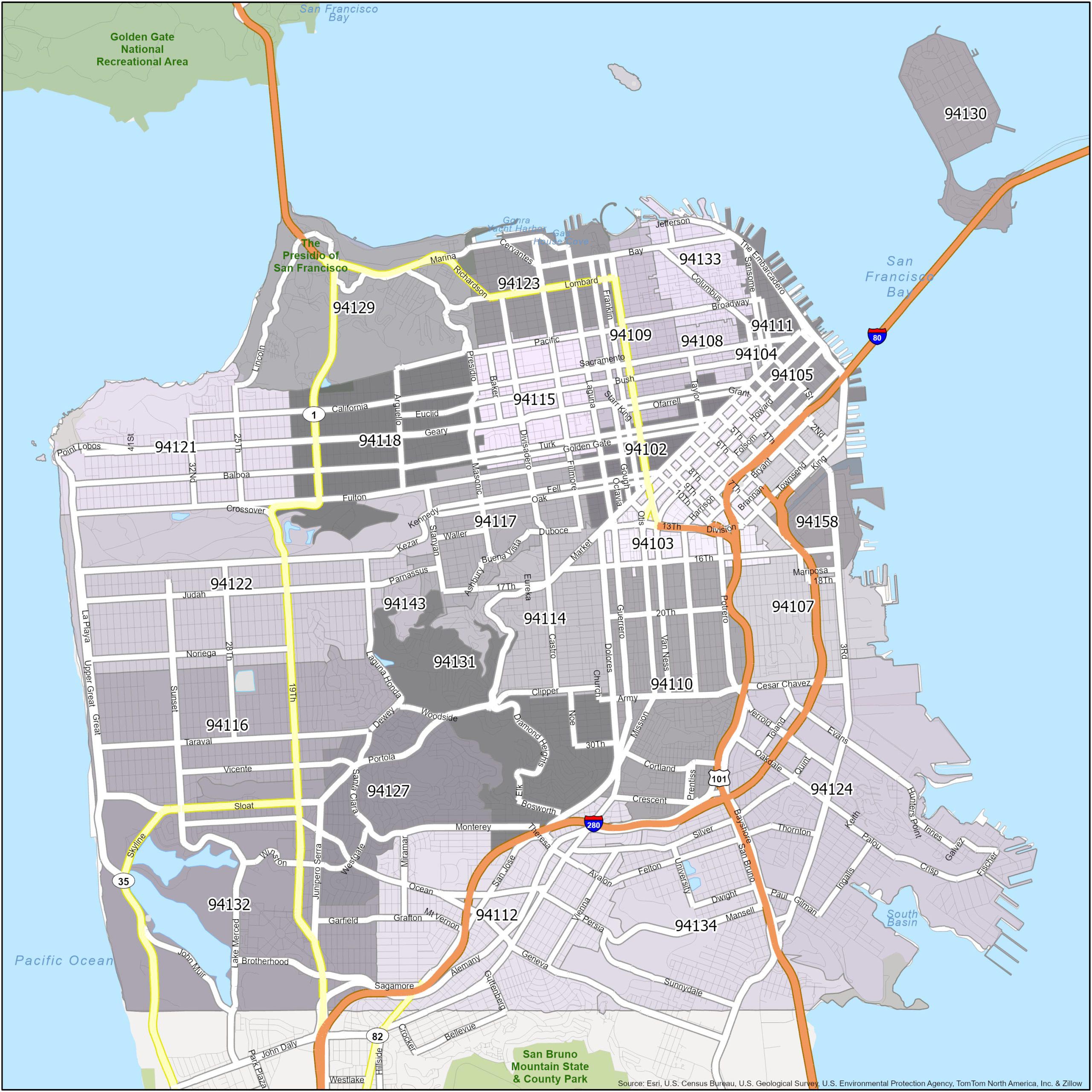
How can knowing zip codes help a tourist in San Francisco?
Knowing zip codes helps tourists pinpoint locations for accommodation, dining, and attractions more precisely. It aids in understanding the character of different neighborhoods and planning travel routes within the city. For example, booking a hotel in the 94123 zip code would likely place you in the upscale Marina District, while a booking in 94110 would place you in the vibrant Mission District. This granular understanding enhances the travel experience, allowing for more informed decisions and a richer exploration of San Francisco.
LifeOutOfTheBox is a participant in the Amazon Services LLC Associates Program, an affiliate advertising program designed to provide a means for sites to earn advertising fees by advertising and linking to Amazon.com. Amazon, the Amazon logo, AmazonSupply, and the AmazonSupply logo are trademarks of Amazon.com, Inc. or its affiliates. As an Amazon Associate we earn affiliate commissions from qualifying purchases.