
Understanding and applying for Florida’s Homestead Exemption is a crucial step for any homeowner looking to reduce their property tax burden. This valuable benefit, enshrined in the Florida Constitution, offers significant tax savings to Florida residents who own and occupy their primary residence. Navigating the application process might seem daunting, but with a clear understanding of the requirements and steps involved, it becomes a straightforward endeavor.
Understanding Florida Homestead Exemption
The Florida Homestead Exemption is a tax relief provision designed to protect homeowners from excessive property taxes. It allows eligible residents to exempt a portion of their home’s assessed value from taxation. This exemption is not just a discount; it’s a constitutional right designed to encourage homeownership and provide a measure of financial stability for Florida’s residents.
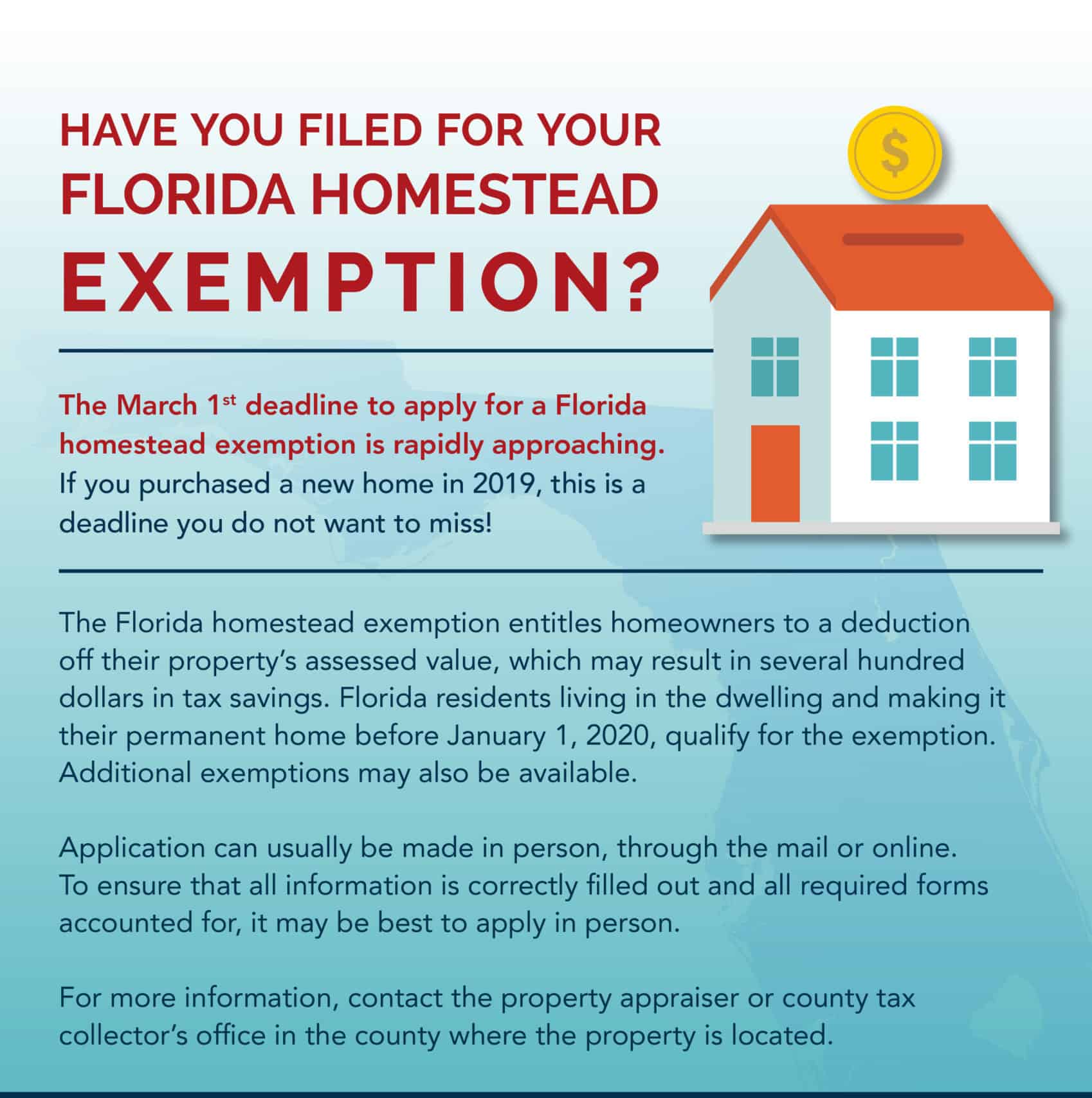
What is Homestead Exemption?
At its core, Homestead Exemption reduces the taxable value of your home. This reduction directly translates into lower property tax bills each year. The amount of the exemption varies, with a general homestead exemption and additional exemptions available for specific circumstances, such as for seniors, veterans, or individuals with disabilities.
Eligibility Requirements
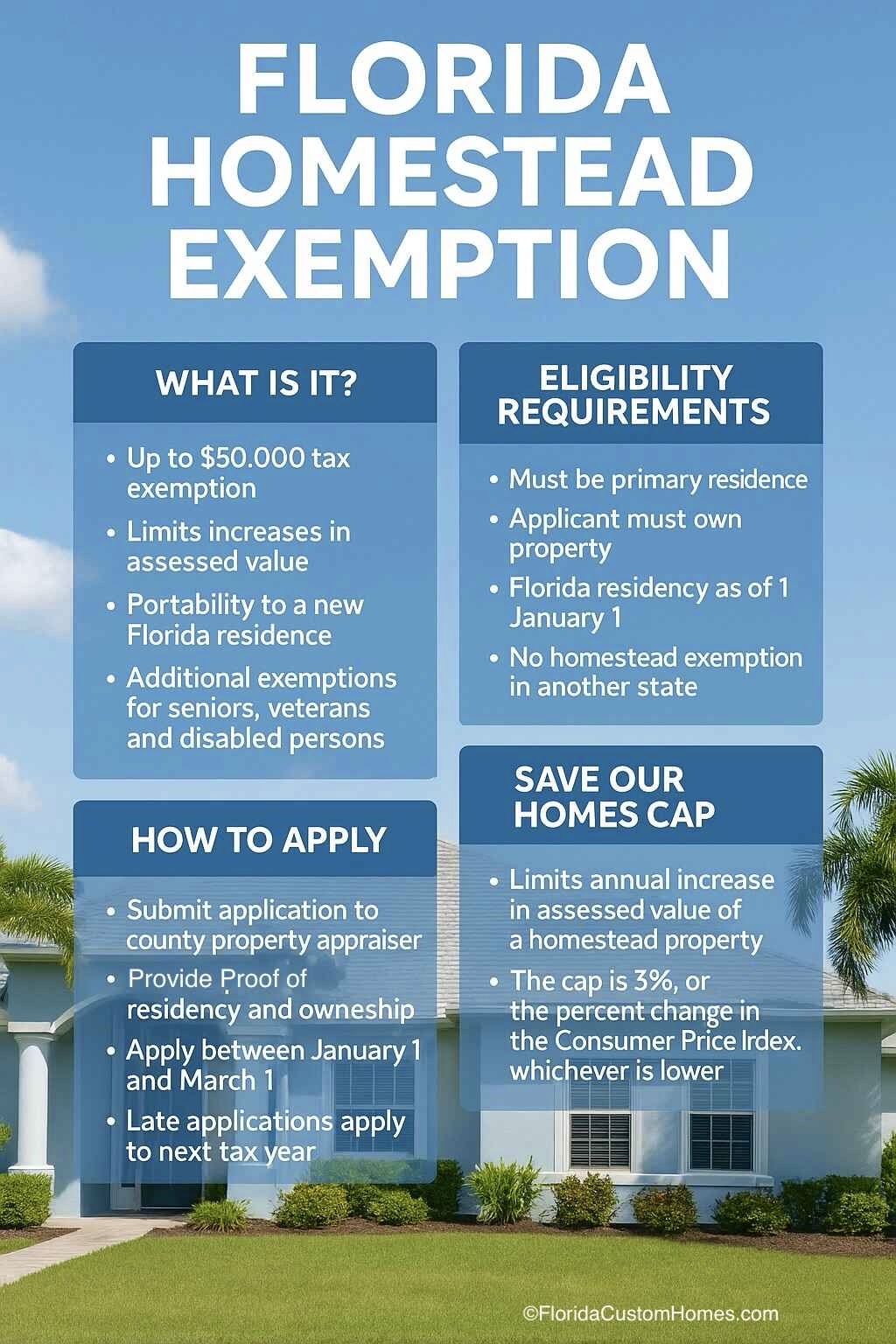
To qualify for Florida’s Homestead Exemption, several key criteria must be met:
- Ownership: You must own the property. This typically means you are listed on the deed.
- Residency: The property must be your permanent, primary residence. You cannot claim homestead on multiple properties, nor can you claim it on a vacation home or rental property. Florida law requires you to reside in the home for at least seven months of the year.
- Application: You must file an application with your county’s property appraiser’s office. This is not an automatic process; you need to proactively apply.
- Florida Driver’s License/ID: You will generally need a Florida driver’s license or a Florida identification card.
- Vehicle Registration: Your vehicle(s) should be registered in Florida at that address.
- Voter Registration: If you are registered to vote, you should be registered to vote in Florida at that address.
- Transfer of Domicile: If you are moving from another state, you will need to demonstrate that you have established Florida as your domicile. This can involve severing ties with your previous state of residence, such as closing bank accounts or canceling previous state driver’s licenses.
Benefits of Homestead Exemption
The primary benefit of Homestead Exemption is the reduction in property taxes. Beyond that, Florida law also provides a “Save Our Homes” amendment, which caps annual increases in assessed value for homesteaded properties at 3% or the percentage change in the Consumer Price Index (CPI), whichever is less. This cap helps protect homeowners from drastic increases in their tax bills due to rising property values, particularly in booming real estate markets like those found in Miami-Dade County or along the Gulf Coast.
The Application Process
Applying for Homestead Exemption involves a series of clear steps. While deadlines and specific forms might vary slightly by county, the general process remains consistent across the state of Florida.
Step-by-Step Guide to Applying
-
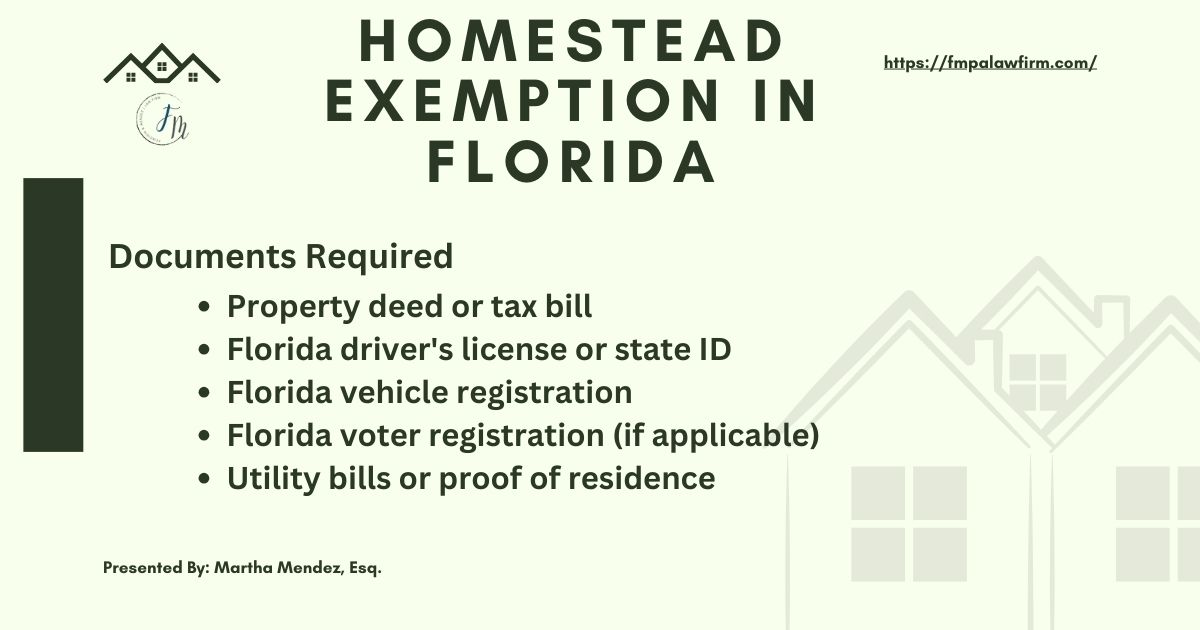
Gather Necessary Documentation: Before you begin, ensure you have all the required documents. This typically includes:
- Your deed or proof of ownership.
- A valid Florida driver’s license or identification card with your homestead address.
- Florida vehicle registration for all vehicles owned.
- Proof of voter registration in Florida (if applicable).
- Social Security numbers for all owners applying for the exemption.
- If you recently moved to Florida, documentation proving you have established your domicile here (e.g., utility bills, bank statements, tax returns from your previous state).
-
Locate Your County Property Appraiser’s Office: Each of Florida’s 67 counties has a Property Appraiser’s office. You can usually find their contact information and website by searching online for “[Your County Name] Property Appraiser.” For example, if you live in Orange County, you would search for “Orange County Property Appraiser.”
-
Complete the Application Form: Most counties provide application forms online, which you can download and fill out. Some offices also offer an online application portal, making the process even more convenient. Carefully read all instructions and fill out the form completely and accurately. Mistakes or omissions can lead to delays or denial of your exemption.
-
Submit Your Application:
- By Mail: You can mail the completed application and copies of your supporting documents to the Property Appraiser’s office.
- In Person: Many residents prefer to visit their local office to ensure all paperwork is correctly submitted and to ask any immediate questions.
- Online: If your county offers an online portal, this is often the most efficient method.
-
Meet the Deadline: The deadline to file for Homestead Exemption for a given tax year is March 1st of that year. This means that if you own a home and occupy it as your primary residence by January 1st of a particular year, you must file your application by March 1st of that same year to receive the exemption for that tax year. For example, to receive the homestead exemption for the 2024 tax year, you must have owned and occupied the home by January 1, 2024, and filed your application by March 1, 2024.
Renewing or Reapplying
Once you have successfully obtained Homestead Exemption, it generally renews automatically each year, provided you continue to meet the eligibility requirements. However, there are situations where you may need to reapply or update your information:
- Change of Ownership: If the ownership of the property changes, a new application is required.
- Change of Residence: If you move out of the homesteaded property and establish a new primary residence elsewhere, you must notify the Property Appraiser’s office.
- Divorce or Separation: Significant life events like divorce or separation may require reapplication or updates to ensure eligibility.
- Changes in Exemption Status: If you are receiving additional homestead exemptions (e.g., senior, veteran) and your circumstances change, you may need to reapply for those specific exemptions.
It is always wise to confirm with your local Property Appraiser’s office if any life changes might impact your Homestead Exemption status.
Types of Homestead Exemptions and Additional Benefits
Beyond the general Homestead Exemption, Florida offers several additional exemptions that can further reduce property tax liability for specific groups of residents.
General Homestead Exemption
This is the foundational exemption available to all eligible homeowners. For the 2023 tax year, the Florida Legislature increased the value of the general homestead exemption to $$25,000$ for the first $$ 25,000$ of assessed value and an additional $$25,000$ for the portion of assessed value between $$ 25,000$ and $$ 75,000$. This means the first $$ 50,000$ of assessed value would receive a reduction. The first $$ 25,000$ of assessed value is exempt from all tax levies. For assessed values between $$ 25,000$ and $$ 50,000$, an additional exemption of up to $$ 25,000$ is applied to millage not in conflict with the $25,000 exemption. Taxes imposed by independent special taxing districts are also exempt from this portion.
Additional Homestead Exemptions
Florida law provides several optional homestead exemptions that can be applied in conjunction with the general exemption. These are typically for individuals who meet specific criteria:
- Senior Citizen Exemption: Available to individuals aged 65 and older whose household income does not exceed a certain threshold (this threshold is adjusted annually). This exemption often provides an additional amount to be deducted from the assessed value.
- Disabled Person Exemption: Available to individuals who are totally and permanently disabled.
- Veteran Exemption: Various exemptions are available for veterans, especially those who are 100% disabled or who served during specific periods of conflict. These can include exemptions for disabled veterans and surviving spouses.
- Surviving Spouse Exemption: A surviving spouse may be eligible for the deceased spouse’s homestead exemption under certain conditions.
- First Responder and Military Exemption: Florida has recently expanded exemptions for honorably discharged veterans, as well as active duty and reserve members of the U.S. military and Florida National Guard. There are also specific provisions for first responders.
Portability of Homestead Benefits
Florida’s “Save Our Homes” amendment also includes a portability feature. This allows homeowners to transfer their accumulated homestead tax benefits to a new homestead property within the state. If you sell your homesteaded property and purchase a new one, you can transfer the “Save Our Homes” assessment difference to your new residence, protecting you from a significant increase in your tax assessment on the new property. To utilize this portability, you must apply for Homestead Exemption on your new property and also file a portability application with your county’s Property Appraiser’s office by March 1st of the year following your move.
Common Pitfalls and Tips for a Smooth Application
While the Homestead Exemption process is generally straightforward, several common pitfalls can delay or prevent applicants from receiving this benefit. Being aware of these can significantly smooth your application process.
Avoiding Common Mistakes
- Missing the Deadline: The March 1st deadline is absolute. Filing even a day late means you will not receive the exemption for that tax year.
- Incorrect Documentation: Ensure all submitted documents are current, accurate, and match the information on your application. For instance, your driver’s license address must match your homesteaded property address.
- Applying for Multiple Homesteads: Florida law strictly prohibits claiming homestead exemption on more than one property. Attempting to do so can result in penalties.
- Not Transferring Domicile Properly: If you are new to Florida, ensure you have taken the necessary steps to establish Florida as your legal residence and have evidence to support this. This might include surrendering your out-of-state driver’s license and registering your vehicle in Florida.
- Ignoring Reapplication Requirements: While the exemption usually renews automatically, do not assume it will. Keep track of any changes in your residency or ownership status and proactively communicate with the Property Appraiser’s office.
- Confusing Assessed Value with Market Value: The exemption applies to the assessed value, not the market value. Understanding the difference is key to appreciating the tax savings.
Tips for Success
- Start Early: Don’t wait until the last minute to gather your documents or begin the application.
- Visit Your County’s Property Appraiser Website: This is your best resource for specific forms, instructions, and deadlines for your county. Many offices have comprehensive FAQs and helpful guides.
- Contact the Property Appraiser’s Office: If you have any doubts or questions, reach out to your local Property Appraiser’s office. Their staff are there to assist you.
- Keep Copies: Always retain copies of your application and all supporting documents for your records.
- Understand the “Save Our Homes” Cap: Familiarize yourself with how this amendment protects your assessment from rapid increases.
- Check for Additional Exemptions: Regularly review your eligibility for senior, veteran, or other special exemptions that could further reduce your tax liability. You may need to reapply annually for some of these.
By understanding the requirements, following the application steps diligently, and being aware of potential issues, you can successfully secure your Florida Homestead Exemption and enjoy the significant property tax savings it provides. This vital protection is a cornerstone of homeownership in the Sunshine State.
LifeOutOfTheBox is a participant in the Amazon Services LLC Associates Program, an affiliate advertising program designed to provide a means for sites to earn advertising fees by advertising and linking to Amazon.com. Amazon, the Amazon logo, AmazonSupply, and the AmazonSupply logo are trademarks of Amazon.com, Inc. or its affiliates. As an Amazon Associate we earn affiliate commissions from qualifying purchases.