
Navigating Time Zones for Your Arizona Adventure
Planning a trip to Williams, Arizona, often involves meticulous planning of itineraries, accommodations, and activities. Yet, one fundamental detail that frequently goes overlooked, especially for first-time visitors, is the local time. Understanding Arizona’s unique approach to timekeeping is crucial for a seamless travel experience, preventing missed tours, late reservations, or miscommunications with those outside the state. Williams, as a vibrant hub for exploration, operates on a specific time zone that impacts every aspect of a traveler’s day.
Understanding Arizona’s Unique Timekeeping
The vast majority of Arizona, including Williams, observes Mountain Standard Time (MST) year-round. Unlike most other U.S. states, Arizona does not participate in Daylight Saving Time (DST). This means that while many parts of the country spring forward an hour in March and fall back in November, Arizona remains constant. During the spring and summer months, when areas observing DST switch to Mountain Daylight Time (MDT), Arizona effectively operates on the same time as Pacific Daylight Time. For travelers arriving from states that do observe DST, this can create a one-hour difference compared to their usual expectation for the mountain time zone. It is a critical distinction that can easily lead to confusion if not accounted for in advance.

The Importance of Knowing the Local Time
Accurate timekeeping is more than a mere formality; it is the backbone of a well-executed travel plan in Williams. The town is renowned as the primary departure point for the Grand Canyon Railway, a popular attraction with strict departure schedules. Missing a train by even a few minutes due to a time zone miscalculation can derail an entire day’s plans. Similarly, restaurant reservations, guided tours of local attractions like Bearizona Wildlife Park, and even hotel check-in and check-out times are all strictly bound by local MST. Understanding the consistent MST throughout the year ensures that visitors can coordinate their activities seamlessly, maximize their daylight hours for exploration, and avoid unnecessary stress or missed opportunities during their Arizona adventure.
Williams, Arizona: Gateway to Grand Experiences
Nestled amidst the ponderosa pines of the Kaibab National Forest, Williams holds a distinguished position as the quintessential “Gateway to the Grand Canyon.” More than just a stopover, this historic town offers a rich blend of nostalgic charm, engaging attractions, and strategic access to one of the world’s most breathtaking natural wonders. Its unique character and convenient location make it an indispensable part of any northern Arizona itinerary, providing a base for both local discoveries and grander explorations.
A Strategic Location for Exploration
Williams’s prime location along Interstate 40 and historic Route 66 makes it an exceptionally accessible hub for travelers. It sits less than an hour’s drive from the Grand Canyon South Rim, positioning it perfectly for those eager to experience the majestic canyon. The town serves as the southern terminus for the Grand Canyon Railway, offering a unique and scenic mode of transport directly to the national park. Beyond the canyon, Williams is also a convenient starting point for exploring other northern Arizona gems, including the vibrant city of Flagstaff and the stunning red rocks of Sedona. This central positioning ensures that travelers can easily venture out for day trips while returning to the comfortable amenities and welcoming atmosphere of Williams.
Historic Charm and Route 66 Nostalgia
Stepping into downtown Williams is like taking a delightful journey back in time. The town proudly preserves its heritage as the last community on Route 66 to be bypassed by Interstate 40, a distinction it held until 1984. This legacy is palpable in its historic district, where classic diners, vintage motels, and quirky shops line the streets, evoking the golden era of American road trips. Visitors can explore establishments like Pete’s Route 66 Gas Station Museum, marvel at the architecture of the Williams Depot, or simply soak in the nostalgic ambiance while enjoying a meal at an authentic diner. The blend of history and contemporary hospitality makes Williams a destination in itself, appealing to history buffs and those seeking a taste of classic Americana.
Beyond the Grand Canyon: Local Attractions
While the Grand Canyon is undoubtedly the star attraction nearby, Williams offers a variety of engaging experiences that warrant their own dedicated time. Bearizona Wildlife Park is a standout, providing a unique opportunity to observe North American wildlife, including bears, wolves, and bison, from the safety and comfort of a vehicle during its drive-through safari, as well as an engaging walk-through area. For outdoor enthusiasts, the surrounding Kaibab National Forest boasts numerous hiking and biking trails, offering picturesque scenery and opportunities for wildlife viewing. Fishing opportunities abound at nearby Dogtown Lake and Kaibab Lake, providing serene spots for relaxation and recreation. These local attractions, combined with the town’s vibrant dining and shopping scene, ensure that there is always something to do in Williams, enriching the overall travel experience beyond just a visit to the Grand Canyon.

Optimizing Your Itinerary: Time-Sensitive Planning
Effective time management is paramount when visiting Williams, given its role as a travel hub and a destination with several time-sensitive attractions. From historic train journeys to scenic day trips, every activity requires careful consideration of the local Mountain Standard Time to ensure a smooth and enjoyable experience. Misjudging timing can lead to missed connections, truncated explorations, or simply a feeling of being rushed, detracting from the relaxed pace that many seek on vacation.
The Grand Canyon Railway Experience
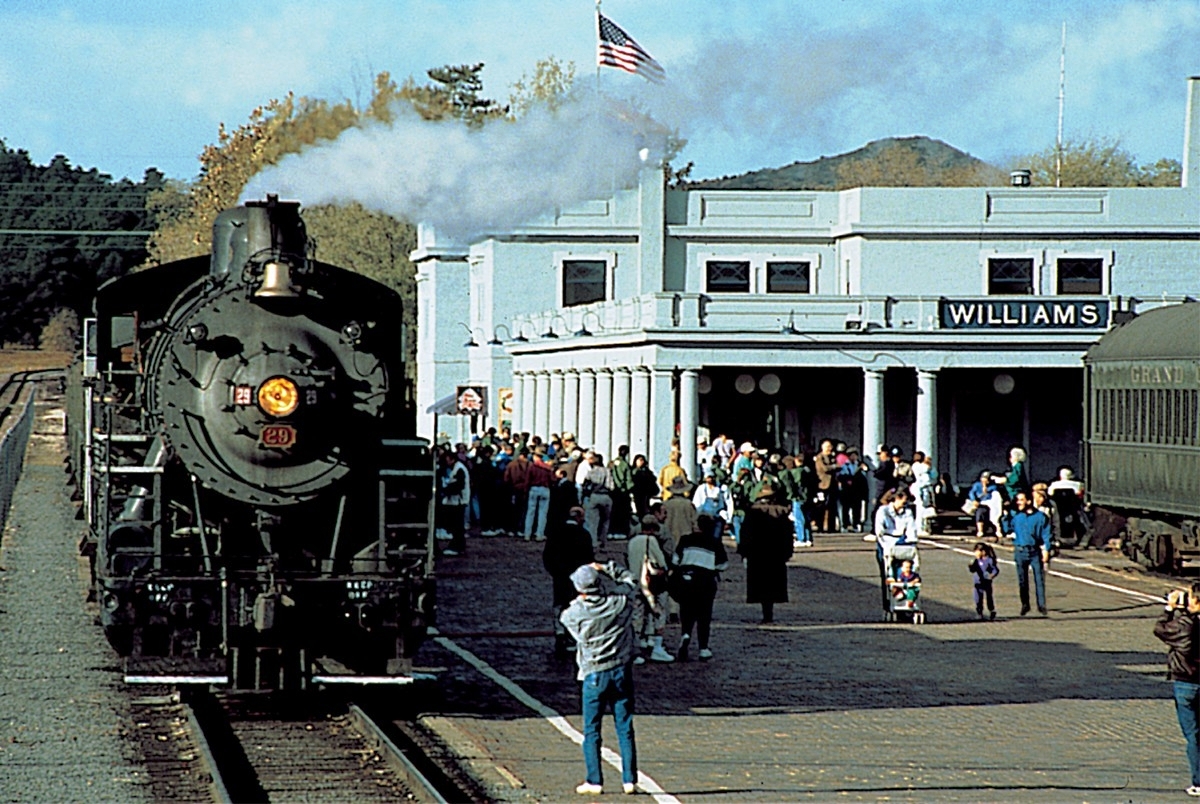
One of the most iconic ways to experience the Grand Canyon from Williams is via the Grand Canyon Railway. This historic train departs from the Williams Depot at a fixed time each morning, typically around 9:30 AM MST, regardless of the season. Punctuality is non-negotiable, as the train adheres strictly to its schedule. Travelers must account for time to arrive at the depot, park, collect tickets, and board, often allowing 30-45 minutes before departure. Understanding that Arizona does not observe Daylight Saving Time is especially critical here, as visitors from areas that do might inadvertently arrive an hour late if they don’t adjust their internal clock. Planning for this early start ensures a stress-free beginning to a memorable day trip to the Grand Canyon South Rim.
Day Trips and Excursions
Beyond the Grand Canyon, Williams serves as a base for exploring other captivating destinations in northern Arizona. A drive to the Grand Canyon itself takes approximately an hour, while destinations like Flagstaff are about 30 minutes away, and the stunning red rock country of Sedona is roughly 1.5 to 2 hours. When planning day trips, it’s vital to factor in not just driving time, but also time for scenic stops, meals, and exploring each destination. For example, photographs at the Grand Canyon are often best at sunrise or sunset, requiring careful calculation of travel to and from Williams to capture these magical moments. Ensuring ample daylight hours for return journeys, especially in winter when days are shorter, is also a critical consideration for safe and enjoyable excursions.
Dining and Entertainment in Williams
The culinary and entertainment scene in Williams offers a range of options, from classic Route 66 diners to more upscale dining experiences. Like any town, establishments operate on specific hours, with kitchens typically closing by 9 PM or 10 PM, especially outside of peak tourist season. For travelers arriving late or after a long day of exploration, being aware of these hours is key to securing a meal. Many local venues also feature live music or special events, particularly on weekends. Checking schedules and making reservations in advance, aligned with the correct MST, can enhance the evening experience, ensuring visitors don’t miss out on the vibrant local culture and entertainment options available after a day of adventure.
Practical Tips for a Seamless Williams Visit
Ensuring a stress-free and enjoyable visit to Williams hinges on a few practical considerations, primarily focused on managing expectations and preparation. With its unique time zone status and its role as a launching pad for major attractions, a bit of foresight can significantly enhance the travel experience, allowing visitors to fully immerse themselves in the beauty and history of northern Arizona.
Always Confirm Local Time
The single most crucial piece of advice for travelers to Williams is to confirm the local time upon arrival, and periodically throughout their stay, particularly if they are driving from a state that observes Daylight Saving Time. While most modern smartphones automatically adjust, it is prudent to double-check against a reliable local source, such as a hotel clock, a bank sign, or a local business. This simple step can prevent the confusion that often arises from Arizona’s unique year-round Mountain Standard Time observance, ensuring that all scheduled activities, from Grand Canyon Railway departures to dinner reservations, are met without incident.
Account for Travel Times and Delays
While distances in northern Arizona might appear manageable on a map, it is always wise to factor in extra time for travel. Scenic routes, unexpected traffic, or simply the desire to stop and admire the stunning landscapes can add significant minutes, or even hours, to a journey. When driving to the Grand Canyon South Rim, for instance, allow for time to park, take shuttle buses if necessary, and walk to viewpoints. Similarly, excursions to Flagstaff or Sedona should have buffers built in for exploring local shops or unplanned photo opportunities. Over-estimating travel time slightly ensures a relaxed pace and reduces the pressure of rushing, allowing for a more enjoyable exploration of the region.
Best Seasons to Visit
The time of year greatly influences a visit to Williams and its surrounding attractions. Summer (June-August) brings warm days and cooler nights, ideal for outdoor activities, though it is peak tourist season. Fall (September-November) offers pleasant temperatures, vibrant foliage, and fewer crowds. Winter (December-February) transforms the landscape with snow, providing a unique and often serene Grand Canyon experience, though some roads or facilities may be affected by weather. Spring (March-May) sees wildflowers blooming and generally mild weather. Considering the season directly impacts available daylight hours for exploration, the crowds you might encounter, and the types of activities that are most enjoyable. Planning your visit according to the season ensures you can fully embrace the beauty and experiences Williams and the Grand Canyon have to offer.
LifeOutOfTheBox is a participant in the Amazon Services LLC Associates Program, an affiliate advertising program designed to provide a means for sites to earn advertising fees by advertising and linking to Amazon.com. Amazon, the Amazon logo, AmazonSupply, and the AmazonSupply logo are trademarks of Amazon.com, Inc. or its affiliates. As an Amazon Associate we earn affiliate commissions from qualifying purchases.