
Becoming a foster parent in Florida is a profound commitment, offering a chance to make a significant difference in the life of a child or sibling group in need. The journey involves understanding the process, meeting specific requirements, and navigating the support systems available. This guide aims to demystify the path to becoming a licensed foster parent in the Sunshine State, providing insights into the motivations, responsibilities, and rewards inherent in this life-altering endeavor.
Foster care is a temporary, emergency service provided by the state to children who have been removed from their biological families due to abuse, neglect, or abandonment. The primary goal is reunification with the birth parents or relatives. However, when reunification is not possible, foster families play a crucial role in providing a stable, loving environment until a permanent solution, such as adoption, can be found. Understanding this fundamental purpose is the first step for any prospective foster parent.

Understanding the Florida Foster Care System
The Florida Department of Children and Families (DCF) oversees the foster care system, working in partnership with community-based care (CBC) agencies. These agencies are responsible for managing foster homes, providing case management services, and supporting foster families. Familiarizing yourself with the structure of the system is essential for a smooth application and placement process.
The Role of the Department of Children and Families (DCF)
The DCF is the state agency charged with protecting children and ensuring their well-being. They set the licensing standards for foster homes, provide training, and work with families to achieve permanency. Understanding their mission and policies is key to aligning with the goals of the foster care system.
Community-Based Care (CBC) Agencies
In Florida, the foster care system is largely managed by CBC agencies. These private, non-profit organizations are contracted by the DCF to provide services within specific geographic regions. Examples of these agencies include Our Kids of Miami-Dade/Monroe, Devereux Florida, and Eckerd Connects. Each agency has its own local processes and support networks, and choosing an agency often depends on your geographic location. They handle the recruitment, training, licensing, and ongoing support of foster parents.
Types of Foster Care Placements
Foster care in Florida encompasses several types of placements to meet the diverse needs of children:
- Emergency Foster Care: For children who need immediate placement due to an urgent safety concern.
- General Foster Care: For children who require a temporary home while their birth families work towards reunification.
- Respite Care: Providing short-term care for children already in foster care, offering relief to their regular foster parents. This can be a valuable way to get involved without a full-time commitment initially.
- Therapeutic Foster Care: For children with specialized medical, emotional, or behavioral needs requiring intensive support and specialized training from their foster parents.
- Relative and Non-Relative Caregiver Placements: When children are placed with family members or close family friends. These caregivers may go through a streamlined licensing process.
Eligibility Requirements for Foster Parents in Florida
To become a foster parent in Florida, individuals and families must meet a set of criteria designed to ensure the safety and well-being of children placed in their care. These requirements are comprehensive and aim to assess the suitability of the home environment and the capacity of the prospective parents to provide a nurturing and stable upbringing.
Personal Qualifications
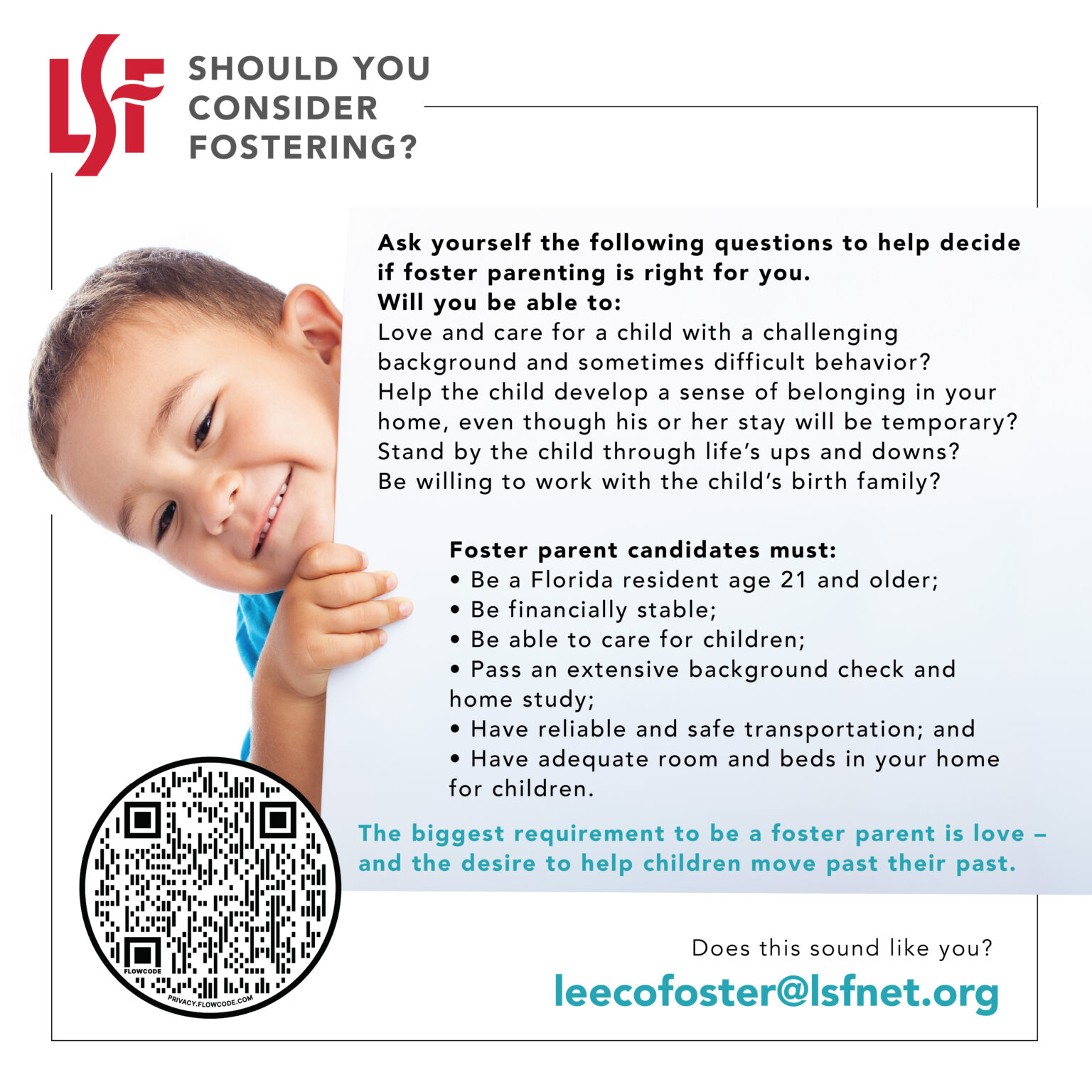
- Age: Applicants must be at least 21 years old. Single individuals, married couples, and unmarried couples living together can all apply.
- Marital Status: There is no requirement to be married. Single individuals are welcome to apply.
- Background Checks: All adults living in the household, aged 18 and older, must undergo thorough background checks, including fingerprinting, criminal history checks, and child abuse and neglect registry checks. Any history of abuse, neglect, domestic violence, or serious criminal offenses may disqualify an applicant.
- Physical and Mental Health: Applicants must be in good physical and mental health. Medical examinations are typically required to ensure that prospective parents are capable of caring for children.
- Financial Stability: While foster parents receive a stipend to help cover the child’s expenses, they must demonstrate that they have sufficient income to support themselves and their families without relying on the foster care stipend. Financial instability can be a barrier to licensing.
Home and Environmental Requirements
- Safe and Healthy Living Environment: The home must be safe, sanitary, and free from hazards. This includes ensuring adequate heating, cooling, plumbing, and electricity.
- Adequate Sleeping Arrangements: Each child must have their own bed or share a room with a sibling of the same sex. There are specific rules regarding the number of children allowed to share a room and the total number of children a foster home can accommodate, which varies based on the ages and needs of the children.
- Sufficient Space: While a large home is not always necessary, there must be adequate space for each child to have personal belongings and a sense of privacy.
- Fire Safety: Homes must meet fire safety standards, including having working smoke detectors and carbon monoxide detectors.
- Pet Vaccinations: If pets are present, they must be up-to-date on vaccinations and not pose a threat to the children.
Other Considerations
- Substance Abuse: Applicants must not have a history of substance abuse.
- Smoking: While not an automatic disqualifier, homes where smoking occurs may face restrictions, especially for younger children or those with respiratory issues.
- Parenting Capacity: Prospective parents must demonstrate the ability to provide a nurturing, supportive, and structured environment. This is assessed through the home study process.
The Foster Parent Application and Training Process
The path to becoming a licensed foster parent in Florida involves a structured application process, comprehensive training, and a thorough home study. These steps are designed to equip you with the necessary skills and knowledge and to ensure your home is a safe and suitable environment for a child in need.
Initial Inquiry and Application
The first step is usually to contact a local CBC agency or the DCF directly. You will receive an application packet that requires detailed personal information, references, and documentation. This stage involves expressing your interest, understanding the commitment, and beginning to gather necessary paperwork.
Pre-Service Training (PRIDE)
All prospective foster parents in Florida must complete a mandatory pre-service training program. The most common program is called PRIDE (Preservice Required In-service Training for Foster and Adoptive Parents). This training is typically delivered over several weeks and covers a wide range of essential topics, including:
- Child Development: Understanding the emotional, social, and cognitive development of children, particularly those who have experienced trauma.
- Trauma-Informed Care: Learning about the impact of abuse and neglect on children and how to provide a healing environment.
- Attachment and Bonding: Strategies for building secure attachments with children who may have difficulty trusting.
- Behavior Management: Techniques for addressing challenging behaviors in a positive and effective manner.
- Grief and Loss: Understanding the grief children experience when separated from their families and how to support them through it.
- The Foster Care System: Detailed information about the roles of the DCF, CBC agencies, courts, and other stakeholders.
- Working with Birth Families: The importance of maintaining contact and positive relationships with a child’s biological family, when appropriate.
- Legal Aspects of Foster Care: Understanding legal rights, responsibilities, and the permanency planning process.
- Self-Care: Strategies for managing stress and preventing burnout.
This training is crucial for preparing you for the realities of foster parenting and providing you with the tools to support vulnerable children.
The Home Study
The home study is a comprehensive assessment conducted by a licensed social worker from the CBC agency. It involves several components:
- Interviews: The social worker will conduct interviews with all adults in the household to assess your motivations, parenting philosophy, and ability to meet a child’s needs.
- Home Visits: The social worker will visit your home to ensure it meets safety and licensing standards. They will examine bedrooms, bathrooms, kitchen areas, and outdoor spaces.
- Documentation Review: You will need to provide various documents, including proof of income, identification, marriage certificates (if applicable), medical records, and reference letters.
- Background Checks: As mentioned earlier, extensive background checks are completed during this phase.

The home study is designed to be thorough and objective, ensuring that every foster home is a safe and nurturing environment. It’s also an opportunity for you to ask questions and get a clearer understanding of what fostering entails.
Licensing and Placement
Once the training is completed and the home study is approved, you will be recommended for licensure. After your license is issued, you will be added to the list of approved foster homes. When a child or sibling group comes into care and their needs match your approved home, the agency will contact you to discuss a potential placement. This often involves a meeting with the child and their case manager to determine if it’s a good fit before a final decision is made.
Support Systems and Resources for Foster Parents in Florida
Navigating the journey of foster parenting can present unique challenges, and Florida recognizes the importance of robust support systems for its foster parents. These resources are designed to provide practical assistance, emotional encouragement, and ongoing professional guidance.
Financial Support
Foster parents receive a monthly stipend to help cover the costs associated with caring for a child. This stipend varies depending on the age and needs of the child, with higher rates for children with special medical or behavioral needs. The stipend is intended to cover expenses such as food, clothing, shelter, transportation, and personal care items. While this financial assistance is helpful, it’s important to remember that it is not intended to be an income.
Additional financial support may be available for specific needs, such as:
- Medical Care: Children in foster care have their medical, dental, and vision needs covered through state-provided insurance.
- Educational Support: Resources are available to help children in foster care succeed academically, including tutoring and support for school supplies.
- Therapeutic Services: Access to counseling and therapy is provided for children who have experienced trauma.
Emotional and Social Support
- Case Managers: Each child in foster care has a dedicated case manager who works with the child, the foster family, and the birth family to achieve permanency goals. Case managers provide crucial guidance, support, and coordinate services.
- CBC Agency Support Staff: Foster parents have access to agency staff, including social workers and support specialists, who can offer advice, crisis intervention, and resources.
- Foster Parent Support Groups: Connecting with other foster parents can be invaluable. Many CBC agencies facilitate support groups where foster parents can share experiences, exchange advice, and find mutual encouragement. These groups can be a vital lifeline for navigating the emotional complexities of foster care.
- Respite Care: Respite care providers offer temporary relief to foster parents, allowing them time to rest, recharge, and attend to personal needs. This is a critical component of preventing burnout.
Training and Professional Development
Beyond the initial PRIDE training, ongoing training is often required or strongly encouraged. These in-service training sessions cover advanced topics, such as specific therapeutic interventions, navigating the court system, or working with adolescents. Many agencies offer workshops and seminars to enhance foster parents’ skills and knowledge.
Legal and Advocacy Resources
Foster parents have rights and responsibilities. Understanding these is crucial. Resources are available through the DCF and CBC agencies to explain these aspects. Additionally, organizations that advocate for children and foster families can provide information and support.
Connections to Community Resources
Foster parents are encouraged to build connections within their local communities. This might include:
- Schools: Collaborating with teachers and school counselors.
- Healthcare Providers: Establishing relationships with pediatricians and specialists.
- Mental Health Professionals: Accessing therapy and counseling services.
- Community Centers and Recreational Programs: Providing children with opportunities for enrichment and social development.
By leveraging these support systems, foster parents in Florida can feel more confident and capable in providing a safe, nurturing, and stable environment for children in their care. The commitment to fostering is met with a commitment from the state and its partner agencies to ensure foster parents have the resources they need to succeed.
The Profound Impact and Rewards of Foster Parenting
Becoming a foster parent is a decision rooted in compassion and a desire to contribute positively to the lives of vulnerable children. While the journey is undeniably challenging, the rewards are immeasurable, stemming from the tangible difference one can make in a child’s life and the personal growth experienced by the foster family.
Making a Tangible Difference in a Child’s Life
The most profound reward of foster parenting is the direct impact on the well-being of a child. By providing a safe, stable, and loving home, foster parents offer children a sanctuary from difficult circumstances. This stability can:
- Heal Trauma: Children who have experienced abuse or neglect often carry deep emotional wounds. A nurturing foster home provides the consistent love and security necessary for healing.
- Foster Development: Through consistent routines, positive reinforcement, and encouragement, foster parents help children develop essential life skills, build self-esteem, and reach their full potential.
- Provide Hope: For children facing uncertainty, a foster parent offers a beacon of hope, demonstrating that kindness, care, and stability are possible.
- Create Positive Memories: Foster parents have the opportunity to create joyful memories for children, whether through family traditions, outings to places like Walt Disney World or Universal Studios Florida, or simply through shared moments of comfort and laughter.
Personal Growth and Fulfillment
The experience of foster parenting fosters significant personal growth for the adults involved. It challenges preconceived notions, expands empathy, and cultivates resilience. Foster parents often discover strengths they never knew they possessed and gain a deeper understanding of themselves and the world around them. The journey cultivates:
- Increased Patience and Understanding: Working with children who have experienced trauma requires immense patience and a deep well of understanding.
- Enhanced Problem-Solving Skills: Navigating the complexities of the foster care system and addressing a child’s unique needs hones problem-solving abilities.
- Deepened Empathy: Witnessing a child’s resilience and growth firsthand fosters a profound sense of empathy and compassion.
- Stronger Family Bonds: The shared experience of fostering can strengthen bonds within the foster family, as they work together to support the child.
Contributing to the Community
By opening their homes, foster parents become vital contributors to their communities. They alleviate the strain on the foster care system and provide essential care for children who need it most. This act of service strengthens the social fabric and offers a tangible way to support the well-being of future generations.
The Path to Permanency
While foster care is often temporary, some foster parents choose to pursue adoption. When reunification with birth families is not possible, foster parents who have formed strong bonds with a child may have the opportunity to provide a permanent home through adoption. This offers the ultimate reward of ensuring a child’s long-term stability and security within a loving family. Even when a child is reunified with their birth family, the positive impact of a foster parent’s care can last a lifetime, shaping the child’s future in profound ways.
The decision to become a foster parent in Florida is a significant one, but for those who embark on this path, the rewards of changing a child’s life and experiencing personal transformation are unparalleled. It is a testament to the power of human connection and the enduring capacity for love and healing.
LifeOutOfTheBox is a participant in the Amazon Services LLC Associates Program, an affiliate advertising program designed to provide a means for sites to earn advertising fees by advertising and linking to Amazon.com. Amazon, the Amazon logo, AmazonSupply, and the AmazonSupply logo are trademarks of Amazon.com, Inc. or its affiliates. As an Amazon Associate we earn affiliate commissions from qualifying purchases.