
Understanding the rhythm of sunrise across California is fundamental to unlocking the full potential of any visit, whether your aim is to witness a breathtaking desert dawn, catch the first light glinting off the Pacific Ocean, or simply maximize your daylight hours for exploration. The Golden State, stretching over 1,100 miles from north to south, experiences significant variations in sunrise times due to its vast latitudinal range and its position relative to the International Date Line and time zones. This guide delves into the nuances of sunrise across California, offering insights for every traveler seeking to align their adventures with the dawning of a new day.
Understanding California’s Sunrise Dynamics
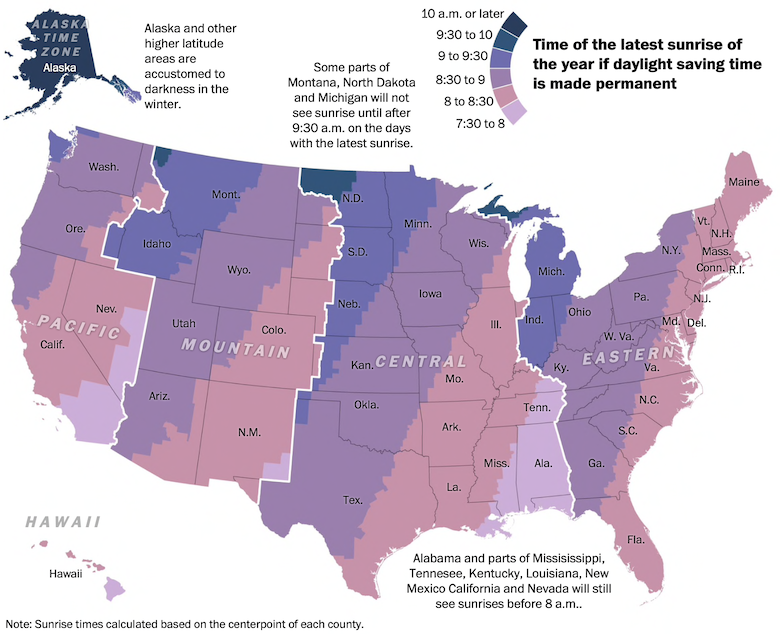
California’s sunrise times are dictated by a confluence of geographical and temporal factors. Primarily, the Earth’s axial tilt and its orbit around the sun cause seasonal variations in daylight hours. This means that sunrise times are not static; they shift daily, with the earliest sunrises occurring around the summer solstice (late June) and the latest around the winter solstice (late December). Beyond seasonal changes, the sheer north-south expanse of the state is a critical determinant. Coastal California experiences daylight hours that differ from inland areas, and the northernmost regions will see the sun rise considerably later than their southern counterparts. Furthermore, the state observes Pacific Daylight Time (PDT) during the spring and summer months, effectively shifting all clock times, including sunrise, forward by one hour. Understanding these core principles is the first step in planning your California itinerary with precision.
Seasonal Variations
The sun’s apparent path across the sky changes throughout the year, directly impacting sunrise times.
Summer Solstice (Around June 20-21)
During the summer solstice, the Northern Hemisphere is tilted most directly towards the sun, resulting in the longest days of the year. In California, this translates to the earliest sunrises. For example, on the northern coast, around Crescent City, sunrise can occur as early as 5:15 AM PDT. Further south, in San Diego, the sun might rise around 5:45 AM PDT. These early hours are ideal for capturing stunning photographic opportunities, embarking on early morning hikes, or enjoying a peaceful start to the day before the crowds arrive.
Winter Solstice (Around December 21-22)
Conversely, the winter solstice marks the shortest days and latest sunrises. In northern California, sunrise might not occur until 7:30 AM PST. In southern California, such as in Los Angeles, sunrise could be around 7:00 AM PST. While this means less daylight for extensive outdoor activities, it offers a different kind of magic, with opportunities for tranquil morning moments and cozy beginnings to the day.
Equinoxes (Around March 20 and September 22)
The spring and autumn equinoxes represent a balance, with approximately 12 hours of daylight and 12 hours of night. Sunrise times during these periods fall between the extremes of the solstices, offering a moderate start to the day. In mid-March, expect sunrises in the mid-6 AM range, and in late September, they will be in the mid-7 AM range, before daylight saving time ends in November.
Latitude and Longitude Influence
The north-south stretch of California means that latitude plays a significant role. Coastal and inland locations at similar latitudes will have very similar sunrise times, but a location in northern California will have a different sunrise time compared to a location in southern California on the same day.
Northern California Dawn
Cities like Eureka and Redding experience later sunrises compared to their southern counterparts. During summer, expect sunrises in the 5:20 AM to 5:40 AM PDT window. In winter, this can push to 7:30 AM PST or later. This is particularly relevant for visitors planning to explore natural wonders like Redwood National and State Parks or the rugged northern coastline.
Southern California Dawn
Southern California, including major hubs like Los Angeles, San Diego, and Palm Springs, generally sees earlier sunrises, especially during the summer months. In peak summer, San Diego can see the sun rise as early as 5:45 AM PDT. This allows ample time to enjoy popular attractions like Disneyland, Griffith Observatory, or the beaches of Orange County before the midday heat.
Daylight Saving Time Impact
California observes Pacific Daylight Time (PDT) from the second Sunday in March until the first Sunday in November. During this period, clocks are advanced by one hour. This means that a sunrise that might have occurred at 6:00 AM PST will effectively be observed at 7:00 AM PDT. It’s crucial to account for this shift when planning your morning activities, especially if your visit coincides with this period.
Experiencing California’s Sunrises: Top Destinations and Activities
Knowing when the sun rises is one thing; experiencing it is another. California offers a spectacular array of locations perfect for witnessing the dawn.
Coastal Sunrises
The Pacific coastline provides iconic sunrise vistas, with the sun emerging over the vast ocean horizon.
Northern Coastline Wonders
Areas like Mendocino and the Big Sur coastline offer dramatic cliffs and rugged shores bathed in the golden hues of early morning. Imagine watching the sun paint the sky in vibrant colors over the iconic Bixby Bridge or from the charming village of Mendocino. Early risers can take advantage of this tranquility before the scenic Highway 1 becomes a popular route for day-trippers.
Southern California Beaches
From Santa Monica to La Jolla, the southern coast is renowned for its accessible beaches. Catching the sunrise from a quiet stretch of sand in Malibu or the iconic pier at Santa Monica offers a quintessential Southern Californian experience. Sunrise yoga sessions or a peaceful walk along the shore are perfect ways to greet the day.
Desert Sunrises
The stark beauty of California’s deserts transforms into a painter’s canvas at dawn.
Death Valley National Park
Death Valley National Park is a prime destination for dramatic desert sunrises. Zabriskie Point and Dante’s View offer panoramic vistas where the rising sun illuminates the rugged badlands and salt flats. The temperature is also more pleasant in the early morning, making for a more comfortable exploration experience.

Joshua Tree National Park
The otherworldly landscape of Joshua Tree National Park, with its iconic trees and rock formations, becomes even more magical at sunrise. Many visitors choose to wake early to witness the sun’s rays casting long shadows and highlighting the unique silhouettes of the Joshua trees. Popular spots include Keys View and Skull Rock.
Mountain and Inland Sunrises
The interior of California also provides spectacular dawn experiences, often with a cooler, crisp air.
Yosemite National Park
Witnessing sunrise over the granite monoliths of Yosemite National Park, such as El Capitan and Half Dome, is an unforgettable experience. Glacier Point or Tunnel View are renowned for their breathtaking perspectives as the first light of day illuminates the valley floor and its iconic landmarks.
Lake Tahoe
The serene beauty of Lake Tahoe at sunrise is a tranquil spectacle. Watching the sun’s reflection shimmer on the crystal-clear waters, with the surrounding Sierra Nevada mountains as a backdrop, is particularly stunning from the east shore. Early morning boat tours or simply finding a quiet lakeside spot can provide a peaceful start to the day.
Planning Your Day Around the Sunrise
Effectively planning your activities around sunrise times can significantly enhance your California travel experience. It allows you to maximize daylight for exploration and capture the most beautiful moments of the day.
Early Morning Adventures
The hours immediately following sunrise are often the most serene and visually captivating.
Photography Opportunities
For photographers, the “golden hour” immediately after sunrise offers soft, warm light ideal for capturing landscapes, cityscapes, and wildlife. Consider locations like the Golden Gate Bridge in San Francisco or the vineyards of Napa Valley during this magical period.
Outdoor Activities
Many of California’s popular outdoor pursuits are best enjoyed in the cooler morning hours. This includes hiking in the mountains of Southern California, cycling along the coast, or exploring national parks like Sequoia National Park before the heat of the day sets in and crowds become larger.
Peaceful Sightseeing
Visiting popular attractions at or shortly after sunrise can offer a more intimate and less crowded experience. For example, exploring the historic sites in San Diego’s Old Town or wandering through the gardens of Hearst Castle before the main influx of visitors can be highly rewarding.
Maximizing Daylight Hours
Understanding sunrise times helps you structure your day to make the most of the available daylight, especially during shorter winter days.
Itinerary Building
By knowing when the sun will set, you can plan your driving routes, sightseeing schedules, and outdoor activities to avoid navigating in darkness on unfamiliar roads or missing key daylight experiences. This is particularly important for scenic drives along the coast or through remote wilderness areas.
Booking Tours and Experiences
Many guided tours, from whale watching expeditions off the coast of San Diego to hot air balloon rides over Temecula wine country, have early morning departures timed to coincide with favorable conditions or to maximize the day’s potential.
Tools and Resources for Sunrise Times
Staying informed about the precise sunrise and sunset times for your specific California location is easy with the right tools.
Online Weather and Astronomy Websites
Numerous reputable websites provide detailed astronomical data, including sunrise and sunset times for cities worldwide. Simply search for “California sunrise times” or the specific city you are visiting. These sites often allow you to select dates and will account for daylight saving time automatically.
Mobile Applications
Many smartphone weather apps offer detailed sunrise and sunset information for your current location or any chosen destination. Dedicated astronomy apps can also provide this data, along with information on moon phases and celestial events, enriching your understanding of the daily rhythm of light.

Local Tourism Offices
When visiting a particular region, local tourism offices, visitor centers, and even many hotels can provide up-to-date information on sunrise times, often tailored to local events or seasonal recommendations. They can also offer valuable insights into the best local spots to witness the dawn.
By integrating this knowledge of sunrise timings into your travel plans, you can transform a good trip into an unforgettable California adventure, embracing the natural beauty and unique rhythm of the Golden State from the very first light of day.
LifeOutOfTheBox is a participant in the Amazon Services LLC Associates Program, an affiliate advertising program designed to provide a means for sites to earn advertising fees by advertising and linking to Amazon.com. Amazon, the Amazon logo, AmazonSupply, and the AmazonSupply logo are trademarks of Amazon.com, Inc. or its affiliates. As an Amazon Associate we earn affiliate commissions from qualifying purchases.