
Becoming a nurse in Florida is a rewarding career path, offering both professional fulfillment and the chance to make a tangible difference in people’s lives. The Sunshine State boasts a robust healthcare system with numerous opportunities for qualified nursing professionals across a diverse range of settings, from bustling urban hospitals to tranquil coastal clinics. Embarking on this journey requires a clear understanding of the educational pathways, licensing procedures, and career considerations specific to Florida. This guide aims to illuminate the essential steps and insights needed to successfully navigate the process of becoming a licensed nurse in Florida.
Educational Pathways to Nursing in Florida
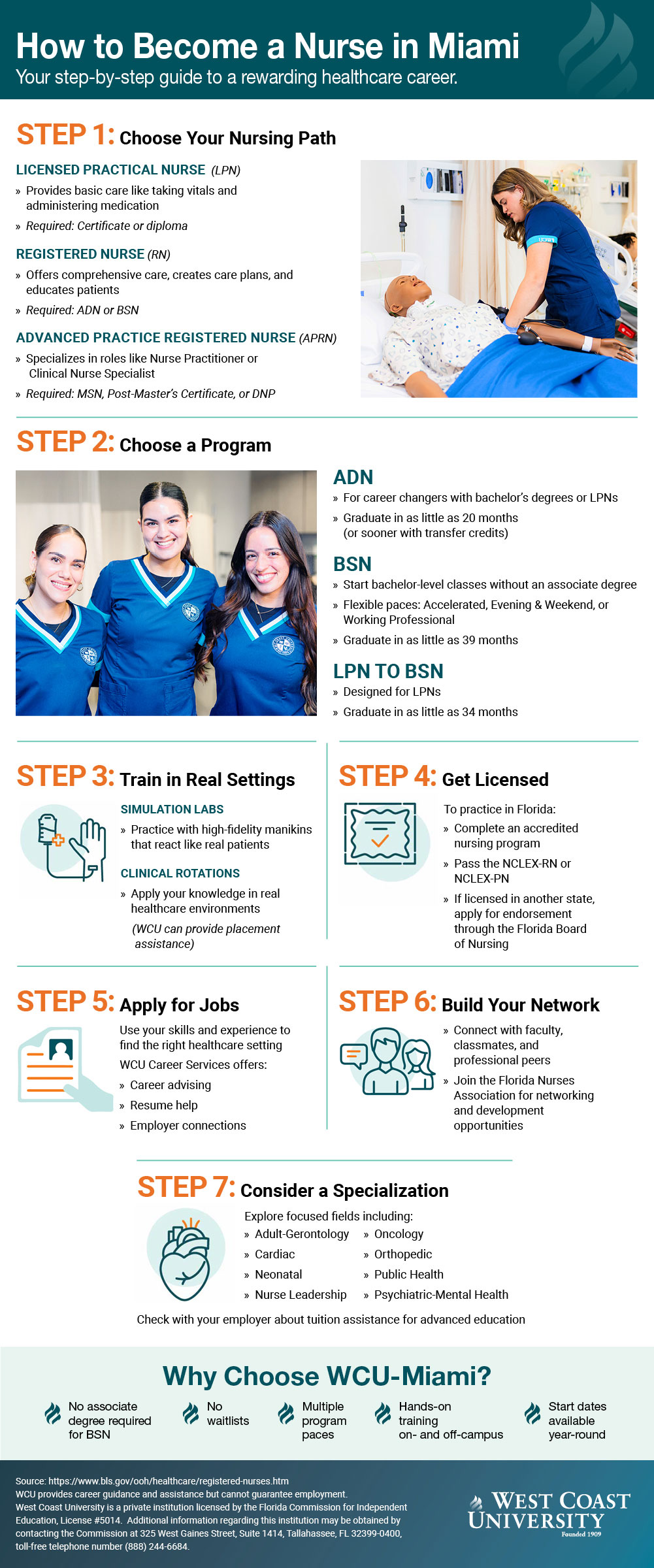
The foundation of any nursing career lies in obtaining the appropriate education. Florida offers several accredited educational tracks that lead to licensure as a registered nurse (RN) or a licensed practical nurse (LPN). The choice of pathway often depends on personal career aspirations, available time, and prerequisite qualifications.
Associate Degree in Nursing (ADN)
The Associate Degree in Nursing (ADN) is a popular and comprehensive program designed to prepare students for entry-level registered nursing positions. These programs typically span two years and are offered at community colleges and some state universities throughout Florida. An ADN curriculum provides a strong theoretical base in nursing principles, combined with essential clinical experience. Graduates of ADN programs are eligible to sit for the NCLEX-RN examination, the national licensure examination for registered nurses. Many ADN programs are designed to facilitate seamless transfer to Bachelor of Science in Nursing (BSN) programs for those who wish to pursue further education and career advancement. Institutions like Miami Dade College and Valencia College offer well-regarded ADN programs.
Bachelor of Science in Nursing (BSN)
The Bachelor of Science in Nursing (BSN) is a four-year undergraduate degree program that provides a more in-depth education, including advanced coursework in leadership, research, community health, and critical thinking. BSN-prepared nurses are often sought after for leadership roles, specialized practice areas, and positions in increasingly complex healthcare environments. Many hospitals and healthcare organizations in Florida, particularly larger ones like those affiliated with Mayo Clinic Jacksonville, actively recruit BSN-prepared nurses. Universities such as the University of Florida and the University of Central Florida offer robust BSN programs. A BSN provides a broader skill set and can open doors to a wider array of career opportunities and potential for higher earning potential over time.
Practical Nursing (LPN) Programs
For those seeking a more direct entry into the nursing field with a shorter educational commitment, Licensed Practical Nurse (LPN) programs are an excellent option. These programs typically take about one year to complete and focus on fundamental nursing care skills. LPNs work under the supervision of RNs or physicians and provide direct patient care, administer medications, and monitor patient conditions. Upon successful completion of an LPN program and passing the NCLEX-PN examination, graduates can begin their nursing careers in various settings, including hospitals, long-term care facilities, and physician’s offices. Many vocational schools and community colleges across Florida offer accredited LPN programs.
The Licensing Process in Florida
Once you have successfully completed an accredited nursing program, the next crucial step is to obtain your nursing license from the Florida Board of Nursing. This process ensures that all practicing nurses meet the state’s established standards of competency and professionalism.
Application and Examination
The licensing process begins with submitting a detailed application to the Florida Board of Nursing. This application typically requires proof of your nursing education, including official transcripts from your program. You will also need to undergo a background check, which includes fingerprinting.
A critical component of the licensing process is passing the appropriate national nursing licensure examination. Registered nurses must pass the NCLEX-RN, while licensed practical nurses must pass the NCLEX-PN. These standardized exams are designed to assess a candidate’s knowledge and skills in nursing practice. You will need to register with Pearson VUE, the testing administrator, to schedule your exam. It is highly recommended to prepare thoroughly for these exams, as they are challenging and crucial for obtaining your license. Many review courses and study materials are available to help candidates succeed.
Endorsement for Out-of-State Nurses
For nurses who are already licensed in another U.S. state or territory and wish to practice in Florida, the process is known as endorsement. This involves submitting an application to the Florida Board of Nursing and providing verification of your existing license from the state where you are currently licensed. The Florida Board of Nursing will review your qualifications to ensure they meet Florida’s requirements. If you have obtained your education and licensure in a foreign country, the process may involve additional steps, such as having your credentials evaluated by a recognized credentialing agency.
Career Opportunities and Specializations
Florida’s dynamic healthcare landscape offers a wide array of employment opportunities for nurses. From world-renowned medical centers to community health clinics, the demand for skilled nursing professionals remains consistently high.
Diverse Healthcare Settings
Registered nurses and licensed practical nurses can find positions in various healthcare settings across Florida.
- Hospitals: Large hospital systems such as AdventHealth and Baptist Health South Florida employ nurses in diverse units, including intensive care, emergency departments, medical-surgical floors, pediatrics, and obstetrics. Cities like Orlando and Miami are hubs for major hospital networks.
- Long-Term Care Facilities: Skilled nursing facilities and assisted living communities are in constant need of compassionate nurses to provide ongoing care for elderly and chronically ill residents.
- Ambulatory Care Centers and Clinics: Outpatient clinics, doctor’s offices, and specialized treatment centers offer opportunities for nurses in roles focused on patient assessment, education, and management of chronic conditions.
- Home Health Care: Providing care in patients’ homes is a growing sector, offering nurses independence and the ability to build strong relationships with their patients.
- Schools and Universities: School nurses play a vital role in maintaining the health and well-being of students in educational institutions across the state.
- Public Health: County health departments and state agencies employ nurses to address public health issues, conduct screenings, and provide health education to communities.
Nursing Specializations
As nurses gain experience, they often choose to specialize in specific areas of practice. Florida’s diverse patient population and advanced medical facilities provide fertile ground for specialization. Some popular nursing specializations include:
- Critical Care Nursing: Working with critically ill patients in intensive care units (ICUs).
- Emergency Nursing: Providing immediate care to patients with urgent medical needs in emergency departments.
- Pediatric Nursing: Caring for infants, children, and adolescents.
- Oncology Nursing: Specializing in the care of cancer patients.
- Cardiovascular Nursing: Focusing on patients with heart conditions.
- Mental Health Nursing: Providing care and support to individuals with mental health disorders.
- Nurse Anesthesia and Nurse Practitioner Roles: With advanced education (Master’s or Doctoral degrees), nurses can pursue roles as Certified Registered Nurse Anesthetists (CRNAs) or Nurse Practitioners (NPs), offering advanced practice skills and greater autonomy in patient care. These roles often require additional certifications and licensure.
Maintaining Your Florida Nursing License
Once you have successfully obtained your nursing license in Florida, it is essential to understand the requirements for maintaining it. The Florida Board of Nursing mandates continuing education and renewal processes to ensure nurses remain current with evolving healthcare practices and standards.
Continuing Education (CE) Requirements
To renew your nursing license, you are required to complete a specific number of continuing education units (CEUs) within each biennial renewal period. The exact number of hours can vary, so it is crucial to check the most current requirements with the Florida Board of Nursing. These CEUs must be obtained from approved providers and cover topics relevant to nursing practice. Common areas of study include medical errors prevention, Florida laws and rules relating to nursing practice, and domestic violence. Staying informed about these requirements is key to avoiding any lapse in licensure.
License Renewal Process
The renewal process for a Florida nursing license is typically done online through the Florida Department of Health’s online portal. You will need to provide your license number and complete the renewal application, attesting that you have met all the requirements, including the continuing education obligations. The renewal fee is also payable at this time. It is advisable to begin the renewal process well in advance of your license expiration date to avoid any last-minute complications. Missing the renewal deadline can result in a lapsed license, which may require additional steps and fees to reactivate.
Professional Development and Career Advancement
The journey of a nurse in Florida does not end with initial licensure. The healthcare field is dynamic, and continuous professional development is essential for staying relevant and advancing one’s career.
Advanced Education and Certifications
Pursuing advanced education, such as a Master of Science in Nursing (MSN) or a Doctor of Nursing Practice (DNP), can significantly enhance career prospects. These advanced degrees often lead to roles as Nurse Practitioners, Clinical Nurse Specialists, Nurse Educators, or Nurse Administrators. Additionally, obtaining specialized certifications in areas like critical care, emergency nursing, or oncology can demonstrate a high level of expertise and open doors to more specialized and often higher-paying positions. Organizations like the American Nurses Credentialing Center offer a wide range of certifications.
Networking and Professional Organizations
Engaging with professional nursing organizations in Florida can be invaluable for career growth. Organizations such as the Florida Nurses Association provide opportunities for networking, professional development, advocacy, and access to resources. Attending conferences, workshops, and local chapter meetings allows nurses to connect with peers, learn about emerging trends, and explore new career avenues. Building a strong professional network can lead to mentorship, job referrals, and a deeper understanding of the nursing landscape in Florida.
By understanding the educational pathways, diligently navigating the licensing process, exploring the diverse career opportunities, and committing to lifelong learning, aspiring and practicing nurses can build fulfilling and impactful careers within the vibrant healthcare sector of Florida.
LifeOutOfTheBox is a participant in the Amazon Services LLC Associates Program, an affiliate advertising program designed to provide a means for sites to earn advertising fees by advertising and linking to Amazon.com. Amazon, the Amazon logo, AmazonSupply, and the AmazonSupply logo are trademarks of Amazon.com, Inc. or its affiliates. As an Amazon Associate we earn affiliate commissions from qualifying purchases.