
Becoming a private detective in Florida is a pursuit that blends the allure of mystery with the practical application of investigative skills. It’s a career path that requires a unique combination of intelligence, discretion, persistence, and a strong ethical compass. For those drawn to uncovering truths and solving complex problems, Florida offers a dynamic landscape for this profession. The Sunshine State’s diverse population, vibrant economy, and vast geographical spread present a constant stream of intriguing cases, from corporate fraud to missing persons. This guide will walk you through the essential steps and considerations for establishing yourself as a licensed private investigator in Florida.

The Foundation: Understanding the Role and Requirements
A private detective, or private investigator (PI), is a licensed professional who conducts investigations on behalf of clients. These clients can range from individuals seeking to uncover infidelity or locate a missing relative, to corporations needing to investigate employee theft, verify insurance claims, or conduct background checks. The work is often varied, demanding adaptability and a broad skill set. In Florida, the profession is regulated by the Florida Department of Agriculture and Consumer Services (FDACS).
Eligibility Criteria for Licensure
To even begin the journey towards becoming a licensed private detective in Florida, you must meet specific eligibility criteria. These are designed to ensure that only qualified and trustworthy individuals enter the profession.
- Age: Applicants must be at least 18 years of age.
- Citizenship/Residency: Applicants must be a U.S. citizen or a legal resident alien.
- Moral Character: Applicants must possess good moral character. This is typically assessed through background checks and may involve reviewing criminal history. Any felony convictions or misdemeanors involving moral turpitude can be grounds for disqualification.
- Education and Experience: This is a critical component. Florida requires applicants to meet one of the following criteria:
- Approved Training Course: Completion of a minimum of 40 hours of approved private investigative training.
- Law Enforcement Experience: At least two years of investigative experience with a federal, state, or local law enforcement agency.
- Investigative Experience: At least three years of compensated investigative experience. This experience must be documented and verifiable.
- Relevant College Degree: A bachelor’s degree in criminology, criminal justice, or a related field from an accredited institution may substitute for some experience requirements, often requiring at least one year of compensated investigative experience.
The Licensing Process: A Step-by-Step Approach
The official pathway to becoming a private detective in Florida involves a formal application and approval process through the FDACS.
- Meet Experience/Education Requirements: As outlined above, ensure you qualify through one of the prescribed avenues. Gather documentation to prove your experience or educational background.
- Complete a Florida-Approved Training Program (if applicable): If you do not have the requisite law enforcement or investigative experience, enrolling in and successfully completing a state-approved training program is mandatory. These programs cover essential topics such as investigation techniques, evidence handling, surveillance methods, legal aspects, and report writing.
- Submit the Application: Download the Private Investigator license application form from the FDACS website. Complete it accurately and thoroughly. You will need to provide detailed personal information, work history, and any required supporting documentation.
- Background Check: A comprehensive background check, including fingerprinting, is a mandatory part of the application process. Any discrepancies or undisclosed issues can lead to denial.
- Application Fee: Pay the required application and licensing fees. These fees cover the administrative costs associated with processing your application and conducting background checks.
- Examination (if applicable): While Florida does not currently require a state-specific examination for private investigator licensure, this is subject to change. Always check the latest FDACS regulations for any updates.
- License Issuance: Upon successful review of your application, background check, and fulfillment of all requirements, FDACS will issue your Private Investigator license.
Essential Skills and Attributes for Success
Beyond meeting the regulatory requirements, a successful private detective possesses a distinct set of skills and personal attributes. These are the qualities that differentiate a good investigator from an exceptional one.
Investigative Prowess
- Observation and Attention to Detail: The ability to notice minute details that others miss is paramount. This applies to observing behavior, examining physical evidence, and scrutinizing documents.
- Analytical and Critical Thinking: Investigators must be able to sift through vast amounts of information, identify patterns, draw logical conclusions, and connect seemingly unrelated facts.
- Research Skills: Proficiency in conducting thorough research, both online and in public records, is essential for gathering background information, identifying assets, and verifying facts.
- Interviewing and Interrogation Techniques: The ability to effectively question witnesses, informants, and subjects, while maintaining objectivity and extracting crucial information, is a core competency. This requires strong interpersonal skills and an understanding of human psychology.
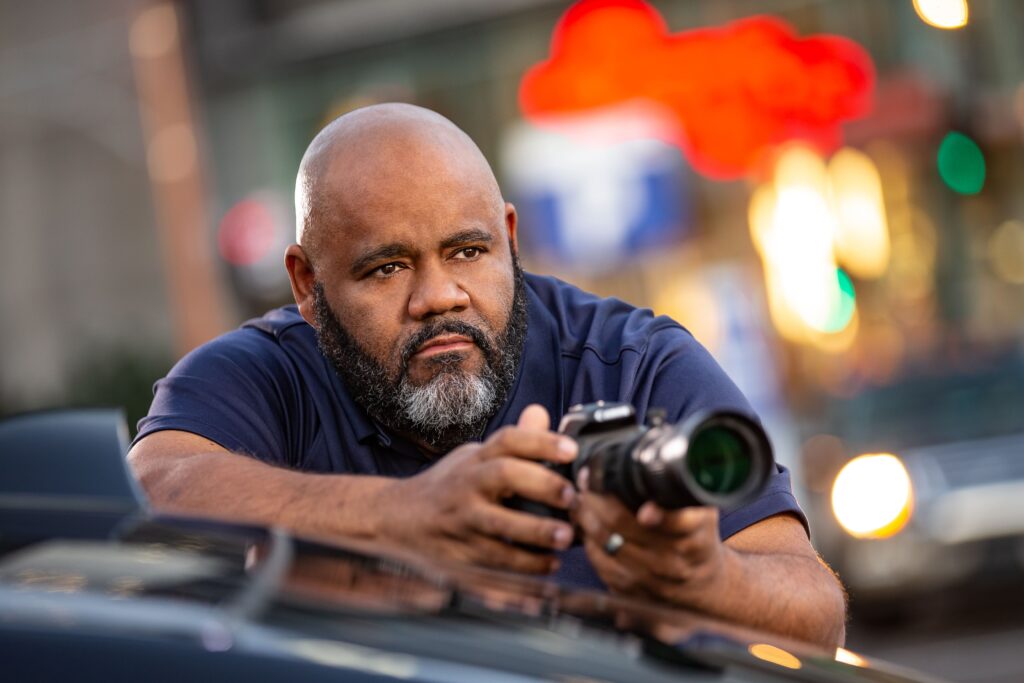
- Surveillance Techniques: Mastering the art of discreet observation, whether on foot or by vehicle, is crucial for gathering evidence without alerting the subject. This involves patience, strategic planning, and the use of appropriate technology.
Personal Qualities

- Discretion and Confidentiality: Trust is the bedrock of the private investigation profession. Clients entrust PIs with sensitive and often personal information, demanding the highest levels of confidentiality.
- Integrity and Ethics: Operating with unwavering integrity and adhering to a strict ethical code is non-negotiable. This includes respecting privacy laws and maintaining professional conduct at all times.
- Patience and Persistence: Investigations can be long, arduous, and frustrating. The ability to remain patient and persistent, even when faced with dead ends, is key to achieving results.
- Adaptability and Resourcefulness: Every case is unique, and investigators must be able to adapt their strategies and resources to the specific demands of each situation. This might involve creative problem-solving and thinking outside the box.
- Communication Skills: Clear, concise, and professional written and verbal communication is vital for client reporting, courtroom testimony, and liaising with law enforcement or other professionals.
Navigating the Florida Legal Landscape
Operating as a private detective in Florida requires a deep understanding of state laws and regulations governing investigations, privacy, and evidence. Ignorance of these laws can lead to legal repercussions and compromise the integrity of your findings.
Key Legal Considerations
- Privacy Laws: Florida has specific laws protecting individual privacy. Investigators must be aware of what constitutes legal surveillance, lawful access to public records, and the boundaries of trespassing.
- Evidence Collection and Preservation: Understanding the rules of evidence is crucial. Improperly obtained evidence can be inadmissible in court, rendering your hard work useless. This includes proper chain of custody procedures.
- Licensing and Permits: Beyond the PI license, certain specialized activities may require additional permits or licenses, such as carrying a firearm (which requires a separate Class G license for armed PIs) or engaging in specific types of investigations.
- Reporting Requirements: For certain types of cases, there may be specific reporting requirements to law enforcement or other agencies.
Working with Law Enforcement
Building and maintaining a professional relationship with local law enforcement agencies can be invaluable. While PIs and police operate independently, there are often opportunities for collaboration, information sharing (where legally permissible), and mutual respect. Understanding police procedures and protocols can also enhance your effectiveness.
Establishing Your Private Detective Business in Florida
Once licensed, you have the option to work for an established agency or to launch your own private investigation firm. Starting your own business offers greater autonomy and the potential for higher rewards, but it also comes with significant responsibilities.
Business Operations and Management
- Business Structure: Decide on your business structure (sole proprietorship, LLC, etc.) and register your business with the state of Florida.
- Insurance: Obtain adequate professional liability insurance (Errors & Omissions) to protect yourself and your business from potential lawsuits.
- Office Space: Determine whether you need a physical office or if a home-based operation is sufficient. If you opt for a dedicated office, consider its location and accessibility, perhaps in a professional business park or a discreet downtown setting.
- Technology and Equipment: Invest in essential equipment such as surveillance cameras, recording devices, GPS trackers (used legally), secure communication tools, and reliable vehicles. Staying abreast of technological advancements is vital.
- Marketing and Client Acquisition: Develop a marketing strategy to attract clients. This might include building a professional website, networking with attorneys, insurance companies, and corporate clients, and establishing a reputation for discretion and results. Consider the diverse economic hubs of Florida, from the bustling financial districts of Miami to the growing tech sectors in cities like Orlando.
- Record Keeping: Maintain meticulous records of all cases, client communications, expenses, and evidence. This is essential for financial accounting, legal defense, and future reference.
Specializing Your Services
To stand out in a competitive market, consider specializing in niche areas. Florida’s unique environment offers opportunities for specialization:
- Insurance Fraud Investigations: With a robust insurance industry, investigating suspicious claims for accidents, property damage, or workers’ compensation is a significant area.
- Infidelity Investigations: A common demand for private investigators, requiring discretion and skill in discreet surveillance and evidence gathering.
- Missing Persons and Skip Tracing: Locating individuals who have disappeared or are evading legal obligations. This often requires extensive database searches and field work across Florida’s varied landscapes, from the urban sprawl of Tampa to the more rural areas.
- Corporate Investigations: This can include background checks for new hires, due diligence for mergers and acquisitions, executive investigations, and internal theft investigations.
- Background Checks: Providing comprehensive background reports for individuals and businesses.
- Asset Searches: Locating hidden assets for divorce proceedings, debt collection, or legal judgments.
Becoming a private detective in Florida is a demanding yet rewarding career. It requires a commitment to lifelong learning, adherence to the highest ethical standards, and the cultivation of a diverse skill set. By understanding the requirements, honing your abilities, and navigating the legal framework, you can build a successful and impactful career in this fascinating profession within the Sunshine State.
LifeOutOfTheBox is a participant in the Amazon Services LLC Associates Program, an affiliate advertising program designed to provide a means for sites to earn advertising fees by advertising and linking to Amazon.com. Amazon, the Amazon logo, AmazonSupply, and the AmazonSupply logo are trademarks of Amazon.com, Inc. or its affiliates. As an Amazon Associate we earn affiliate commissions from qualifying purchases.