
When planning a trip to the vibrant state of Florida, understanding potential legal entanglements is crucial, especially if you’ve had prior interactions with the law. While the allure of Miami beaches, the magic of Orlando theme parks, or the historical charm of St. Augustine beckons, ensuring a seamless travel experience means being proactive about your legal standing. This guide focuses on how to check for warrants in Florida, a vital step for travelers who want to avoid unexpected complications during their visit.
Understanding Warrants in Florida
A warrant is a legal document issued by a judge or magistrate, authorizing law enforcement officers to take a specific action, such as arresting an individual or searching a property. In Florida, an active warrant means that law enforcement agencies are actively seeking to apprehend the person named in the warrant. This can significantly impact your travel plans, as an encounter with law enforcement, even for a minor infraction, could lead to your detention if an active warrant is discovered.
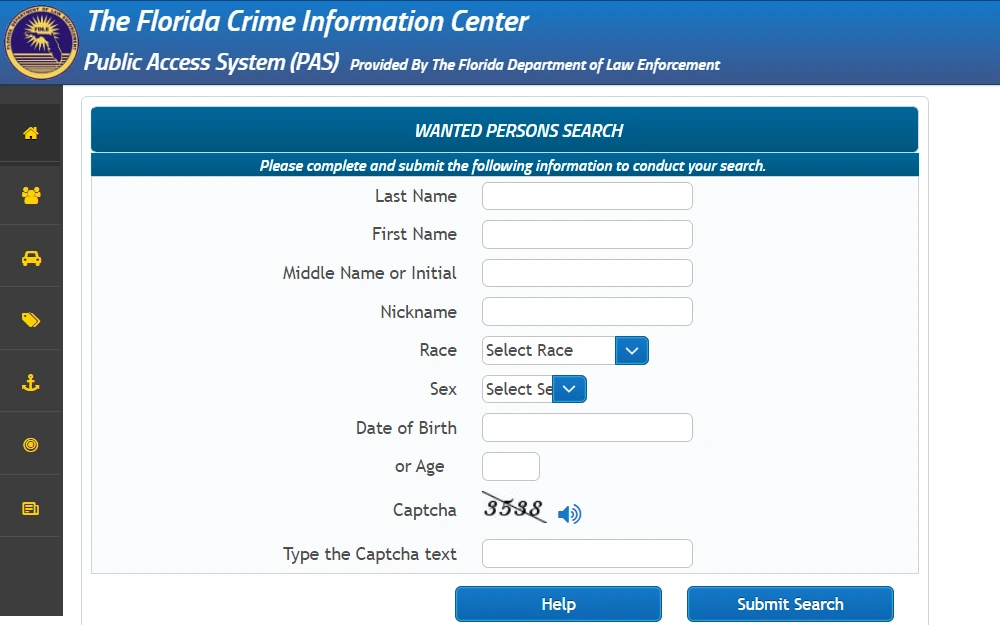
Types of Warrants in Florida
- Arrest Warrants: These are the most common type of warrant encountered by individuals. An arrest warrant is issued when probable cause exists to believe that a crime has been committed and that the person named in the warrant committed it. If you have an active arrest warrant in Florida, you can be arrested at any time, including during travel, at an airport, or during a routine traffic stop.
- Bench Warrants: These are issued by a judge when a person fails to appear in court as required. This can happen for various reasons, such as missing a court date for a traffic ticket, a misdemeanor, or a felony. A bench warrant is essentially an order for your arrest to bring you before the court.
- Search Warrants: While less likely to directly impact an individual’s travel plans unless they are the subject of the search, search warrants authorize law enforcement to search a specific location for evidence of a crime.
Why Checking for Warrants is Important for Travelers
For visitors or even residents of Florida, the potential consequences of having an active warrant can range from significant inconvenience to serious legal trouble. Imagine arriving at Orlando International Airport for your vacation to Walt Disney World and being detained due to an outstanding warrant from years ago. The implications can include:
- Detention and Arrest: Being apprehended by law enforcement, even for a minor issue, can lead to immediate arrest and processing.
- Travel Delays and Cancellations: An arrest can lead to missed flights, canceled reservations at hotels like the Four Seasons Resort Orlando at Walt Disney World Resort, and ruined vacation plans.
- Court Appearances: You would be required to appear in court, potentially involving significant legal fees and time away from your intended activities.
- Impact on Future Travel: Depending on the nature of the warrant and its resolution, it could affect your ability to travel internationally in the future.
Methods for Checking Florida Warrants
Fortunately, Florida provides several avenues for individuals to proactively check for outstanding warrants. These methods vary in accessibility and the detail of information provided.
Official Government Websites
The most reliable and often free method is to utilize official government resources. Many counties and state agencies in Florida offer online warrant search tools.
County Sheriff’s Office Websites
Each county in Florida is typically served by a Sheriff’s Office, and many of these offices maintain online databases of active warrants within their jurisdiction.
-
How to Use:
- Identify the county where you believe a warrant might exist. This could be a county where you previously lived, had a legal issue, or were cited.
- Navigate to the official website of that county’s Sheriff’s Office.
- Look for a section labeled “Warrant Search,” “Online Services,” or “Most Wanted.”
- Enter your full name and date of birth. Some databases may also allow searches by case number or other identifying information.
- Review the results. If a warrant is found, it will typically display your name, the nature of the warrant, and the issuing court.
-
Limitations:
- Not all counties have comprehensive online databases.
- Information may not be updated in real-time.
- These searches are usually limited to active warrants within that specific county.
Florida Department of Law Enforcement (FDLE)
The Florida Department of Law Enforcement (FDLE) maintains a statewide criminal history repository. While the FDLE does not directly provide a public warrant search tool, your criminal history record, which can be obtained through the FDLE, may indicate outstanding warrants.
- How to Obtain a Criminal History Record: You can request a criminal history record check from the FDLE. This typically involves a fee and a formal request process. A criminal history record may list any arrests and convictions, and often, outstanding warrants will be reflected here.
Court Clerk Websites
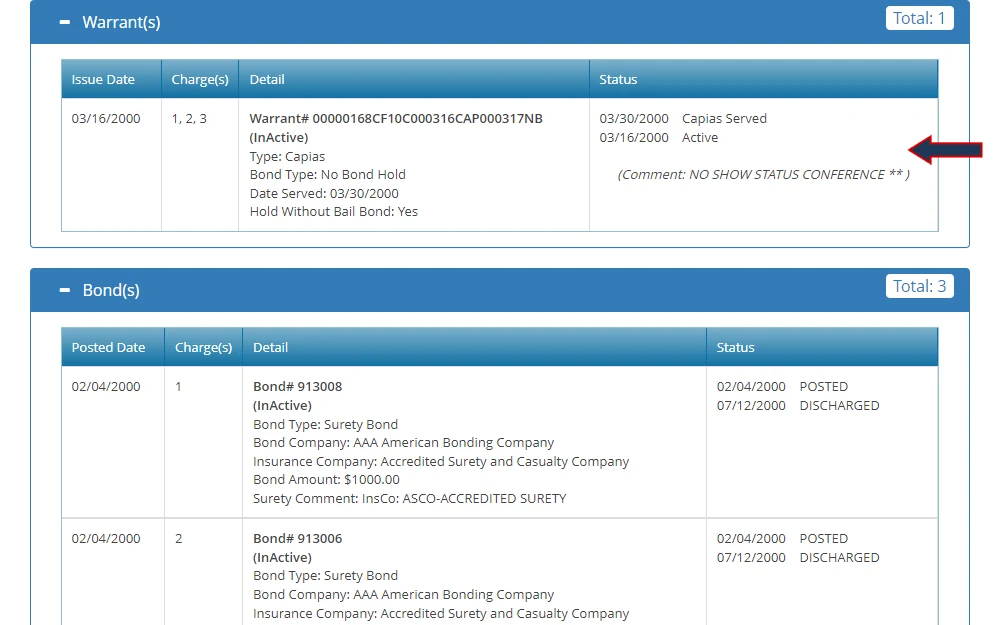
The Clerk of Courts in each county is responsible for maintaining court records. Many Clerks of Court offer online access to public court dockets, which can reveal active warrants.
-
How to Use:
- Determine the county where the legal matter originated.
- Visit the Clerk of Courts website for that county.
- Search for their public records portal or case search tool.
- Enter your name or other identifying information to search for court cases. Active warrants are often associated with ongoing or unresolved court cases.
-
Benefits: This method can provide more detailed information about the underlying court case associated with the warrant, including dates and charges.
Third-Party Online Public Record Databases
Numerous private companies aggregate public records from various government sources. These services can sometimes provide a consolidated view of potential warrants.
-
How to Use:
- Search online for “Florida warrant search” or “public record search [Your Name].”
- Enter your personal information into the chosen service.
- Review the generated report.
-
Caveats:
- Accuracy and Timeliness: Information from third-party sites may not always be current or complete. They rely on public data, which can have delays in updates.
- Fees: Many of these services charge a fee, sometimes a recurring subscription, for access to detailed reports.
- Privacy Concerns: Be cautious about the information you share with third-party websites and ensure they are reputable.
What to Do If You Find an Active Warrant
Discovering an active warrant can be stressful, but it’s essential to address it promptly and strategically. Ignoring an active warrant will not make it disappear and will only exacerbate potential problems, especially when planning travel to or within Florida.
Consult with an Attorney
This is arguably the most critical step. A qualified criminal defense attorney in Florida can provide invaluable guidance and representation.
- Benefits of Legal Counsel:
- Understanding the Warrant: An attorney can help you understand the specific charges and the severity of the warrant.
- Negotiating a Resolution: They can often negotiate with the prosecutor or the court to resolve the warrant, potentially through a voluntary surrender with a pre-arranged bond or release.
- Minimizing Disruption: An attorney can often facilitate the process of resolving the warrant with minimal disruption to your personal life or travel plans. They can arrange for you to turn yourself in at a convenient time and potentially be released shortly thereafter.
- Court Representation: If a court appearance is necessary, your attorney will represent you, ensuring your rights are protected.
Voluntary Surrender
If you have an active warrant, voluntarily surrendering to law enforcement is generally advisable. This demonstrates good faith and can lead to a smoother process compared to being arrested unexpectedly.
- Process:
- Contact an Attorney: As mentioned, work with your attorney to coordinate the surrender.
- Choose a Location: This is typically the county jail where the warrant was issued.
- The Surrender: You will be booked, fingerprinted, and processed. Depending on the nature of the warrant and prior arrangements, you may be able to post bond and be released relatively quickly.
Addressing the Underlying Issue
Remember that a warrant is usually a consequence of an underlying legal issue. Whether it’s a missed court date, an unpaid fine, or an unresolved criminal charge, addressing the root cause is essential for permanently clearing your name. This might involve paying fines, completing community service, or attending court hearings.
Practical Tips for Travelers to Florida
For those planning a trip to the Sunshine State, being aware of potential legal issues and how to check for them can prevent significant disruptions.
Pre-Trip Due Diligence
Before booking flights to cities like Tampa or making reservations at a beachfront resort in Clearwater, consider performing a preliminary warrant check, especially if you have any past legal encounters in Florida.
During Your Visit
- Carry Identification: Always have a valid, government-issued photo ID with you.
- Obey Traffic Laws: Even minor traffic violations can trigger a check for outstanding warrants. Drive carefully and adhere to all posted speed limits and traffic signals.
- Be Polite and Respectful: If you are stopped by law enforcement for any reason, remain calm, polite, and cooperative.
- Avoid Illegal Activities: This might seem obvious, but engaging in any illegal activity, no matter how minor, increases your risk of encountering law enforcement and potentially discovering an active warrant.

What If a Warrant is Discovered During Travel?
If you are detained or informed about an active warrant while in Florida for travel:
- Remain Calm and Do Not Resist: Cooperate with law enforcement.
- Request to Speak with an Attorney: Do not answer detailed questions about your case until you have spoken with legal counsel.
- Contact Your Attorney: If you have a Florida attorney, contact them immediately. If you don’t, ask to contact a local public defender or an attorney specializing in criminal defense.
- Follow Legal Advice: Adhere strictly to the guidance provided by your attorney.
By understanding the process of checking for warrants in Florida and taking proactive steps, travelers can significantly reduce the risk of unexpected legal complications, ensuring their vacation to attractions like the Everglades National Park or the vibrant nightlife of Key West remains enjoyable and stress-free.
LifeOutOfTheBox is a participant in the Amazon Services LLC Associates Program, an affiliate advertising program designed to provide a means for sites to earn advertising fees by advertising and linking to Amazon.com. Amazon, the Amazon logo, AmazonSupply, and the AmazonSupply logo are trademarks of Amazon.com, Inc. or its affiliates. As an Amazon Associate we earn affiliate commissions from qualifying purchases.