
Navigating the correctional system to locate an individual can be a complex and often emotionally charged undertaking. Whether you are a family member seeking to reconnect, a legal professional preparing a case, or a concerned friend, knowing how to efficiently and accurately find an inmate in Florida is paramount. This guide aims to demystify the process, providing a comprehensive overview of the resources and steps involved in locating an incarcerated individual within the Sunshine State. Understanding the various jurisdictions and the specific information required will significantly streamline your search, ensuring you can access the necessary details with as little friction as possible.
Understanding Florida’s Correctional Facilities and Jurisdictions
Before embarking on your search, it is crucial to understand that inmates in Florida can be held in facilities managed by different entities. The primary entities are the Florida Department of Corrections (FDC) for state-level offenses, and county sheriff’s offices for individuals awaiting trial or serving shorter sentences for local misdemeanors. Federal inmates, while less common in state-level searches, are housed in federal correctional institutions.
Florida Department of Corrections (FDC)
The Florida Department of Corrections oversees the vast majority of adult state prisons for individuals convicted of felonies. These facilities house a significant portion of the state’s incarcerated population. When searching for an inmate believed to be under FDC jurisdiction, the department’s official website is your most critical resource.
County Jails and Sheriff’s Offices
Each of Florida’s 67 counties operates its own jail system, typically managed by the county sheriff. These jails primarily hold individuals who are:
- Awaiting trial or sentencing: These individuals have not yet been convicted of a crime or are awaiting legal proceedings.
- Serving misdemeanor sentences: These are generally shorter jail terms for less serious offenses.
- In transit: Sometimes, inmates may be temporarily held in a county jail before being transferred to an FDC facility.
Locating an inmate in a county jail requires direct engagement with the specific county sheriff’s office. This often involves visiting their website or contacting their detention services division.
Federal Bureau of Prisons (BOP)
While the FDC and county jails handle the bulk of inmate populations, a smaller number of individuals in Florida may be held in federal correctional institutions. These are typically for offenses that fall under federal law. The Federal Bureau of Prisons (BOP) maintains a separate inmate locator tool for federal facilities.
Key Information Needed for a Successful Search
To maximize your chances of a swift and successful search, gathering specific information about the inmate is essential. The more details you can provide, the more accurately and efficiently you can pinpoint their location.
Essential Identifying Details
The most crucial piece of information is the inmate’s full legal name. It is vital to use their complete name, including middle names or initials, as variations can lead to incorrect or no results.
Other highly beneficial details include:
- Date of Birth: This helps distinguish between individuals with similar names.
- Inmate Number/Booking Number: If you have this number, it is the fastest way to locate an inmate, particularly within the FDC system. This number is unique to the inmate within a specific correctional system.
- Race and Sex: While not always mandatory, these can be helpful in narrowing down search results, especially if names are common.
Secondary Information for Refinement
If the primary identifiers do not yield immediate results, or if you are uncertain about some details, the following information can aid in your search:
- Last Known Address: This can provide clues about the county where they might be incarcerated, especially for local offenses.
- Arresting Agency: Knowing which law enforcement agency arrested them might indicate the county jail where they were initially booked.
- Date of Arrest or Incarceration: This can help narrow down searches within specific timeframes if the inmate number is unknown.
Utilizing Online Inmate Locators
The most efficient method for finding an inmate in Florida is by using the publicly accessible online inmate locator tools provided by the relevant correctional agencies.
The Florida Department of Corrections Inmate Search
The Florida Department of Corrections offers a robust online inmate search tool on its official website. This is the primary resource for finding individuals convicted of state-level felonies and housed in FDC facilities.
Steps to use the FDC Inmate Search:
- Navigate to the Official FDC Website: Access the Florida Department of Corrections’ official website.
- Locate the Inmate Search Tool: Look for a section labeled “Inmate Search,” “Offender Search,” or “Find an Inmate.”
- Enter Inmate Information: Input the inmate’s last name. You can also enter their first name and/or inmate number for a more precise search.
- Review Search Results: The system will display a list of inmates matching your criteria. Each result typically includes the inmate’s full name, inmate number, facility of confinement, and booking information.
- Access Inmate Details: Clicking on an inmate’s name will usually provide more detailed information, such as their physical description, charges, sentence information, and projected release date.
It is important to note that the FDC database is updated regularly, but there might be a slight delay in information appearing for newly incarcerated individuals.

County Sheriff’s Office Inmate Rosters
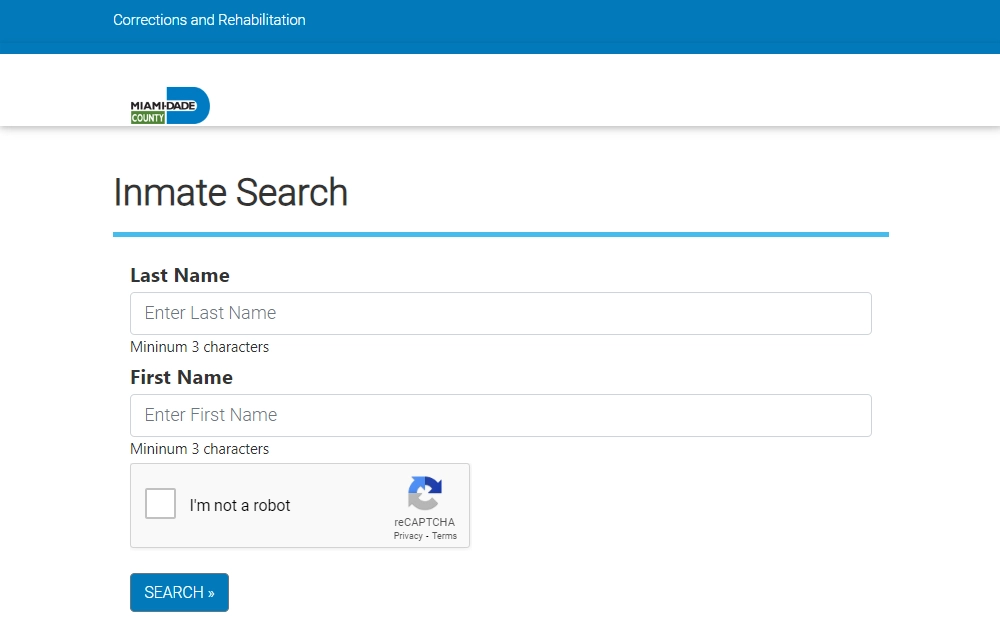
Each of Florida’s 67 county sheriff’s offices maintains its own inmate roster, often accessible through their respective websites. This is essential for locating individuals held in county jails.
How to search county jails:
- Identify the County: Determine which county the inmate is likely to be held in. This is usually the county where the crime occurred or where they were arrested.
- Visit the County Sheriff’s Office Website: Search online for “[County Name] Sheriff’s Office Florida.”
- Find the Inmate Search/Roster: Look for a section on their website dedicated to “Inmate Search,” “Jail Roster,” “Arrest Information,” or “Detention Center.”
- Enter Search Criteria: Most county sites will allow searching by last name. Some may offer advanced search options with first names or booking dates.
- Review and Identify: The results will list individuals currently in that county’s custody. Information provided may vary by county but often includes name, booking date, charges, and mugshot.
If a specific county’s website does not have an online roster, you will need to contact their detention center directly by phone. Contact information is usually available on the sheriff’s office website.
Federal Bureau of Prisons (BOP) Inmate Locator
For individuals incarcerated in federal prisons, the Federal Bureau of Prisons provides an online inmate locator.
Steps for using the BOP Inmate Locator:
- Go to the BOP Website: Visit the official Federal Bureau of Prisons website.
- Select “Inmate Locator”: Find and click on the “Inmate Locator” link.
- Enter Inmate Information: You can search by last name, first name, race, sex, and age. The inmate’s BOP Register Number or FBI Number is the most effective identifier if you have it.
- Submit and Review: The system will display matching inmates. Clicking on a name provides details about their location, release date, and other pertinent information.
When Online Searches Are Insufficient: Alternative Methods
While online tools are the most convenient and efficient, there may be instances where they do not yield the desired results, or you require more direct assistance.
Direct Contact with Facilities
If you have a strong suspicion about the specific facility where an inmate is located but cannot find them online, direct contact is the next step.
- Phone Calls: For county jails, calling the detention center directly is often necessary. For FDC facilities, while they may not provide inmate information over the phone due to privacy policies, they can sometimes guide you on how to proceed or confirm if an individual is not in their system.
- In-Person Visits: In some cases, visiting the sheriff’s office or the correctional facility’s administration office might be an option. However, be aware that access to information and personnel may be restricted.
Third-Party Inmate Locators and Services
A multitude of private websites and services claim to offer inmate locator services. While some may aggregate public information from official sources, it is crucial to exercise caution.
- Accuracy and Fees: These services may not always be up-to-date or accurate, and they often charge fees for their services, which are not always disclosed upfront.
- Privacy Concerns: Be mindful of the information you share with third-party sites.
- Recommendation: It is always best to rely on the official websites of the Florida Department of Corrections and individual county sheriff’s offices as your primary and most reliable sources.
Legal and Professional Assistance
If you are involved in legal proceedings or require assistance with a complex inmate search, consulting with an attorney or a legal investigator is advisable. They have the expertise and resources to navigate the correctional system and obtain information that might not be readily available to the public.
Understanding Inmate Information and Communication
Once you have successfully located an inmate, you may want to know how to communicate with them or send them necessary items. It is crucial to understand the specific rules and regulations of each facility, as they can vary significantly.
Communication Channels
- Phone Calls: Inmates can typically make outgoing collect calls. You may need to set up an account with a third-party phone service provider approved by the facility.
- Mail: Written correspondence is usually permitted. Ensure you adhere to the facility’s specific mailing address format and any restrictions on content or types of mail (e.g., no staples, no glitter, no Polaroid photos).
- Visitation: Visiting an inmate requires pre-approval and adherence to strict scheduling and conduct policies. You will likely need to be on an inmate’s approved visitor list. Contact the facility directly for visitation application procedures and schedules.
Sending Funds and Property
Most correctional facilities allow inmates to receive money, which can be used for commissary purchases (e.g., snacks, hygiene items, stationery). Funds can typically be sent via:
- Online portals: Many facilities partner with specific vendors for online deposits.
- Mail: Money orders are often accepted via mail.
- In-person deposits: Some facilities allow in-person deposits at designated kiosks or offices.
Sending personal property to inmates is usually highly restricted. Check the facility’s policy regarding approved items and how they can be sent or purchased.

Conclusion: Navigating with Patience and Persistence
Locating an inmate in Florida requires a systematic approach, utilizing the official resources provided by correctional agencies. By understanding the different jurisdictions, gathering essential information, and knowing where to look, you can significantly improve your chances of success. While the process can sometimes be challenging, patience and persistence, combined with accurate information, will guide you through the system. Remember to always verify information directly with the facility or the Florida Department of Corrections for the most up-to-date and accurate details.
LifeOutOfTheBox is a participant in the Amazon Services LLC Associates Program, an affiliate advertising program designed to provide a means for sites to earn advertising fees by advertising and linking to Amazon.com. Amazon, the Amazon logo, AmazonSupply, and the AmazonSupply logo are trademarks of Amazon.com, Inc. or its affiliates. As an Amazon Associate we earn affiliate commissions from qualifying purchases.