
The question of capital punishment in the United States is a complex and often contentious issue, with varying stances and practices across its states. When one considers the vast and diverse landscape of Texas, it’s natural to inquire about its approach to this ultimate legal sanction. Far from being a simple yes or no, the state’s relationship with the death penalty is deeply ingrained in its legal history, its correctional system, and its public discourse. Understanding Texas‘s position requires delving into its legislative framework, its historical application, and the ongoing debates that surround it.
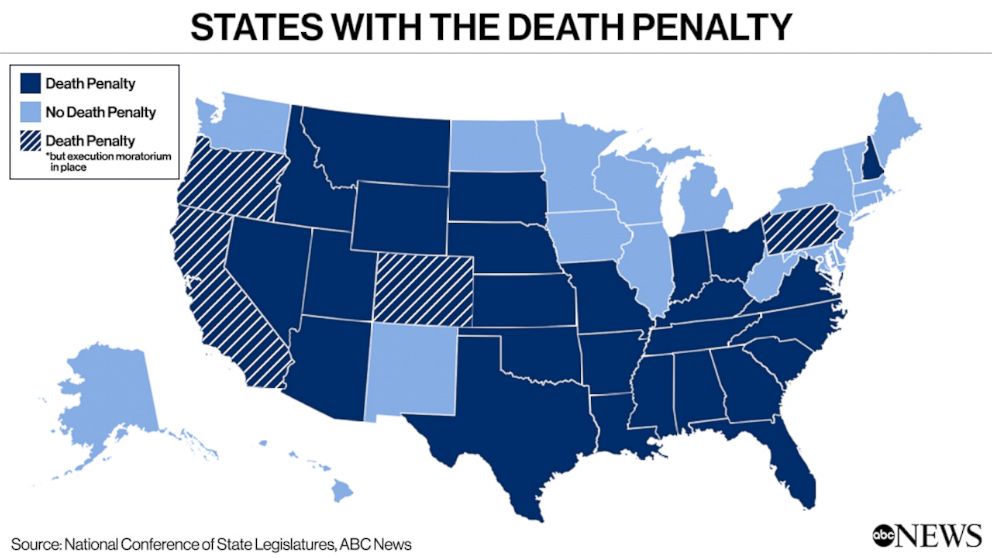
The Legal Framework for Capital Punishment in Texas
In Texas, the death penalty is not merely an abstract concept; it is a codified legal process authorized by state statutes. The framework for capital offenses and their subsequent sentencing is outlined in the Texas Penal Code. For a crime to be considered a capital felony, it must meet specific criteria, typically involving the murder of a victim under particularly egregious circumstances. These can include the murder of a police officer, murder during the commission of another felony like robbery or sexual assault, murder for hire, or multiple murders.
Legislative Authorization and Judicial Process
The authority for the death penalty in Texas originates from the state legislature, which has enacted laws defining capital offenses and the procedures for seeking and imposing a death sentence. Once an individual is convicted of a capital felony, the case moves into a distinct sentencing phase, often referred to as the “death penalty trial” or “punishment phase.” During this phase, the jury is tasked with considering aggravating and mitigating circumstances.
Aggravating factors are those that make the crime particularly heinous or that point to a heightened future danger posed by the defendant. These can include the defendant’s prior criminal history, the cruelty of the crime, or the vulnerability of the victim. Mitigating factors, on the other hand, are circumstances that might lessen the defendant’s culpability or suggest a reduced likelihood of future dangerousness. These can range from a history of abuse or mental illness to evidence of remorse or rehabilitation potential.
The jury must then answer specific questions posed by the court, often revolving around the likelihood of future dangerousness and whether the criminal conduct was particularly “deliberate” or “outrageous.” If the jury unanimously answers the relevant questions in the affirmative, a death sentence is typically imposed. The judge then formally pronounces the sentence.
Appeals and Reviews
The legal process does not end with the sentencing. Death penalty cases in Texas, like those in other states with capital punishment, are subject to extensive and multi-layered appeals. These appeals are designed to ensure that the defendant received a fair trial and that all legal procedures were followed correctly.
Initial appeals are typically handled by state appellate courts. If the conviction or sentence is upheld at the state level, further appeals can be pursued in federal court. This process can be lengthy, often spanning many years, and involves rigorous examination of evidence, legal arguments, and constitutional issues. The Texas Court of Criminal Appeals is the highest court in Texas for criminal matters, and its decisions on death penalty cases are significant.
Historical Context of the Death Penalty in Texas
Texas has a long and deeply rooted history with capital punishment, predating its statehood and continuing through various eras of its development. The state has consistently ranked among the leaders in the nation for the number of executions carried out. This historical prevalence has led to its reputation as a state with a particularly robust application of the death penalty.
Early Application and Evolution
The practice of capital punishment in Texas can be traced back to its early days, reflecting societal norms and legal traditions of the time. The methods of execution have evolved over the centuries, from hanging to the electric chair, and ultimately to lethal injection, which became the primary method in Texas in the late 20th century.
The implementation of capital punishment has also been influenced by broader legal and social shifts. Landmark U.S. Supreme Court decisions, such as Furman v. Georgia (1972), which temporarily halted executions nationwide, and Gregg v. Georgia (1976), which reinstated capital punishment under revised guidelines, have significantly shaped the legal landscape for death penalty cases in Texas and across the country.
Texas’s Record on Executions
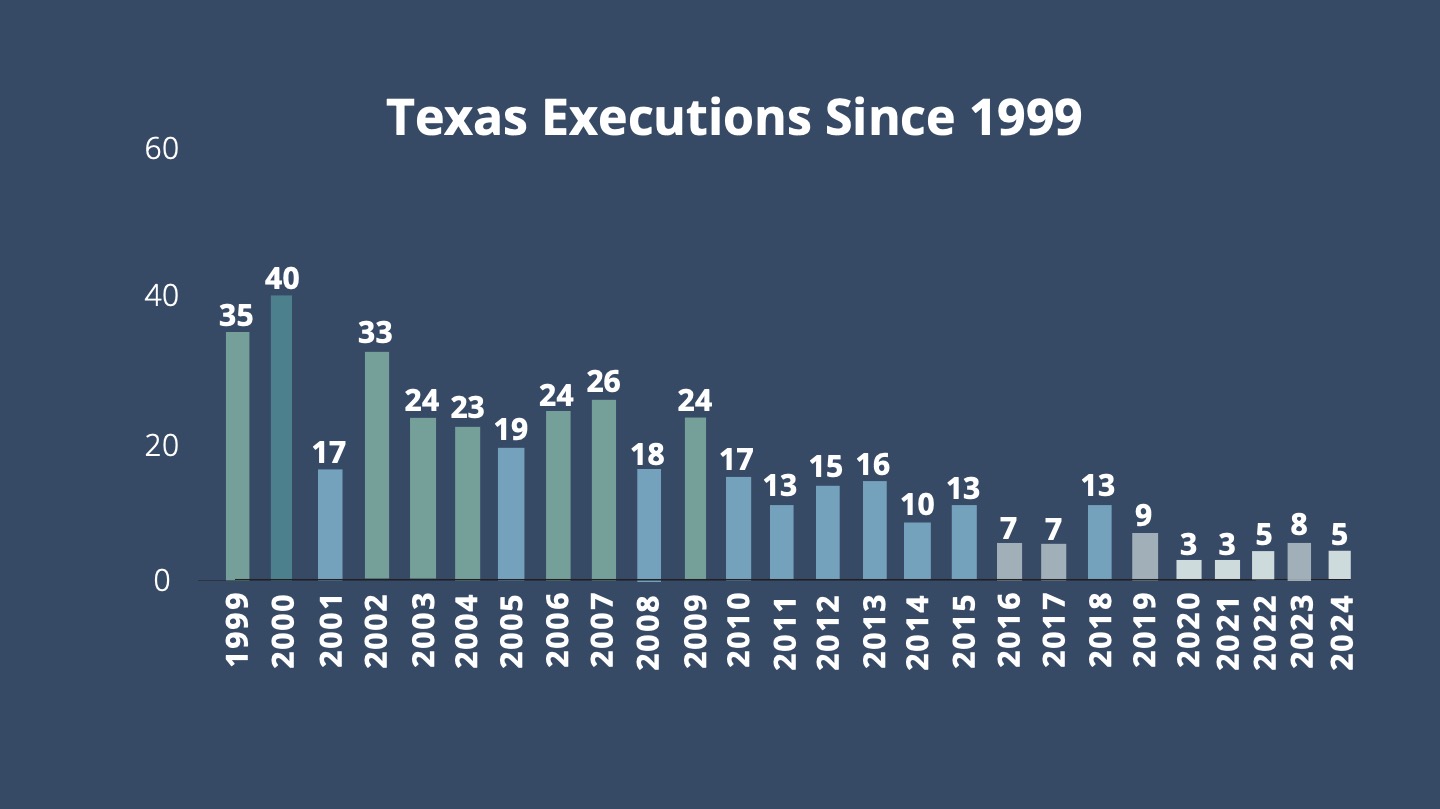
Since the reinstatement of the death penalty in 1976, Texas has led the nation in the number of executions. This has made it a focal point for national and international discussions about capital punishment. The sheer volume of executions carried out in the state underscores its consistent policy of utilizing the death penalty for certain convicted offenders. This has also led to the development of specialized units within the Texas Department of Criminal Justice (TDCJ) dedicated to managing death row inmates and carrying out executions.
Modern Debates and Criticisms
Despite its historical prevalence, the death penalty in Texas is not without its detractors. A variety of groups and individuals raise significant concerns about its fairness, its efficacy, and its moral implications. These debates often center on issues of innocence, racial bias, cost, and the fundamental question of whether the state should have the power to take a human life.
Concerns Regarding Innocence and Bias
One of the most persistent criticisms of the death penalty, in Texas and elsewhere, is the risk of executing an innocent person. While the appeals process is designed to prevent such miscarriages of justice, errors can and do occur in the legal system. The possibility of an irreversible mistake is a central argument for abolitionists. Organizations like the Innocence Project have been instrumental in highlighting cases where individuals sentenced to death have later been exonerated through DNA evidence or other means, raising serious questions about the reliability of capital convictions.
Furthermore, studies and analyses have frequently raised concerns about potential racial bias in the application of the death penalty in Texas. Critics argue that factors such as the race of the victim and the race of the defendant can disproportionately influence whether a death sentence is sought and imposed. This raises questions of equal protection under the law.
The Cost of Capital Punishment
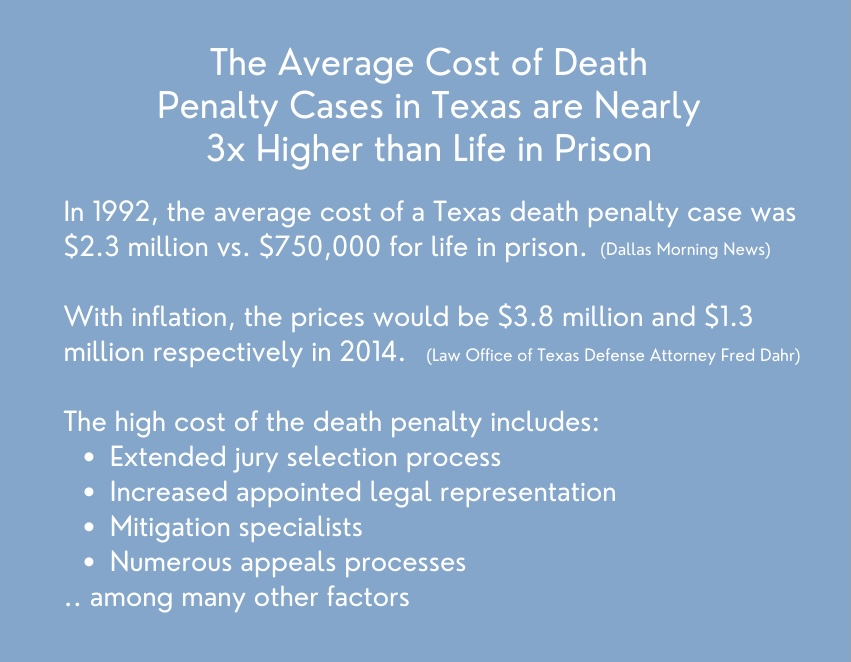
Contrary to a common assumption that the death penalty is more cost-effective than life imprisonment, numerous studies have indicated that capital cases are significantly more expensive. The prolonged appeals process, specialized legal representation, and enhanced security measures associated with death row inmates contribute to a substantial financial burden on taxpayers. This has led to arguments that resources currently allocated to the death penalty could be better used for crime prevention, victim support services, or other areas of the justice system.
Moral and Ethical Considerations
At its core, the debate over the death penalty in Texas involves profound moral and ethical considerations. Opponents often cite religious or philosophical objections to state-sanctioned killing, arguing that it is inherently cruel and unusual punishment. They may advocate for alternative punishments, such as life imprisonment without parole, which they believe adequately protect society without resorting to what they consider to be an archaic and inhumane practice.
Conversely, proponents of capital punishment often argue for its role as a just retribution for the most heinous crimes, a deterrent to potential offenders, and a means of providing closure for victims’ families. They may emphasize the gravity of certain offenses and the belief that the death penalty serves as a necessary consequence.
The Future of the Death Penalty in Texas
The trajectory of the death penalty in Texas remains a subject of ongoing discussion and potential change. While the state has a deeply entrenched history with capital punishment, evolving societal views, legal challenges, and shifting political landscapes could influence its future.
Legislative and Judicial Trends
Legislative sessions in Texas periodically see proposals aimed at reforming or abolishing the death penalty, though these have historically faced significant opposition. Judicial decisions at both the state and federal levels can also impact the application of capital punishment, particularly concerning issues of constitutionality, fairness, and the standards for imposing a death sentence.
The Texas Legislature has the power to alter the laws governing capital offenses and the death penalty process. Any significant movement toward abolition or substantial reform would likely require legislative action. Simultaneously, ongoing legal challenges to the death penalty system, often focusing on the fairness of trials or the methods of execution, continue to shape its implementation.
Public Opinion and Advocacy
Public opinion in Texas regarding the death penalty is varied, and polls often reflect a complex set of views. Advocacy groups on both sides of the issue remain active, working to influence public discourse and policy. Death penalty abolitionist organizations continue to campaign for reform and eventual abolition, while organizations supporting capital punishment advocate for its continued use. The intensity of these advocacy efforts plays a role in the ongoing public and political conversation.
Ultimately, whether Texas continues to utilize the death penalty in its current form, or whether changes are on the horizon, will depend on a confluence of legislative action, judicial precedent, and the evolving conscience of the state and its citizens. The question of whether Texas uses the death penalty is not static but rather a dynamic aspect of the state’s legal and social fabric.
LifeOutOfTheBox is a participant in the Amazon Services LLC Associates Program, an affiliate advertising program designed to provide a means for sites to earn advertising fees by advertising and linking to Amazon.com. Amazon, the Amazon logo, AmazonSupply, and the AmazonSupply logo are trademarks of Amazon.com, Inc. or its affiliates. As an Amazon Associate we earn affiliate commissions from qualifying purchases.