
Navigating the process of obtaining a General Contractor (GC) license in Florida can seem daunting, but with a clear understanding of the requirements and steps involved, it becomes a manageable and rewarding endeavor. This guide aims to demystify the process, offering a comprehensive roadmap for aspiring general contractors looking to establish their businesses legally and successfully within the Sunshine State. From understanding the different types of licenses to preparing for the exams and submitting your application, we will cover all essential aspects.
Understanding GC License Requirements in Florida
Florida distinguishes between two primary types of contractor licenses: the Certified Contractor license and the Registered Contractor license. The choice between these two often depends on the scope and location of the projects you intend to undertake.
Certified Contractor License
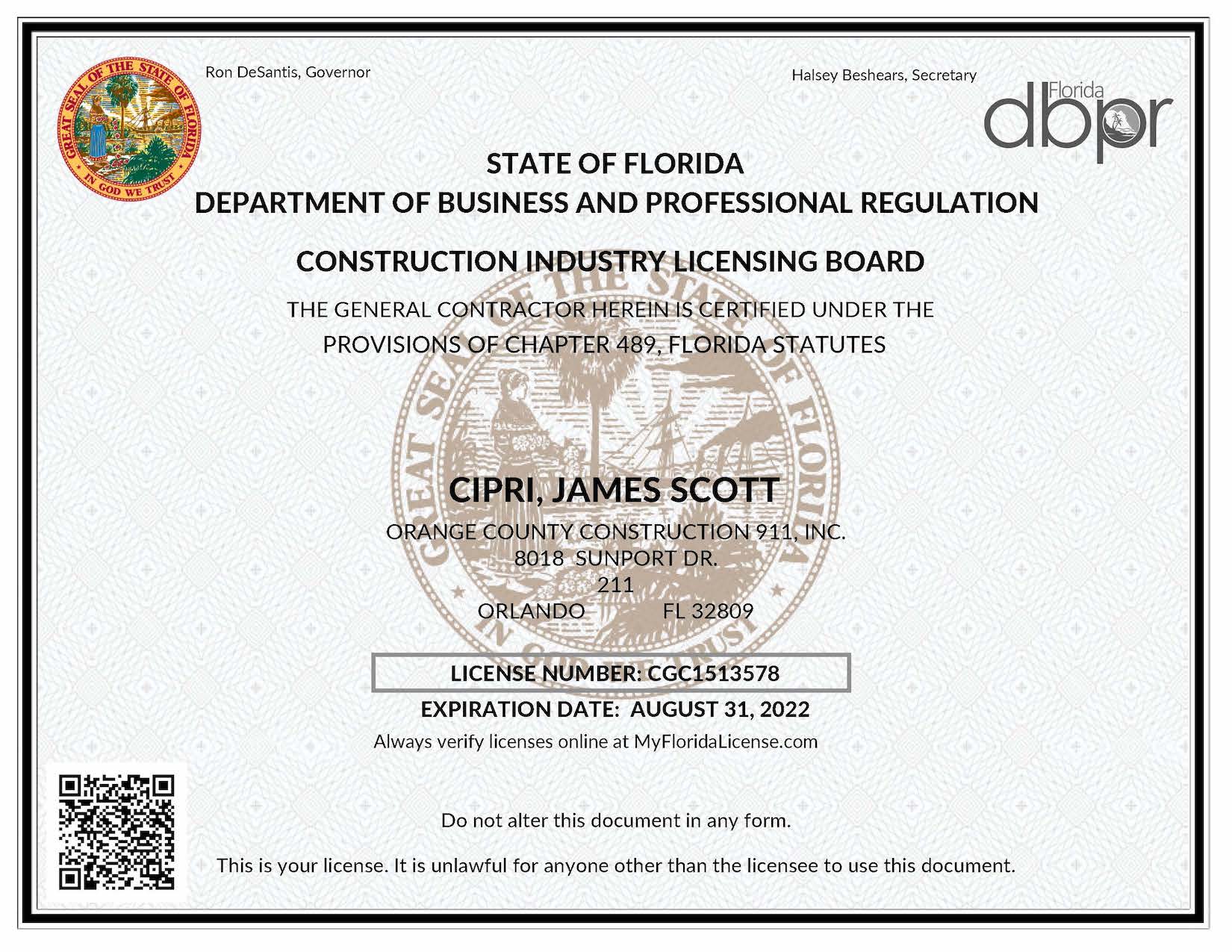
A Certified Contractor license signifies that you have met the state’s stringent requirements and are qualified to perform contracting work anywhere in Florida. This is the higher level of licensure and generally indicates a higher degree of expertise and financial responsibility. Certified licenses are typically for individuals who want to operate a contracting business across multiple counties or the entire state without needing local registration in each jurisdiction. This type of license requires passing a statewide examination that covers both technical knowledge and business management aspects of contracting.
Registered Contractor License
A Registered Contractor license, on the other hand, is granted by local building departments. While you may pass a statewide competency exam, you will still need to register with the local authorities in each county or municipality where you plan to perform contracting work. This means that if you are registered in Miami-Dade County, you may still need to register separately in Broward County if you wish to work there. This license is often more accessible for individuals who plan to focus their business within a specific geographic area.
Scope of Work
It is crucial to identify the specific type of contracting work you will be performing, as Florida issues licenses for various specialties. The most common is the General Contractor (GC) license, which allows you to oversee and manage an entire construction project. However, there are also licenses for specialties such as Residential Contractor, Building Contractor, Roofing Contractor, and more. The General Contractor license generally encompasses the ability to perform work that a Building Contractor can do, but with additional scope.
- General Contractor (GC): This license permits you to contract for any construction project that involves the building of structures or improvements where the total project costs are not limited. This includes commercial buildings, residential homes, and any other structures.
- Building Contractor (BC): This license allows you to contract for the construction or improvement of any structure, other than a single-family residence, that is intended for commercial or residential occupancy by a specific number of people. The total project cost cannot exceed a certain threshold.
- Residential Contractor (RC): This license is specifically for the construction or improvement of single-family residences and townhouses not exceeding three stories in height.
It is essential to choose the license type that best aligns with your intended business operations.
Eligibility Criteria and Application Process
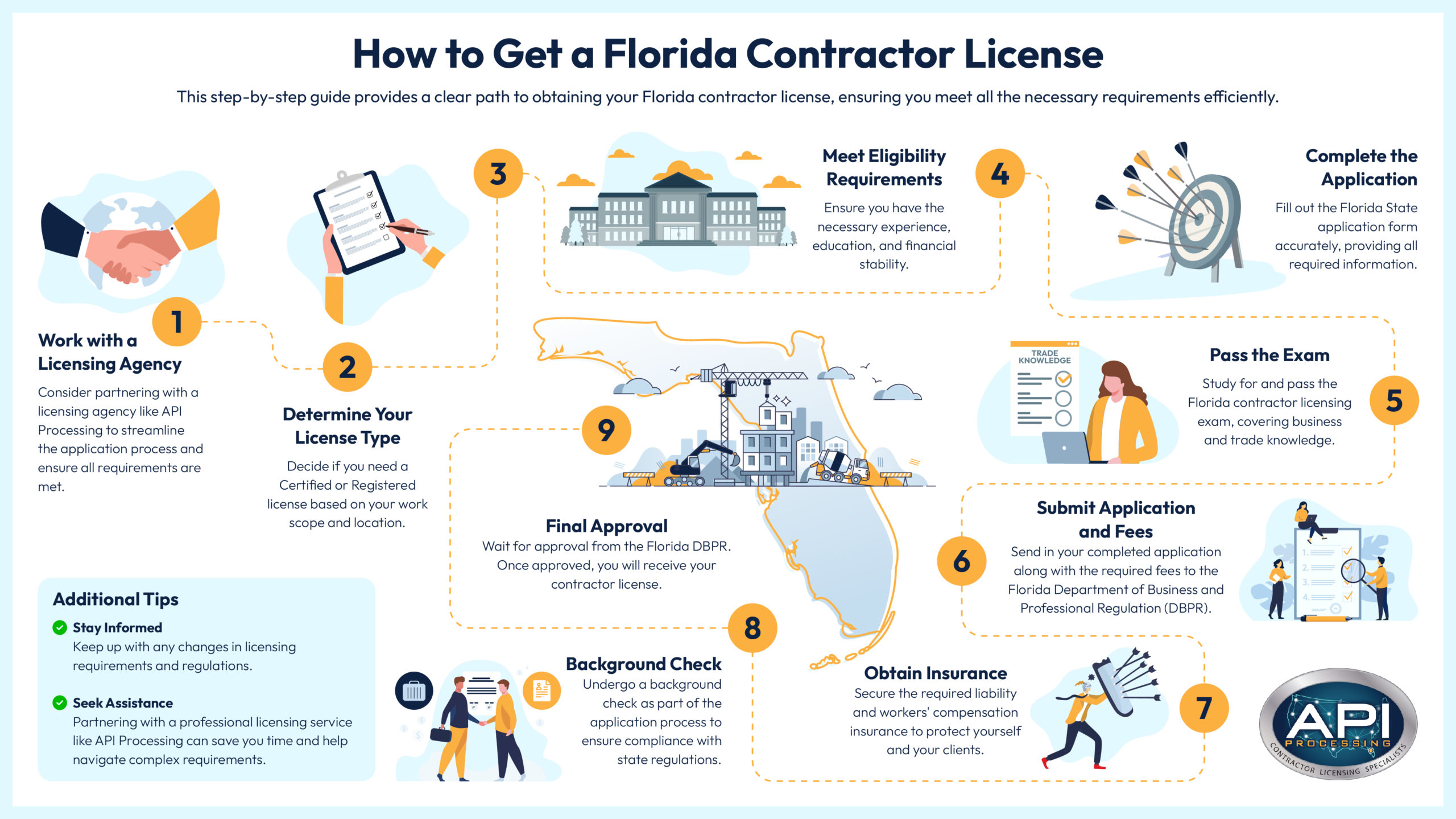
To be eligible for a GC license in Florida, applicants must meet specific criteria related to experience, financial stability, and moral character. The application process involves several key stages, from gathering documentation to passing examinations.
Experience Requirements
Florida requires a minimum amount of relevant experience in the construction industry. Typically, applicants need to demonstrate at least four years of experience working under a certified or registered contractor, or as a contractor in responsible charge of a project, within the last five years. This experience must be verifiable through references and documentation. The experience can be a combination of practical, hands-on work and management roles.
Financial Responsibility
Applicants must prove their financial stability to ensure they can undertake projects responsibly and meet their financial obligations. This often involves submitting a financial statement prepared by a Certified Public Accountant (CPA) or an accountant. The statement will assess your net worth and liquidity. The specific requirements for financial responsibility can vary based on the type of license and the value of projects you intend to undertake.
Background Check and Moral Character
As part of the application process, you will likely undergo a background check. Florida wants to ensure that licensed contractors are of good moral character. This means that certain criminal convictions may impact your ability to obtain a license. Honesty and transparency in your application are paramount.
Application Submission
Once you have gathered all the necessary documentation, including proof of experience, financial statements, and any required background check information, you can submit your application to the Florida Department of Business and Professional Regulation (DBPR). The application form is extensive and requires careful attention to detail. Ensure all sections are completed accurately and that all supporting documents are included. Incomplete applications will cause significant delays or may be rejected.
Examinations and Licensing
After your application is deemed complete and you meet the initial eligibility criteria, the next crucial step is to pass the required examinations. These tests are designed to assess your knowledge of contracting practices, building codes, and business management.
The Competency Examination
For a Certified Contractor license, you will need to pass a statewide competency examination. This exam is typically divided into two parts:
- The Business and Finance Examination: This portion tests your understanding of business management, finance, law, and ethics relevant to the contracting industry in Florida. It covers topics such as accounting, project management, contracts, and legal responsibilities.
- The Trade Examination: This part assesses your technical knowledge related to the specific trade for which you are applying. For a General Contractor, this would cover a broad range of construction practices, building codes, safety regulations, and materials.
The exact content and format of the exams can vary, so it is highly recommended to consult the official study guides provided by the DBPR or reputable exam preparation services.
Local Examinations (for Registered Contractors)
If you are pursuing a Registered Contractor license, you may still need to pass a competency exam, but it will likely be administered by the local jurisdiction where you intend to practice. The content of these exams can vary from one local government to another, so it’s important to check the specific requirements of the county or city.
Examination Preparation
Effective preparation is key to passing the licensing exams. Many candidates find it beneficial to enroll in specialized exam preparation courses or utilize study materials. These resources often provide practice exams, detailed outlines of exam content, and study strategies to help you master the material. Understanding Florida Building Codes is particularly critical for the trade examination.
Obtaining Your License
Once you have successfully passed both parts of the examination and your application has been approved, you will be issued your contractor license. Congratulations! You are now legally permitted to operate as a general contractor in Florida.
Maintaining Your License and Staying Compliant
Obtaining your GC license is a significant achievement, but it is only the first step. To maintain your license and operate your business smoothly, you must adhere to ongoing requirements and regulations.
Continuing Education (CE) Requirements
Florida requires licensed contractors to complete continuing education courses to renew their licenses. These courses are designed to keep contractors updated on the latest industry standards, building codes, safety practices, and legal requirements. The number of CE hours required and the specific topics can vary by license type. It is your responsibility to track your CE credits and ensure they are completed by the renewal deadline. Failure to meet CE requirements can result in the suspension or revocation of your license.
License Renewal
Contractor licenses in Florida typically need to be renewed every two years. The renewal process involves submitting an application, paying the required fees, and providing proof of completed continuing education. It is essential to initiate the renewal process well in advance of the expiration date to avoid any lapses in your licensure.
Insurance and Bonds
Depending on the type of projects you undertake and your license classification, you may be required to carry specific types and amounts of liability insurance and workers’ compensation insurance. Additionally, some jurisdictions or project owners may require a contractor’s bond. These financial instruments protect clients and the public from potential damages or failures on the part of the contractor. Staying compliant with insurance and bonding requirements is crucial for maintaining operational integrity and credibility.
Compliance with Laws and Codes
As a licensed contractor, you are expected to comply with all relevant Florida statutes, administrative rules, and local building codes. This includes adhering to fair business practices, consumer protection laws, and all safety regulations during construction. Regular updates on changes to building codes and legal requirements are essential for maintaining compliance and ensuring the quality and safety of your work.
By diligently following these guidelines, you can ensure your GC license in Florida remains active and that your contracting business operates legally and ethically, building a strong reputation within the industry.
LifeOutOfTheBox is a participant in the Amazon Services LLC Associates Program, an affiliate advertising program designed to provide a means for sites to earn advertising fees by advertising and linking to Amazon.com. Amazon, the Amazon logo, AmazonSupply, and the AmazonSupply logo are trademarks of Amazon.com, Inc. or its affiliates. As an Amazon Associate we earn affiliate commissions from qualifying purchases.