
Planning a trip between two of Michigan’s and Ohio’s prominent cities, Detroit and Toledo, is a common consideration for many travelers. Understanding the distance, travel times, and the most efficient routes is crucial for making the most of your journey. This exploration delves into the specifics of traversing the approximately 50 miles that separate these two vibrant urban centers, offering insights for both motorists and those exploring alternative travel methods. Whether you’re a local venturing out for a day trip or a tourist incorporating these cities into a larger itinerary, the drive between Detroit and Toledo is generally straightforward and offers a glimpse into the industrial heartland of the Midwest.

The Direct Drive: Navigating the Interstate
The most direct and commonly used route between Detroit and Toledo is via Interstate 75 (I-75) South. This major north-south freeway efficiently connects the two cities, making the journey relatively quick under optimal conditions.
Understanding the Distance and Time
The total driving distance between Detroit and Toledo is approximately 55 miles. This measurement can vary slightly depending on the specific starting and ending points within each city. For instance, traveling from downtown Detroit to downtown Toledo will yield a slightly different mileage than traveling from the suburbs of one city to the outskirts of the other.
Under normal traffic conditions, the drive time is typically between 50 minutes and 1 hour and 15 minutes. However, this figure is highly susceptible to external factors.
Factors Influencing Travel Time
- Traffic Congestion: Both Detroit and Toledo are part of significant metropolitan areas, and their connecting highway, I-75, can experience substantial traffic, especially during peak commute hours. Morning rush hour in Detroit (typically 6:00 AM to 9:00 AM) and evening rush hour (3:00 PM to 6:00 PM) can significantly extend travel times. Similarly, traffic approaching and within Toledo during these periods can cause delays.
- Construction and Roadwork: As with any major interstate, I-75 is subject to ongoing maintenance and construction projects. These can lead to lane closures, reduced speed limits, and detours, all of which contribute to longer travel durations. It is always advisable to check local traffic reports or navigation apps for real-time updates before embarking on your journey.
- Weather Conditions: The Midwest is known for its variable weather. Snowstorms in the winter, heavy rain in the spring and summer, or even dense fog can dramatically slow down traffic and make driving hazardous. During inclement weather, it’s prudent to add extra time to your estimated journey or consider postponing your travel if conditions are severe.
- Time of Day and Day of Week: Traveling on a weekday during peak hours will invariably take longer than driving on a weekend morning or late at night. Holidays and special events in either city can also cause unexpected traffic surges.
Route Highlights
The drive along I-75 South from Detroit to Toledo is largely uneventful from a scenic perspective, as it primarily traverses suburban and industrial landscapes. However, the route offers practical convenience. You’ll pass through several Michigan communities, including Dearborn (home to the Henry Ford Museum and Greenfield Village) and Monroe. As you cross the Michigan-Ohio border, the landscape gradually shifts, with Toledo emerging as a significant industrial and cultural hub.
Alternative Travel Options
While driving is the most popular method of travel between Detroit and Toledo, other options exist for those seeking different experiences or facing specific travel constraints.
Intercity Bus Services
Several intercity bus companies operate routes connecting Detroit and Toledo. Companies like Greyhound and FlixBus offer relatively affordable and convenient travel.
Bus Travel Considerations
- Travel Time: Bus journeys typically take longer than driving due to the nature of bus stops, passenger pick-ups, and drop-offs. Expect the travel time to be in the range of 1.5 to 2.5 hours, depending on the specific route and number of stops.
- Depot Locations: Bus stations are usually located in the downtown areas of both cities. It’s important to verify the exact pick-up and drop-off locations, as well as their proximity to your final destination, and to plan your onward transportation accordingly.
- Amenities: Modern intercity buses often provide amenities such as Wi-Fi, power outlets, and restrooms, making the journey more comfortable.
- Cost-Effectiveness: For solo travelers or those looking to save on fuel and parking costs, bus travel can be a more economical choice. Booking in advance often yields the best fares.
Train Travel (Indirect Options)
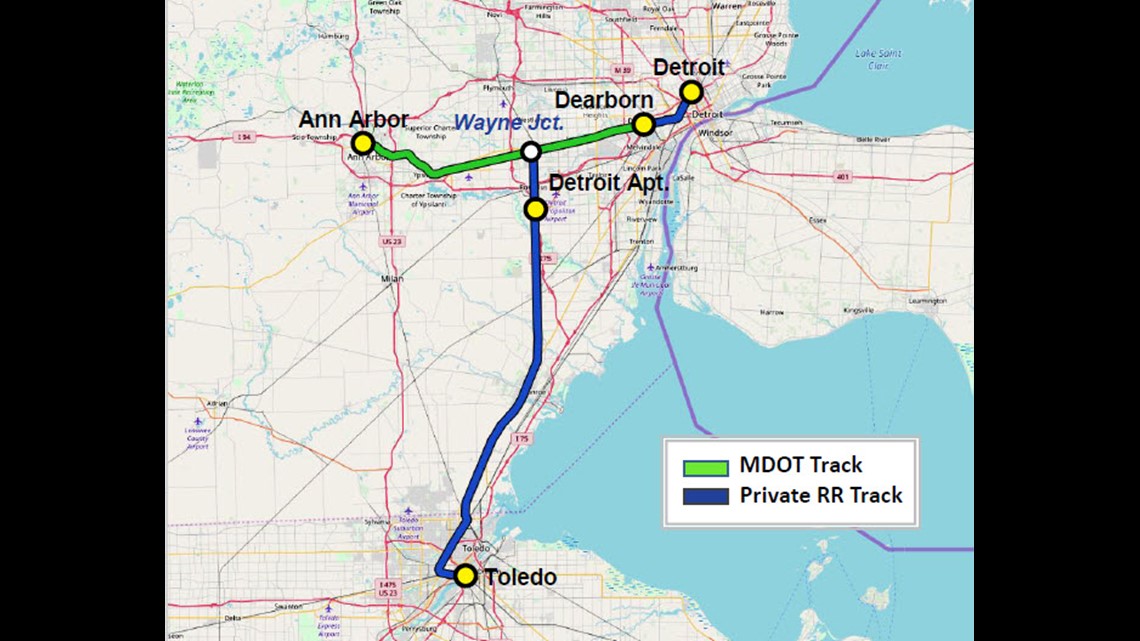
Direct passenger train service between Detroit and Toledo is not currently available through Amtrak. However, it is possible to travel by train by taking a route that involves a transfer or a longer, indirect journey. For instance, one might take a train from Detroit to a major hub like Chicago and then connect to a train bound for Toledo.
Exploring Train Possibilities
- Extended Travel Time: This type of travel is significantly more time-consuming than driving or taking a bus. The journey could easily extend to several hours, including layover times.
- Scenic Experience: For those who enjoy train travel, it can offer a more relaxed and scenic perspective of the countryside compared to the interstate highway.
- Comfort and Amenities: Amtrak trains generally offer comfortable seating, dining car options, and the ability to move around during the journey.
- Cost: Train tickets, especially for indirect routes, can be more expensive than bus fares, and often more than driving when factoring in fuel.
Preparing for Your Journey
Regardless of your chosen mode of transport, a little preparation can ensure a smoother and more enjoyable trip between Detroit and Toledo.
For Drivers
- Vehicle Check: Ensure your vehicle is in good working order. Check tire pressure, fluid levels, and brakes.
- Navigation: Utilize GPS devices or smartphone navigation apps. Download offline maps in case of spotty cellular service.
- Fuel: While there are numerous gas stations along I-75, it’s wise to refuel before leaving major urban areas, as prices can sometimes be higher in more isolated stretches.
- Snacks and Drinks: For longer drives or unexpected delays, having water and snacks on hand can be a lifesaver.
- Emergency Kit: Consider carrying a basic emergency kit with items like jumper cables, a first-aid kit, and a flashlight.
For Bus Travelers
- Ticket Booking: Book your bus tickets in advance, especially if traveling during busy periods, to secure your preferred time and potentially a better price.
- Luggage: Be aware of the luggage restrictions for your chosen bus company.
- Comfort: Bring a neck pillow, a book, or downloaded entertainment for the journey.
- Arrival Planning: Have a plan for how you will get from the bus station in Toledo to your final destination.
Exploring Toledo Upon Arrival
Once you arrive in Toledo, a city rich in history and culture, you’ll find a variety of attractions to explore. From the renowned Toledo Museum of Art with its impressive glass collection to the historic Froschauer House and the scenic Maumee Riverfront, there’s something to capture every visitor’s interest. Consider visiting the National Museum of the Great Lakes to understand the region’s deep connection to maritime heritage, or enjoy a stroll through the National Historical Landmark District in the downtown area. The proximity of these attractions makes Toledo a rewarding destination after your journey from Detroit.
The relatively short distance between Detroit and Toledo makes this a convenient and accessible trip. By understanding the driving routes, potential delays, and alternative transportation options, travelers can efficiently plan their journey and make the most of their time exploring the unique offerings of both cities.
LifeOutOfTheBox is a participant in the Amazon Services LLC Associates Program, an affiliate advertising program designed to provide a means for sites to earn advertising fees by advertising and linking to Amazon.com. Amazon, the Amazon logo, AmazonSupply, and the AmazonSupply logo are trademarks of Amazon.com, Inc. or its affiliates. As an Amazon Associate we earn affiliate commissions from qualifying purchases.