
Navigating the process of obtaining official identification in a new state or for the first time can often feel like deciphering a complex map. For residents and aspiring residents of the Sunshine State, understanding how to acquire a Florida identification card is a crucial step towards full integration into the state’s vibrant lifestyle. This guide aims to demystify the procedure, covering everything from eligibility and required documents to the application process itself, ensuring a smooth and efficient experience for all seeking their essential Florida ID.
Understanding the Florida Identification Card
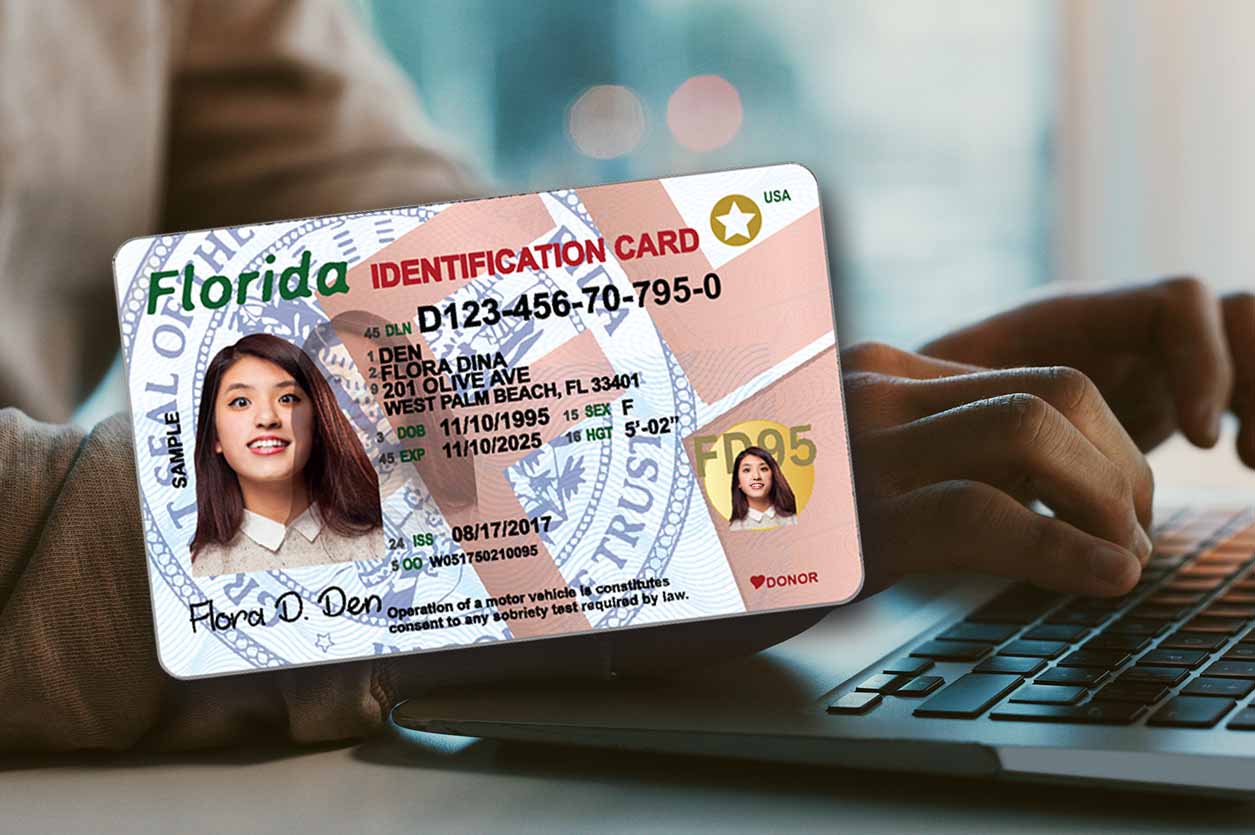
The Florida Identification Card, often referred to as a Florida ID, is a state-issued identification document designed for individuals who do not possess a Florida driver’s license but require a reliable form of photo identification. It serves a multitude of purposes, from verifying age for certain purchases to providing proof of identity for accessing services and participating in state-specific activities. Unlike a driver’s license, it does not grant driving privileges but functions purely as an official identification. This card is an invaluable tool for anyone living in or frequently visiting Florida, whether for work, study, or leisure. It is recognized by law enforcement agencies, businesses, and government entities across the state.
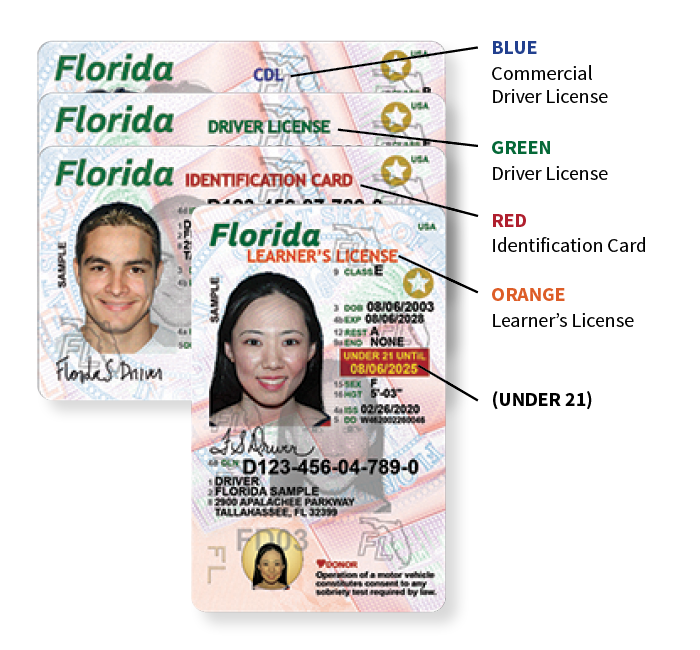
Types of Florida Identification Cards
Florida offers several types of identification cards, each catering to specific needs:
- Standard Florida Identification Card: This is the most common type, available to all eligible residents. It serves as a general proof of identity.
- Florida ID Card for Specific Purposes: In certain limited circumstances, specialized IDs might be available, though the standard ID card covers the vast majority of identification needs.
The primary issuing authority for these cards is the Florida Department of Highway Safety and Motor Vehicles (FLHSMV). Their network of service centers throughout the state ensures accessibility for residents across diverse geographical locations, from the bustling streets of Miami to the historic charm of St. Augustine.
Eligibility Requirements for a Florida ID
To be eligible for a Florida Identification Card, applicants must meet specific residency and documentation criteria. These requirements are in place to ensure the integrity of the identification system and to confirm that the applicant is genuinely a resident of Florida.
Residency Verification
Proof of Florida residency is paramount. Applicants must demonstrate that they live in Florida. Acceptable documents typically include:
- A lease agreement or mortgage statement.
- Utility bills (electricity, water, gas, or internet) in the applicant’s name, dated within a specific timeframe (usually the last 60 days).
- A statement from a parent or legal guardian confirming residency, along with proof of their residency.
- School enrollment records.
- Employment verification from a Florida-based employer.
The FLHSMV has a comprehensive list of acceptable residency documents on its official website, and it is advisable to review this list before your appointment to ensure you have the correct paperwork.
Age and Citizenship/Legal Presence
While the Florida ID card is available to individuals of all ages, those under 16 may have additional requirements, such as parental or guardian consent. Proof of U.S. citizenship or legal presence in the United States is also required. This can be established through:
- A U.S. birth certificate.
- A U.S. passport.
- A Certificate of Naturalization or Citizenship.
- A Permanent Resident Card.
- An Employment Authorization Document (EAD).
The specific documentation required will depend on the applicant’s immigration status. It is crucial to have original or certified copies of all documents; photocopies are generally not accepted.
Required Documentation for Application
Gathering the correct documentation is perhaps the most critical step in the Florida ID application process. The FLHSMV employs a strict verification system, requiring a combination of documents to confirm identity, Social Security number, and residency.
The “60-Point System” and Acceptable Documents
Florida utilizes a system that assigns points to various documents based on their reliability in verifying identity. Applicants typically need to present documents that collectively add up to at least 60 points. This system is designed to prevent identity fraud. Common documents and their point values include:
- Primary Identification Documents (usually 40 points):
- U.S. Birth Certificate (original or certified copy)
- U.S. Passport (valid or expired, if issued more than 5 years ago)
- Certificate of Citizenship or Naturalization
- Permanent Resident Card
- Secondary Identification Documents (usually 10-25 points each):
- Social Security Card (original)
- Marriage Certificate (original or certified copy)
- Divorce Decree (original or certified copy)
- Court Orders (original or certified copy)
- Proof of Residency Documents (usually 10 points each):
- Utility bills (water, electricity, gas, internet)
- Bank statements
- Deeds or titles for property
- Lease agreements
It is essential to have at least one document that establishes your legal name and date of birth, and another that confirms your Social Security number. Furthermore, you will need documents to prove your Florida residency. The FLHSMV website provides a detailed list of accepted documents and their point values, which should be consulted thoroughly.
Social Security Number Verification
Providing proof of your Social Security number (SSN) is a mandatory requirement for obtaining a Florida ID card. Acceptable proof includes:
- Your Social Security card.
- A W-2 form (issued by an employer).
- A 1099 form (issued by a payer).
- A pay stub with your name and SSN.
If you do not have a Social Security number, you may need to provide documentation from the Social Security Administration stating that you are not eligible for an SSN.
The Application Process: Step-by-Step
Once you have gathered all the necessary documentation, the next step is to navigate the application process. This typically involves visiting a Florida Department of Highway Safety and Motor Vehicles (FLHSMV) service center.
Scheduling an Appointment and Visiting a Service Center
While some FLHSMV service centers allow walk-ins, it is highly recommended to schedule an appointment online through the FLHSMV website. This can save you significant waiting time, especially during peak hours or at popular locations like those in or near Orlando or Tampa. When you arrive at the service center, you will need to:
- Present your documents: A customer service representative will review all your submitted documents to ensure they meet the requirements.
- Complete the application form: You will need to fill out an official application form (often available online beforehand to save time).
- Have your photograph taken: A digital photograph will be taken for your ID card.
- Pay the required fee: The fee for a Florida ID card varies but is generally modest. Payment can typically be made by cash, check, or credit/debit card.
What to Expect at the Service Center
The process at the service center is designed to be efficient. You will be guided through each step by trained staff. They will verify your documents, confirm your information, and ensure all legal requirements are met. It is important to be patient and cooperative. If any of your documents are deemed insufficient, you may be asked to return with additional proof. For those applying in areas known for their tourism, such as near Key West, planning your visit to a less congested service center might be beneficial.
Receiving Your Florida ID Card
After your application is approved and processed, you will typically receive your permanent Florida Identification Card by mail within a few weeks. In some instances, a temporary identification document may be issued on the spot, which is valid for a limited period until the official card arrives. Always check your mail carefully for this important document.
Frequently Asked Questions and Tips for a Smooth Process
Navigating bureaucratic processes can sometimes lead to questions. Here are some common queries and helpful tips to ensure a seamless experience when applying for your Florida ID.
Can I get a Florida ID if I don’t have a driver’s license?
Yes, the Florida Identification Card is specifically designed for individuals who do not possess a driver’s license. It serves as a primary form of identification for non-drivers.
What if my name is different on my documents?
If your name has changed due to marriage, divorce, or legal name change, you will need to provide documentation that links your previous name to your current name. This could include a marriage certificate, divorce decree, or court order for a name change.
How long is the Florida ID valid?
The validity period for a Florida ID card is typically several years, usually mirroring the duration of a driver’s license. The expiration date will be printed on the card itself. Renewal processes are similar to initial applications, requiring updated documentation if necessary.

Tips for Success:
- Start Early: Do not wait until the last minute to gather your documents.
- Double-Check Requirements: Visit the FLHSMV website to get the most current and precise list of required documents and point values.
- Organize Your Documents: Keep all your original or certified documents organized in a folder.
- Be Prepared for Fees: Know the approximate cost of the ID card and have your payment method ready.
- Consider Online Services: Utilize the FLHSMV website for scheduling appointments and accessing application forms.
- Arrive on Time (or Early): For your scheduled appointment, aim to arrive a little early to allow for parking and check-in.
By following these guidelines and preparing thoroughly, obtaining your Florida Identification Card will be a straightforward and efficient process, allowing you to fully enjoy all that the state has to offer, from its stunning beaches to its rich cultural tapestry. Whether you are settling into a new home in the Florida Keys or simply need a reliable ID, this process is a foundational step to becoming an established resident or visitor.
LifeOutOfTheBox is a participant in the Amazon Services LLC Associates Program, an affiliate advertising program designed to provide a means for sites to earn advertising fees by advertising and linking to Amazon.com. Amazon, the Amazon logo, AmazonSupply, and the AmazonSupply logo are trademarks of Amazon.com, Inc. or its affiliates. As an Amazon Associate we earn affiliate commissions from qualifying purchases.