
Navigating the intricacies of business operations in the Sunshine State often involves understanding and acquiring essential documentation. For businesses engaged in the resale of tangible personal property, a Resale Certificate in Florida is not merely a procedural formality but a crucial legal instrument. This certificate, often referred to as a “Sales and Use Tax Exemption Certificate” or “Resale Exemption Certificate,” allows businesses to purchase goods for resale without paying Florida sales tax. This exemption is fundamental to maintaining competitive pricing and efficient cash flow, as the sales tax is ultimately collected from the end consumer. Understanding the process of obtaining and utilizing this certificate correctly is paramount for any Florida-based reseller.
Understanding the Florida Resale Certificate
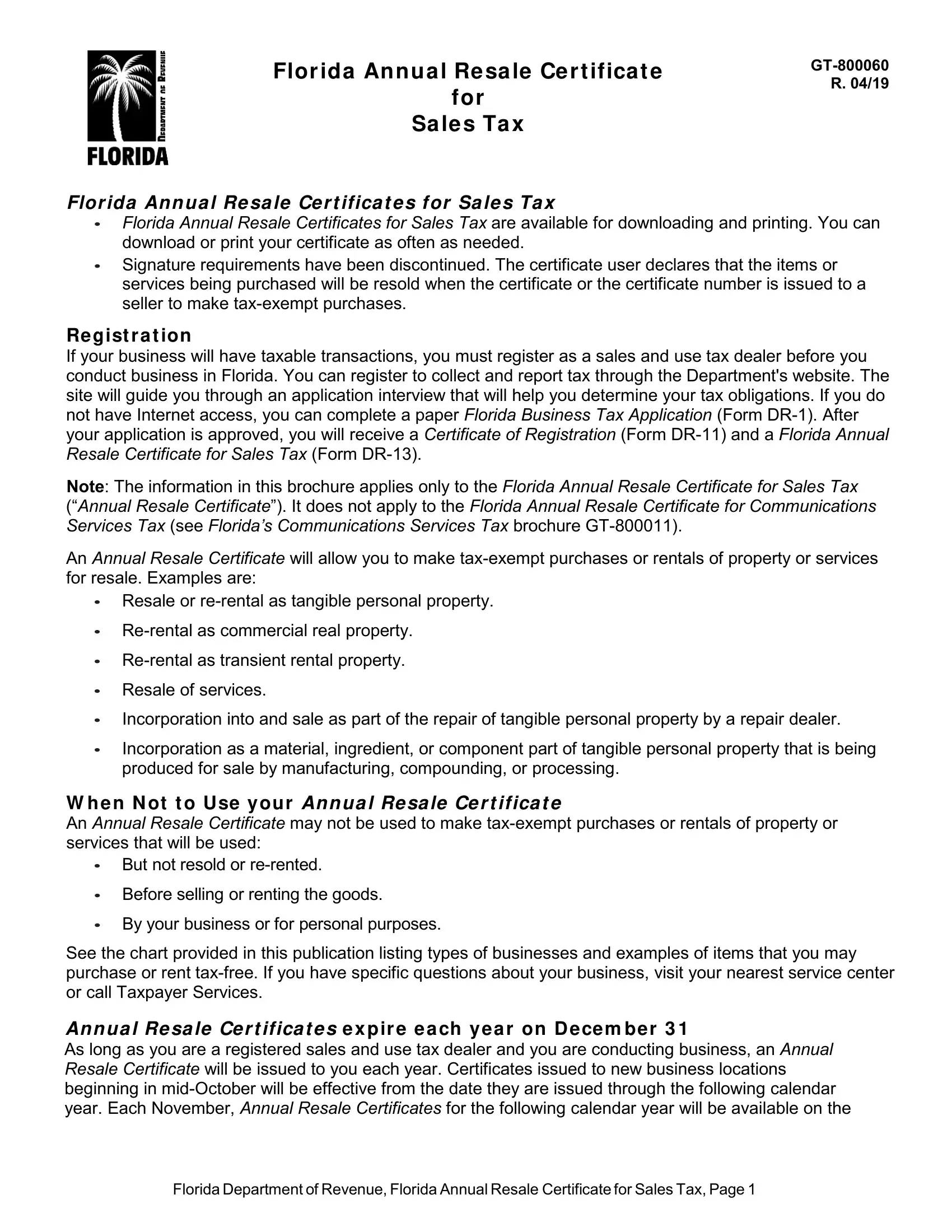
A resale certificate is a declaration by a buyer that they are purchasing goods not for their own consumption, but for the purpose of reselling them to another party. In Florida, this exemption is governed by the Department of Revenue (DOR). When a business presents a valid resale certificate to its supplier, the supplier is relieved of the obligation to collect sales tax on that transaction. The responsibility to collect and remit the sales tax then shifts to the reseller, who will charge the tax to their customer.
What Constitutes Tangible Personal Property?
Tangible personal property, for the purposes of the resale certificate, refers to items that can be touched, seen, and moved. This includes a vast array of goods, such as clothing, electronics, furniture, vehicles, and raw materials used in manufacturing. Services, real estate, and intangible property are generally not covered by a resale certificate. For instance, a boutique purchasing dresses for sale to customers will use a resale certificate. Similarly, a contractor purchasing lumber to build a house that will be sold to a client can use a resale certificate for that lumber. However, if the contractor buys lumber for repairs to their own office, sales tax would apply.
The Legal Basis and Importance
The legal framework for sales tax exemptions in Florida is established in Chapter 212, Florida Statutes. Section 212.02(16) defines “Sales price” and clarifies that sales tax is levied on the “retail sale” of tangible personal property. By issuing a valid resale certificate, the buyer asserts that their transaction is not a retail sale but an intermediate one, facilitating the eventual retail sale to the consumer. Failure to obtain or properly use a resale certificate can lead to significant penalties, including back taxes, interest, and fines. Furthermore, using a resale certificate for goods intended for personal consumption is considered tax fraud.
Who is Eligible to Obtain a Resale Certificate?
Eligibility for a resale certificate in Florida generally extends to any person or business that holds a valid Florida Seller’s Certificate of Registration. This registration is obtained from the Florida Department of Revenue and signifies that the business is authorized to collect and remit sales tax. Businesses that acquire goods solely for their own use and do not resell them are not eligible for a resale certificate. This includes businesses purchasing office supplies, equipment for their own operations, or any other items for internal use.
The Application Process for a Resale Certificate
Obtaining a resale certificate in Florida is not a matter of applying for a new, standalone certificate. Instead, it is intrinsically linked to holding a valid Seller’s Certificate of Registration. The process involves registering your business with the Florida Department of Revenue and then using your assigned seller’s permit number to complete resale certificates provided by your suppliers.
Step 1: Obtain a Florida Seller’s Certificate of Registration
The foundational step for any business intending to resell tangible personal property in Florida is to register with the Florida Department of Revenue. This is done by obtaining a Seller’s Certificate of Registration, commonly known as a sales tax permit or seller’s permit.
Online Registration via the Florida Department of Revenue Website
The most common and efficient method for obtaining a Seller’s Certificate of Registration is through the Florida Department of Revenue’s online portal. The DOR website provides a user-friendly interface for businesses to register. You will typically need to provide detailed information about your business, including:
- Business Name and Legal Structure: Sole proprietorship, partnership, LLC, corporation, etc.
- Federal Employer Identification Number (FEIN): For corporations and partnerships, or your Social Security Number if you are a sole proprietor without employees.
- Business Address and Contact Information: Including mailing address, phone number, and email.
- Nature of Business: A description of the goods or services you will be selling.
- Projected Sales Volume: An estimate of your annual sales.
- Ownership Information: Details about the principal owners or officers of the business.
Other Registration Methods
While online registration is preferred, the Florida DOR may offer alternative methods for registration, such as by mail or in person at a DOR service center, though these are generally less common and can take longer. It is advisable to consult the official Florida Department of Revenue website for the most current registration procedures and any required forms.
Fees and Processing Time
There is typically no fee to obtain a Florida Seller’s Certificate of Registration. Once your application is submitted and processed, you will be issued a unique sales tax account number. The processing time can vary, but it is usually completed within a few business days to a couple of weeks.
Step 2: Utilize the Resale Certificate Form
Once you possess a valid Seller’s Certificate of Registration, you are authorized to use resale certificates. The Florida Department of Revenue does not issue a unique “resale certificate” document for each business. Instead, businesses typically obtain blank resale certificate forms from their suppliers or download standard templates from the DOR website or reputable business resource providers.
Key Information Required on a Resale Certificate
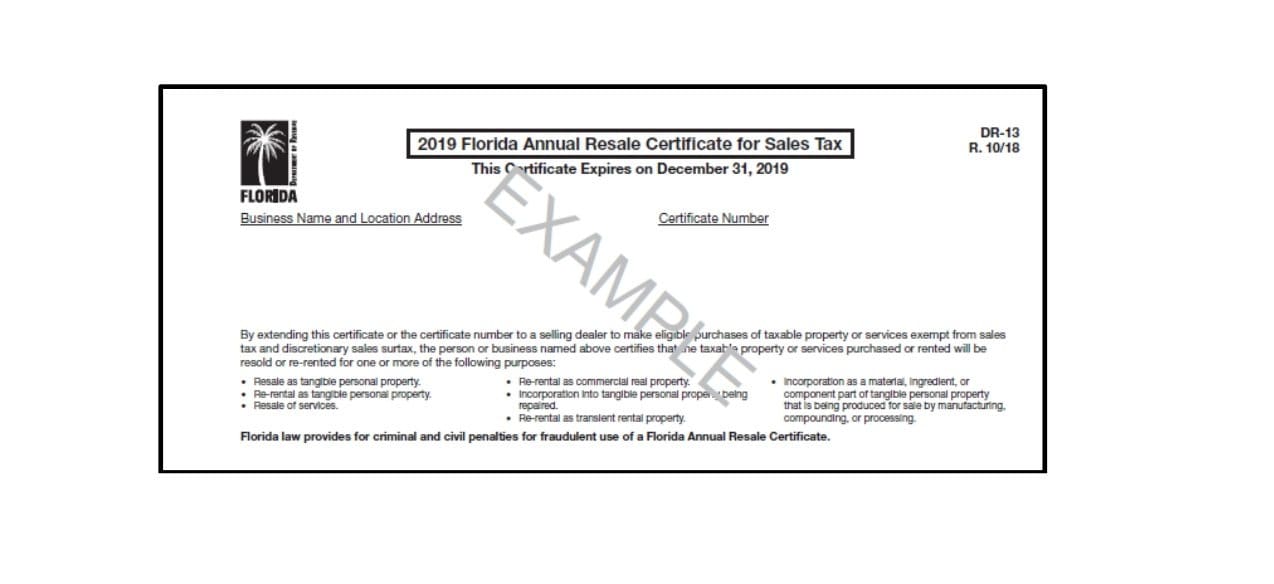
When you, as the buyer, complete a resale certificate for your supplier, you are essentially certifying the exempt nature of your purchase. The certificate must contain specific information to be considered valid. This typically includes:
- Your Business Name and Address: Clearly identify the purchasing entity.
- Your Florida Seller’s Certificate of Registration Number: This is the crucial identifier that validates your exemption.
- Description of the Goods Purchased: A brief but accurate description of the items being bought for resale.
- Your Signature and Date: A declaration that the information provided is true and accurate.
The supplier, in turn, must keep this completed certificate on file to substantiate their decision not to collect sales tax from you.
When and How to Present the Resale Certificate
A resale certificate should be presented to your supplier at the time of purchase. This is critical. Presenting it after the transaction has occurred, or not presenting it at all, means you will be liable for the sales tax on that purchase. For recurring purchases of the same items from a single supplier, a blanket resale certificate can often be used, which remains valid until revoked or updated. However, if your purchasing habits change or you begin buying different types of goods, it’s important to ensure your resale certificates remain accurate.
Proper Use and Compliance with Resale Certificates
The privilege of purchasing goods tax-exempt for resale comes with significant responsibilities. Misuse of resale certificates can lead to severe financial and legal repercussions. Compliance with Florida’s sales tax laws is paramount for the continued success of any business.
Avoiding Common Pitfalls
Several common mistakes can invalidate a resale certificate or lead to compliance issues:
- Purchasing for Personal Use: As reiterated, using a resale certificate for items that you or your employees will personally use, rather than resell, is a direct violation of the law and constitutes tax evasion.
- Incomplete or Inaccurate Certificates: Missing essential information, such as your seller’s permit number, or providing incorrect details will render the certificate invalid in the eyes of the DOR.
- Failure to Keep Records: Suppliers are required to maintain records of all resale certificates they receive. If audited, they must be able to produce these certificates to justify the exemption. Likewise, buyers should keep records of the certificates they issue.
- Using Certificates for Non-Resalable Items: Purchasing services, real estate, or other non-tangible items and attempting to use a resale certificate is incorrect and can lead to penalties.
Audits and Enforcement by the Florida Department of Revenue
The Florida Department of Revenue conducts audits to ensure compliance with sales tax laws. During an audit, businesses that have claimed resale exemptions will be scrutinized. The DOR will examine purchase invoices and resale certificates to verify that the transactions were indeed for resale. If discrepancies are found, the business that improperly claimed the exemption will be held liable for the unpaid sales tax, plus substantial penalties and interest. For suppliers, an audit might focus on whether they diligently collected sales tax or properly obtained resale certificates for tax-exempt sales.
Consequences of Improper Use
The consequences of improperly using or obtaining a resale certificate can be severe:
- Back Taxes and Interest: You will be required to pay all sales tax that should have been collected on improperly exempted purchases, along with accrued interest.
- Penalties: The DOR can impose significant penalties, often a percentage of the unpaid tax, which can be substantial.
- Criminal Charges: In cases of deliberate tax fraud or evasion, criminal charges can be filed, leading to fines and even imprisonment.
- Loss of Business License: Repeated or egregious violations can result in the suspension or revocation of your business license and Seller’s Certificate of Registration.
International and Out-of-State Resale in Florida
The rules surrounding resale certificates in Florida also extend to businesses operating beyond state lines or engaging with international entities. Understanding these nuances is critical for a seamless and compliant business operation.
Reselling in Florida as an Out-of-State Business
Businesses located outside of Florida that make sales into the state may have “nexus” (a sufficient business presence) that requires them to register and collect Florida sales tax. If such an out-of-state business purchases goods within Florida for resale, they can still utilize a Florida resale certificate, provided they hold a valid Florida Seller’s Certificate of Registration. If the out-of-state business does not have nexus in Florida and is not required to collect Florida sales tax, they may still be able to make tax-exempt purchases within the state for resale into their home state, provided they present a valid resale certificate from their home state, and the transaction meets specific criteria outlined by the Florida Department of Revenue. However, this often requires careful consultation with tax professionals familiar with interstate commerce regulations.
Purchases for Resale Outside of Florida
If a Florida-based business purchases goods in Florida with the intent to resell them outside of the state, a Florida resale certificate can be used to exempt the purchase from Florida sales tax. The key is that the goods are purchased for resale. The sales tax will then be collected by the Florida business from their out-of-state customer, based on the destination state’s tax laws, if applicable.

International Sales and Purchases
For businesses involved in international trade, the application of sales tax and resale certificates becomes more complex. Generally, sales of tangible personal property for export from Florida are exempt from sales tax. Businesses making such sales must obtain proper documentation from the buyer confirming the export. Similarly, businesses importing goods into Florida for resale will be subject to Florida’s use tax unless an exemption applies. When purchasing goods from an international supplier for resale in Florida, the typical Florida resale certificate process for domestic suppliers may not directly apply. Instead, import duties and taxes governed by federal law, as well as potential Florida use tax upon entry, would be the primary considerations. Consultation with a customs broker or international tax expert is highly recommended in these scenarios.
In conclusion, the Florida resale certificate is a vital tool for businesses engaged in the resale of tangible personal property. By understanding the requirements, adhering to the proper procedures for obtaining a Seller’s Certificate of Registration, and diligently using resale certificates, businesses can ensure compliance, maintain financial efficiency, and operate smoothly within the state’s tax framework. Always refer to the official guidance from the Florida Department of Revenue or consult with a qualified tax professional for personalized advice.
LifeOutOfTheBox is a participant in the Amazon Services LLC Associates Program, an affiliate advertising program designed to provide a means for sites to earn advertising fees by advertising and linking to Amazon.com. Amazon, the Amazon logo, AmazonSupply, and the AmazonSupply logo are trademarks of Amazon.com, Inc. or its affiliates. As an Amazon Associate we earn affiliate commissions from qualifying purchases.