
The vibrant pink plumage of the flamingo is an iconic image, often conjuring visions of sun-drenched tropics and exotic locales. For many, the state of Florida immediately springs to mind as a prime location to witness these magnificent birds in their natural habitat. This association is not without merit, but the reality of flamingo populations in Florida is more nuanced than a simple yes or no. Understanding the presence and behavior of flamingos requires delving into their migratory patterns, breeding habits, and the specific ecological conditions that draw them to the Sunshine State.
The American Flamingo: A Fleeting but Familiar Visitor
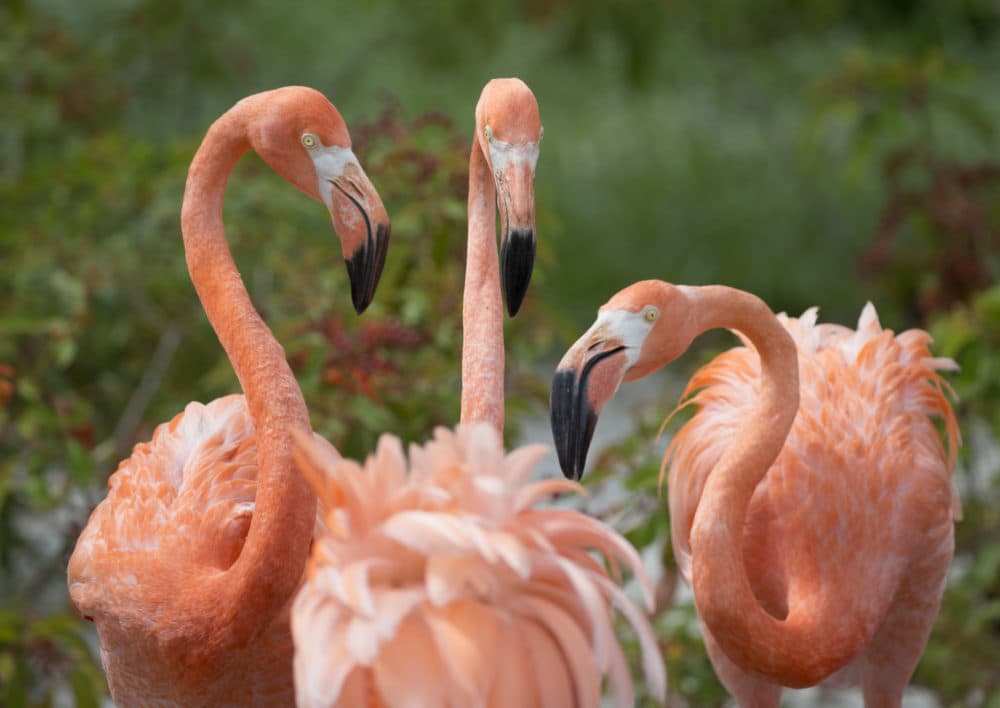
The species most commonly associated with the term “flamingo” is the American Flamingo (Phoenicopterus ruber). While not a permanent, year-round resident across the entirety of Florida, the American Flamingo is a notable visitor, particularly in the southern regions of the state. Their presence is largely dictated by environmental factors, food availability, and breeding success in their primary range.

Primary Habitat and Range
The American Flamingo primarily breeds in the Caribbean, with significant populations found in locations such as the Bahamas, Cuba, and the Yucatán Peninsula of Mexico. These islands offer the vast, shallow, hypersaline lagoons and coastal wetlands that are essential for their survival. These specific environments are rich in the brine shrimp and algae that form the base of the flamingo’s diet and impart their characteristic pink coloration.
Migratory Triggers and Patterns
Flamingos are not strictly migratory in the same way as many songbirds, but they do exhibit nomadic tendencies. Their movements are often influenced by weather patterns, food abundance, and disturbances in their breeding grounds. When conditions are unfavorable in their primary breeding areas, such as prolonged droughts or extreme weather events, or when food resources are depleted, flamingos may travel considerable distances in search of more suitable environments. This is where Florida enters the picture.
The shallow, warm waters and extensive coastal marshes of South Florida, particularly the Florida Keys and the Everglades National Park, offer an attractive alternative when conditions elsewhere become challenging. These areas provide similar ecological niches to their preferred breeding grounds, offering ample food and the necessary shallow water for foraging and wading.
Witnessing Flamingos in Florida: Hotspots and Seasonality
While you won’t find large, established breeding colonies of American Flamingos consistently throughout Florida, the opportunity to see them is very real, especially during certain times of the year. Their appearance is often described as opportunistic rather than regular.
South Florida: The Prime Viewing Area
The southernmost tip of Florida is the most likely place to spot flamingos. This includes:
- Florida Keys: Islands like Key West, Dry Tortugas National Park, and the more remote cays are known to attract flamingos. The shallow seagrass beds and mangrove-lined shores provide ideal foraging grounds.
- Everglades National Park: This vast wilderness, with its intricate network of sloughs, sawgrass marshes, and coastal estuaries, offers extensive habitat that can support visiting flamingo flocks. Specific areas within the park, such as Flamingo (ironically named for a different reason but now a great viewing spot), are often cited.
- Southwest Florida Coastline: Areas around Naples, Marco Island, and the Ten Thousand Islands can also occasionally host flamingos, particularly in protected coastal wetlands and estuaries.
When to Look for Flamingos
The best chances of observing American Flamingos in Florida typically occur during the late fall, winter, and spring months. This is generally when food sources in their primary Caribbean habitats might be stressed, prompting them to explore further afield. It’s also during these cooler, drier months that Florida’s wetlands can become more concentrated, making food more accessible.
However, it is crucial to manage expectations. Sightings can be infrequent and unpredictable. Unlike the resident bird populations in many of Florida’s natural areas, flamingos are transient visitors. Their appearance is a testament to the interconnectedness of ecosystems across the Caribbean and Florida.
Factors Influencing Flamingo Presence in Florida

Several environmental and ecological factors contribute to the sporadic presence of flamingos in Florida. Understanding these elements provides a deeper appreciation for the delicate balance of nature that governs their movements.
Food Availability and Water Levels
The primary driver for flamingos venturing into Florida is the availability of their specialized diet and suitable wading depths. They feed on small invertebrates, larvae, and blue-green algae found in brackish and saline waters. When droughts reduce water levels and concentrate food in their traditional Caribbean feeding grounds, or conversely, when excessive rainfall floods out their usual foraging areas, Florida‘s coastal wetlands can become a more attractive option.
The health of these aquatic ecosystems is paramount. Pollution, habitat degradation, and changes in water salinity can all impact the abundance of flamingo food sources, influencing their decision to travel.
Weather Patterns and Climate Change
Extreme weather events, such as hurricanes, can disrupt flamingo populations in their primary breeding grounds. These events can displace birds and alter their established migratory routes. Furthermore, long-term shifts in climate patterns, including rising sea levels and changes in ocean currents, could indirectly influence the suitability of both their traditional habitats and potential stopover locations like Florida.
While not a direct cause for their appearance, these broader climatic forces play a role in shaping the migratory behavior of many species, including flamingos.
Disturbance and Habitat Protection
Flamingos are sensitive to disturbance, particularly during breeding and nesting. Human activity, such as boat traffic, development, and recreational pursuits, can deter them from settling in an area. Consequently, the most successful flamingo sightings in Florida tend to occur in protected areas where human impact is minimized.
The efforts to conserve and protect Florida‘s vital coastal habitats, such as the Arthur R. Marshall Loxahatchee National Wildlife Refuge and other protected areas within the Everglades ecosystem, are crucial for providing safe havens for these transient visitors.
Beyond the American Flamingo: Other Species and Misconceptions
While the American Flamingo is the species most commonly associated with Florida, it’s worth noting that there are other flamingo species in different parts of the world. However, within the context of Florida, the focus is almost exclusively on Phoenicopterus ruber.
There can be some confusion, as early naturalists and settlers in Florida might have encountered other species or misidentified them. However, modern ornithological records and ecological understanding firmly place the American Flamingo as the species that occasionally graces Florida‘s shores.
The history of flamingos in Florida is also an interesting one. For a period, it was believed that flamingos were once more regularly present and even bred in the state. However, extensive hunting for their feathers and eggs in the late 19th and early 20th centuries decimated any potential resident populations. The birds seen today are largely considered to be immigrants from established populations in the Caribbean.
The “Flamingo” Name in Florida
It is also important to clarify that the town of Flamingo within Everglades National Park was not necessarily named because of a large or consistent flamingo population at the time of its establishment. The name is believed to have derived from the red color of the sunset reflecting on the water, or possibly from early Spanish explorers and their potentially misidentified observations. Regardless of the origin, the location itself has become a key area for potential flamingo sightings.
Conservation Efforts and Future Outlook
The future presence of flamingos in Florida is intrinsically linked to the health of coastal ecosystems across the Caribbean and the United States. Continued conservation efforts focused on protecting wetlands, managing water resources, and mitigating the impacts of climate change are vital.
For travelers and nature enthusiasts hoping to catch a glimpse of these iconic birds, patience and a bit of luck are key. Visiting protected natural areas during the appropriate season, maintaining a respectful distance, and appreciating the opportunistic nature of their visits will enhance the experience. While Florida may not be their permanent home, the chance to witness a flamingo against the backdrop of a Florida sunset remains a truly unforgettable travel experience.
LifeOutOfTheBox is a participant in the Amazon Services LLC Associates Program, an affiliate advertising program designed to provide a means for sites to earn advertising fees by advertising and linking to Amazon.com. Amazon, the Amazon logo, AmazonSupply, and the AmazonSupply logo are trademarks of Amazon.com, Inc. or its affiliates. As an Amazon Associate we earn affiliate commissions from qualifying purchases.