
Recent headlines and a flurry of speculation have ignited a passionate debate among theme park enthusiasts, Florida residents, and the broader travel industry: is Walt Disney Company contemplating a significant departure from its long-standing home in Florida? The question is complex, touching upon decades of history, massive economic impact, and the intricate relationship between a global entertainment giant and a key state destination. To understand the nuances, we must delve into the history, the current landscape, and the potential factors influencing such a monumental decision.
A Legacy Rooted in the Sunshine State
The story of Walt Disney and Florida is intrinsically linked. In the early 1960s, Walt Disney envisioned a grander, more ambitious project than Disneyland in California. He sought a vast expanse of land, affordable labor, and a climate conducive to year-round operations. Florida, particularly the undeveloped swamplands of central Florida, offered precisely that. The acquisition of over 25,000 acres in Orange County and Osceola County in 1964 was a clandestine operation, designed to avoid inflating land prices.
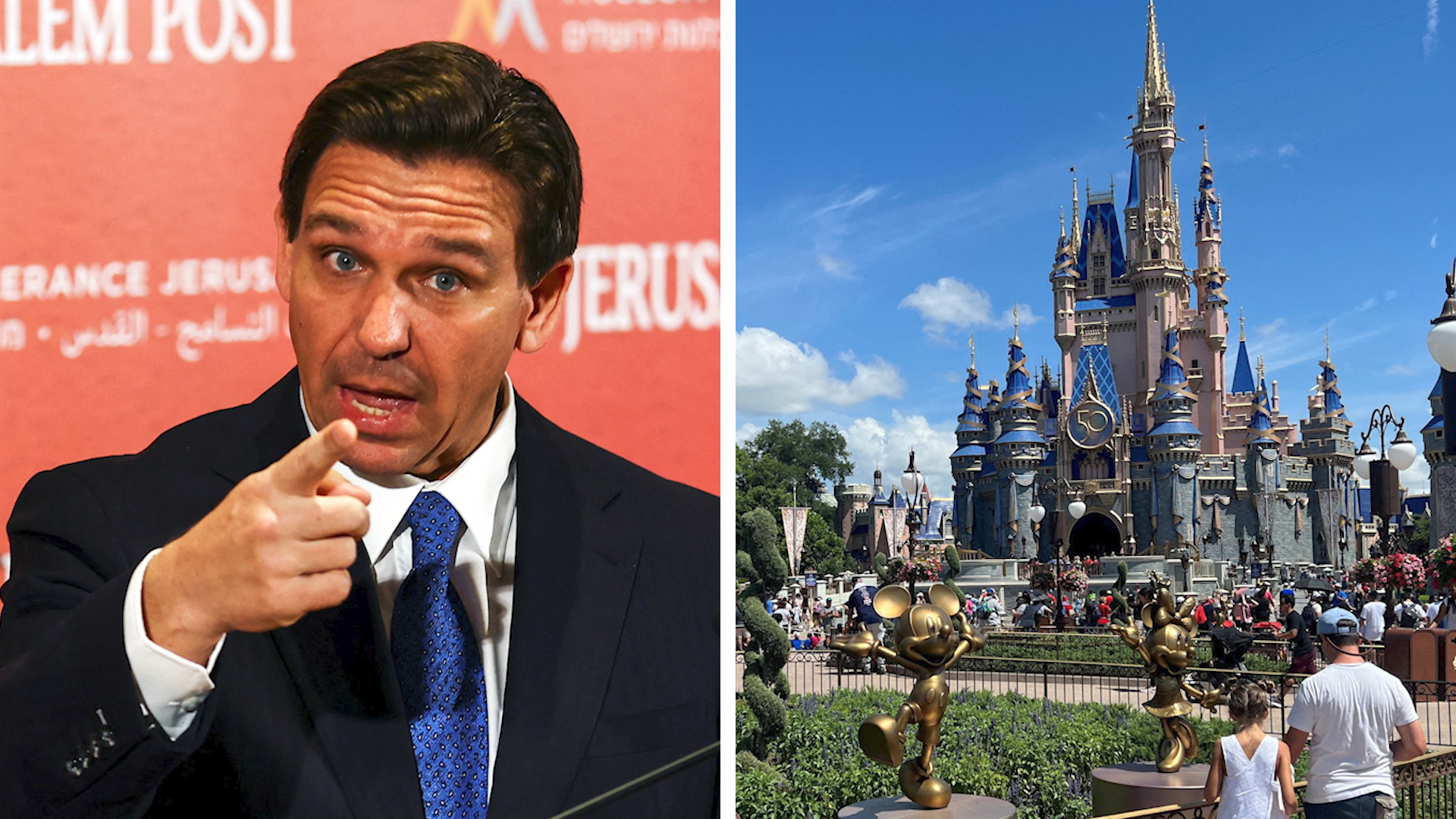
The dream materialized as Walt Disney World Resort, which opened its gates in 1971. It was more than just a theme park; it was a meticulously planned destination, featuring Magic Kingdom park, followed by Epcot, Disney’s Hollywood Studios, and Disney’s Animal Kingdom. Beyond the parks, the resort encompasses a vast array of offerings, including numerous Disney resorts, water parks, shopping, dining, and entertainment complexes like Disney Springs. The economic ripple effect on Florida has been nothing short of transformative. Walt Disney World Resort became a cornerstone of the state’s tourism industry, creating tens of thousands of jobs directly and indirectly, and drawing millions of visitors annually from across the globe. This symbiotic relationship has been a hallmark of Florida tourism for over half a century.
The Economic Engine of Central Florida
The impact of Walt Disney World Resort on Florida’s economy cannot be overstated. It is a primary driver of tourism, consistently ranking among the top visitor destinations worldwide. The resort’s operations generate billions of dollars in revenue annually, contributing significantly to the state’s gross domestic product. This economic powerhouse supports a vast ecosystem of businesses, from hotel chains and restaurants to transportation providers and souvenir shops.
The sheer scale of the resort necessitates a massive workforce, making Disney one of the largest single employers in Florida. These jobs span a wide spectrum, from entry-level positions to highly specialized roles in engineering, marketing, and management. The consistent flow of tourists also fuels ancillary businesses, creating a multiplier effect that benefits numerous communities across Central Florida. The presence of Disney has also spurred infrastructure development, including improvements to roads, airports, and public utilities, further enhancing the state’s appeal to both residents and visitors.
The Shifting Sands of Politics and Policy
In recent years, the relationship between The Walt Disney Company and the state of Florida has become increasingly strained. The primary catalyst for this friction has been a series of legislative actions and political rhetoric that Disney has perceived as directly targeting its operations and values.
The Reedy Creek Improvement District Dispute
For decades, Disney operated under the umbrella of the Reedy Creek Improvement District. Established by the Florida Legislature in 1967, this special district granted Disney significant self-governing powers over its sprawling property, including the ability to levy taxes, provide essential services like fire and police protection, and manage its own infrastructure. This unique arrangement allowed Disney to develop and operate its resort with a degree of autonomy that facilitated rapid and efficient expansion.
However, in 2022, in response to Disney‘s public opposition to Florida‘s Parental Rights in Education Act (often referred to as the “Don’t Say Gay” bill), the Florida Legislature moved to dissolve the Reedy Creek Improvement District. This move, championed by Governor Ron DeSantis, was seen as a punitive measure against the company. The legislative action led to a complex legal battle and ultimately resulted in the state taking over the district, renaming it the Central Florida Tourism Oversight District. The district’s board is now appointed by the governor, stripping Disney of its long-held self-governance authority. This change has introduced a new layer of political oversight and uncertainty for the company.
Broader Political Climate and Corporate Values
Beyond the Reedy Creek issue, Disney has found itself at odds with the prevailing political climate in Florida on several other fronts. The company has historically championed diversity, equity, and inclusion, and has faced pressure from state officials who have publicly criticized these initiatives. This ideological clash has created an environment where Disney may feel less aligned with the state’s governing philosophy than in previous decades.
The perception of a cooling or even hostile relationship can have significant implications for a company of Disney‘s stature. Decisions about future investments, expansion projects, and even the long-term commitment to a location are influenced by the political and regulatory landscape. For Disney, the current environment in Florida presents a challenging calculus.

Could Disney Truly Move Out Of Florida?
The question of whether Disney is moving out of Florida is a multifaceted one, involving not just political considerations but also immense logistical and financial hurdles.
The Immense Scale of Operations
The sheer scale of Walt Disney World Resort makes a complete relocation virtually impossible. The resort encompasses four major theme parks, two water parks, numerous Disney resorts, and a vast retail and entertainment complex. The capital investment required to replicate such an entity elsewhere would be astronomical. Millions of guest visits annually, a workforce numbering in the tens of thousands, and an integrated supply chain all represent an ecosystem that has been cultivated over decades.
Furthermore, Disney has continued to invest in Florida. Recent projects include the upcoming TRON Lightcycle / Run attraction at Magic Kingdom and ongoing infrastructure upgrades. These investments suggest a continued commitment, despite the recent political turbulence.
Potential Alternative Locations and Scenarios
While a complete exodus from Florida seems improbable, the concept of “moving out” could manifest in various ways.
Diversification of Investment
One possibility is that Disney might slow the pace of future expansion in Florida and strategically diversify its capital investments in other locations. This could involve expanding existing parks in California, developing new international resorts in markets like Asia or Europe, or investing in entirely new ventures that are not tied to the Florida property.
Shifting Focus and Prioritization
Another scenario involves a subtle but significant shift in strategic focus. Disney might choose to prioritize its other major parks and entertainment ventures, such as Disneyland in Anaheim, California, or its international resorts like Tokyo Disney Resort or Disneyland Paris. This wouldn’t constitute a “move out” but rather a reallocation of resources and attention.
Exploring New Frontiers
While Florida remains the heart of Disney‘s East Coast operations, the company is a global entity. Its ventures in China (Shanghai Disney Resort) and Japan demonstrate its capacity to build and operate successful, large-scale theme parks in diverse international markets. The potential for new developments in emerging markets could certainly draw significant investment away from Florida.

The Unlikelihood of a Complete Relocation
The notion of Disney packing up and leaving Florida entirely is, for all practical purposes, a remote possibility. The economic ties are too deep, the infrastructure too extensive, and the investment too colossal. The Reedy Creek dispute and the changing political climate, while significant, are unlikely to trigger a complete abandonment of a property that has been so central to the company’s identity and success.
However, the ongoing friction does introduce an element of uncertainty. It may influence future strategic decisions, potentially leading to a slower rate of expansion or a greater emphasis on diversifying investments across its global portfolio. The relationship between The Walt Disney Company and the state of Florida has entered a new, more complex phase, and the long-term implications will likely unfold over years, not months. For travelers and theme park enthusiasts, Walt Disney World Resort remains a paramount destination, and the current political winds, while notable, are unlikely to diminish its allure or operational capacity in the immediate future. The magic of Orlando is deeply intertwined with the magic of Disney, a connection that would be incredibly difficult to sever.
LifeOutOfTheBox is a participant in the Amazon Services LLC Associates Program, an affiliate advertising program designed to provide a means for sites to earn advertising fees by advertising and linking to Amazon.com. Amazon, the Amazon logo, AmazonSupply, and the AmazonSupply logo are trademarks of Amazon.com, Inc. or its affiliates. As an Amazon Associate we earn affiliate commissions from qualifying purchases.