
Navigating the nuances of sales tax is a crucial aspect of any travel experience, especially when planning a trip to the Sooner State. For tourists and visitors exploring Oklahoma, understanding the local tax structure can significantly impact your budget, from the cost of souvenirs at the Oklahoma City National Memorial & Museum to a meal at a classic diner in Tulsa. This guide delves into the intricacies of Oklahoma’s sales tax, helping you make informed purchasing decisions throughout your journey.
Understanding Oklahoma’s Sales Tax Framework
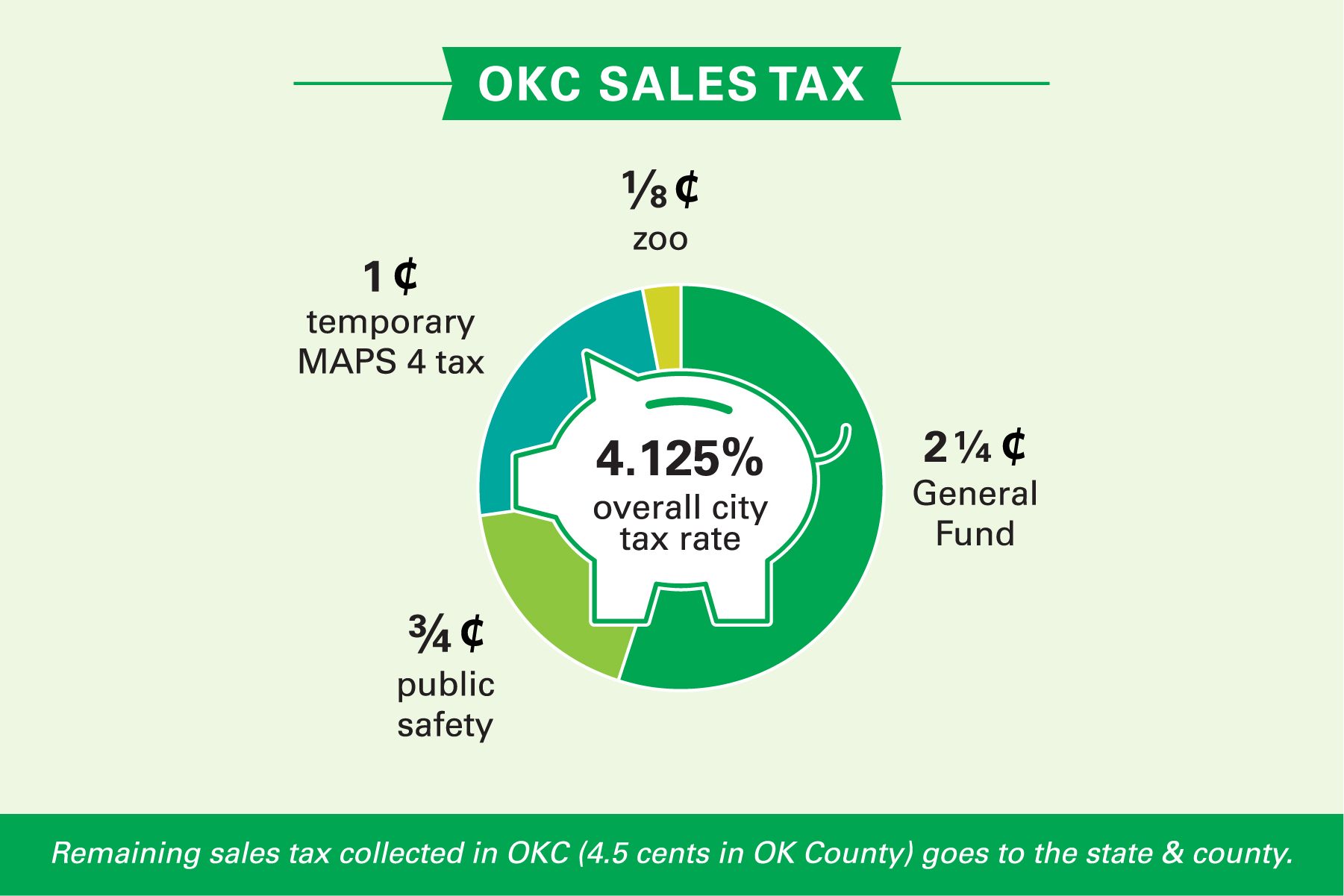
Oklahoma operates under a multi-tiered sales tax system. This means that the total sales tax you pay is not a single, uniform rate across the state. Instead, it’s a combination of the state sales tax rate and local sales tax rates levied by individual cities and counties. This structure is common across many U.S. states and is designed to allow local governments to fund essential services within their jurisdictions.
State Sales Tax Rate
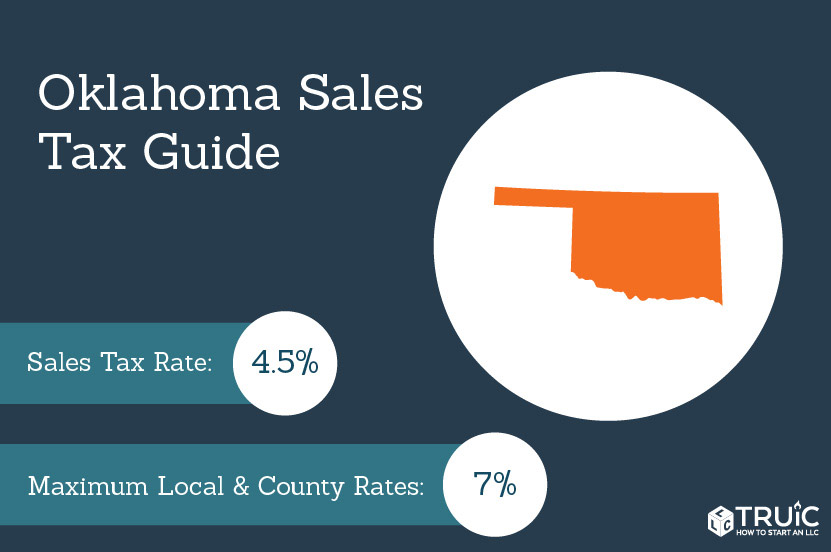
The base state sales tax rate in Oklahoma is currently set at 4.5%. This rate applies to most retail sales of tangible personal property and certain services. However, it’s important to note that specific items may be exempt from state sales tax, such as certain groceries, prescription medications, and agricultural products. Understanding these exemptions can lead to savings, particularly for longer stays where grocery purchases are more significant.
Local Sales Tax Rates
This is where the complexity truly emerges. Beyond the 4.5% state tax, cities and counties in Oklahoma impose their own sales taxes. These local rates vary considerably. Some cities may have no additional local tax, while others can add several percentage points to the state rate.
The combination of state and local taxes can result in a wide range of effective sales tax rates across Oklahoma. For instance, a purchase made in one town might be taxed at a lower rate than an identical purchase made just a few miles away in a different municipality.
Factors Influencing Local Taxes
Several factors contribute to the variation in local sales tax rates:
- Local Government Budgets: Cities and counties set their own tax rates based on their budgetary needs for public services such as schools, police and fire departments, road maintenance, and parks.
- Voter Initiatives: In many instances, local sales tax rates are determined or modified by voter approval through ballot measures. This means communities can directly influence their tax structure.
- Special Districts: Some areas may have additional taxes designated for specific purposes, such as public transportation, stadium funding, or development projects. These are often referred to as district taxes.
Average and Maximum Tax Rates
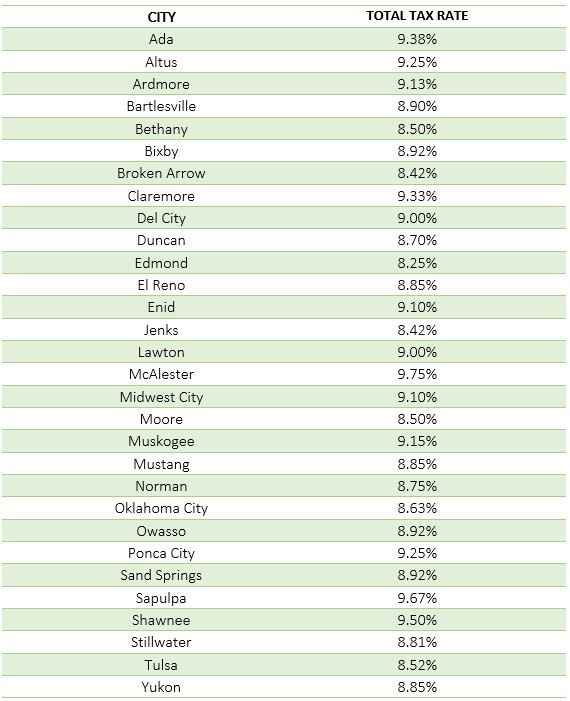
While the exact rate depends on the specific location, it’s helpful to have a general understanding of the typical range. The combined state and local sales tax rate in Oklahoma can range from around 4.5% in areas with no local tax to as high as 11.0% in some of the most heavily taxed municipalities.
For travelers, this means that a souvenir purchased in a smaller, unincorporated community might be cheaper than the same item bought in a bustling downtown district of Oklahoma City or Tulsa. It’s always advisable to check the specific rate for the area you are visiting.
Sales Tax on Specific Items and Services
The general sales tax applies to most goods and services, but there are some important exceptions and specific considerations for travelers:
Tangible Personal Property
This broadly includes most goods you’ll purchase: clothing, electronics, souvenirs, furniture, and restaurant meals. The combined state and local rate will apply to these items.
Services
Oklahoma also taxes certain services. This can include things like:
- Lodging: Hotel and motel stays are subject to sales tax. The rate will be the combined state and local rate of the specific location where the accommodation is situated. When booking a room at a place like the Skirvin Hilton Oklahoma City or a boutique hotel in the Plaza District, factor in the local sales tax.
- Admissions and Dues: Entrance fees to attractions, movie theaters, and club memberships are generally taxable.
- Repairs and Maintenance: Services performed on tangible personal property are often taxable.
- Utilities: Residential utility services (electricity, natural gas, water) are generally exempt from state sales tax, but local taxes may apply. Commercial utility services are typically taxable at the state level.
Exemptions and Taxable Items
While the list of taxable items and services is extensive, certain categories are exempt to provide relief or encourage specific activities:
- Groceries: Most staple food items intended for home consumption are exempt from state sales tax. However, prepared foods, snack items, and non-food grocery items are typically taxable. This distinction is important for visitors planning to prepare some of their own meals.
- Prescription Drugs: Medications dispensed with a valid prescription are exempt from sales tax.
- Agricultural Products: Certain raw agricultural products are exempt.
- Motor Vehicles: The taxation of motor vehicles involves a separate motor vehicle excise tax, which is often collected at the time of titling and registration. Sales tax may apply in some instances.
- Gasoline and Motor Fuel: These are subject to specific state and federal excise taxes, not the general sales tax.
Practical Tips for Travelers
Understanding Oklahoma’s sales tax system can help you manage your travel expenses more effectively. Here are some practical tips:
Research Your Destination’s Tax Rate
Before making significant purchases or booking accommodations, it’s wise to research the specific combined sales tax rate for the city or county you’ll be visiting. Many official state or local government websites provide this information. Alternatively, online tools and apps can often provide quick access to current tax rates by zip code or city. For example, if you are planning a visit to Lawton or exploring the beauty of the Wichita Mountains Wildlife Refuge, a quick search for “Lawton sales tax” will yield the relevant information.
Factor Tax into Your Budget
When budgeting for your trip, always add the estimated sales tax to the listed price of goods and services. A seemingly small difference in tax rate can add up over the course of your travel, especially when purchasing souvenirs, dining out frequently, or buying items for extended stays.
Understand Taxable vs. Non-Taxable Items
Be mindful of the exemptions. If you are staying in Oklahoma for an extended period and plan to cook, purchasing groceries from a supermarket will generally be more tax-advantageous than dining out for every meal.
Be Aware of Online Purchases
If you are purchasing items online to be shipped to your Oklahoma address, the same state and local sales taxes generally apply. Online retailers are often required to collect these taxes.
Special Cases and Considerations
Beyond the general sales tax, there are a few other tax-related aspects that travelers in Oklahoma might encounter.
Use Tax
Oklahoma also has a use tax. This tax is essentially a counterpart to the sales tax and is designed to capture revenue on items purchased outside of Oklahoma for use within the state, for which sales tax was not paid. This most commonly applies to items purchased out-of-state or online from vendors without a physical presence in Oklahoma who did not collect the sales tax. If you bring items into Oklahoma that you bought elsewhere without paying sales tax, you may be liable for the use tax. For most tourists making casual purchases, this is less of a concern, but it’s good to be aware of.
Lodging Taxes
While often rolled into the overall sales tax calculation, some areas may have specific lodging taxes or fees in addition to the standard sales tax. These might be dedicated to tourism promotion or infrastructure development. Always review your hotel bill carefully to understand all the charges. This is particularly relevant if you’re staying at a well-known resort or a historic hotel.
Business Travel
For those on business trips, understanding sales tax can also be relevant for expense reporting. If your company has specific policies regarding sales tax on business expenses, it’s good to be informed. Many businesses have travel and expense policies that outline whether sales tax should be reclaimed (if eligible) or included as part of the expense.
Resources for Further Information
For the most precise and up-to-date information, it is always recommended to consult official sources. The Oklahoma Tax Commission is the primary state agency responsible for administering tax laws. Their website, ok.gov/tax, provides extensive details on sales tax rates, exemptions, and regulations.
Many cities and counties also maintain their own official websites, which often include information on local sales tax rates. Searching for “[city name] sales tax rate” will usually direct you to the relevant municipal or county resource.
By staying informed about the sales tax rates in Oklahoma, you can better plan your budget, make informed purchasing decisions, and enhance your overall travel experience in the Sooner State. Whether you’re exploring the vast plains, visiting the Golden Driller statue in Tulsa, or enjoying the arts scene in Oklahoma City, a little tax knowledge goes a long way.
LifeOutOfTheBox is a participant in the Amazon Services LLC Associates Program, an affiliate advertising program designed to provide a means for sites to earn advertising fees by advertising and linking to Amazon.com. Amazon, the Amazon logo, AmazonSupply, and the AmazonSupply logo are trademarks of Amazon.com, Inc. or its affiliates. As an Amazon Associate we earn affiliate commissions from qualifying purchases.