
The question of whether Florida is evacuating often conjures images of widespread displacement due to severe weather events, primarily hurricanes. While this is a significant aspect of the state’s preparedness and response, the concept of “evacuation” in Florida tourism and accommodation is far broader, encompassing proactive measures for safety, strategic retreats from seasonal crowds, and even the temporary relocation of services to ensure optimal visitor experiences. This article delves into the multifaceted reasons and scenarios behind evacuations in the Sunshine State, from natural disaster preparedness to strategic hospitality management, offering insights for travelers, hoteliers, and anyone planning a visit.
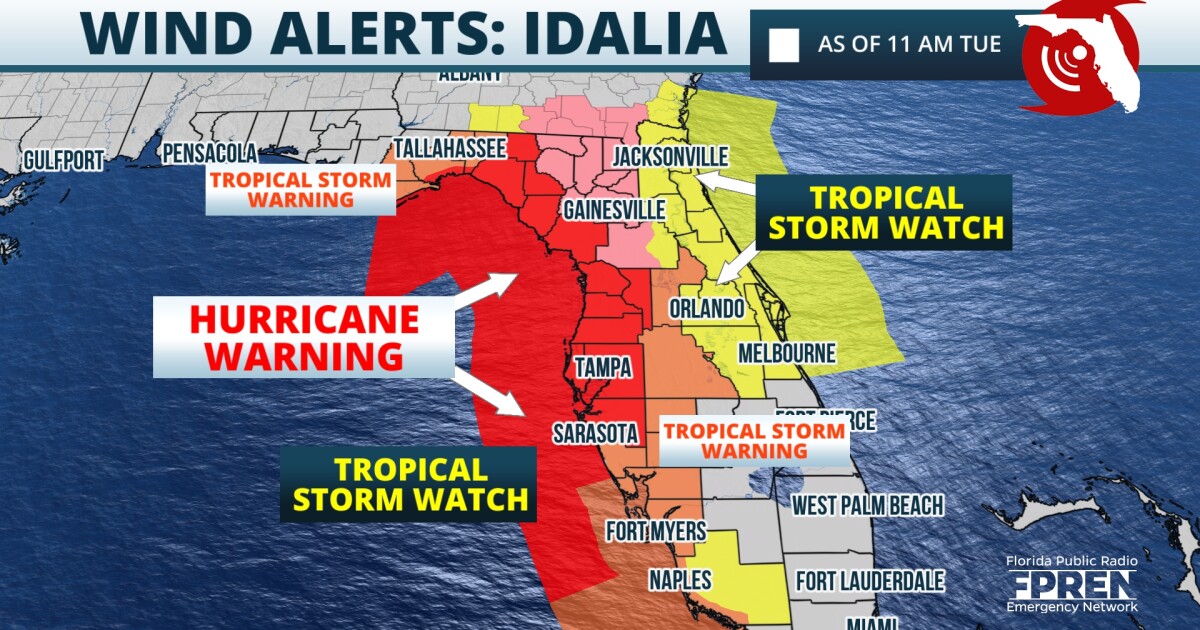
Natural Disaster Preparedness: The Forefront of Florida Evacuations
When severe weather threatens, particularly hurricanes, evacuation orders become a critical component of public safety in Florida. The state, with its extensive coastline and susceptibility to tropical cyclones, has robust protocols in place to protect its residents and visitors. Understanding these protocols is paramount for anyone traveling to or living in coastal communities.
Hurricane Season and Evacuation Zones
Florida experiences hurricane season from June 1st to November 30th, with the peak typically occurring from August through October. During this period, residents and tourists alike must stay informed about weather forecasts and potential threats. The state is divided into various evacuation zones, designated by county officials. These zones are determined based on factors such as proximity to the coast, elevation, and susceptibility to storm surge and high winds.
- Zone A: Typically the most vulnerable, encompassing low-lying coastal areas, barrier islands, and mobile home parks.
- Zone B: Areas further inland but still susceptible to storm surge and wind damage.
- Zone C and D: Progressively more inland, with reduced risk but still subject to evacuation in severe cases.
Understanding Evacuation Orders
When a hurricane poses a significant threat, mandatory evacuation orders are issued by local authorities. These orders are not suggestions; they are legally enforceable directives designed to save lives. Tourists staying in hotels or vacation rentals within designated evacuation zones will be required to leave their accommodations.
- Mandatory Evacuations: These are legally binding and require individuals to leave the designated areas. Failure to comply can result in penalties.
- Voluntary Evacuations: These are recommended for individuals who feel they may be at risk, even if not in a mandatory zone.
For travelers, this means closely monitoring local news, official emergency management websites for counties like Miami-Dade or Pinellas, and heeding any instructions from hotel management or local authorities. It’s advisable to have a pre-determined evacuation route and destination, ideally outside the potential impact zone.
Post-Evacuation Procedures and Re-entry
After a storm has passed and authorities deem it safe, re-entry into evacuated areas is managed systematically. This ensures that infrastructure is assessed for safety and that essential services are restored. Visitors may be restricted from returning to their accommodations until areas are cleared, impacting travel plans and potentially leading to extended stays in temporary locations or requiring a complete itinerary change.
Beyond Hurricanes: Strategic Evacuations in Florida’s Tourism Landscape
While natural disasters dominate the conversation around evacuations, the term also applies to strategic decisions made within the hospitality and tourism sectors of Florida. These instances, while less dramatic, are crucial for maintaining service quality, managing operational costs, and enhancing the guest experience.
Seasonal Occupancy and Staff Relocation
Florida experiences significant seasonal fluctuations in tourism. During peak seasons, such as the winter months and holidays, demand for accommodation and services in popular destinations like Orlando, Miami, and the Florida Keys is extremely high. Conversely, the “off-season” or shoulder months can see significantly lower occupancy rates.
Hotels and resorts often implement strategic staffing plans. This can involve temporary “evacuations” of staff from less busy locations to more in-demand ones. For example, a resort in the Panhandle might temporarily reassign some of its staff to a property in South Florida during the winter high season. This ensures that guest services remain robust across the brand’s portfolio without the costly overhead of maintaining full staffing levels at underutilized properties.

Operational Adjustments and Temporary Closures
In cases of extremely low demand during the off-season, or for essential maintenance and renovation projects, some hotels and resorts might opt for temporary closures. This could be considered a form of operational “evacuation,” where the property is temporarily emptied of guests and most staff to facilitate significant work or to avoid operating at a substantial financial loss. These closures are usually well-publicized in advance, allowing guests to rebook or choose alternative accommodations.
For instance, a beloved boutique hotel on Sanibel Island might close for several months to undergo renovations after the peak tourist season. This ensures that when it reopens, it offers an even better experience, having “evacuated” its operations to perform necessary upgrades.
Event-Driven Relocations and Special Accommodations
Certain large-scale events in Florida, such as major sporting events, conventions, or festivals, can create localized surges in demand that necessitate strategic planning, including a form of “evacuation” of available resources to meet the influx. Hotels in cities like Tampa or Jacksonville might see their rooms booked months or even years in advance.
In such scenarios, event organizers and hotel groups might work together to secure blocks of rooms in adjacent towns or to arrange for shuttle services from further-flung accommodations. This is akin to “evacuating” available lodging from a wider geographical area to concentrate it around the event’s focal point, ensuring that attendees have suitable places to stay. This also applies to temporary pop-up accommodations or specialized housing arrangements that might be set up for the duration of a major event.
The Traveler’s Perspective: Navigating Florida’s Evacuation Scenarios
For travelers planning a trip to Florida, understanding the nuances of evacuations is key to a smooth and enjoyable experience. Whether it’s a mandatory order or a strategic business decision, being informed can prevent significant disruption.
Pre-Trip Planning and Information Gathering
Before booking any accommodation or flights to Florida, especially during hurricane season, it is prudent to:
- Check Travel Insurance Policies: Ensure your policy covers cancellations or interruptions due to natural disasters or unforeseen circumstances.
- Research Location and Evacuation Zones: Familiarize yourself with the specific area you plan to visit and its potential evacuation zone designation. Websites of county emergency management agencies are invaluable resources.
- Monitor Weather Forecasts: In the lead-up to and during your trip, keep a close eye on weather patterns, particularly tropical storm development.
During Your Stay: Staying Informed and Prepared
If you are already in Florida and an evacuation order is issued, prompt action is crucial.
- Listen to Authorities: Always follow the guidance of local emergency management officials and law enforcement.
- Communicate with Your Accommodation: Hotel management will be your primary source of information regarding evacuation procedures, transportation assistance, and potential rebooking options. Resorts and larger hotel chains often have established protocols for assisting guests during such events.
- Have a “Go Bag”: Pack a small bag with essentials like medications, important documents, chargers, a change of clothes, and some non-perishable snacks, making it easier to leave quickly if necessary.
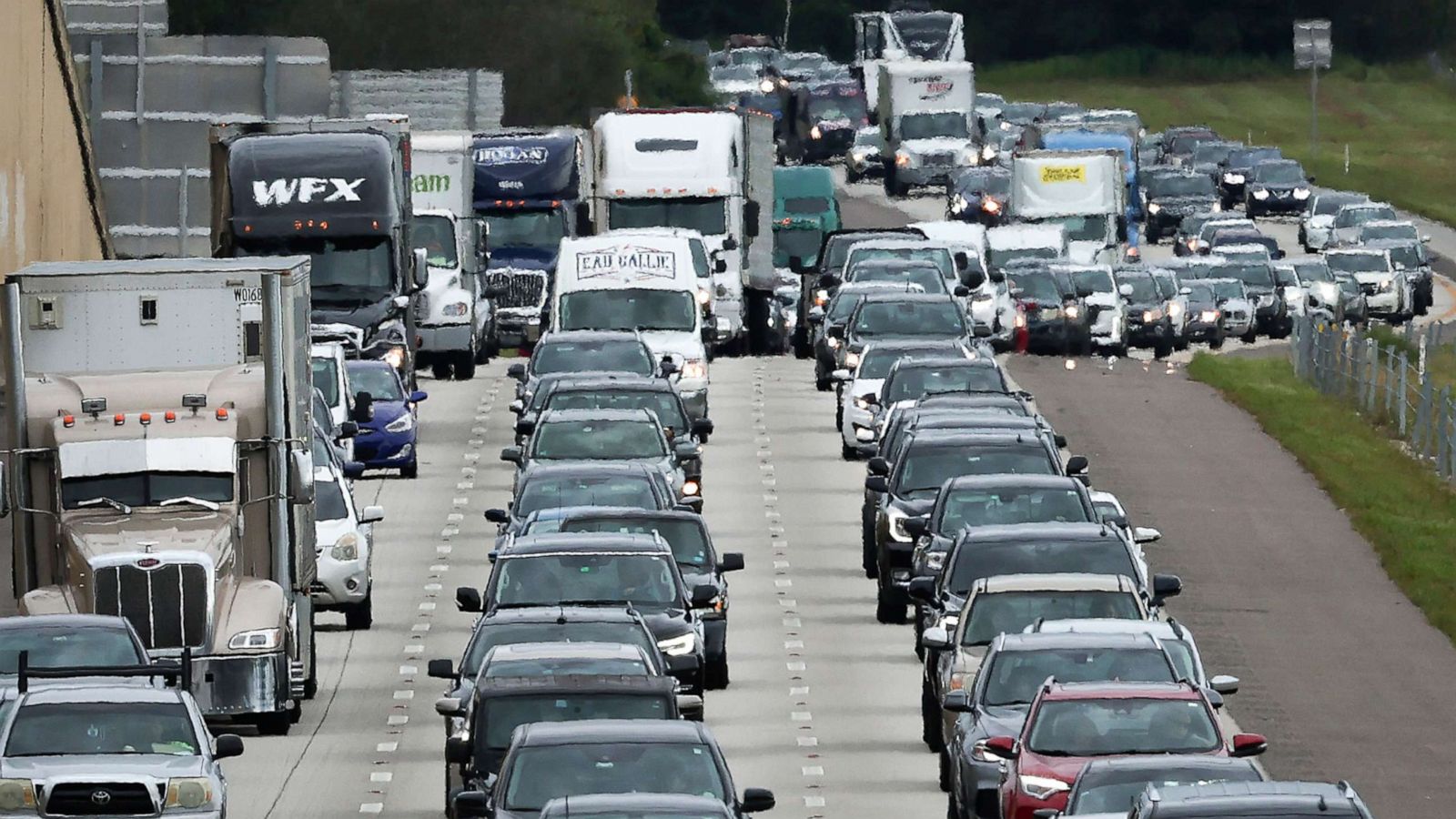
Dealing with Post-Evacuation Travel Disruptions
If your travel plans are disrupted due to an evacuation, patience and flexibility are key.
- Rebooking and Extensions: Airlines, hotels, and car rental agencies may experience surges in demand for rebookings. Be prepared for potential delays and limited availability. Consider alternative accommodation options outside the evacuated area.
- Communication is Key: Stay in regular contact with your travel providers and accommodation to understand re-entry procedures and the status of your booking.
- Embrace Flexibility: Sometimes, disruptions can lead to unexpected adventures. If your original plans are significantly altered, be open to exploring new parts of Florida or adjusting your itinerary.
By understanding the diverse meanings and implications of “evacuation” in Florida, travelers can better prepare for potential scenarios, ensuring safety and minimizing disruption, while appreciating the strategic efforts of the tourism industry to provide consistent, high-quality experiences.
LifeOutOfTheBox is a participant in the Amazon Services LLC Associates Program, an affiliate advertising program designed to provide a means for sites to earn advertising fees by advertising and linking to Amazon.com. Amazon, the Amazon logo, AmazonSupply, and the AmazonSupply logo are trademarks of Amazon.com, Inc. or its affiliates. As an Amazon Associate we earn affiliate commissions from qualifying purchases.