
Understanding the political status of Puerto Rico is fundamental for any traveler planning a visit, seeking to comprehend its cultural nuances, or simply engaging with its rich history and vibrant present. Often a subject of discussion and sometimes confusion, the island’s relationship with the United States is unique and multifaceted.
The Political Landscape: Commonwealth Status
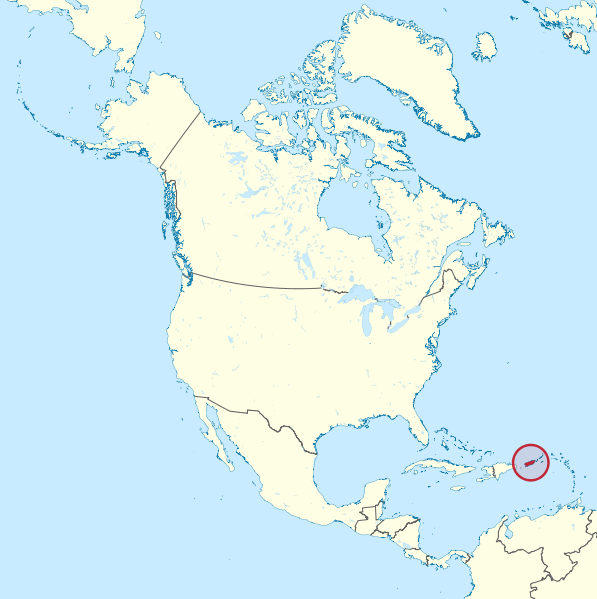
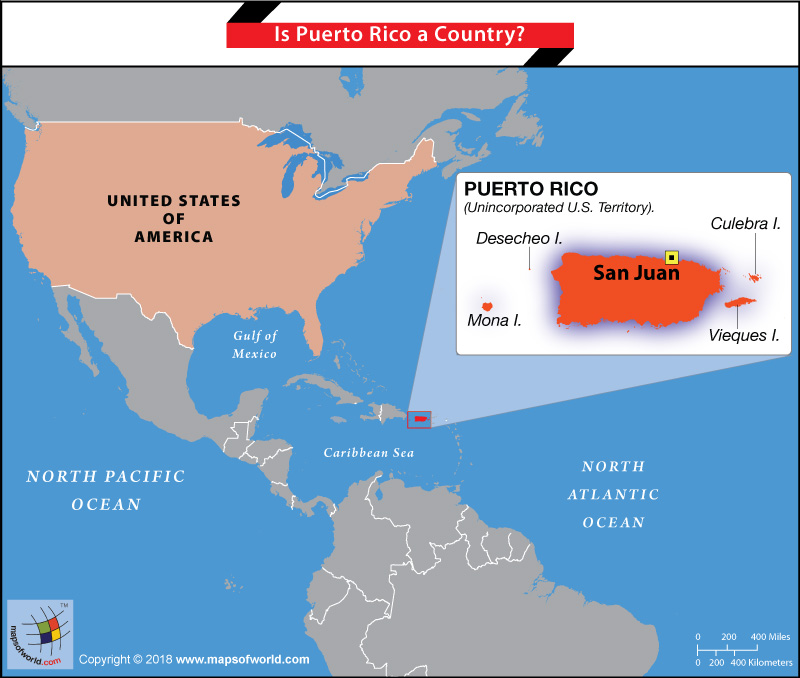
At its core, Puerto Rico is an unincorporated territory of the United States. This designation, established by the Insular Cases in the early 20th century, signifies that the U.S. Constitution does not apply to the island in its entirety, unlike a state. While residents of Puerto Rico are U.S. citizens and can travel freely between the island and the mainland without passports, they do not have voting representation in the U.S. Congress and cannot vote in presidential elections unless they establish residency in one of the 50 states.
Key Characteristics of Commonwealth Status
- U.S. Citizenship: Since the passage of the Jones-Shafroth Act in 1917, individuals born in Puerto Rico are granted U.S. citizenship. This is a significant link that distinguishes it from other territories.
- Federal Laws and Jurisdiction: Many, but not all, federal laws of the United States are applicable in Puerto Rico. However, the island has its own constitution and a degree of local self-governance, with an elected governor and a bicameral legislature.
- Economic Ties: The U.S. dollar is the official currency, and goods flow freely between the island and the mainland without federal tariffs. However, residents are exempt from federal income tax on income earned within Puerto Rico, though they do pay local taxes. Social Security and Medicare benefits are generally available, but often at different levels than in the states.
- Defense and Foreign Policy: Puerto Rico is defended by the U.S. military, and foreign policy is determined by the United States.
The concept of “commonwealth” has been interpreted in various ways over time, leading to ongoing debates about the island’s ultimate political destiny. While it provides a framework for a distinct identity and some measure of autonomy, it also subjects Puerto Rico to the authority of the U.S. federal government, creating a complex political dynamic that influences all aspects of life on the island.
Implications for Travelers: Navigating a Unique Destination
For visitors, this political status translates into a travel experience that is both familiar and distinct. Understanding these nuances enhances the appreciation of the island’s rich cultural tapestry and the resilience of its people.
Travel Logistics and Entry Requirements
- No Passport Needed: U.S. citizens traveling between Puerto Rico and the mainland United States do not need a passport. A valid government-issued photo ID, such as a driver’s license or state ID, is sufficient.
- Currency: The U.S. dollar is the official currency, meaning no currency exchange is necessary for those coming from the mainland.
- Communication: Mobile phone service generally works seamlessly, with most major U.S. carriers providing domestic roaming rates.
- No Customs (from U.S.): When arriving from the U.S. mainland, there are no federal customs or immigration checks. Luggage is typically handled as domestic travel.
However, it is important to remember that while the logistical hurdles are minimal, the cultural and historical context of Puerto Rico is profoundly distinct from that of the continental United States. This unique blend is precisely what makes the island such a compelling destination.
Cultural Identity: A Blend of Influences
Puerto Rico’s cultural identity is a vibrant fusion shaped by its indigenous Taíno heritage, centuries of Spanish colonial rule, African influences from the era of slavery, and its modern relationship with the United States. This rich heritage is evident in its language, music, cuisine, art, and traditions, creating a captivating experience for visitors.
Language and Heritage
- Spanish and English: Spanish is the primary language spoken by the vast majority of Puerto Ricans, and it is the language of daily life. English is also widely spoken, especially in tourist areas and by those with greater exposure to the U.S. mainland, making communication relatively easy for English speakers.
- Taíno Roots: The indigenous Taíno people, though their population was decimated by disease and conflict after the arrival of Europeans, left an indelible mark on Puerto Rico. Many everyday words, place names, and aspects of the local diet can be traced back to the Taíno culture.
- Spanish Colonial Legacy: The Spanish influence is perhaps the most visible, evident in the architecture of historic cities like Old San Juan, the prevalence of Catholic traditions, and a rich literary and artistic history.
- African Contributions: The transatlantic slave trade brought significant African cultural elements to the island, which are deeply embedded in its music, dance (like bomba and plena), and religious practices.
Gastronomy and Festivals
The culinary scene in Puerto Rico is a testament to its diverse heritage. Signature dishes like mofongo (mashed plantains with garlic and broth, often mixed with meat or seafood), lechón (roast pig), and arroz con gandules (rice with pigeon peas) are staples that showcase the island’s agricultural bounty and culinary traditions. The ubiquitous café con leche is a morning ritual, and fresh tropical fruits abound.
Festivals and celebrations are integral to the Puerto Rican way of life, often blending religious observance with joyous public gatherings. From the elaborate Christmas festivities to the vibrant fiestas patronales (patron saint festivals) in each town, these events offer an immersive glimpse into the island’s communal spirit and enduring traditions.
Exploring Puerto Rico: A Destination of Diverse Attractions
Beyond its political status and cultural richness, Puerto Rico offers a breathtaking array of natural beauty, historical sites, and modern attractions. Whether you’re drawn to the allure of its beaches, the mystique of its rainforests, or the charm of its colonial cities, the island promises an unforgettable experience.
Natural Wonders
- El Yunque National Forest: As the only tropical rainforest in the U.S. National Forest System, El Yunque is a jewel of biodiversity. Visitors can hike through lush trails, discover cascading waterfalls like the La Mina Falls (currently undergoing restoration), and marvel at the unique flora and fauna.
- Bioluminescent Bays: Puerto Rico boasts several bioluminescent bays, most famously the Mosquito Bay in Vieques, where microscopic organisms light up the water with an ethereal blue glow upon disturbance. Kayaking or boat tours in these bays at night are a magical experience.
- Beaches: From the popular surf spots of Rincón to the serene, white-sand shores of Culebra and Vieques, Puerto Rico offers a stunning coastline. Flamenco Beach on Culebra is consistently ranked among the world’s best.

Historical and Urban Exploration
- Old San Juan: A UNESCO World Heritage site, Old San Juan is a vibrant colonial district with cobblestone streets, colorful buildings, and formidable Spanish fortresses.
- Castillo San Felipe del Morro: This iconic 16th-century citadel, also known as El Morro, stands guard over the entrance to San Juan Bay and offers panoramic ocean views.
- Castillo San Cristóbal: The largest Spanish fortification in the New World, Castillo San Cristóbal offers a glimpse into military history and provides stunning vistas of the city and coastline.
- San Juan National Historic Site: This encompasses the historic fortifications and walls of San Juan, offering a comprehensive historical perspective.
- Ponce: Known as “The Pearl of the South,” Ponce boasts a beautiful historic district with unique architecture, a lively arts scene, and the impressive Museo de Arte de Ponce.
In conclusion, while the political status of Puerto Rico is complex and often debated, for travelers, it presents an accessible yet distinct destination. The island is an unincorporated territory of the United States, offering U.S. citizens the convenience of domestic travel with the allure of a foreign culture. This unique position allows visitors to immerse themselves in a world rich with history, vibrant traditions, and breathtaking natural beauty, all within a framework that simplifies travel logistics for those coming from the mainland.
LifeOutOfTheBox is a participant in the Amazon Services LLC Associates Program, an affiliate advertising program designed to provide a means for sites to earn advertising fees by advertising and linking to Amazon.com. Amazon, the Amazon logo, AmazonSupply, and the AmazonSupply logo are trademarks of Amazon.com, Inc. or its affiliates. As an Amazon Associate we earn affiliate commissions from qualifying purchases.