
The question of whether Florida leans “Red” or “Blue” is a frequent topic of discussion, particularly during election cycles. This inquiry delves into the state’s political leanings, its voting patterns, and the demographic shifts that influence its electoral landscape. While often characterized by its vibrant tourist industry and sunny disposition, Florida has emerged as a pivotal battleground state in American politics, with its electoral outcomes frequently determining the national presidential race. Understanding the historical context, the current political climate, and the underlying factors driving Florida’s political identity is crucial for comprehending its role in the broader American political narrative.

Historical Political Trends in Florida
Florida’s political history is a complex tapestry, marked by periods of both Democratic and Republican dominance. For much of the 20th century, Florida was considered a reliably Democratic state, a trend that began to shift in the latter half of the century. This transition was gradual, influenced by a confluence of demographic changes, economic developments, and evolving social values.
The Civil Rights Era and Shifting Alliances
The Civil Rights Movement had a profound impact on the political landscape of the American South, and Florida was no exception. While the state had a Democratic majority, the national Democratic Party’s embrace of civil rights legislation led to a significant realignment of voters. Many white voters in the South, including a substantial portion of Florida’s electorate, began to shift their allegiance to the Republican Party. This marked the beginning of a long-term trend that would see the state gradually turn more conservative.
The Rise of the Republican Party
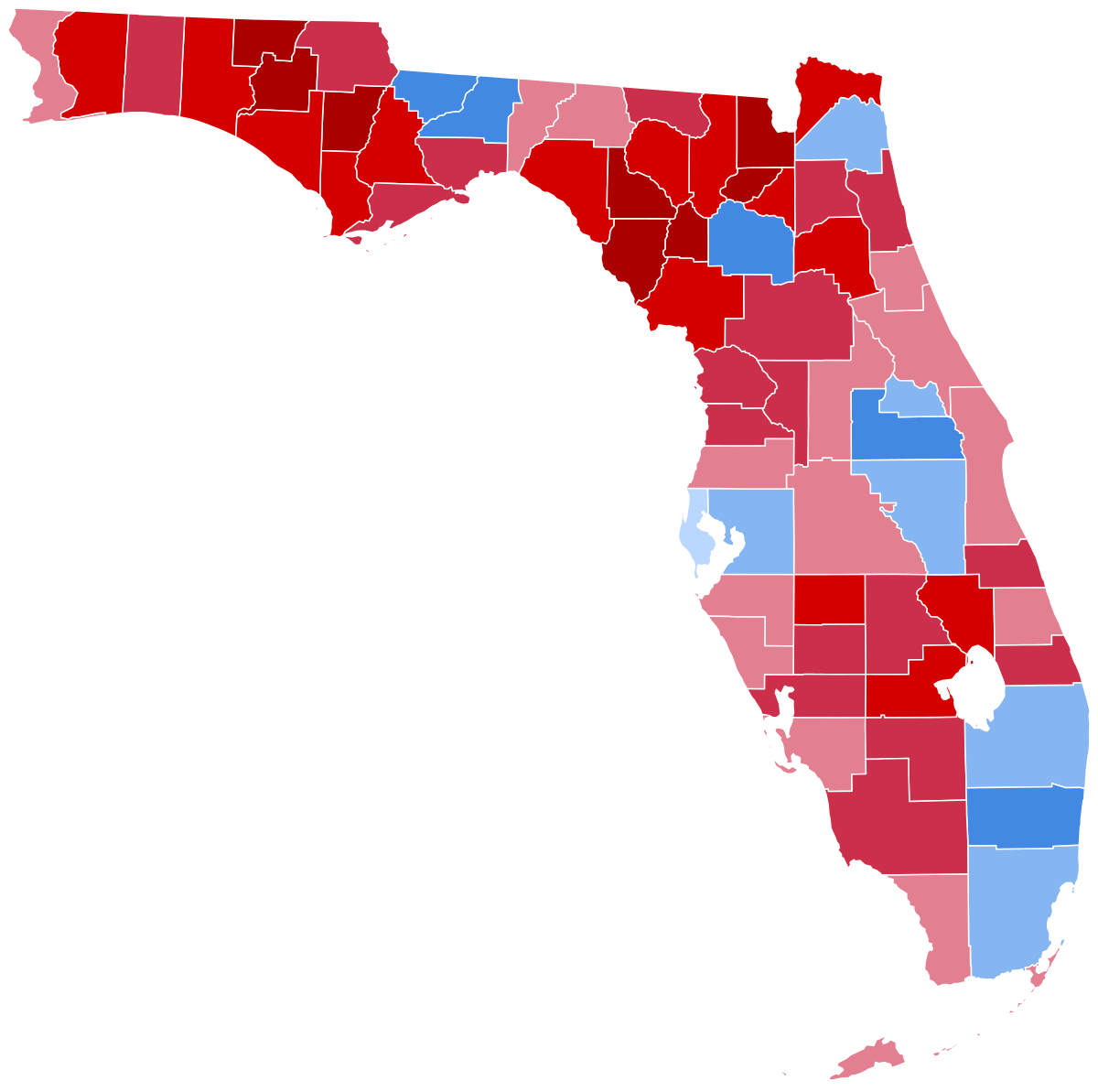
By the late 20th century and into the 21st century, the Republican Party had solidified its hold on Florida. Presidential elections in recent decades have often seen the state swing Republican. This trend has been attributed to several factors, including the influx of conservative retirees from the Midwest and Northeast, a growing Cuban-American and Venezuelan-American population in South Florida that has tended to lean Republican, and a general shift towards conservative policies among a significant segment of the state’s population.
Electoral Significance
The shift in Florida’s political alignment has made it a crucial swing state. Its electoral votes are highly coveted by both major parties, and its outcomes are often determined by narrow margins. The famously close 2000 presidential election, which hinged on the results in Florida, underscored the state’s pivotal role in national elections. This makes any analysis of Florida’s political leanings inherently tied to the broader narrative of American presidential politics.
Demographic Influences on Florida’s Political Landscape
Florida’s diverse and ever-changing demographics play a pivotal role in shaping its political identity. The state’s rapid population growth, coupled with significant in-migration from across the United States and internationally, creates a dynamic electoral environment. Understanding these demographic shifts is key to understanding why Florida has moved towards the Republican column in recent years.
Retirement Migration and the “Snowbird” Effect
For decades, Florida has been a favored destination for retirees from colder climates, particularly the Midwest and Northeast. These “snowbirds” often bring their established political views with them, and many have historically leaned more conservative. As these populations have grown, they have contributed to the state’s Republican leanings, particularly in central and western parts of the state.
Hispanic and Latino Voters
The Hispanic and Latino population in Florida is substantial and growing, encompassing a wide range of national origins and political perspectives. Historically, many Hispanic voters have leaned Democratic. However, in Florida, the political preferences within this demographic are complex and multifaceted. For instance, a significant portion of Cuban-Americans in Miami-Dade County have historically supported the Republican Party, often due to their experiences with communism in Cuba. More recently, Venezuelan-Americans and other groups have also shown a tendency to lean Republican. Conversely, Puerto Rican voters, who are numerous in central Florida, have generally leaned Democratic. This diversity within the Hispanic and Latino vote makes it a crucial, yet unpredictable, bloc in Florida’s elections.

Urban vs. Rural Divides
As in many states, Florida exhibits a pronounced urban-rural divide in its voting patterns. Major metropolitan areas such as Miami, Orlando, and Tampa tend to be more Democratic-leaning, reflecting more diverse populations and often more liberal social values. In contrast, the more rural and suburban areas of the state, particularly in the Panhandle and central Florida, tend to be more Republican-dominated. This geographical polarization contributes significantly to the state’s swing-state status.
Younger Voters and Emerging Trends
While Florida has trended Republican in recent presidential elections, there are ongoing demographic shifts that could influence its future political trajectory. The growth of younger voter blocs, who often exhibit more liberal tendencies, and the increasing diversity of the state could lead to a more competitive political environment in the long term. The outcome of elections will increasingly depend on the engagement and voting patterns of these emerging demographic groups.
Key Issues Driving Florida’s Political Leanings
Beyond demographic shifts, specific policy issues and ideological currents profoundly influence how Floridians vote. The state’s unique characteristics, from its extensive coastline to its reliance on tourism, shape the issues that resonate most with its electorate.
Economic Policies and Taxes
Florida famously has no state income tax, a policy that appeals to many residents and businesses. This fiscal conservatism aligns with a broader Republican platform that emphasizes lower taxes and reduced government spending. Debates around property taxes, sales taxes, and business regulations often become central to electoral campaigns, with voters weighing which party’s approach best serves their economic interests. The state’s robust tourism sector also means that economic performance and policies affecting businesses are always under scrutiny.
Social and Cultural Issues
Social and cultural issues often play a significant role in Florida’s political debates. Issues such as abortion rights, LGBTQ+ rights, education policies, and religious freedom can mobilize different segments of the electorate. The state’s diverse population means that a wide range of viewpoints exist on these matters, leading to passionate discussions and electoral competition. For example, debates around school curricula, parental rights, and diversity initiatives have become increasingly prominent in recent election cycles.
Environmental Concerns and Climate Change
As a state with an extensive coastline and a fragile ecosystem, environmental issues, including climate change and water quality, are of paramount importance to many Floridians. The potential impacts of rising sea levels, more frequent and intense hurricanes, and the health of the Everglades and other natural resources are significant concerns. While there can be partisan divides on the urgency and proposed solutions to climate change, the tangible effects on the state’s environment and economy make it a persistent issue that candidates must address. This can lead to a complex interplay of conservative economic principles and environmental advocacy.
Healthcare and Social Services
The provision of healthcare and social services is another critical area of concern for Floridians. Debates over the Affordable Care Act, access to healthcare, the cost of insurance, and the funding of social safety nets are consistently present in political discourse. The state’s large retiree population, in particular, is highly invested in the future of Medicare and prescription drug costs. These issues cut across party lines, but the proposed solutions often reflect differing ideological approaches to government’s role in providing and regulating these services.
Conclusion: A Continuously Evolving Political Landscape
In conclusion, the question of whether Florida is “usually Red or Blue” does not yield a simple, static answer. Historically, it was a Democratic stronghold, but over the past few decades, it has solidified its position as a key Republican-leaning state, particularly in presidential elections. This shift is a testament to the complex interplay of demographic changes, conservative migration patterns, and the evolving political attitudes of its diverse population.
However, Florida remains a battleground state. Its large and growing electorate, its significant minority populations with diverse political leanings, and the persistent urban-rural divide ensure that electoral outcomes can be fiercely contested. The state’s political landscape is not fixed; it is in a constant state of evolution, shaped by new arrivals, changing economic conditions, and the ongoing debates over crucial policy issues ranging from economic development and taxation to environmental protection and social values. Therefore, while the recent trend points towards Red, the future political trajectory of Florida is subject to continuous flux, making it a perpetually fascinating and critical component of American politics.
LifeOutOfTheBox is a participant in the Amazon Services LLC Associates Program, an affiliate advertising program designed to provide a means for sites to earn advertising fees by advertising and linking to Amazon.com. Amazon, the Amazon logo, AmazonSupply, and the AmazonSupply logo are trademarks of Amazon.com, Inc. or its affiliates. As an Amazon Associate we earn affiliate commissions from qualifying purchases.