
Puerto Rico, the enchanting island often referred to as the “Island of Enchantment,” beckons travelers with its vibrant culture, stunning natural beauty, and rich history. From the cobblestone streets of Old San Juan to the bioluminescent bays and pristine beaches, the allure of this U.S. territory is undeniable. However, for many prospective visitors, a crucial question looms: “Is Puerto Rico a safe place to visit?” This article aims to provide a comprehensive and balanced perspective on safety in Puerto Rico, delving into common concerns, offering practical advice, and highlighting the experiences of countless tourists who enjoy the island without incident.
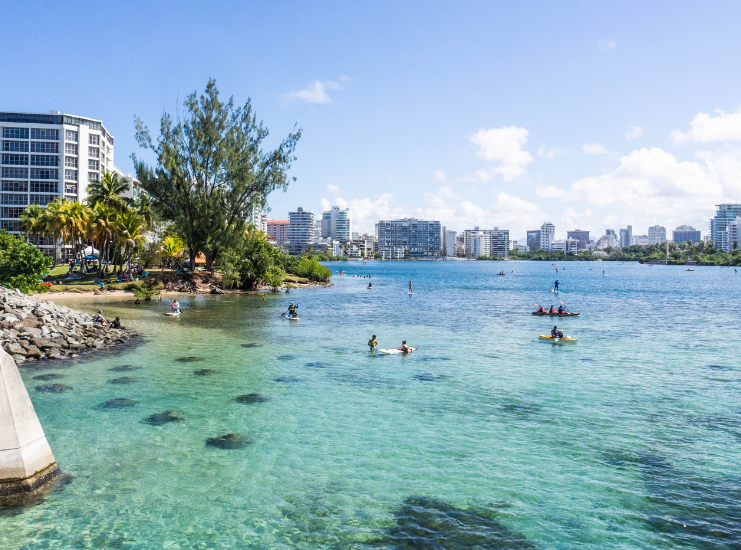
Understanding Safety Perceptions in Puerto Rico
It is important to acknowledge that perceptions of safety can be influenced by various factors, including media coverage, anecdotal experiences, and comparisons to other destinations. Like any popular tourist destination, Puerto Rico experiences crime, and it’s prudent for travelers to be aware of their surroundings and take standard precautions. However, it is also vital to differentiate between general crime rates and the specific safety concerns that might affect tourists.
Crime Statistics and Tourist Impact
Official crime statistics in Puerto Rico, like in many other places, can paint a complex picture. While certain areas might experience higher rates of crime, these incidents are often localized and rarely involve tourists directly. The vast majority of visitors experience a safe and enjoyable vacation. The focus for travelers should be on common-sense safety practices rather than succumbing to exaggerated fears.
Natural Disasters and Preparedness
Puerto Rico’s geographical location makes it susceptible to natural phenomena, most notably hurricanes. The devastating impact of Hurricane Maria in 2017 is a stark reminder of this vulnerability. However, the island has made significant strides in its recovery and resilience. Infrastructure has been rebuilt and strengthened, and the tourism industry is well-prepared to manage potential disruptions. Visitors should always stay informed about weather forecasts, especially during hurricane season (June 1 to November 30), and heed any advisories from local authorities or their accommodation providers.
Practical Safety Tips for Travelers
Adhering to basic safety guidelines significantly enhances a traveler’s experience in Puerto Rico. These recommendations are largely universal for visiting any new destination and are designed to minimize risks and maximize enjoyment.
General Awareness and Precautions
- Be aware of your surroundings: This is the cardinal rule for any traveler. Pay attention to what’s happening around you, especially in crowded areas or unfamiliar neighborhoods.
- Avoid displaying valuable items: Keep expensive jewelry, electronics, and large amounts of cash out of sight.
- Secure your belongings: Use hotel safes for valuables and keep bags and purses close to you.
- Do not walk alone at night in deserted areas: Stick to well-lit, populated streets, particularly after dark.
- Trust your instincts: If a situation feels uncomfortable or unsafe, remove yourself from it.
- Inform someone of your itinerary: Let a friend or family member back home know where you are going and when you expect to be back.
Transportation Safety
- Use reputable taxi services or ride-sharing apps: When in doubt, ask your hotel concierge or a trusted local for recommendations. Avoid hailing unmarked taxis.
- Be cautious when driving: Roads can be narrow and winding, and driving habits may differ from what you’re accustomed to. Be mindful of speed limits and local traffic patterns. Ensure your rental car is locked and parked in well-lit areas.
- Public transportation: While available, it might not be the most convenient or safest option for all tourist areas, especially for first-time visitors.
Water and Beach Safety
Puerto Rico boasts some of the most beautiful beaches in the Caribbean, but the ocean can present its own set of risks.
- Swim in designated areas: Look for beaches with lifeguards and swim within marked boundaries.
- Heed warning flags: Red flags indicate dangerous currents or conditions.
- Be aware of rip currents: These can pull even strong swimmers out to sea. If caught in one, stay calm and swim parallel to the shore until you are out of the current, then swim back to land.
- Do not swim alone: It’s always safer to have someone with you.
- Respect marine life: Avoid touching or disturbing coral reefs or sea creatures.
Exploring Puerto Rico Responsibly and Safely
The key to a safe and fulfilling trip to Puerto Rico lies in preparedness, common sense, and a positive mindset. The island offers an incredible array of experiences, from exploring the historic fortifications of Castillo San Felipe del Morro to immersing yourself in the vibrant nightlife of Condado.
Cultural Immersion and Local Interaction
Engaging with the local culture is a highlight of any visit to Puerto Rico. Interacting with locals is generally a positive and enriching experience.
- Learn a few basic Spanish phrases: While English is widely spoken in tourist areas, a little Spanish goes a long way in fostering goodwill.
- Be respectful of local customs and traditions: Observe and adapt to the local way of life.
- Ask for recommendations: Locals are often the best source for authentic dining experiences and hidden gems.
Specific Tourist Areas and Safety
Major tourist hubs like San Juan, including Old San Juan, Condado, and Isla Verde, are generally safe and well-patrolled. These areas are accustomed to receiving visitors and have infrastructure in place to support them.
- Old San Juan: This UNESCO World Heritage site is a popular destination with a strong police presence. While crowds can be large, especially during peak season or events, being aware of pickpockets is advisable, as in any busy tourist district worldwide.
- Condado and Isla Verde: These beachfront districts are known for their resorts, restaurants, and nightlife. They are considered safe, but standard precautions regarding personal belongings and late-night activities in less populated areas should still be observed.
Adventure Activities
Puerto Rico offers thrilling adventures like zip-lining through the El Yunque National Forest, hiking to waterfalls, and kayaking in the famous Bioluminescent Bay in Fajardo. Reputable tour operators prioritize safety and provide necessary equipment and trained guides.
- Choose licensed and reputable operators: Always book tours and activities through established companies with good reviews.
- Follow guide instructions: Listen carefully to your guides and adhere to all safety briefings.
- Wear appropriate gear: Ensure you are equipped with the necessary safety gear, such as helmets or life vests, as provided by the operator.
Emergency Preparedness and Assistance
In the unlikely event of an emergency, knowing how to get help is crucial.
Emergency Numbers
- 911: This is the universal emergency number in Puerto Rico for police, fire, and medical assistance.
Staying Informed
- U.S. Department of State: For U.S. citizens, the U.S. Department of State provides travel advisories and information on destinations. While Puerto Rico is a U.S. territory, it’s always good practice to check for any specific alerts.
- Local News and Weather: Stay updated on local news and weather reports, especially during hurricane season.

Conclusion: A Welcoming and Safe Destination
In conclusion, Puerto Rico is, for the vast majority of visitors, a safe and incredibly rewarding place to travel. The island’s allure lies not only in its breathtaking landscapes and vibrant culture but also in the warm hospitality of its people. By adopting a proactive approach to safety, staying informed, and employing common-sense precautions, travelers can confidently explore the wonders of the Island of Enchantment and create unforgettable memories. The risks associated with visiting Puerto Rico are comparable to those of visiting any major tourist destination worldwide, and with mindful planning, a trip to this Caribbean paradise is both feasible and exceptionally enjoyable.
LifeOutOfTheBox is a participant in the Amazon Services LLC Associates Program, an affiliate advertising program designed to provide a means for sites to earn advertising fees by advertising and linking to Amazon.com. Amazon, the Amazon logo, AmazonSupply, and the AmazonSupply logo are trademarks of Amazon.com, Inc. or its affiliates. As an Amazon Associate we earn affiliate commissions from qualifying purchases.