
As the Atlantic hurricane season gains momentum, many travelers and residents alike turn their attention to the Sunshine State, a perennial favorite for vacations and a common target for tropical cyclones. The question, “Is Hurricane Going To Hit Florida?” is not just a matter of weather forecasting; it’s a critical consideration for anyone planning a trip, booking accommodation, or simply living in the state. Understanding the factors that influence hurricane development and tracking, especially concerning Florida, is paramount for safety and preparedness. This article delves into the meteorological aspects, historical patterns, and the practical implications for tourism and travel in this popular destination.
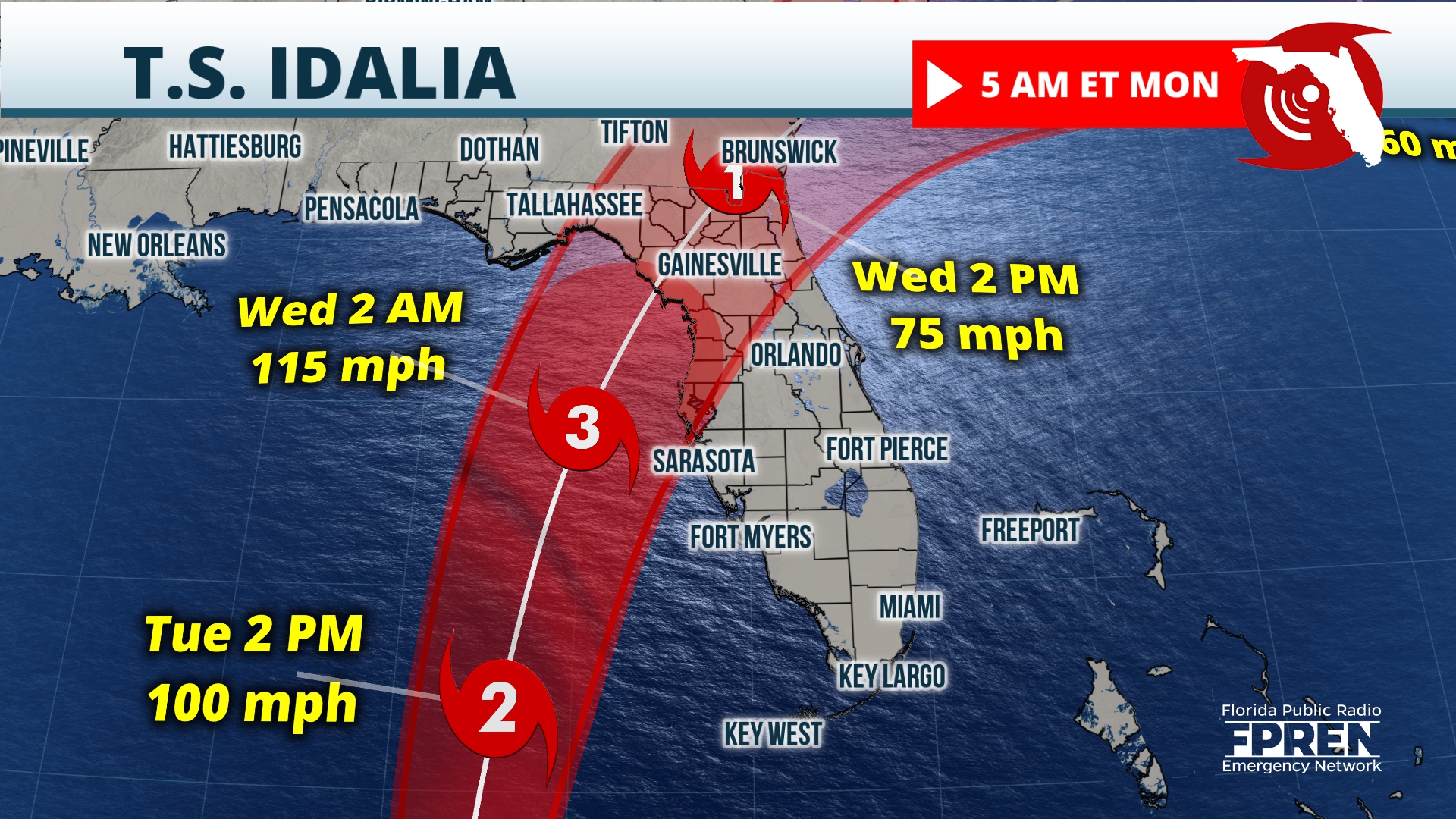
Understanding Hurricane Formation and Tracking
Hurricanes are powerful rotating storms that form over warm ocean waters. Their genesis is a complex interplay of atmospheric conditions, including warm sea surface temperatures, low wind shear, and a pre-existing weather disturbance. The Atlantic Ocean provides a fertile breeding ground for these phenomena, particularly during the peak months of hurricane season, from June 1st to November 30th.
Key Ingredients for Hurricane Development
The primary ingredient for a hurricane is warm ocean water. The National Hurricane Center (NHC) typically monitors tropical waves and disturbances that form off the coast of Africa. As these disturbances move westward across the Atlantic, they can encounter areas of sufficiently warm water (generally 80°F or higher) and favorable atmospheric conditions that allow them to intensify.
Other critical factors include:
- Moisture: Abundant moisture is needed to fuel the storm’s thunderstorms.
- Low Vertical Wind Shear: High winds at different altitudes can disrupt the storm’s vertical structure, preventing it from organizing and strengthening.
- Pre-existing Disturbance: A weather disturbance, such as a tropical wave, provides the initial rotation and convergence of air needed for development.
- Distance from the Equator: Hurricanes rarely form within a few degrees of the equator due to the Coriolis effect, which is necessary for initiating rotation.
Tracking Tropical Systems
Once a disturbance shows signs of organization and strengthening, it is classified by the NHC. The progression of classifications is as follows:
- Tropical Depression: A rotating system of clouds and thunderstorms with a defined circulation and maximum sustained winds of 38 mph or less.
- Tropical Storm: When sustained winds reach 39 to 73 mph, the system is given a name from the predetermined list for the season.
- Hurricane: Sustained winds of 74 mph or higher. Hurricanes are further categorized by the Saffir-Simpson Hurricane Wind Scale, which ranges from Category 1 (74-95 mph) to Category 5 (157 mph or higher).
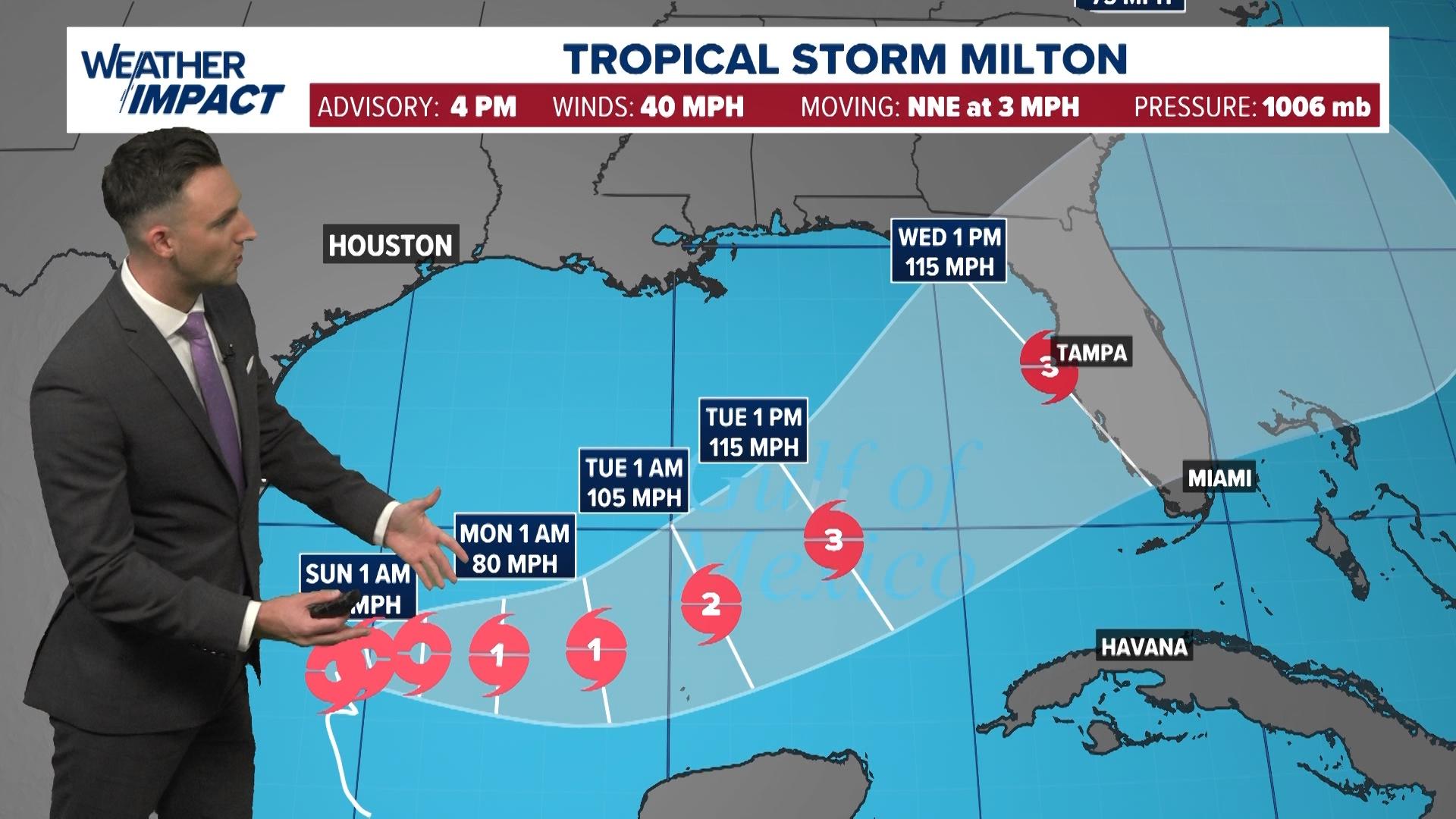
The NHC issues regular advisories, including track forecasts and intensity predictions, which are crucial for public awareness and preparedness. These forecasts utilize complex computer models that analyze various atmospheric data. However, it’s important to remember that hurricane tracks can and do change, often with little advance warning, making continuous monitoring essential.
Historical Hurricane Activity in Florida
Florida has a long and often tumultuous history with hurricanes. Its geographic position, jutting out into the Atlantic and bordering the Gulf of Mexico, makes it particularly susceptible to storms from multiple directions. The state experiences the most hurricane landfalls of any U.S. state, with a significant portion of these making direct impacts on its extensive coastline.
Notable Hurricane Strikes
Throughout history, Florida has endured some of the most devastating hurricanes on record. These events have shaped the state’s infrastructure, building codes, and emergency management strategies.
- The Labor Day Hurricane of 1935: This Category 5 storm struck the Florida Keys with catastrophic force, causing widespread destruction and immense loss of life. It remains one of the most intense hurricanes to ever make landfall in the United States.
- Hurricane Andrew (1992): A powerful Category 5 hurricane that devastated South Florida, particularly Homestead and the surrounding areas. Its impact led to significant revisions in building codes and a renewed focus on hurricane preparedness.
- Hurricane Irma (2017): This massive Category 4 storm brought destructive winds and storm surge to much of the state, impacting the Florida Keys and the west coast before moving inland.
- Hurricane Michael (2018): A surprisingly strong Category 5 hurricane that made landfall in the Panhandle, causing unprecedented damage to Mexico Beach and surrounding communities.
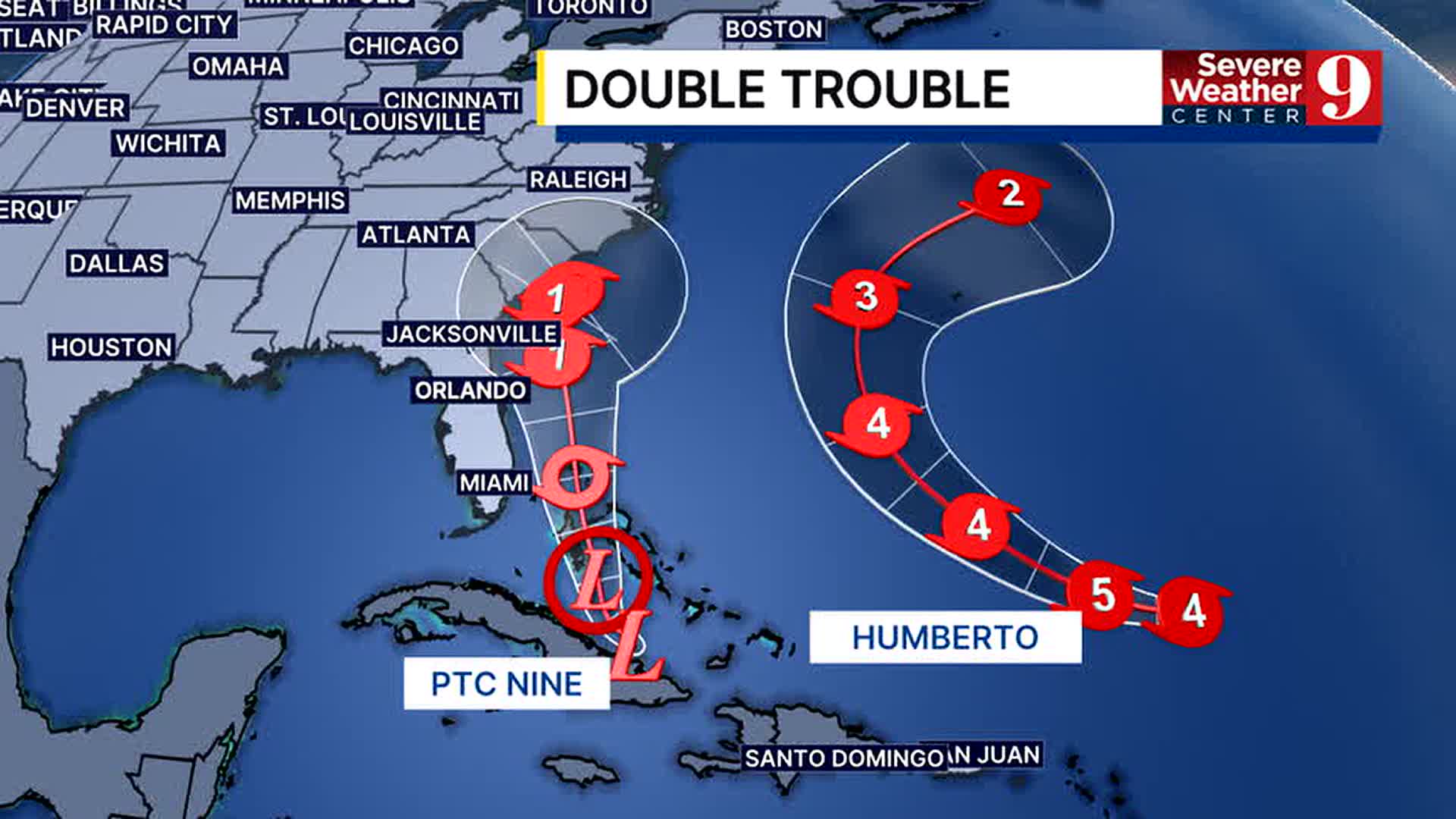
These are just a few examples, and countless other tropical storms and hurricanes have affected Florida, impacting its beaches, cities, and ecosystems. Understanding this history provides context for current concerns about potential future storms.
Seasonal Trends and Patterns
While it’s impossible to predict with certainty whether a specific hurricane will hit Florida in any given year, meteorological data reveals certain trends. Historically, the peak of the Atlantic hurricane season, typically from mid-August to late October, sees the highest probability of storms developing and potentially impacting the state.
Factors that can influence storm tracks include:
- The Bermuda High: The position and strength of this high-pressure system in the Atlantic can steer hurricanes. A stronger Bermuda High often pushes storms westward towards the Caribbean and Florida.
- El Niño/La Niña: These climate patterns in the Pacific Ocean can influence Atlantic hurricane activity. El Niño years tend to suppress hurricane formation, while La Niña years often see increased activity.
Forecasting models are constantly being refined, and seasonal outlooks are issued by agencies like the National Oceanic and Atmospheric Administration (NOAA) to provide a general sense of expected activity. However, these are long-range predictions and do not pinpoint specific storm landfalls.
Implications for Travel and Tourism
For the millions who visit or live in Florida each year, the possibility of a hurricane hitting the state has significant implications for travel plans, tourism businesses, and resident safety. Preparedness and informed decision-making are key.
Planning a Trip to Florida
If you are planning a trip to Florida, especially during hurricane season, it’s wise to take certain precautions:
- Travel Insurance: Consider purchasing travel insurance that covers trip cancellations or interruptions due to severe weather. Review the policy details carefully to understand what events are covered.
- Flexible Bookings: When booking flights and accommodation, look for options that offer flexibility in changing dates or cancellations without significant penalties. Many hotels and airlines have adjusted their policies during hurricane season.
- Monitor Weather Forecasts: Keep a close eye on official weather sources like the National Hurricane Center and local news outlets for any developing tropical systems that might affect your destination.
- Stay Informed Upon Arrival: Once you are in Florida, be sure to know where to access the latest weather information and understand local emergency procedures.
Impact on Tourism Infrastructure
Florida’s robust tourism industry, encompassing everything from theme parks like Walt Disney World Resort to the pristine beaches of Miami and the historic charm of St. Augustine, is highly sensitive to hurricane activity.
- Closures and Cancellations: In the event of an approaching storm, attractions, hotels, and transportation services may close or suspend operations for safety. This can lead to widespread cancellations of tours, reservations, and events.
- Economic Impact: A significant hurricane can cause substantial economic losses for the tourism sector due to cancellations, damage to infrastructure, and a decline in visitor confidence. Recovery efforts can take months or even years.
- Resilience and Preparedness: Many tourism businesses in Florida have comprehensive hurricane preparedness plans, including evacuation procedures, securing property, and communicating with guests. This allows them to resume operations as quickly and safely as possible after a storm passes.
Safety and Evacuation
The primary concern when a hurricane threatens Florida is the safety of its residents and visitors. Understanding evacuation zones and procedures is vital.
- Evacuation Zones: Coastal areas and low-lying regions are typically designated as evacuation zones based on their susceptibility to storm surge and flooding. Official evacuation orders are issued by local authorities.
- “Shelter in Place” vs. Evacuation: If you are not in an evacuation zone and your accommodation is built to withstand hurricane-force winds, staying put might be an option. However, this decision should always be based on official guidance and an assessment of your immediate surroundings.
- Emergency Supplies: Regardless of whether you are advised to evacuate, having an emergency kit with essentials like water, non-perishable food, a first-aid kit, flashlights, and batteries is crucial.
The question “Is Hurricane Going To Hit Florida?” is a dynamic one, subject to the ever-changing nature of meteorology. While definitive answers are impossible far in advance, understanding the science, historical context, and practical implications allows for better preparation, ensuring that travel and life in the Sunshine State can navigate the season with the utmost safety and awareness.
LifeOutOfTheBox is a participant in the Amazon Services LLC Associates Program, an affiliate advertising program designed to provide a means for sites to earn advertising fees by advertising and linking to Amazon.com. Amazon, the Amazon logo, AmazonSupply, and the AmazonSupply logo are trademarks of Amazon.com, Inc. or its affiliates. As an Amazon Associate we earn affiliate commissions from qualifying purchases.