
Navigating the educational landscape for young children in a new state can be a complex undertaking for families. As parents consider relocations or plan their children’s early academic journeys, understanding the mandatory attendance requirements is paramount. Florida, a popular destination for families due to its vibrant culture, diverse attractions, and favorable lifestyle, has specific regulations concerning early childhood education. This article delves into the requirement of kindergarten attendance in Florida, offering clarity for parents and guardians.
Understanding Florida’s Compulsory Education Laws
Florida’s compulsory education law mandates that children between the ages of 6 and 16 must attend school. This law, primarily governed by Florida Statutes § 1003.21, outlines the educational obligations for residents. While the age of 6 is the general entry point for compulsory education, the specifics of kindergarten enrollment are crucial for younger children.
Age of School Entry
In Florida, a child must be five years of age on or before September 1 of the school year to be eligible for kindergarten. This establishes the typical starting point for formal schooling. Children who meet this age requirement are generally expected to enroll in kindergarten. The law is designed to ensure that children receive foundational academic instruction, preparing them for subsequent grades and fostering their development.
Kindergarten as a Prerequisite
While the law explicitly states the age range for compulsory education (6-16), it implicitly includes kindergarten as the initial stage of this requirement. Many Florida school districts, and indeed the state’s educational framework, treat kindergarten as the de facto commencement of a child’s educational journey under the compulsory attendance umbrella. This means that while a child legally might not be compelled to attend until they are six, reaching the kindergarten age of five with a September 1st birthday generally necessitates enrollment. This aligns with the state’s goal of providing early literacy and numeracy skills.
The Role of Voluntary Pre-Kindergarten (VPK)
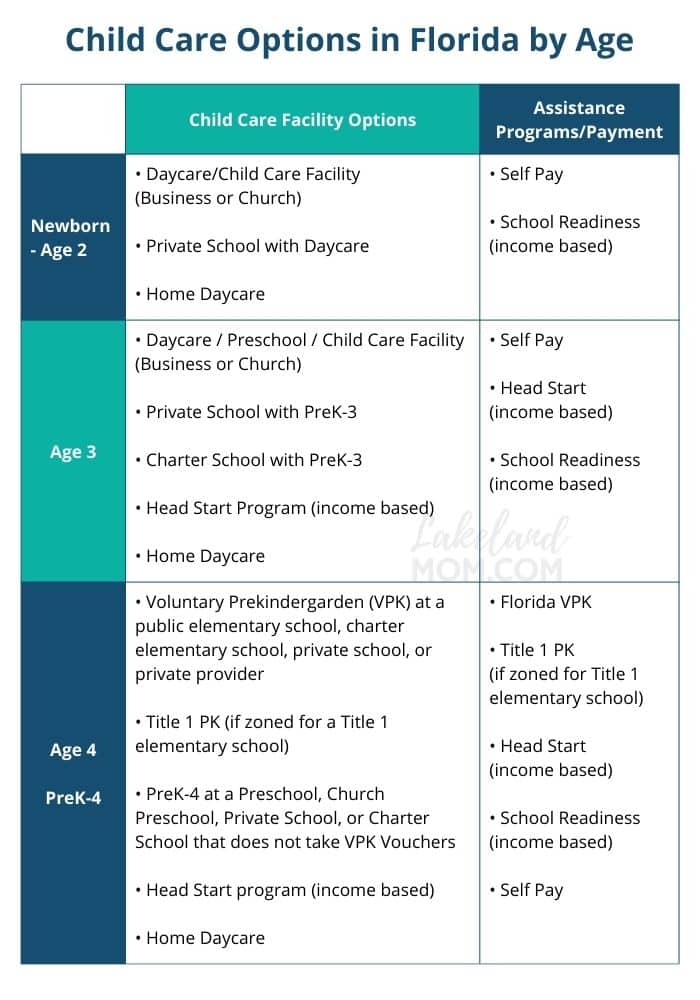
Florida offers a robust Voluntary Pre-Kindergarten (VPK) program, which is a valuable component of the state’s commitment to early childhood education. While VPK is voluntary, it is often the first formal educational experience for many Florida children.
VPK Program Overview
The VPK program provides a high-quality, free educational program for all four-year-old children, regardless of family income. The program is designed to prepare children for kindergarten and beyond by focusing on early literacy, numeracy, and social-emotional development. VPK classrooms are led by certified early childhood educators and follow a curriculum that is aligned with Florida’s Early Learning and Developmental Standards.
VPK and Kindergarten Requirements
It is important to distinguish between VPK and mandatory kindergarten. VPK is an optional program for four-year-olds. However, the skills and readiness gained in VPK can significantly benefit a child when they enter kindergarten the following year. While not mandatory, the VPK program serves as a crucial stepping stone for many families looking to give their children a strong start in the Florida public school system.
Enrolling Your Child in Kindergarten
For families residing in Florida, understanding the enrollment process for kindergarten is essential. Whether opting for public or private education, there are specific steps and requirements to follow.
Public School Enrollment
Public kindergarten in Florida is free for all eligible residents. To enroll, parents typically need to provide proof of residency within the school district, the child’s birth certificate, immunization records, and a physical examination form completed by a healthcare provider. The specific documentation requirements may vary slightly by school district, so it is advisable to contact the local school or school district office for precise details.

Private School Enrollment
Florida also has a wide array of private schools that offer kindergarten programs. These institutions may have their own admission criteria, curriculum, and tuition fees. Parents interested in private education should research schools in their desired areas, such as cities like Miami or Orlando, and contact them directly for enrollment information. The state’s School Choice programs may also offer scholarships or assistance for eligible families pursuing private education.
Special Considerations for Enrollment
For children with special needs, Florida law provides for early intervention services and individualized education programs (IEPs). Parents of children who may require specialized support should discuss these needs with the school district during the enrollment process. Early identification and intervention are critical for ensuring that all children receive the appropriate educational support.
Alternatives and Exemptions
While kindergarten is generally expected for children reaching the eligible age, Florida law does provide for certain exemptions and alternative educational pathways.
Early Admission to First Grade
In exceptional cases, children who demonstrate exceptional academic ability may be considered for early admission to first grade, bypassing kindergarten. This typically requires a rigorous assessment by the school district to ensure the child is adequately prepared for the academic and social demands of first grade.
Home Education
Florida law also permits parents to educate their children at home. This “home education” option requires parents to notify the school district of their intent to provide home education and to meet certain reporting requirements, such as annual assessments. This alternative allows families to tailor the educational experience to their child’s specific needs and learning style, while still adhering to state regulations. Families choosing this route must ensure their curriculum and instruction adequately prepare their child for future academic or vocational pursuits, potentially including college applications or entry into specific trades.
Religious Exemptions
While not a common pathway for kindergarten, Florida law does allow for exemptions from compulsory school attendance for children receiving a valid religious education. However, this is a narrow exemption and typically applies to older students or specific circumstances, and its applicability to kindergarten should be carefully reviewed with legal counsel or the Florida Department of Education.
The Importance of Early Childhood Education in Florida
The emphasis on kindergarten and the availability of the VPK program underscore Florida’s commitment to early childhood education. Providing children with a strong foundation in their early years is widely recognized as a key predictor of future academic success and overall well-being.
Benefits of Kindergarten Attendance
Kindergarten is more than just an introduction to academic subjects; it is a crucial period for developing social skills, learning to interact with peers and adults in a structured environment, and fostering a love for learning. Children learn to follow directions, share, cooperate, and develop problem-solving abilities, all of which are essential life skills. For many children, especially those who may not have had extensive preschool experience, kindergarten provides a vital opportunity to acclimate to a school setting.

Preparing for a Lifetime of Learning
The early years of education in Florida are designed to build a robust educational framework. From the voluntary enrichment of VPK to the foundational learning in kindergarten, the state aims to equip its youngest learners with the tools they need to thrive. As families settle in communities across the state, from the bustling streets of Tampa to the serene beaches of the Florida Keys, understanding these educational requirements ensures a smooth transition and a positive start to a child’s academic journey. The decision of where to live, whether near the attractions of St. Augustine or the business hubs of Jacksonville, often involves considering the quality of local schools and their accessibility for young children. Ultimately, Florida’s approach to early education reflects a commitment to fostering a generation of well-prepared and engaged learners.
LifeOutOfTheBox is a participant in the Amazon Services LLC Associates Program, an affiliate advertising program designed to provide a means for sites to earn advertising fees by advertising and linking to Amazon.com. Amazon, the Amazon logo, AmazonSupply, and the AmazonSupply logo are trademarks of Amazon.com, Inc. or its affiliates. As an Amazon Associate we earn affiliate commissions from qualifying purchases.