
The Sunshine State, known for its vibrant beaches, theme parks, and diverse cultural tapestry, attracts millions of visitors annually. For many travelers, exploring local nuances and understanding regulations is a crucial part of planning a trip. This article delves into a specific aspect that may raise questions for some individuals: the legal status of Kratom in Florida.
Understanding Kratom’s Legal Landscape
Kratom, a tropical tree native to Southeast Asia, has gained notoriety in recent years for its psychoactive properties, attributed to compounds like mitragynine and 7-hydroxymitragynine. Its legal status varies dramatically across the United States, with some states outright banning it, while others have no specific regulations. This patchwork of laws creates a complex environment for both consumers and travelers who might be accustomed to different rules in their home states or countries.
Federal Stance on Kratom
At the federal level in the United States, Kratom is not classified as a controlled substance by the Drug Enforcement Administration (DEA). However, the DEA has previously considered scheduling the substance but has not taken that step. This federal non-classification means that individual states are largely responsible for determining their own regulations regarding Kratom. This lack of a unified federal policy is a significant reason for the diverse legal interpretations and enforcement seen across the nation. The Food and Drug Administration (FDA) has also expressed concerns about Kratom, citing safety issues and the lack of approved medical uses, but this has not translated into a federal ban.
State-Level Variations
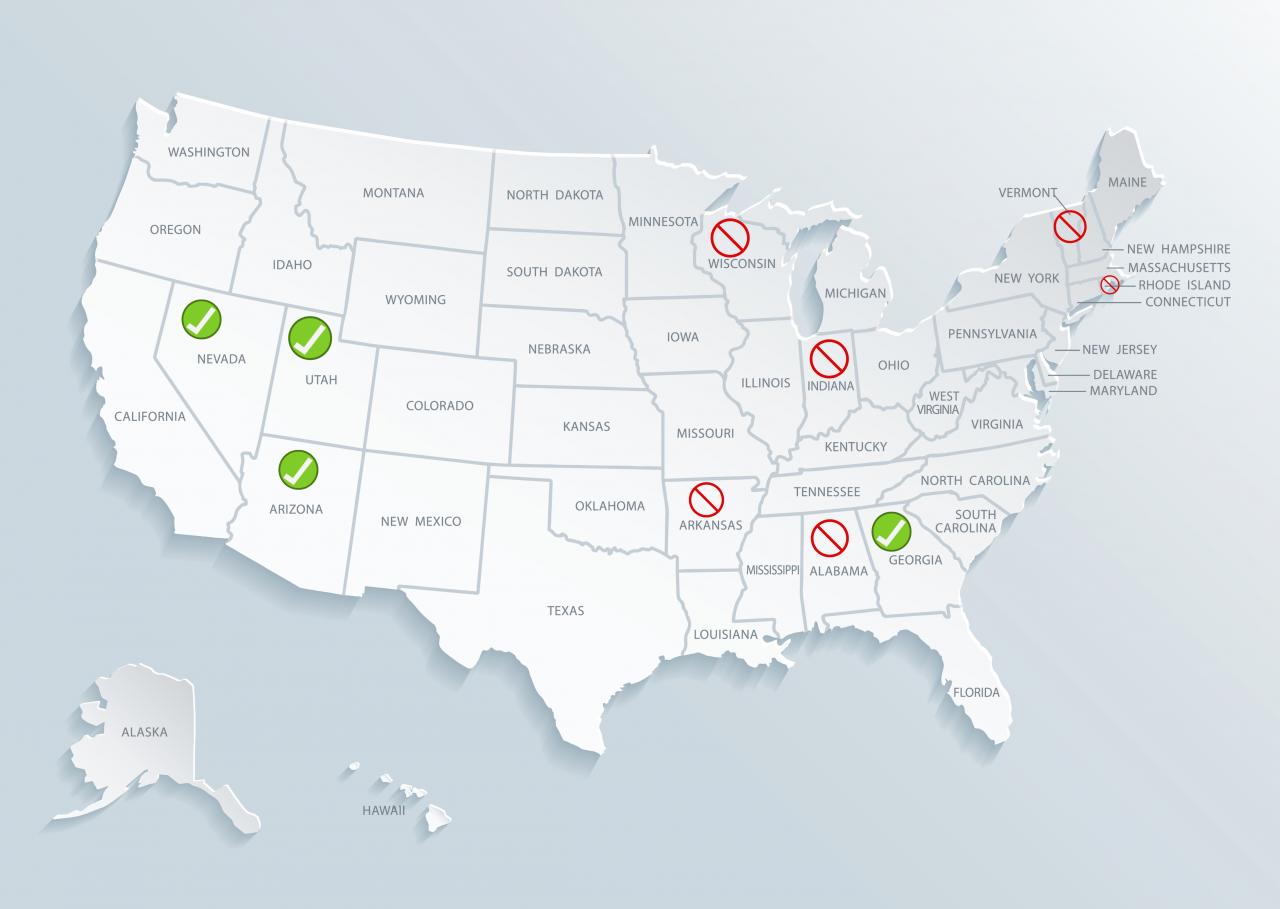
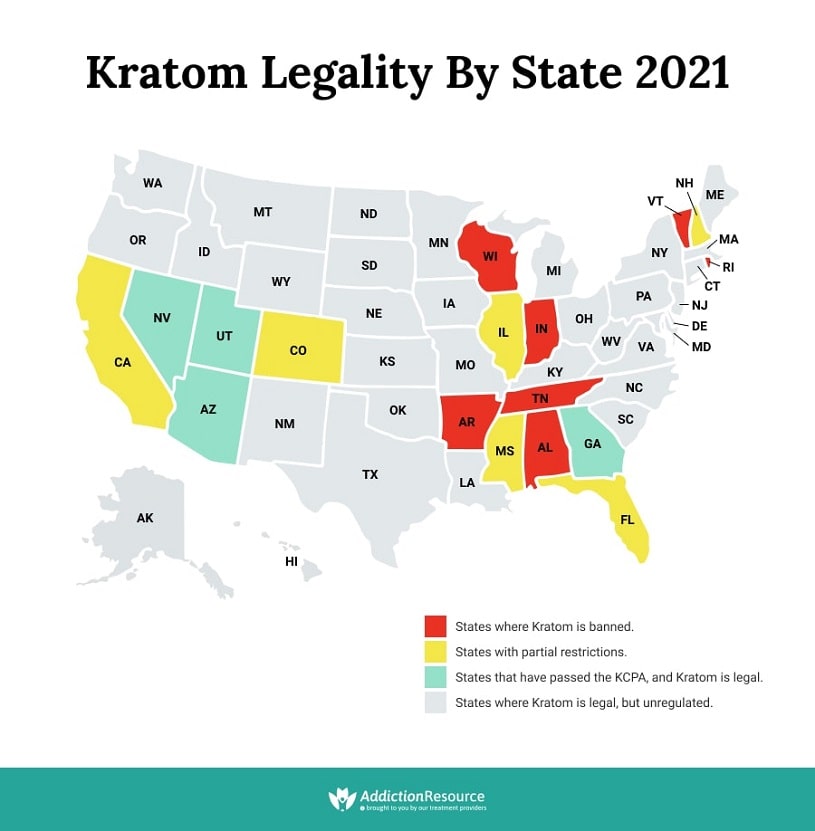
The legality of Kratom is predominantly a state-level issue, leading to a confusing mosaic of laws. Some states, like Alabama, Arkansas, and Vermont, have enacted outright bans, making possession and distribution illegal. Other states have adopted a more lenient approach, with no specific legislation addressing Kratom at all, effectively making it legal by default. Then there are states that have implemented regulations, such as age restrictions or specific labeling requirements, without a complete prohibition. This spectrum of legal frameworks underscores the importance of researching local laws before traveling.
Kratom’s Status in Florida
The question of whether Kratom is illegal in Florida has a nuanced answer. Unlike some states that have definitively outlawed the substance, Florida has taken a different approach, which has evolved over time.
Historical Legal Context
For a period, Kratom was subject to legislative debate and concern within Florida. There were instances where law enforcement agencies or local jurisdictions might have interpreted existing drug laws in a way that could impact Kratom possession. However, definitive statewide legislative action to ban Kratom did not materialize as it did in other states. This period of uncertainty highlights the challenges in regulating substances that fall into a gray area of legality.
Current Florida Regulations
As of the most recent legislative sessions and prevailing interpretations, Kratom is not illegal at the state level in Florida. This means that possessing or consuming Kratom within the state’s borders is generally permissible under state law. This is a significant distinction when compared to states where Kratom is explicitly prohibited and carries penalties for possession.
However, this does not mean there are no considerations. While not illegal, the availability and sale of Kratom are subject to certain guidelines. In 2021, Florida enacted Senate Bill 1170, which, among other things, established regulations for the sale of Kratom. This bill aimed to create a more controlled market rather than an outright ban.
Senate Bill 1170: Regulations for Sale
Senate Bill 1170 introduced specific rules governing the sale of Kratom in Florida. Key provisions include:
- Age Restriction: Individuals must be at least 18 years of age to purchase Kratom. Vendors are typically required to verify age through identification.
- Labeling Requirements: Products containing Kratom must be clearly labeled, indicating the presence of the substance and often including warnings about its potential effects and recommended usage.
- Prohibition on Certain Claims: Sellers are generally prohibited from making unsubstantiated health claims about Kratom.
These regulations are designed to promote consumer safety and provide a framework for businesses operating within the Kratom market, rather than to criminalize possession for personal use. The focus is on responsible sales practices.
Local Ordinances and Potential Nuances
While Florida has not enacted a statewide ban, it is always prudent for travelers to be aware of potential local ordinances. In some cases, individual cities or counties might attempt to enact stricter regulations. However, such local bans can face legal challenges if they conflict with state law. Generally, state law supersedes local ordinances on this matter. Nonetheless, understanding the specific rules within the city or county you are visiting, especially if you are planning to purchase or use Kratom, can be beneficial. For example, while legal in Miami, specific establishments might have their own policies regarding its consumption on their premises.
Considerations for Travelers
For visitors planning a trip to Florida, understanding the legal status of Kratom is important, especially if it is a substance they regularly use.
Traveling with Kratom
Given that Kratom is legal in Florida under state law and subject to regulations on sale, travelers bringing it into the state should be mindful of a few points. While not explicitly prohibited by Florida law for personal use, transporting any substance across state lines can sometimes involve federal considerations or the laws of the originating state. It is generally advisable to possess only what is needed for personal consumption during the trip and to keep it in its original packaging with clear labeling. Avoid carrying large quantities, which might raise suspicion or be misconstrued.
Where to Purchase Kratom in Florida
If an individual intends to purchase Kratom while in Florida, they should seek out reputable vendors who comply with the state’s regulations, particularly Senate Bill 1170. These include vendors who enforce age restrictions and provide properly labeled products. Such vendors are typically found in specialized smoke shops or Kratom-specific retailers throughout the state, including in major cities like Orlando or Tampa. It is wise to patronize businesses that demonstrate a commitment to legal compliance and product quality.
Health and Safety Advice
Beyond legalities, it is crucial for individuals to be informed about the health and safety aspects of Kratom. The FDA has issued warnings regarding potential risks associated with Kratom use, including side effects and interactions with other substances. Individuals who choose to use Kratom in Florida, or anywhere else, should do so responsibly, be aware of their own health conditions, and consult with a healthcare professional if they have any concerns or are taking other medications. Understanding the product’s origin and purity can also be important for minimizing risks.
Conclusion: Navigating Florida’s Kratom Landscape
In summary, the answer to “Is Kratom Illegal In Florida?” is no, it is not illegal at the state level. Florida has opted for regulation rather than prohibition, with laws like Senate Bill 1170 setting standards for age and labeling. For travelers and residents alike, this means that while Kratom is legally accessible, it is subject to specific rules designed to ensure responsible sale and consumption. Staying informed about these regulations, especially regarding age restrictions and purchasing from reputable vendors, is key to navigating Florida’s approach to this increasingly discussed botanical. As with any substance, personal responsibility and informed decision-making are paramount.
LifeOutOfTheBox is a participant in the Amazon Services LLC Associates Program, an affiliate advertising program designed to provide a means for sites to earn advertising fees by advertising and linking to Amazon.com. Amazon, the Amazon logo, AmazonSupply, and the AmazonSupply logo are trademarks of Amazon.com, Inc. or its affiliates. As an Amazon Associate we earn affiliate commissions from qualifying purchases.