
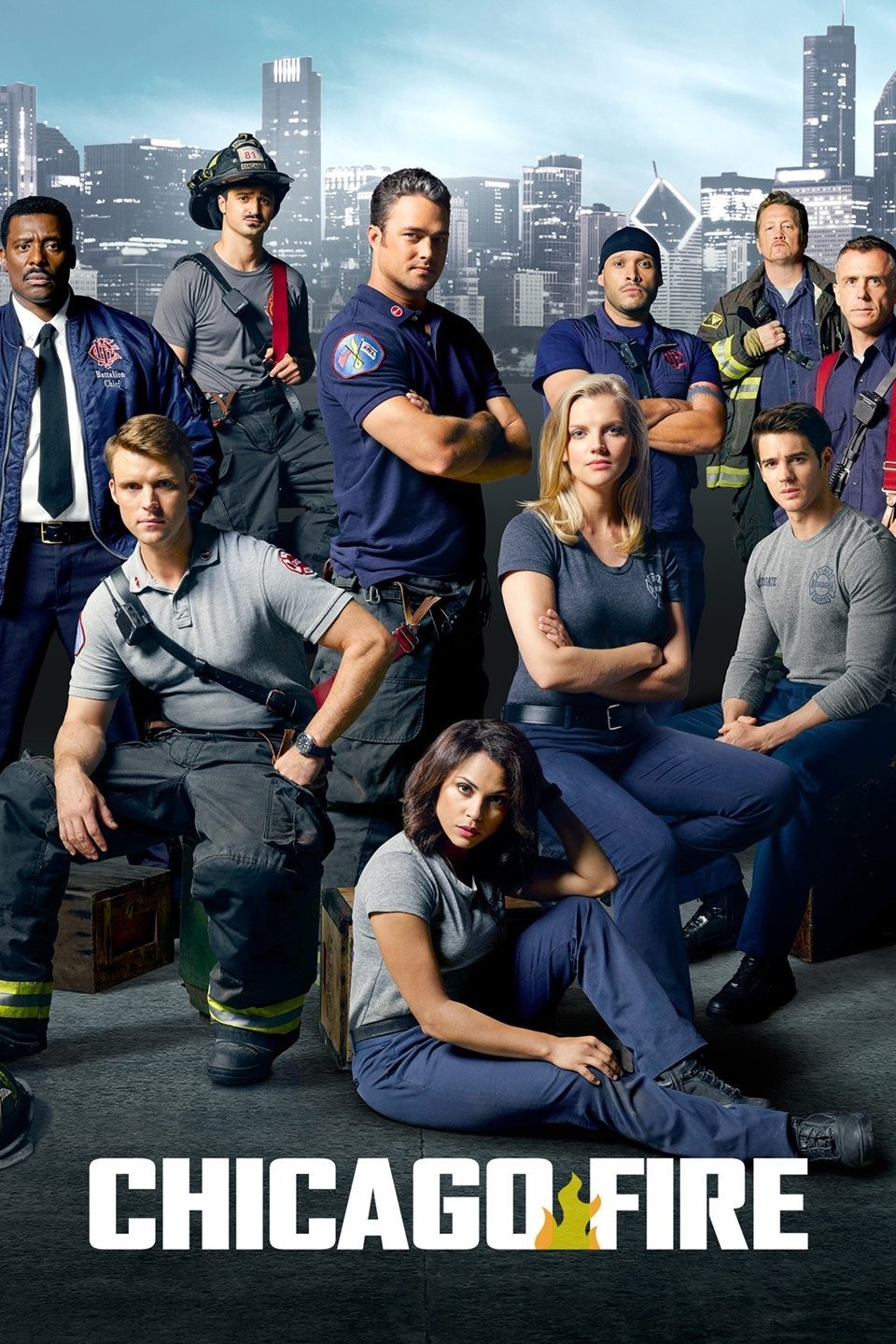
The enduring popularity of the NBC drama Chicago Fire has cemented its status as a flagship series, captivating audiences with its compelling storylines, high-stakes rescue missions, and the personal dramas of the firefighters at Firehouse 51. For dedicated fans and newcomers alike, a natural question arises: just how many episodes make up this extensive and beloved television saga? Understanding the episode count is not merely a matter of trivia; it provides insight into the show’s longevity, its narrative arcs, and its consistent ability to resonate with viewers season after season. This exploration delves into the total episode tally, examines the structure of its seasons, and considers the impact of its episode volume on the viewing experience.

The Ever-Expanding Saga of Firehouse 51
Since its premiere in 2012, Chicago Fire has consistently delivered a robust number of episodes per season, a testament to its strong ratings and the network’s commitment. The series has meticulously built its narrative tapestry, introducing a rich ensemble cast and weaving intricate plotlines that have evolved significantly over its run. This steady output of episodes allows for deep character development and complex thematic exploration, contributing to the show’s immersive quality.
Season by Season Breakdown
To truly appreciate the scope of Chicago Fire, a season-by-season look at its episode count is essential. Each season typically comprises around 20 to 24 episodes, a standard for long-running network dramas that allows for a balanced progression of storylines without feeling rushed.
- Season 1: Launched in October 2012, the inaugural season introduced the core characters and the dynamics of Firehouse 51. It contained 10 episodes, a slightly shorter run, likely to test the waters and gauge audience reception.
- Season 2: Building on the foundation of its first season, Season 2 expanded to 22 episodes, establishing the typical season length that would largely be maintained for subsequent years.
- Season 3: Continuing the trend, Season 3 also featured 22 episodes, further deepening the relationships and conflicts within the firehouse.
- Season 4: This season maintained the 22-episode count, showcasing significant character developments and challenging rescues.
- Season 5: With 22 episodes, Season 5 continued to explore the personal and professional lives of the firefighters, including major plot points.
- Season 6: The sixth season comprised 23 episodes, a slight increase, indicating the show’s sustained popularity.
- Season 7: Featuring 22 episodes, Season 7 saw new challenges and shifts in the Firehouse 51 dynamic.
- Season 8: This season consisted of 20 episodes. Its production was notably impacted by the COVID-19 pandemic, leading to a slightly truncated run.
- Season 9: Returning to a more standard length, Season 9 delivered 16 episodes, again influenced by pandemic-related production schedules and global events.
- Season 10: This season marked a return to a more substantial episode count with 22 episodes, allowing for more extensive storytelling.
- Season 11: As of its current airing, Season 11 also features a robust episode order, consistent with the show’s established format.
As of the conclusion of Season 11, Chicago Fire has accumulated a significant number of episodes, placing it among the longest-running dramas on American television. This extensive catalog offers viewers a vast amount of content to immerse themselves in, from the initial introductions of characters like Matthew Casey and Kelly Severide to the intricate relationships and dramatic events that have unfolded over more than a decade. The total episode count stands as a testament to the show’s consistent appeal and its ability to reinvent itself while staying true to its core themes of bravery, sacrifice, and camaraderie.
The Impact of Episode Volume on Viewer Engagement
The sheer volume of episodes in Chicago Fire plays a crucial role in shaping the viewer experience. For a show centered on the lives of its characters, a high episode count allows for the natural development of complex relationships, the exploration of personal struggles, and the gradual unfolding of long-term story arcs. This contrasts with series that opt for shorter, more condensed seasons, which often necessitate a faster pace and can sometimes limit the depth of character exploration.
Building Character Depth and Relatability

With over 200 episodes spread across multiple seasons, Chicago Fire has had ample opportunity to flesh out its characters. We have witnessed Kelly Severide’s journey from a somewhat reckless lieutenant to a seasoned leader, and Sylvie Brett‘s growth from a rookie paramedic to a vital member of the team. These extended narratives allow viewers to connect with the characters on a deeper level, understanding their motivations, their past traumas, and their evolving aspirations. This sustained engagement fosters a sense of loyalty and investment, making viewers more likely to tune in week after week and to follow the show’s trajectory over many years. The episodic nature also allows for the introduction of new characters and the exploration of diverse storylines, keeping the series fresh and preventing it from becoming stagnant.
Narrative Arcs and Seasonal Storytelling
The extended season formats common to shows like Chicago Fire enable the creation of compelling seasonal narrative arcs. These arcs often involve overarching themes, significant character transformations, or central conflicts that are explored and resolved over the course of 20 or more episodes. This structure provides a satisfying rhythm for viewers, with mini-climaxes within episodes and larger resolutions at the end of seasons. The high episode count facilitates the development of intricate subplots that can run concurrently with the main storyline, adding layers of complexity and interest. For instance, the long-standing romantic entanglements and professional rivalries within Firehouse 51 have been meticulously developed over numerous seasons, making their resolutions or evolutions feel earned and impactful. This depth of storytelling is a hallmark of successful long-running dramas and is directly facilitated by the show’s substantial episode output.
The “One Chicago” Universe: A Connected Ecosystem
Chicago Fire‘s impressive episode count is also a significant factor in its role as the foundational series of the larger “One Chicago” television universe. Created by Dick Wolf, the franchise has expanded to include successful spin-offs such as Chicago P.D., Chicago Med, and Chicago Justice. The extensive history and large cast of characters established in Chicago Fire provide a rich source of potential crossovers and character introductions for these sister shows.
Establishing Characters and Setting the Stage
When Chicago Fire first premiered, it not only introduced the world of firefighting in Chicago but also laid the groundwork for a shared universe. The initial focus on the firefighters, paramedics, and police officers who interact with them allowed for the organic introduction of characters who would later become central figures in other series. For example, the early seasons of Chicago Fire featured characters who would go on to lead their own shows, establishing their backstories and relationships within the precinct and the hospital. This interconnectedness means that the long history of Chicago Fire directly enriches the viewing experience of the entire franchise, offering fans a deeper understanding of the characters and their motivations across different shows. The sheer volume of episodes means that the universe has had decades of on-screen time to develop, making the crossovers and shared narratives feel natural rather than forced.
The Synergy of Crossover Events
The numerous crossover episodes that have become a hallmark of the “One Chicago” franchise are a direct benefit of Chicago Fire‘s substantial episode count. These events, where characters from different shows interact and collaborate on cases, are only possible because the original series has established such a deep well of characters and storylines. The long-running nature of Chicago Fire means that its characters have a history and a recognizable presence that makes their appearances in other shows feel significant. These crossovers not only boost ratings for all involved series but also provide a rewarding experience for dedicated fans who have followed the characters for years. The interconnected narrative allows for complex, multi-episode arcs that span across the different shows, further deepening the viewer’s immersion in the shared world of Chicago.
Conclusion: A Legacy of Episodes and Enduring Appeal
The question of “How Many Episodes Of Chicago Fire?” leads to an answer that is not just a number, but a reflection of a television legacy. With a total episode count that continues to grow with each new season, Chicago Fire has established itself as a cornerstone of modern television drama. Its extensive library of episodes provides a rich landscape for character development, compelling storytelling, and the creation of a sprawling, interconnected universe. For fans, this means a consistent source of high-quality entertainment, filled with the bravery, sacrifice, and human drama that has made Firehouse 51 and its inhabitants so beloved. The show’s longevity is a testament to its ability to adapt, evolve, and consistently deliver engaging narratives, ensuring its place in television history for years to come.
LifeOutOfTheBox is a participant in the Amazon Services LLC Associates Program, an affiliate advertising program designed to provide a means for sites to earn advertising fees by advertising and linking to Amazon.com. Amazon, the Amazon logo, AmazonSupply, and the AmazonSupply logo are trademarks of Amazon.com, Inc. or its affiliates. As an Amazon Associate we earn affiliate commissions from qualifying purchases.