
The question of whether Panama City resides within the geographical and cultural confines of Florida’s Big Bend region is a nuanced one, often leading to confusion for travelers and locals alike. While Panama City is undeniably a jewel of the Florida Panhandle, its precise placement in relation to the loosely defined Big Bend area warrants a closer examination of both locations’ distinct characteristics and geographical markers. Understanding this distinction is crucial for anyone planning a visit, seeking authentic local experiences, or simply wishing to grasp the diverse landscape of the Sunshine State.

Defining the Big Bend Region
The Big Bend region of Florida is a stretch of the coastline along the Gulf of Mexico, characterized by its undeveloped natural beauty, vast marshlands, and unique ecological systems. It is aptly named for the distinct curve, or “bend,” that the coastline makes as it transitions from the western Panhandle to the southwestern part of the state. This area is notably less populated and commercialized than many other coastal regions in Florida, offering a more pristine and wild experience.
Geographical Boundaries
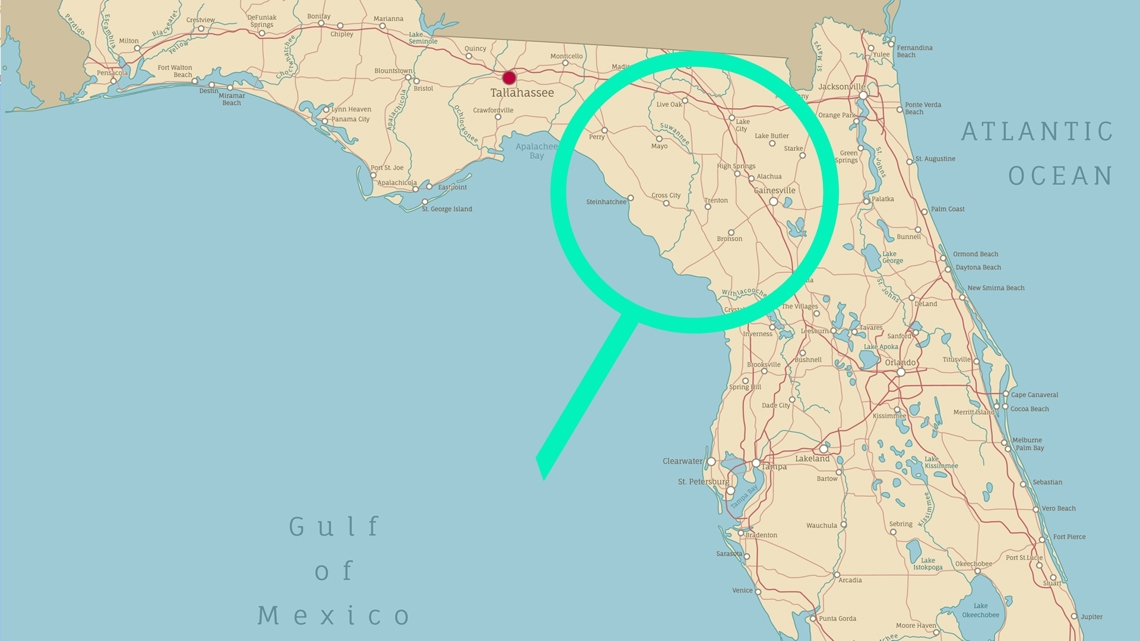
Geographically, the Big Bend region typically encompasses the coastline from the western edge of the Apalachee Bay, near Tallahassee, eastward towards the mouth of the Withlacoochee River. Key counties often associated with the Big Bend include Wakulla, Franklin, Liberty, Taylor, and Dixie counties, though some definitions extend further. Cities and towns within this zone are generally smaller, focused on ecotourism, fishing, and a slower pace of life. Examples include Apalachicola, St. Marks, and Perry.
Ecological Significance
The ecological significance of the Big Bend cannot be overstated. It is home to extensive salt marshes, tidal flats, and estuaries that serve as critical nurseries for marine life and important stopover points for migratory birds. The St. Marks National Wildlife Refuge is a prime example of the protected natural areas that define this region, drawing birdwatchers and nature enthusiasts from around the globe. The waters are renowned for their clarity and abundant marine life, supporting a thriving local fishing industry.
Understanding the Florida Panhandle
The Florida Panhandle is the northwestern portion of the state, stretching from the western border with Alabama eastward to the Apalachee Bay. This region is characterized by its white sandy beaches, pine forests, and a distinct cultural influence from the Deep South. It is a popular tourist destination, particularly for its beautiful coastline and family-friendly atmosphere.
Geographical Context of Panama City

Panama City, located in Bay County, sits squarely within the Florida Panhandle. It is situated on the coast of the Gulf of Mexico, boasting some of the most stunning beaches in Florida, known for their sugar-white sand and emerald waters. Panama City is a major hub for tourism, offering a wide array of resorts, family attractions, water sports, and a lively nightlife. Its proximity to other Panhandle cities like Pensacola and Destin places it firmly in the western part of the state.
Key Characteristics of the Panhandle
The Florida Panhandle offers a different travel experience compared to the more southern parts of the state. It often appeals to those seeking a classic beach vacation with a wide range of amenities and entertainment options. While it shares a coastline with the Gulf, the development and the type of tourism it attracts are distinct from the wilder, more natural focus of the Big Bend area. The landscape is more dominated by coastal development and fewer vast, untouched marshlands.
The Geographic Divide
The primary reason Panama City is not considered part of the Big Bend region lies in the distinct geographical and developmental characteristics that define the two areas. While both are coastal, their proximity to major population centers, the nature of their ecosystems, and their primary tourist appeal create a clear separation.
Distance and Coastal Transition
Panama City is situated considerably west of the generally accepted western boundary of the Big Bend. The transition from the more developed beaches and coastal towns of the western Panhandle to the undeveloped marshlands of the Big Bend is quite pronounced. Traveling east from Panama City, one would pass through areas that gradually shift from coastal development towards more natural landscapes, with Apalachicola and its surrounding areas marking the beginning of the Big Bend experience.
Development and Tourism Focus
The tourism focus of Panama City is geared towards a broader, often family-oriented audience, with a significant emphasis on amusement parks, water sports, and a vibrant nightlife. This contrasts sharply with the Big Bend, where tourism is more niche, attracting nature lovers, anglers, kayakers, and those seeking a tranquil escape. The infrastructure in Panama City reflects this, with numerous large hotels, condominium complexes, and entertainment venues, whereas the Big Bend offers more boutique inns, vacation rentals, and campgrounds.
Conclusion: Panama City is Panhandle, Not Big Bend
In conclusion, Panama City is definitively located within the Florida Panhandle, a distinct geographical and cultural region of northwest Florida. While it shares a coastline with the Gulf of Mexico and is a popular destination, its characteristics – the nature of its beaches, its level of development, and its primary tourism appeal – align it with the Panhandle rather than the Big Bend area. The Big Bend region, with its untamed wilderness and focus on ecological tourism, begins further east, offering a significantly different, though equally captivating, Florida experience. Travelers seeking the vibrant energy and classic beach resort atmosphere of Panama City will find themselves in the heart of the Panhandle, while those yearning for the serene, natural beauty of the Big Bend will need to venture eastward along the coast.
LifeOutOfTheBox is a participant in the Amazon Services LLC Associates Program, an affiliate advertising program designed to provide a means for sites to earn advertising fees by advertising and linking to Amazon.com. Amazon, the Amazon logo, AmazonSupply, and the AmazonSupply logo are trademarks of Amazon.com, Inc. or its affiliates. As an Amazon Associate we earn affiliate commissions from qualifying purchases.