
Florida, the “Sunshine State,” beckons with its diverse array of attractions, from world-renowned theme parks to tranquil beaches and vibrant cultural hubs. Understanding the local time is a fundamental aspect of planning any successful trip to this popular destination. This guide delves into the intricacies of timekeeping in Florida, ensuring your travel itinerary is perfectly synchronized with the rhythms of the Sunshine State, whether you’re aiming to catch the earliest sunrise over the Atlantic Ocean or the last sliver of sunset over the Gulf of Mexico.
Understanding Florida’s Time Zones
Navigating the time zones of Florida is a straightforward endeavor, primarily due to its adherence to the Eastern Time Zone for the vast majority of its territory. This consistency simplifies scheduling for travelers, minimizing the disorientation often associated with crossing multiple time zones.
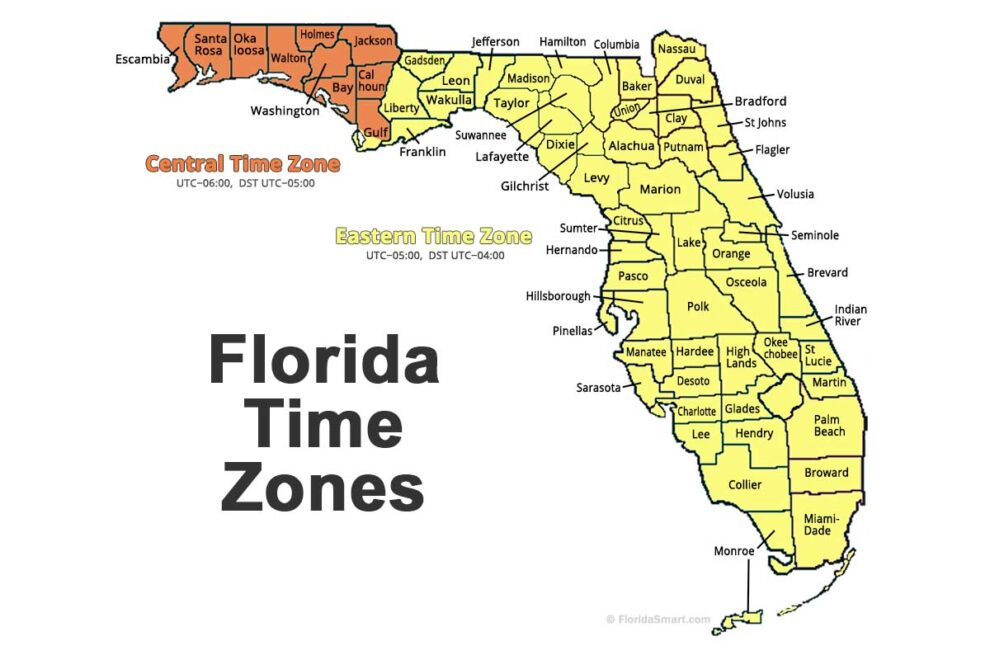
The Eastern Time Zone Dominance
Almost the entirety of Florida observes the Eastern Time Zone (ET). This zone is further divided into two distinct observances: Eastern Standard Time (EST) and Eastern Daylight Time (EDT).
- Eastern Standard Time (EST): During the fall and winter months, Florida operates on EST, which is UTC-5. This means it is five hours behind Coordinated Universal Time.
- Eastern Daylight Time (EDT): As spring arrives and daylight hours lengthen, Florida, like much of the eastern United States, transitions to EDT. This observance is UTC-4, effectively shifting the clock forward by one hour. Daylight Saving Time in Florida typically begins on the second Sunday in March and concludes on the first Sunday in November.
This unified timekeeping across most of the state means that whether you are in the bustling metropolis of Miami, the theme park wonderland of Orlando, the historic streets of St. Augustine, or the pristine beaches of the Florida Keys, the local time will be the same. This uniformity is a significant advantage for planning multi-city tours or coordinating activities across different regions of the state.
A Note on the Panhandle Exception
While the vast majority of Florida operates under the Eastern Time Zone, a small portion of the western Panhandle, west of the Apalachicola River, observes the Central Time Zone (CT). This area includes towns such as Pensacola and Panama City. This means that for a significant part of the year, this sliver of Florida is one hour behind the rest of the state.
- Central Standard Time (CST): During standard time observance, this region is on CST, which is UTC-6.
- Central Daylight Time (CDT): When Daylight Saving Time is in effect, it shifts to CDT, which is UTC-5.
When planning travel to or through the Panhandle, it is crucial to be aware of this time difference. This is particularly relevant if you are coordinating meetings, booking transportation, or arranging activities that span across this temporal boundary. Most digital devices and online scheduling tools will automatically adjust for Daylight Saving Time and time zones, but a manual check is always prudent, especially when dealing with older systems or specific local bookings.
Practical Implications for Travelers
Understanding Florida’s time zones is more than just an academic exercise; it has tangible implications for every aspect of your trip, from flight arrivals to dining reservations and tour departures.
Coordinating Flights and Transportation
For air travel, knowing the local time in Florida is paramount. Flights are scheduled based on local arrival and departure times. If you are flying from a different time zone, remember to adjust your expectations accordingly. For instance, a flight departing New York City at 10:00 AM EST will arrive in Miami at approximately 1:00 PM EST (factoring in flight time). Conversely, a flight departing from the western Panhandle, such as Pensacola, will adhere to Central Time. It’s always advisable to double-check your booking confirmation for the exact local time.
For road trips, especially those involving the Panhandle, keeping the time difference in mind can prevent confusion. Navigating from Tallahassee (Eastern Time) to Mobile, Alabama (Central Time) involves crossing a time zone boundary. If you plan to stop in a town in the Central Time Zone before continuing your journey, ensure your timings are accurate to avoid missing appointments or reservations.
Maximizing Your Day at Attractions
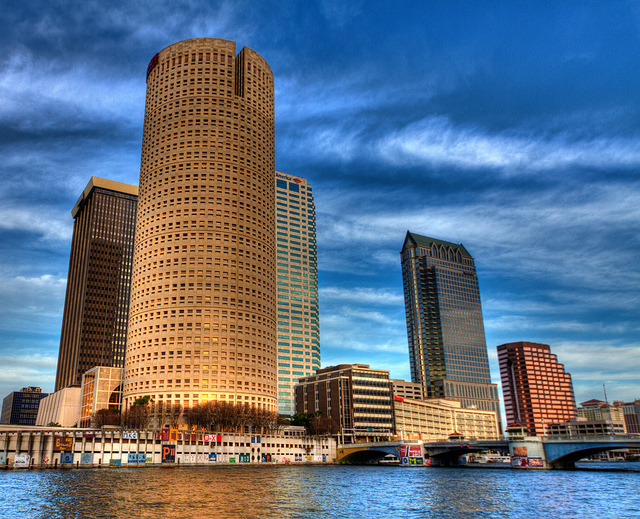
Florida is renowned for its world-class attractions, from the magic of Walt Disney World Resort in Orlando to the thrilling coasters at Universal Orlando Resort and the aquatic wonders at SeaWorld Orlando. These parks often have specific opening and closing hours, and some even offer early park admission for resort guests. Knowing the exact local time allows you to meticulously plan your park visits, ensuring you arrive in time to be among the first to experience popular rides or to catch a parade.
Consider a visit to the Everglades National Park for an airboat tour. These tours often have specific departure times, and arriving late means missing out on the experience. Similarly, booking a dolphin-watching excursion from Clearwater Beach requires punctuality to ensure you don’t miss the boat.
Dining and Evening Entertainment
Florida’s culinary scene and nightlife are as diverse as its landscape. From beachfront bistros in South Beach to fine dining establishments in Tampa and lively bars in Ybor City, reservations are often recommended. Being aware of the local time ensures you arrive promptly for your dinner reservations, avoiding any awkward waits or the possibility of losing your table.
For those planning to enjoy the vibrant nightlife, understanding the local time helps in pacing your evening and ensuring you don’t miss out on sunset cocktails or late-night entertainment. The time zone in the western Panhandle might be a consideration for those attending events that span across the time zone boundary, though most nightlife is confined within the established time zones of individual cities.
Leveraging Time for a Better Travel Experience
With the practicalities of time zones addressed, we can explore how to strategically use this knowledge to enhance your Florida adventure.
Embracing Early Mornings and Late Evenings
Florida offers spectacular sunrises and sunsets. For early risers, witnessing the dawn break over the Atlantic Ocean on the east coast, perhaps from Daytona Beach, can be a profound experience. Conversely, the sunsets over the Gulf of Mexico are equally breathtaking, best enjoyed from the western coast, such as the shores of Sarasota or Sanibel Island. Synchronizing your schedule with local daylight hours allows you to fully appreciate these natural spectacles.
Utilizing the early morning hours can also be a strategic move for popular attractions. Arriving at Busch Gardens Tampa Bay or Kennedy Space Center Visitor Complex just as they open can mean shorter queues and a more relaxed experience. Similarly, using the cooler parts of the morning for outdoor activities like hiking in the Ocala National Forest or exploring historic sites in St. Augustine can significantly improve comfort levels.
Planning for Daylight Saving Time Transitions
The shifts between EST/EDT and CST/CDT can sometimes cause minor disruptions if not anticipated. While most modern technology handles these transitions automatically, it’s wise to be aware of the dates. Travel plans that coincide with these transition weekends might require an extra check of your itinerary. For instance, if you have a flight scheduled for the day Daylight Saving Time begins or ends, a quick confirmation of the departure time directly with the airline is always a good practice. This is especially true if you are relying on older alarm clocks or manual timepieces.
For businesses operating across the time zone boundary in the Panhandle, the shift can necessitate adjustments in communication and operational schedules for that particular week. However, for the vast majority of tourists, the primary impact will be on their digital devices automatically updating, requiring little to no manual intervention.
Staying Connected and Informed
In today’s interconnected world, staying aware of the current time in Florida is usually as simple as checking your smartphone or computer. These devices automatically synchronize with network time, providing an accurate local time wherever you are. However, when traveling internationally or from regions with different cellular networks, a manual check might still be necessary.
Many hotels and accommodations will display the local time, and digital signage at airports and public transportation hubs will also reflect it. For those seeking real-time updates, a quick search online for “time in Florida” will provide immediate results, distinguishing between Eastern and Central Time if necessary. This ensures you are always on the same time as your intended destination within the Sunshine State.

Conclusion: Time as Your Ally in the Sunshine State
While the question “What’s the time in Florida now?” might seem simple, understanding the nuances of its time zones, particularly the Eastern Time Zone and the subtle exception of the western Panhandle, is an integral part of a seamless travel experience. By being aware of EST, EDT, CST, and CDT, and how they apply to different regions, travelers can optimize their schedules, make the most of their days, and avoid potential logistical hiccups. Whether you are planning to experience the thrills of Orlando, the relaxation of the Florida Keys, or the natural beauty of the Everglades, letting time be your ally will undoubtedly lead to a more enjoyable and memorable journey through the vibrant landscape of the Sunshine State.
LifeOutOfTheBox is a participant in the Amazon Services LLC Associates Program, an affiliate advertising program designed to provide a means for sites to earn advertising fees by advertising and linking to Amazon.com. Amazon, the Amazon logo, AmazonSupply, and the AmazonSupply logo are trademarks of Amazon.com, Inc. or its affiliates. As an Amazon Associate we earn affiliate commissions from qualifying purchases.