
As the sun-drenched landscape of Florida beckons travelers year-round, from the vibrant beaches of Miami to the family-friendly attractions of Orlando, a critical question for any prospective visitor is the current health landscape. While Florida is synonymous with outdoor adventures and relaxation, understanding the prevalence of common illnesses like influenza, often referred to as “the flu,” is a prudent step in ensuring a healthy and enjoyable trip. This article delves into the cyclical nature of influenza in Florida, offering insights into when it’s most active, how to best prepare, and what precautions can be taken to safeguard your well-being during your visit.
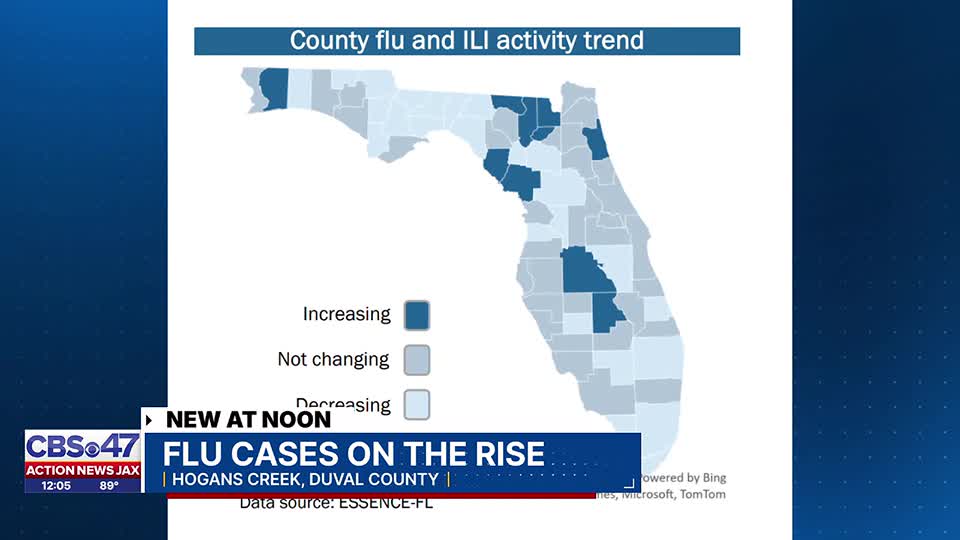
Understanding Influenza Patterns in the Sunshine State
Influenza is a contagious respiratory illness caused by influenza viruses. While often associated with colder months in many parts of the world, the dynamics of flu season in Florida present unique considerations due to its subtropical and tropical climate.
The Flu Season in a Warm Climate
Traditionally, flu season in the Northern Hemisphere peaks between December and February. However, in warmer climates like Florida, influenza activity can begin as early as October and extend as late as May. This extended period means that visitors planning trips during what might be considered “off-season” for flu in other regions should still remain mindful of potential exposure. The specific timing and intensity of the flu season can vary annually, influenced by factors such as the circulating influenza strains, vaccine effectiveness, and the population’s immunity levels. Public health agencies, such as the Florida Department of Health, closely monitor these patterns and provide regular updates.
Factors Influencing Flu Prevalence
Several factors contribute to the presence and spread of influenza in Florida:
- Population Density and Tourism: Florida is a major tourist destination, attracting millions of visitors annually from all over the globe. This constant influx of people, often in close proximity within theme parks, resorts, and public transportation, can facilitate the rapid spread of respiratory viruses. Travelers may unknowingly bring circulating viruses with them, or become exposed to them during their stay.
- Indoor Gatherings: Despite its outdoor appeal, Florida also experiences cooler weather during certain months, leading to more time spent indoors in enclosed spaces. This includes entertainment venues, shopping malls, and even cruise ships docking in ports like PortMiami or Port Everglades. These settings can be breeding grounds for viruses.
- School Schedules: Similar to other states, Florida has a school calendar that influences the spread of influenza among children. When schools are in session, particularly during the fall and winter months, children often bring viruses home, contributing to community-wide outbreaks.
Preparing for Your Florida Trip: Health Precautions
Proactive measures are key to enjoying a healthy vacation in Florida, regardless of the current flu season status. By incorporating these practices into your travel plans, you can significantly reduce your risk of falling ill.
Vaccination: The First Line of Defense
The single most effective way to prevent the flu is by getting vaccinated. The influenza vaccine is recommended annually for most individuals, typically starting in the fall.
- Timing of Vaccination: For those planning to travel to Florida during the flu season, getting vaccinated at least two weeks before your departure allows your body time to develop immunity. It is advisable to consult with your healthcare provider about the best timing for your vaccination.
- Vaccine Availability: Influenza vaccines are widely available through healthcare providers, pharmacies, and public health clinics. Ensuring you are up-to-date with your vaccination before your trip is a crucial step in protecting yourself and those around you.

Personal Hygiene Practices
Maintaining good hygiene is paramount in preventing the spread of any infectious disease, including influenza. These simple yet effective habits can make a significant difference:
- Frequent Handwashing: Wash your hands often with soap and water for at least 20 seconds, especially after being in public places, coughing, sneezing, or blowing your nose. If soap and water are not readily available, use an alcohol-based hand sanitizer containing at least 60% alcohol.
- Avoid Touching Your Face: Try to avoid touching your eyes, nose, and mouth, as these are common entry points for viruses.
- Respiratory Etiquette: Cover your mouth and nose with a tissue when you cough or sneeze. Dispose of used tissues immediately and wash your hands. If a tissue is not available, cough or sneeze into your elbow.
- Social Distancing: While often associated with specific public health measures, practicing general awareness of personal space in crowded areas can also be beneficial.
Packing Smart for Wellness
Beyond your wardrobe and sunscreen, consider packing a small “wellness kit” to be prepared for minor ailments.
- Hand Sanitizer: A travel-sized bottle of hand sanitizer is essential for use when soap and water are inaccessible.
- Disinfectant Wipes: These can be useful for cleaning surfaces in your hotel room or rental car, such as doorknobs, remote controls, and tables.
- Personal Medications: Bring any prescription medications you regularly take, along with over-the-counter remedies for common symptoms like fever, pain, or congestion.
- Face Masks: While not always mandatory, carrying a few face masks can provide an added layer of protection in crowded indoor environments or if you feel unwell.
Staying Informed While in Florida
Even with the best preparations, it’s wise to stay informed about the local health situation during your visit.
Monitoring Local Health Advisories
The Florida Department of Health is a valuable resource for real-time information on flu activity and other public health concerns within the state. They often provide weekly flu surveillance reports, which can offer an overview of the current situation in different regions. Many local county health departments also provide updates specific to their areas. Additionally, many hotels and resorts have guest services that can provide local information, and concierge services at establishments like the Ritz-Carlton Orlando or Seminole Hard Rock Hotel & Casino Hollywood can often offer guidance on local health resources.
Recognizing Symptoms and Seeking Care
If you or a member of your travel party begins to experience flu-like symptoms, it’s important to act promptly. Symptoms typically include fever, cough, sore throat, runny or stuffy nose, body aches, headache, chills, and fatigue. Some people may also experience vomiting and diarrhea, though this is more common in children.
- Isolate and Rest: If you suspect you have the flu, it’s advisable to isolate yourself from others as much as possible to prevent further spread. Get plenty of rest and stay hydrated.
- Contact Healthcare Providers: Many hotels in Florida, from luxury resorts like the Four Seasons Resort Orlando to more budget-friendly options, have established relationships with local medical services for their guests. You can also contact your hotel’s front desk for recommendations on nearby urgent care centers or clinics. Telehealth services are also increasingly available and can be a convenient option for initial consultations.
- Follow Medical Advice: If diagnosed with influenza, follow the advice of your healthcare provider regarding treatment, which may include antiviral medications, especially if you are in a high-risk group.

Conclusion: Enjoying Florida with Health in Mind
Florida remains a premier destination offering unparalleled experiences for every type of traveler. By understanding the nuances of flu season in the state and taking proactive measures to protect your health, you can ensure a safe, healthy, and unforgettable journey. From the theme parks of Orlando and the beaches of Clearwater to the vibrant culture of Tampa and the historic charm of St. Augustine, Florida has much to offer. A well-prepared traveler is a healthy traveler, ready to embrace all the Sunshine State has in store. Remember that while flu is a concern, it is manageable with proper planning and awareness, allowing you to focus on enjoying the unique attractions and experiences that make Florida a beloved vacation spot.
LifeOutOfTheBox is a participant in the Amazon Services LLC Associates Program, an affiliate advertising program designed to provide a means for sites to earn advertising fees by advertising and linking to Amazon.com. Amazon, the Amazon logo, AmazonSupply, and the AmazonSupply logo are trademarks of Amazon.com, Inc. or its affiliates. As an Amazon Associate we earn affiliate commissions from qualifying purchases.