
The quest for streamlined and secure travel, particularly within the United States, has led to significant updates in identification requirements. For residents and prospective visitors of the Sunshine State, understanding the timeline and implications of the REAL ID Act is crucial. This federal mandate, aimed at enhancing national security and standardizing driver’s licenses and identification cards, has had a tangible impact on how Floridians access certain federal facilities and board commercial aircraft. The question of “When did Florida start issuing REAL ID?” delves into a key phase of this nationwide rollout, shedding light on the state’s preparedness and the evolving landscape of identification for travel.
The Genesis of REAL ID and Florida’s Response
The REAL ID Act was signed into law by President George W. Bush in 2005. It established minimum security standards for state-issued driver’s licenses and identification cards that are used for federal purposes. These purposes primarily include entering federal buildings and boarding commercial aircraft. The primary motivation behind the act was to create a more secure and reliable system for verifying identity, a response to intelligence failures identified in the aftermath of the September 11, 2001, terrorist attacks.
States were given a considerable period to comply with these new federal standards. The implementation process was not instantaneous; rather, it was a phased approach that required states to upgrade their systems for issuing licenses and identification cards. This involved changes in the physical security features of the cards themselves, as well as the underlying processes for verifying applicants’ identities and documentation.
Florida, like all other states, needed to adapt its Department of Highway Safety and Motor Vehicles (FLHSMV) operations to meet these federal requirements. The state began the process of issuing driver’s licenses and identification cards that conform to the REAL ID standards in the years following the act’s passage. However, the “start date” for issuing these cards is not a single, universally applied moment but rather a period during which the state transitioned its entire licensing infrastructure.
Transitioning to Compliant Identification
The transition to REAL ID-compliant licenses in Florida involved several key steps. Firstly, the FLHSMV had to secure federal approval for its revised identification issuance procedures. This involved demonstrating that the state could reliably verify applicants’ identities using a secure set of documentation, such as birth certificates, passports, and proof of residency.
Secondly, the physical design of the driver’s licenses and identification cards needed to be updated to incorporate enhanced security features. These features are designed to make the cards more difficult to counterfeit or alter. While the exact security features can vary slightly, they typically include holograms, microprinting, and other embedded elements that are difficult to replicate.
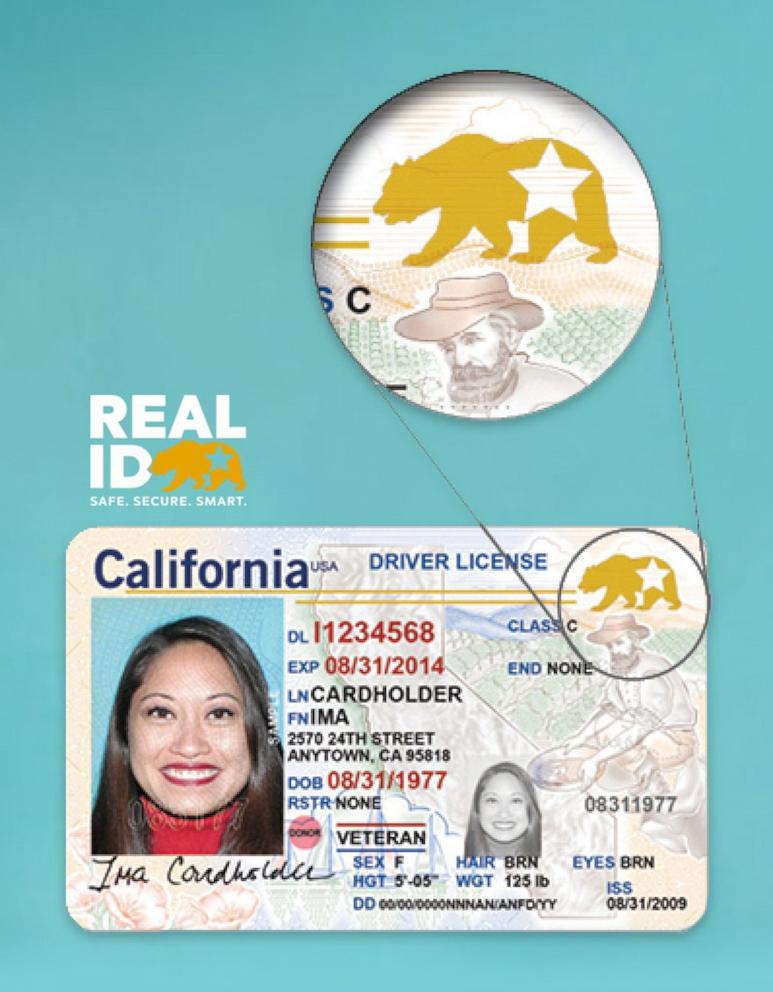
The FLHSMV also introduced different categories of identification. Residents could opt for a standard, non-REAL ID-compliant license, which would not be accepted for federal purposes like boarding airplanes. Alternatively, they could choose a REAL ID-compliant license, often identified by a star or other marking on the card, which would meet federal requirements. This choice allowed individuals to decide based on their personal travel needs and preferences.
The Official Rollout and Key Dates
While the groundwork for REAL ID in Florida began in the years after 2005, the actual issuance of compliant cards to the public was a more gradual process. It’s important to distinguish between the legislative requirement and the operational implementation. The federal government granted extensions to states that were making progress towards compliance.
Florida began offering REAL ID-compliant driver licenses and identification cards on January 1, 2010. This date marks the official commencement of the state’s ability to issue cards that met the federal minimum security standards. However, it is crucial to understand that this was not an immediate mandate for all citizens. Individuals were not required to switch to a REAL ID-compliant license at that point. They could continue to use their existing, non-compliant licenses until they expired or until federal enforcement dates were fully implemented.
The timeline for federal enforcement also played a significant role. The Department of Homeland Security (DHS) periodically updated deadlines for when REAL ID-compliant licenses would be strictly required for boarding aircraft and accessing certain federal facilities. These deadlines were extended multiple times, often to give states more time to fully implement their programs and for residents to obtain the new identification.

Understanding the “Optional” Nature
It’s vital to reiterate that obtaining a REAL ID-compliant license in Florida has always been an option, not a requirement for every resident. Those who do not plan to use their driver’s license or identification card to board commercial aircraft or enter federal facilities that require identification may choose to obtain a standard Florida identification card. The distinction is important for travelers. A standard license or ID card will still be valid for driving or for identification purposes within the state, but it will not suffice for federal purposes once the enforcement deadlines are in full effect.
To obtain a REAL ID-compliant license in Florida, residents must present specific documentation. This typically includes proof of identity (such as a certified birth certificate or valid U.S. passport), proof of social security number, and two proofs of residential address in Florida. The stringent document verification process is a cornerstone of the REAL ID Act’s security enhancements.
The Impact on Travel and Federal Access
The introduction of REAL ID-compliant identification has had a significant impact on air travel within the United States. As federal enforcement deadlines approached and passed, travelers found that their standard driver’s licenses were no longer sufficient for boarding flights. This led to increased demand for REAL ID-compliant licenses as the dates neared.
The Transportation Security Administration (TSA) is responsible for enforcing the REAL ID Act at airport security checkpoints. When the full enforcement takes effect, passengers will need to present a REAL ID-compliant license, a U.S. passport, or another acceptable form of federal identification to pass through security. This aims to create a more consistent and secure system for identifying individuals boarding aircraft.
Alternatives for Federal Access
While REAL ID-compliant licenses are the primary means of compliance for many, the federal government recognizes that not everyone may have or need one. Several other forms of identification are accepted by the TSA for boarding commercial aircraft. These include:
- A valid U.S. Passport or Passport Card: These are widely accepted and are a good alternative for those who travel internationally or prefer a separate federal identification document.
- DHS Trusted Traveler Cards: This includes cards for programs like Global Entry, NEXUS, and SENTRI. These are specifically designed for expedited screening of pre-approved, low-risk travelers.
- U.S. Department of Defense IDs: This includes IDs for active duty, retired military personnel, and their dependents.
- Permanent Resident Card: For non-citizens legally residing in the United States.
- Native American Tribal ID: Certain tribal identification cards are accepted.
The availability of these alternatives ensures that a wide range of individuals can continue to travel by air, even if they do not possess a REAL ID-compliant driver’s license. However, for the majority of Florida residents who use their driver’s license for air travel, obtaining a REAL ID became an increasingly important consideration as federal enforcement dates loomed.

Navigating the REAL ID Landscape in Florida Today
As of the current understanding of the REAL ID enforcement, the timeline has been subject to extensions, with the most recent effective date for full enforcement being May 7, 2025. This means that by this date, all individuals will need to present a REAL ID-compliant driver’s license or identification card, or another acceptable form of federal identification, to board federally regulated commercial aircraft.
For residents of Florida, this means that if they plan to fly domestically, they will need to ensure their identification meets the REAL ID standards by this date. The process of obtaining a REAL ID involves visiting a Florida Driver License Service Center or a Tax Collector’s office that provides driver license services. It is advisable to schedule an appointment and gather all necessary documentation beforehand to ensure a smooth experience.
The implementation of REAL ID in Florida represents a significant step in enhancing national security and standardizing identification practices. While the state began issuing compliant cards in 2010, the full impact on travelers and federal access is tied to the ongoing federal enforcement schedule. Understanding when Florida started issuing these cards—January 1, 2010—is key to appreciating the state’s journey towards federal compliance and the evolving requirements for seamless domestic travel.
LifeOutOfTheBox is a participant in the Amazon Services LLC Associates Program, an affiliate advertising program designed to provide a means for sites to earn advertising fees by advertising and linking to Amazon.com. Amazon, the Amazon logo, AmazonSupply, and the AmazonSupply logo are trademarks of Amazon.com, Inc. or its affiliates. As an Amazon Associate we earn affiliate commissions from qualifying purchases.