
Embarking on a fishing adventure in the Sunshine State is a quintessential part of the Florida experience, offering a unique blend of relaxation and excitement against a backdrop of stunning natural beauty. Whether you dream of casting a line into the crystalline waters of the Florida Keys, navigating the mangrove-lined coastlines, or seeking the thrill of deep-sea sportfishing, understanding the regulations is paramount. A key aspect of this preparation involves deciphering the age requirements for obtaining a Florida fishing license. This guide will illuminate the specific age thresholds, ensuring your angling pursuits are both enjoyable and compliant with state law, allowing you to fully immerse yourself in the vibrant aquatic life that makes Florida a premier fishing destination.
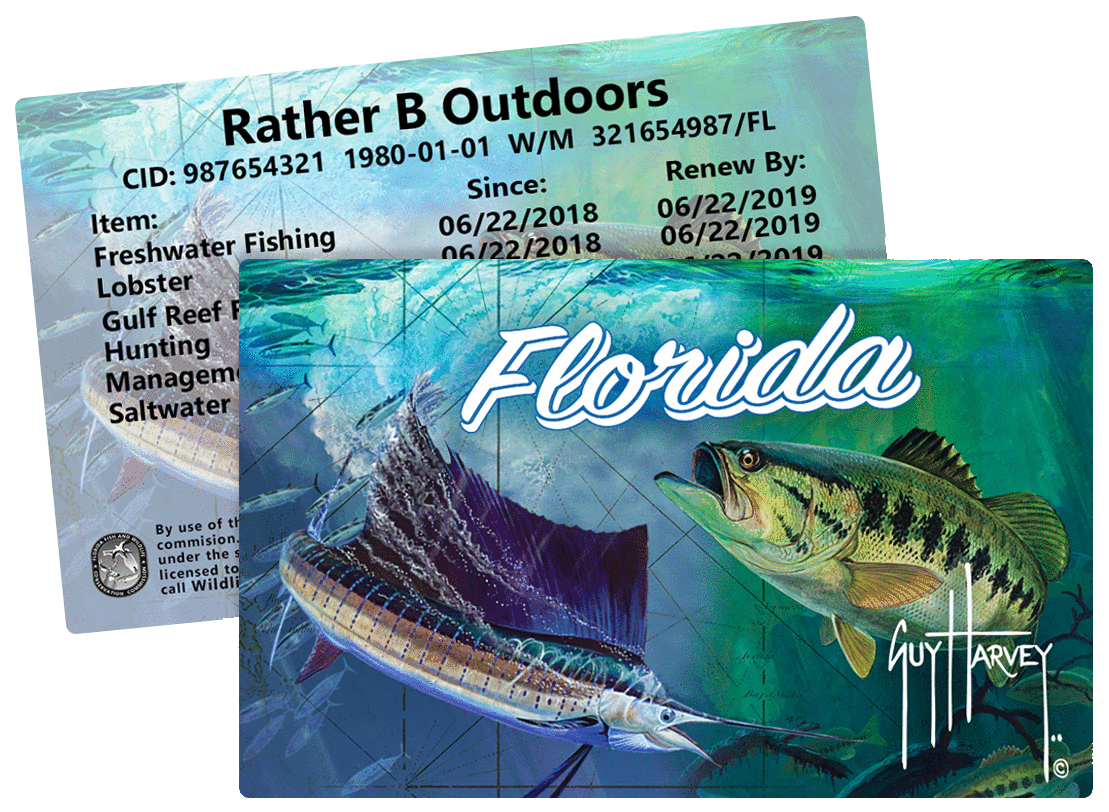
Understanding Florida Fishing License Age Requirements
The Florida Fish and Wildlife Conservation Commission (FWC) sets the guidelines for fishing licenses in the state, aiming to manage and conserve its abundant marine and freshwater resources. For most recreational anglers, understanding the age at which a license becomes mandatory is a straightforward but crucial piece of information. The age at which a Florida fishing license is required is 16 years old. This means that any individual aged 16 or older must possess a valid fishing license to legally fish in the Sunshine State.
Minors and Fishing Privileges
Children younger than 16 years of age can enjoy fishing in Florida waters without needing their own license. This provision is designed to encourage youth participation in fishing and make it more accessible for families. However, it’s important to note that while these minors are exempt from needing a personal license, they must still adhere to all fishing regulations regarding size limits, bag limits, and gear restrictions as stipulated by the FWC. Furthermore, if a minor is fishing with an adult who holds a special permit (such as a hunting license with a saltwater fishing stamp), the minor might be covered under that permit, depending on the specific license type and conditions. It is always prudent to verify the latest regulations with the FWC to ensure complete compliance.
Adults and License Essentials
For adults aged 16 and over, the requirement for a fishing license is universal, regardless of whether they are fishing in saltwater or freshwater environments. The type of license needed will depend on the specific body of water and the type of fishing intended. Florida offers a variety of license options, from short-term permits for tourists to annual licenses for residents and non-residents alike. These licenses are not merely bureaucratic hurdles; they are vital components of the state’s conservation efforts, with a significant portion of the revenue generated from license sales directly funding wildlife management, habitat restoration, and fisheries research. By purchasing a license, anglers contribute to the long-term sustainability of Florida‘s incredible fishing opportunities, ensuring that future generations can experience the same joys and bounties of its waters.
Types of Florida Fishing Licenses and Their Age Implications
Florida provides a diverse array of fishing licenses tailored to different needs and durations. While the primary age threshold remains 16, understanding the nuances of these license types can help anglers select the most appropriate and cost-effective option for their trip.
Saltwater vs. Freshwater Licenses
The distinction between saltwater and freshwater fishing is fundamental when selecting a license in Florida.
- Saltwater Fishing Licenses: These are required for fishing in saltwater areas, which include the Atlantic Ocean, the Gulf of Mexico, and their tidal tributaries. Many popular Florida destinations, such as Miami Beach, the Florida Keys, and the coastal areas around Tampa, fall under saltwater regulations.
- Freshwater Fishing Licenses: These are necessary for fishing in lakes, rivers, streams, and canals that are not influenced by tidal waters. Inland destinations like Lake Okeechobee and the many freshwater springs require a freshwater license.
For anglers planning to fish in both saltwater and freshwater environments during their trip, Florida offers a Florida Resident Nonresident Combination Saltwater/Freshwater Fishing License which covers both.
Short-Term vs. Annual Licenses
Florida offers flexibility in license duration to cater to both residents and visitors.
- Short-Term Licenses: These are ideal for tourists or those who only plan to fish occasionally. Options typically include 1-day, 3-day, 7-day, and 3-month licenses. For individuals aged 16 and over, these short-term licenses allow for legal recreational fishing within the specified timeframe.
- Annual Licenses: For residents and frequent visitors, annual licenses provide a more cost-effective solution. These licenses are valid for 12 months from the date of purchase.
The age requirement of 16 applies universally across all these license types for the individual angler. A child under 16 will never need to purchase any of these individual licenses.
Specialty Licenses and Permits

Beyond the basic fishing licenses, Florida also has specialty licenses and permits for specific types of fishing or for certain species. For instance, if an angler wishes to fish for highly migratory species like tarpon, permit, bonefish, or snook, they may need an additional permit depending on the body of water and the species targeted. These specialty permits also apply to individuals aged 16 and older. Similarly, licenses for commercial fishing or for taking specific protected species have their own age requirements and regulations, which are typically more stringent.
Special Considerations for Different Angler Groups
While the age of 16 is the general threshold, certain situations and demographic groups warrant specific attention regarding Florida fishing licenses.
Seniors and Fishing Privileges
Florida offers a concession for its senior residents. Florida residents who are 65 years of age or older are eligible for a Florida Resident Senior Citizen Hunting and Fishing License. This license is significantly discounted and covers both freshwater and saltwater fishing. This provision acknowledges the contributions of senior citizens and encourages them to continue enjoying the state’s natural resources. Individuals under 65 who are Florida residents must purchase a standard license, even if they are also seniors.
Military Personnel and Veterans
Florida also extends certain privileges to members of the U.S. Armed Forces. Active duty military personnel who are Florida residents may be eligible for discounted annual licenses. Additionally, disabled veterans who are Florida residents may qualify for lifetime hunting and fishing licenses under specific criteria. These provisions honor the service of military members and veterans, allowing them continued access to recreational fishing opportunities.
Tourists and Non-Residents
For visitors planning a fishing trip to Florida, understanding the non-resident license requirements is crucial. Non-residents aged 16 and over must obtain a valid Florida fishing license. As mentioned earlier, short-term non-resident licenses are available and are often the most practical choice for tourists. These licenses allow visitors to experience world-class fishing in destinations like Orlando, Fort Lauderdale, and the Everglades, contributing to the state’s tourism economy while supporting conservation efforts.
Frequently Asked Questions About Florida Fishing License Ages
Navigating the rules and regulations surrounding fishing licenses can sometimes lead to specific questions. Here are some of the most common inquiries related to age requirements in Florida.
Do I need a license if I’m only fishing from a pier?
The requirement for a Florida fishing license often depends on the specific pier. Many public piers in Florida have blanket licenses that cover all anglers fishing from their premises. However, this is not universal. Some piers may require individuals to have their own license, especially if they are fishing for certain species or in specific areas. It is always best to check with the pier management or the FWC to confirm the licensing requirements before you start fishing.
If my child is under 16, do they need to be accompanied by a licensed adult?
While individuals under 16 do not need their own fishing license, they are generally expected to be supervised by an adult when fishing. The accompanying adult must have a valid fishing license if they are also fishing. The supervision ensures that younger anglers are aware of and adhere to fishing regulations, promoting responsible angling practices from an early age.
What happens if I’m caught fishing without a license?
Fishing without a valid Florida fishing license can result in significant penalties. These typically include fines, which can range from moderate to substantial depending on the circumstances and prior offenses. In some cases, repeat offenders may face more severe consequences, including the suspension of future fishing privileges. The FWC actively enforces these regulations to protect the state’s fisheries, making it essential for all anglers aged 16 and older to be properly licensed. The revenue generated from these fines also contributes to conservation efforts, underscoring the importance of compliance.
By understanding and adhering to Florida‘s fishing license age requirements, anglers of all ages can ensure a rewarding and legal fishing experience, contributing to the preservation of the state’s precious aquatic ecosystems. Whether you’re a seasoned angler or a first-time visitor, a little preparation goes a long way in maximizing your enjoyment on the water.
LifeOutOfTheBox is a participant in the Amazon Services LLC Associates Program, an affiliate advertising program designed to provide a means for sites to earn advertising fees by advertising and linking to Amazon.com. Amazon, the Amazon logo, AmazonSupply, and the AmazonSupply logo are trademarks of Amazon.com, Inc. or its affiliates. As an Amazon Associate we earn affiliate commissions from qualifying purchases.