
Kyle Field, the storied home of the Texas A&M Aggies, stands as a colossal monument to college football tradition and a significant landmark in the Brazos Valley. When discussing its “bigness,” one can refer to multiple dimensions: its physical footprint, its seating capacity, and its monumental impact on the College Station experience. This iconic stadium is more than just a venue for athletic competition; it’s a cultural touchstone, a gathering place, and a testament to the enduring spirit of the Aggie Network. Understanding its scale provides a deeper appreciation for the passion and pride it encapsulates.

Dimensions and Capacity: A Colossus in College Station
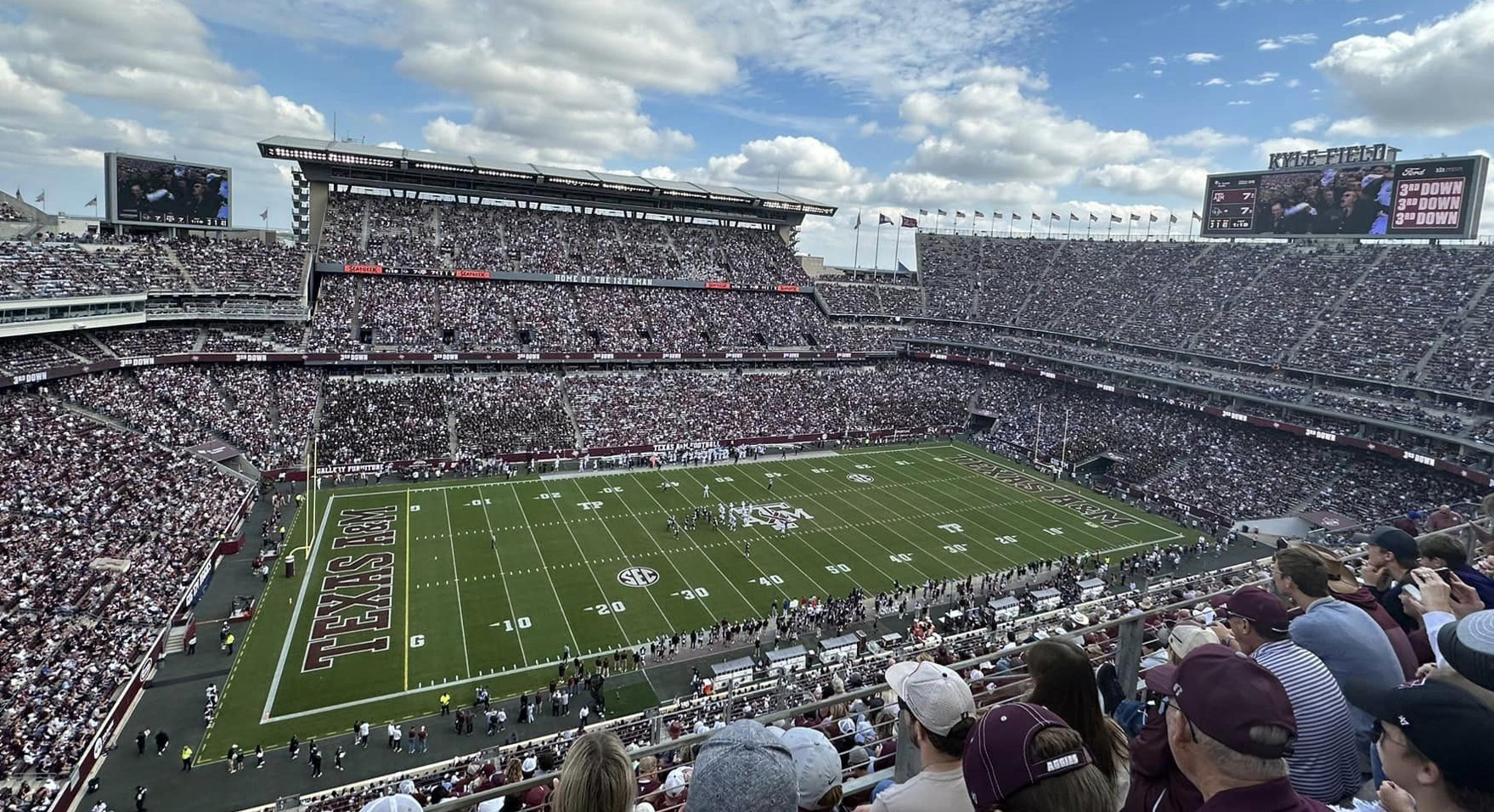
The sheer physical size of Kyle Field is awe-inspiring. Renovated and expanded multiple times throughout its history, its current iteration is a testament to modern architectural prowess blended with a reverence for tradition. The stadium’s seating capacity has grown significantly over the decades, making it one of the largest on-campus football stadiums in the United States.
Seating Capacity: Home to 100,000+ Passionate Fans
The most frequently cited measure of a stadium’s size is its seating capacity. As of recent configurations, Kyle Field can accommodate over 102,733 fans. This number places it among the top-tier stadiums in terms of sheer volume of spectators. The expansion projects, particularly the most recent one completed in 2015, significantly boosted this figure, solidifying its status as a venue capable of hosting massive crowds for every home game. The atmosphere on game days, with such a large contingent of passionate supporters, is legendary, often referred to as the “12th Man” tradition. This ability to hold over 100,000 individuals creates an unparalleled energy that reverberates throughout the entire campus and the surrounding city.
Physical Footprint: A Sprawling Structure
Beyond seating, the stadium’s physical footprint is extensive. Covering a considerable area, the structure comprises multiple levels, extensive concourses, luxury suites, and vast operational areas. The precise square footage is less commonly publicized than its seating capacity, but the sheer scale is evident when one approaches the venue. The towering stands dominate the skyline of College Station, making it a visible and imposing landmark from miles away. The construction itself involved significant engineering feats, integrating modern amenities with the existing historical framework of the stadium.
Field Dimensions: The Classic Gridiron
While the stadium’s overall size is monumental, the playing field itself adheres to standard dimensions for American football: 100 yards in length between the goal lines, with 10-yard end zones at each end, and a width of 53.3 yards. This adherence to regulation ensures that the athletic contests held within are played on a standard, familiar surface, regardless of the stadium’s gargantuan surroundings. The contrast between the intimate scale of the field and the vastness of the seating bowl is a characteristic feature of modern football stadiums.
A Monumental Landmark in Texas
Kyle Field is not just a structure of steel and concrete; it’s a landmark deeply embedded in the identity of Texas A&M University and the state of Texas. Its history is as expansive as its physical dimensions, reflecting the growth and evolution of the university and its traditions.
Historical Significance: A Century of Aggie Football

The stadium’s origins date back to 1927, with its first game played in November of that year. Since then, it has undergone numerous transformations, each expansion reflecting the increasing popularity of the Aggie football program and the unwavering support of its alumni and fans. Each iteration of Kyle Field has witnessed pivotal moments in Texas A&M football history, contributing to the rich tapestry of stories and legends associated with the university. This long history makes it more than just a stadium; it’s a repository of memories and a living testament to the enduring legacy of the Aggies.
Architectural Evolution: From Humble Beginnings to Modern Marvel
The architectural journey of Kyle Field mirrors the growth of the university. Starting as a more modest facility, it has evolved into a state-of-the-art complex. The most recent major renovation, completed in 2015, was a $450 million project that modernized almost every aspect of the stadium. This included expanding seating, adding premium seating options, improving fan amenities, and enhancing the overall game-day experience. The design cleverly integrates modern aesthetics with the traditional Aggie spirit, ensuring that while the facilities are cutting-edge, the iconic feel of the stadium remains intact. The attention to detail in the architecture, from the iconic maroon color scheme to the seating arrangements that foster a sense of community, all contribute to its unique character.
The “12th Man” Tradition: A Unique Spectator Experience
The sheer size of Kyle Field is intrinsically linked to the “12th Man” tradition, a fundamental aspect of the Texas A&M experience. This tradition signifies the student body’s readiness to support the football team, and the immense capacity of the stadium allows for this collective spirit to be fully realized. The packed stands, filled with students in uniform and alumni, create an electrifying atmosphere that is recognized nationwide. The unified roar of over 100,000 fans is a palpable force, influencing the game and creating a distinctive home-field advantage that is as much a part of the stadium’s “bigness” as its physical dimensions.
Beyond the Game Day: Kyle Field’s Role in the Community
While its primary function is as a football stadium, Kyle Field plays a broader role in the College Station landscape and beyond. Its presence significantly impacts local tourism, economics, and community events.
Economic Impact: A Catalyst for Local Business
The multitude of visitors who descend upon College Station for Texas A&M football games creates a substantial economic ripple effect. Hotels, restaurants, and local businesses see a significant boost in revenue on game days. The stadium itself employs a considerable number of staff, from game-day operations to permanent administrative roles. This economic engine contributes to the vitality and growth of the Brazos Valley. The sheer number of people attending events at Kyle Field necessitates a robust local infrastructure, from transportation to hospitality, further underscoring its economic significance.
Tourism and Visitor Experience: A Pilgrimage for Aggies
For many, visiting Kyle Field is more than just attending a football game; it’s a pilgrimage. Alumni and fans from across the country, and even internationally, make the trip to experience the unique atmosphere and traditions of Texas A&M. The stadium tours, the surrounding tailgate parties, and the opportunity to witness the “12th Man” in action are significant draws for tourism. This influx of visitors directly benefits the hospitality sector in College Station and nearby areas. The stadium serves as a focal point for these visitors, offering a tangible connection to the university’s heritage and a memorable experience.
Community Engagement and Events
Beyond football, Kyle Field has the capacity to host other large-scale events, further cementing its role as a significant community asset. While football remains its primary purpose, the infrastructure and sheer scale of the stadium make it a potential venue for concerts, graduation ceremonies, and other major public gatherings. This versatility ensures that the investment in such a colossal structure continues to yield benefits for the wider community throughout the year, not just during the football season. The stadium’s presence influences the planning and development of the surrounding area, making it a central hub of activity.
In conclusion, the question of “how big is Texas A&M Stadium?” opens a dialogue about its seating capacity, physical scale, historical significance, and its profound impact on the College Station community and the broader landscape of college football. It is a landmark of immense proportions, a testament to tradition, and a vibrant center of Aggie pride.
LifeOutOfTheBox is a participant in the Amazon Services LLC Associates Program, an affiliate advertising program designed to provide a means for sites to earn advertising fees by advertising and linking to Amazon.com. Amazon, the Amazon logo, AmazonSupply, and the AmazonSupply logo are trademarks of Amazon.com, Inc. or its affiliates. As an Amazon Associate we earn affiliate commissions from qualifying purchases.