
Navigating the financial intricacies of operating a business in the Sunshine State involves a keen understanding of sales tax obligations. For many businesses, particularly those involved in the vibrant tourism and hospitality sectors of Florida, determining when sales tax is due is a critical component of compliance and efficient financial management. This guide delves into the specifics of Florida’s sales tax remittance schedule, offering clarity for vendors, hoteliers, and tourism-related businesses.
Understanding Florida Sales Tax Filing Requirements
In Florida, businesses that sell tangible personal property or taxable services are generally required to collect and remit sales tax. The frequency of these filings – whether monthly, quarterly, or annually – is primarily determined by the business’s total taxable sales during a preceding period. This system ensures that the Department of Revenue receives tax revenues in a timely manner, supporting the state’s infrastructure and services, which in turn benefit the tourism industry.
Determining Your Filing Frequency
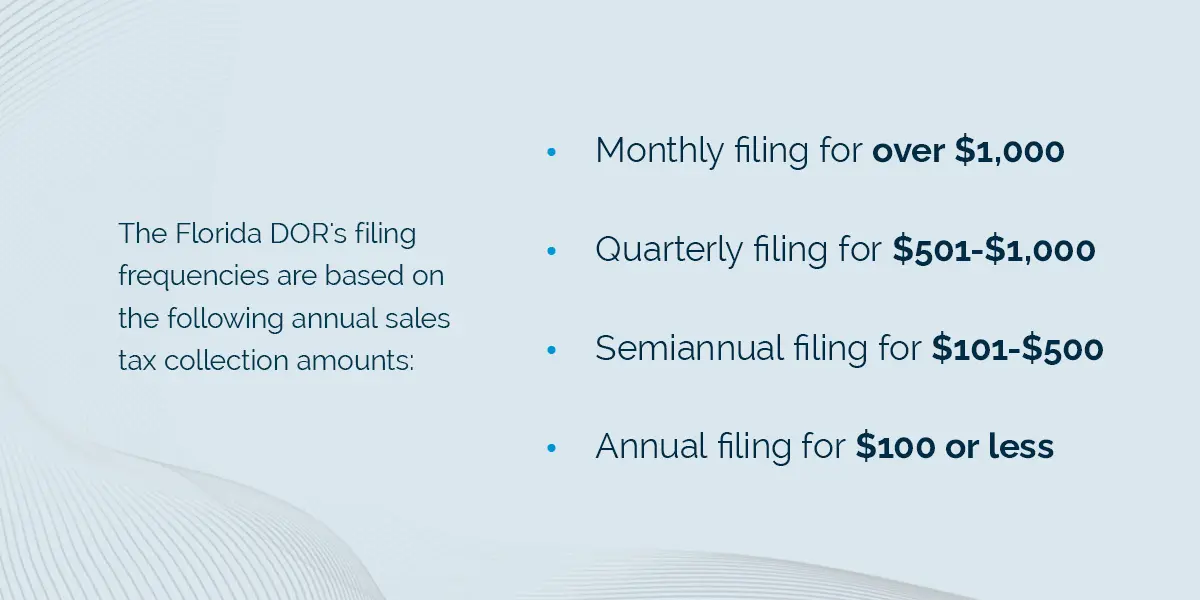
The Department of Revenue assigns a filing frequency to each taxpayer based on their sales history. For most businesses, the determination is made during the initial registration process.
Monthly Filers
Businesses with a history of high sales volume are typically designated as monthly filers. This means they must report and remit their sales tax collections every month. The threshold for monthly filing is generally set by the Department of Revenue and can be subject to change. This frequent reporting ensures that significant tax amounts are remitted promptly. For businesses in popular tourist destinations like Orlando or Miami, where sales volume can be substantial, monthly filing is the standard.
Quarterly Filers
If a business’s total taxable sales fall below a certain threshold, they may be classified as a quarterly filer. This means sales tax is reported and remitted every three months. The due dates for quarterly filings are specific and must be adhered to. This schedule offers a less frequent reporting burden for smaller businesses or those with seasonal sales patterns, which are common in the tourism sector, especially for smaller attractions or boutique hotels.
Annual Filers
In some cases, businesses with very low taxable sales may qualify for annual filing. This is the least frequent reporting schedule. However, the criteria for annual filing are stringent, and many businesses, especially those directly engaged in tourism services or sales, will likely fall into either monthly or quarterly filing categories due to the nature of their transactions.
The Important Role of the “Staggered Due Date”
Florida employs a staggered due date system for sales tax remittances. This means that not all businesses have the same due date for their monthly, quarterly, or annual filings. The specific due date is assigned by the Department of Revenue and is based on the business’s location and its federal employer identification number (FEIN) or social security number for sole proprietors. This staggered approach helps the Department of Revenue manage its workload and process remittances more efficiently throughout the month.
Key Point: It is crucial for businesses to know their assigned due date and file on time to avoid penalties and interest. This date is typically provided upon registration and can be found on tax forms and official correspondence from the Department of Revenue.
Sales Tax Due Dates for Different Filing Frequencies
Understanding the specific dates for remittance is paramount for businesses operating within Florida’s dynamic tourism landscape. Whether you are a hotel owner in Key West, an operator of a theme park in Tampa, or a vendor selling souvenirs along the coast, timely payment of sales tax is non-negotiable.
Monthly Sales Tax Filing Deadlines
For monthly filers, sales tax returns are due on the 20th day of the month following the reporting period. For example, sales made in January are due by February 20th. This applies across the state, impacting businesses in major hubs like Jacksonville and smaller communities alike.
Quarterly Sales Tax Filing Deadlines
Quarterly filers have their returns due on the 20th day of the month following the end of each calendar quarter.
- First Quarter (January – March): Due by April 20th
- Second Quarter (April – June): Due by July 20th
- Third Quarter (July – September): Due by October 20th
- Fourth Quarter (October – December): Due by January 20th of the following year
This schedule is particularly relevant for businesses with seasonal revenue streams, such as those catering to spring break crowds or winter visitors.
Annual Sales Tax Filing Deadlines
While less common for actively engaged tourism businesses, annual filers typically have their returns due by January 20th of the year following the reporting period. However, many businesses that might otherwise qualify for annual filing opt for more frequent reporting to manage cash flow and ensure compliance.
Filing Methods and Timely Remittance
Florida offers several methods for filing and remitting sales tax, all designed to facilitate efficient collection. Electronic filing and payment are strongly encouraged and often mandated for certain business sizes or transaction volumes.
Electronic Filing and Payment
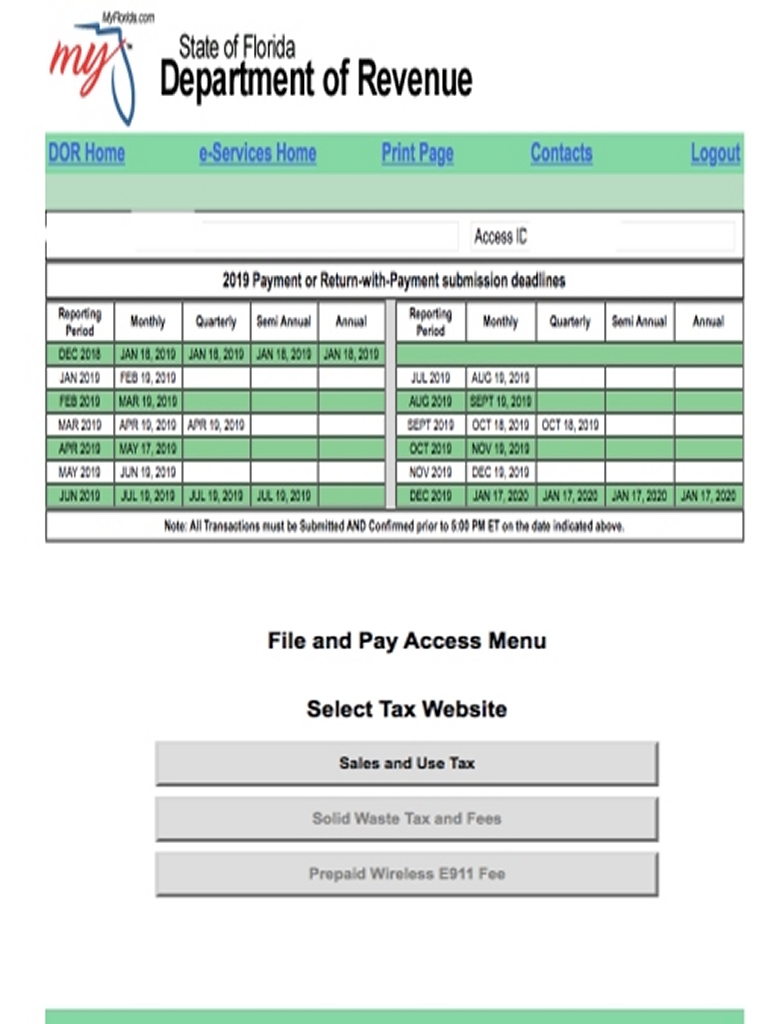
The most common and recommended method for sales tax remittance in Florida is through the state’s online portal, the Florida Department of Revenue’s MyFlorida.com website. This system allows businesses to:
- File their sales and use tax returns electronically.
- Make secure electronic payments via ACH debit or credit card.
- Access past tax filings and payment history.
- Update business information.
Electronic filing is generally considered the most reliable way to ensure that returns are submitted on time, as it eliminates mail delays and provides immediate confirmation of submission. This is especially crucial for businesses with significant revenue streams, like large resorts such as the Ritz-Carlton, that need to process large tax amounts.
Penalties for Late Filing and Payment
The Florida Department of Revenue imposes penalties and interest for late filings and payments. These can include:
- Late Filing Penalty: Typically 5% of the tax due for each month or portion of a month the return is late, up to a maximum of 25%.
- Late Payment Penalty: An additional penalty may apply if the payment is not received by the due date.
- Interest: Interest is charged on both unpaid tax and penalties from the due date until the date of payment. The interest rate is set by statute and can fluctuate.
These penalties can significantly impact a business’s profitability, making timely remittance not just a matter of compliance but also of financial prudence. For businesses operating in competitive markets like Miami Beach, where margins can be tight, avoiding these additional costs is essential.
Filing Extensions
While extensions for filing are generally not granted for sales tax in Florida, businesses facing extenuating circumstances should contact the Department of Revenue directly to discuss potential options. However, it is always best practice to aim for on-time submission to avoid any complications.
Specific Considerations for Tourism-Related Businesses
Businesses within the tourism sector often have unique sales tax considerations due to the nature of their services and the seasonality of their operations.
Hotels and Short-Term Rentals
Hotels, motels, resorts, and operators of short-term rentals (like those found on platforms such as Airbnb) are responsible for collecting and remitting both state sales tax and any applicable county or municipal tourist development taxes. The due dates for these taxes generally align with the state sales tax filing schedule. It is imperative for these establishments to be aware of the specific local tax rates and remittance requirements in addition to state obligations. For example, a resort in the Florida Keys might have a different combined tax rate than a hotel in St. Augustine.
Attraction and Entertainment Venues
Theme parks, museums, zoos, and other entertainment venues in Florida must collect sales tax on admission tickets, merchandise, food, and beverages sold. Their sales volume often necessitates monthly filing. Understanding what constitutes a taxable sale versus an exempt service is crucial for accurate reporting. For instance, educational programs offered by a museum might be exempt from sales tax under certain conditions.
Tour Operators and Experience Providers
Companies offering guided tours, recreational activities, or other paid experiences are also subject to sales tax on their services. The timing of revenue recognition and the specific classification of the service (taxable or exempt) will influence their sales tax obligations. Whether it’s a boat tour departing from Fort Lauderdale or an airboat tour in the Everglades, sales tax collection is a standard requirement.
Online Travel Agencies (OTAs) and Marketplace Facilitators
The rise of online booking platforms has introduced complexities for sales tax collection. OTAs and marketplace facilitators may be responsible for collecting and remitting sales tax on behalf of third-party sellers or lodging providers. Businesses should stay informed about evolving regulations regarding these digital marketplaces and their tax responsibilities.
Staying Compliant and Proactive
Compliance with Florida sales tax laws is an ongoing responsibility for businesses engaged in commerce, especially within the vibrant tourism industry. Proactive financial management and a clear understanding of due dates are key to avoiding costly penalties.
Regular Review of Sales Records
It is advisable for businesses to regularly review their sales records and ensure that they are correctly categorizing taxable and non-taxable transactions. This not only aids in accurate tax remittance but also helps in identifying potential areas for tax savings or audit preparedness. For instance, a hotel that mistakenly charges sales tax on a non-taxable service can lead to over-collection and operational inefficiencies.
Utilizing Professional Guidance
For businesses that find the complexities of sales tax overwhelming, consulting with a qualified tax professional or accountant specializing in Florida tax law is highly recommended. They can provide tailored advice on filing frequency, taxability of specific items or services, and strategies for efficient tax management. This is particularly valuable for new businesses or those undergoing significant growth, such as a new resort opening near Clearwater.
Staying Updated with Department of Revenue Information
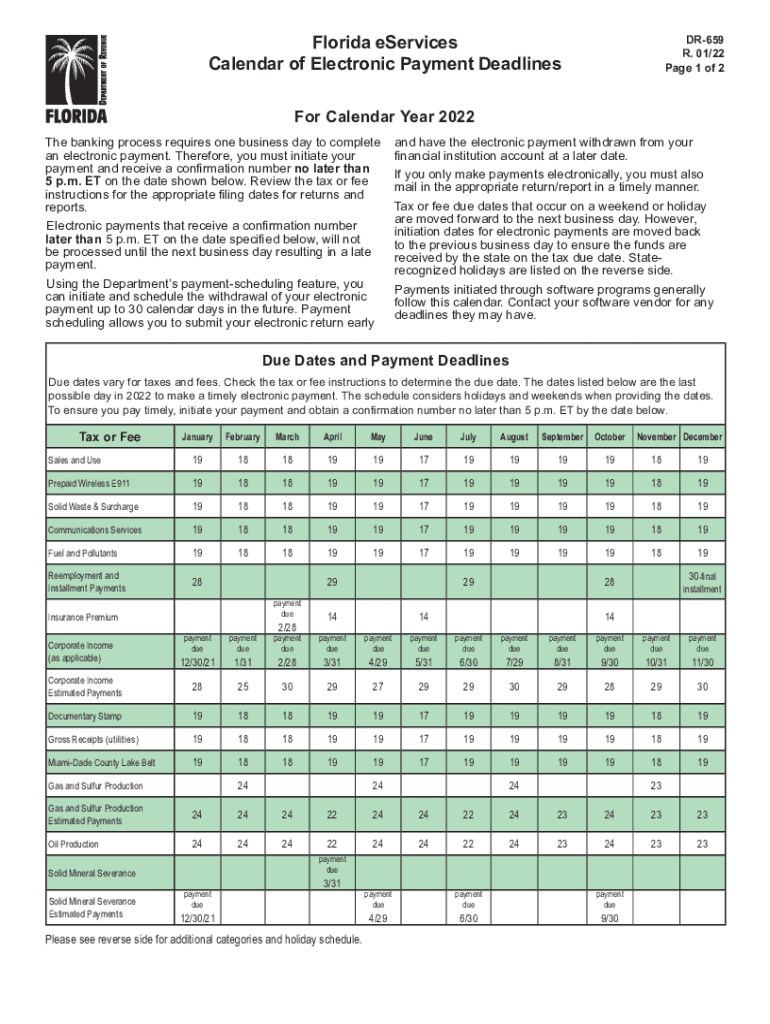
The Florida Department of Revenue frequently updates its regulations, forms, and administrative codes. Businesses should regularly visit the Department’s official website or subscribe to their newsletters to stay informed about any changes that may affect their sales tax obligations. This vigilance ensures that businesses remain compliant with the latest legal requirements.
In conclusion, knowing when Florida sales tax is due is fundamental for the smooth operation of any business. By understanding your filing frequency, adhering to specific due dates, and leveraging available filing methods, you can ensure compliance, avoid penalties, and focus on providing the exceptional experiences that draw visitors to the beautiful state of Florida.
LifeOutOfTheBox is a participant in the Amazon Services LLC Associates Program, an affiliate advertising program designed to provide a means for sites to earn advertising fees by advertising and linking to Amazon.com. Amazon, the Amazon logo, AmazonSupply, and the AmazonSupply logo are trademarks of Amazon.com, Inc. or its affiliates. As an Amazon Associate we earn affiliate commissions from qualifying purchases.