
Fishing guides in Florida are a unique breed of professional. Their livelihoods are intrinsically tied to the rhythm of the tides, the migration patterns of fish, and the seasonal demands of anglers seeking the ultimate catch. Unlike many conventional professions with fixed salaries and predictable paid time off, a fishing guide’s income and off-season compensation can be far more complex and variable. This exploration delves into the financial realities faced by these maritime professionals, particularly during periods when the lines aren’t actively cast for clients. Understanding this aspect is crucial for anyone considering a career in guiding or for tourists wanting to appreciate the dedication and business acumen required behind the scenes.

The Earning Seasons: Peaks and Valleys of Guide Income
The income of a fishing guide in Florida is heavily dictated by the prime fishing seasons and the types of fishing they specialize in. The Sunshine State offers diverse angling opportunities year-round, but certain periods see an undeniable surge in demand.
Peak Seasons and Their Financial Impact
- Winter (December – February): This is a highly lucrative period, especially in South Florida. Anglers flock to escape colder climates, targeting species like tarpon, snook, redfish, and offshore pelagics. The demand for experienced guides is at its highest, allowing them to command premium rates. Many guides operate seven days a week during these months.
- Spring (March – May): The “Spring Run” for tarpon along the Gulf Coast, particularly in areas like Boca Grande, is another massive income generator. Snook and redfish also remain active, contributing to a consistently busy schedule. This period often sees guides extending their working hours and days to maximize earnings.
- Summer (June – August): While the heat can be intense, summer offers excellent opportunities for offshore fishing for species like marlin, tuna, and dolphin. Inshore fishing also remains productive, though early morning and late evening trips become more popular. Demand remains strong, though perhaps slightly less intense than the winter and spring peaks.
- Fall (September – November): As the weather cools, fishing conditions often improve, leading to another surge in angler interest. This season is particularly good for redfish and snook, and offshore fishing can be spectacular.
Factors Influencing Daily Rates
A fishing guide’s daily rate is not a static figure. It’s influenced by several factors:
- Boat Size and Capacity: Larger, more specialized boats (e.g., offshore sportfishing vessels) command higher rates than smaller inshore skiffs.
- Type of Fishing: Offshore excursions, which often involve longer trips and higher fuel costs, are typically more expensive than inshore trips. Fly-fishing guiding, requiring specialized skills and equipment, also often falls into a higher price bracket.
- Location: Guides operating in popular tourist destinations like the Florida Keys or Tampa Bay may charge more due to higher overhead and demand.
- Experience and Reputation: Highly sought-after guides with a proven track record and excellent reviews can charge a premium.
- Included Services: Rates can vary based on what’s included – bait, tackle, licensing, and even lunch or drinks.
Typically, a full-day charter can range from $500 to $1,500 or more, depending on these variables. Half-day charters and custom trips are also common.
The Off-Season: Navigating Unpaid Time
The concept of “time off” for a fishing guide in Florida is often synonymous with periods of reduced bookings, which can translate into significantly lower income. Unlike salaried employees who receive paid vacation or sick leave, guides generally do not earn income when they are not actively booked for a charter. This necessitates strategic financial planning and often requires them to seek alternative income streams.
Understanding “Off-Season” in Florida Fishing
While Florida is renowned for year-round fishing, there are indeed periods of naturally lower demand. These can be influenced by:
- Inclement Weather: While tropical storms and hurricanes are a reality, periods of prolonged bad weather can also disrupt fishing and cancel bookings.
- Post-Holiday Lulls: Following major holiday seasons like Christmas and New Year’s, there can be a brief dip in bookings.
- Seasonal Species Migration Changes: While specific species are always present, their abundance and accessibility can shift, leading to lulls in certain types of fishing.
- Local Demand Fluctuations: Outside of major tourist influxes, local demand can also vary.
The term “off-season” is relative. A guide specializing in offshore big game might find their busiest period during the fall migration, while an inshore guide might see higher demand during the spring and summer. However, even in a “slow” month, a dedicated guide might still be working extensively on boat maintenance, marketing, or networking.
Financial Strategies for Unpaid Periods
Since there is no automatic “paid time off,” fishing guides must be proactive in managing their finances during slower periods.
- Income Smoothing and Savings: The most critical strategy is to save aggressively during peak earning seasons to create a financial buffer for the lean months. This involves meticulous budgeting and understanding the average income and expenses throughout the year.
- Diversified Income Streams: Many guides don’t rely solely on charter bookings. They often supplement their income through:
- Boat Maintenance and Repair: Offering services to other boat owners or performing extensive maintenance on their own vessel.
- Fishing Instruction and Clinics: Conducting workshops on specific fishing techniques, knot tying, or bait rigging.
- Retail Sales: Some guides may work part-time in local tackle shops or marine supply stores.
- Freelance Writing/Content Creation: Sharing their expertise through articles, blogs, or social media content.
- Seasonal Jobs: Taking on other temporary employment during the absolute slowest times, though this is less common for those deeply invested in their guiding careers.
- Reduced Operating Expenses: During slower periods, guides may scale back on non-essential expenses related to their business, such as reducing fuel consumption on exploratory trips or deferring major equipment upgrades.
- Bartering and Networking: Building strong relationships within the marine community can lead to opportunities for bartering services or referrals during slower times.
The financial reality is that a fishing guide’s “pay” during time off is essentially the accumulated savings from their working periods, or income generated from alternative sources. It is a testament to their entrepreneurial spirit and resilience.

Beyond the Charter: The Unseen Work of a Fishing Guide
The misconception that a fishing guide’s work begins and ends when the boat leaves the dock is pervasive. The reality is that a significant portion of their commitment, and by extension, their financial considerations, extends far beyond the booked hours. These are the activities that happen when clients aren’t present, and they are crucial for sustained success and, indirectly, for managing income during slower times.
Boat Maintenance and Upkeep
A well-maintained boat is not just a luxury; it’s an absolute necessity for a fishing guide. Regular maintenance is paramount for safety, reliability, and the overall client experience.
- Routine Checks: This includes engine fluid checks, hull inspections, cleaning, and ensuring all safety equipment is in working order.
- Mechanical Repairs: From minor tune-ups to major engine overhauls, guides often handle or oversee these tasks. Downtime for repairs directly impacts earning potential.
- Hull Cleaning and Bottom Painting: This is a recurring task that prevents marine growth and maintains fuel efficiency.
- Electronics and Tackle Management: Keeping GPS units, fish finders, radios, and reels in top condition is vital. Re-spooling reels, sharpening hooks, and organizing tackle are continuous efforts.
The cost and time invested in maintenance are significant. While some of this work is done during the fishing season between trips, extended periods of reduced bookings allow for more in-depth maintenance projects, potentially saving money on professional repair services.
Marketing and Business Development
A fishing guide is also a small business owner. Effective marketing is not just a seasonal activity; it’s an ongoing process to ensure a steady stream of clients.
- Online Presence: Maintaining and updating websites, social media profiles (Instagram, Facebook, etc.), and online booking platforms. This includes posting high-quality photos and videos of successful trips.
- Networking: Building relationships with local hotels, charter booking agencies, restaurants, and other tourism-related businesses that can refer clients.
- Advertising: Potentially investing in local print ads, online advertising campaigns, or partnerships with fishing publications.
- Client Relationship Management: Following up with past clients, sending personalized emails, and encouraging reviews. Repeat business is a cornerstone of a successful guiding operation.
During periods of lower bookings, guides often dedicate more time to refining their marketing strategies, analyzing what has worked in the past, and exploring new avenues to attract anglers.
Skill Development and Knowledge Acquisition
The angling world is constantly evolving. To remain competitive, guides must continuously hone their skills and expand their knowledge base.
- Learning New Techniques: This might involve studying new fly-fishing patterns, understanding different trolling methods, or mastering the latest sonar technology.
- Studying Fish Behavior: Keeping abreast of changing fish migration patterns, feeding habits, and preferred habitats due to environmental shifts or climate change.
- Attending Industry Events: Visiting boat shows, tackle expos, and seminars to stay informed about new gear and trends.
- Practicing: Even when not guiding, many guides spend their personal time on the water, refining their casting, retrieving, and boat handling skills.
This commitment to improvement, often undertaken during less busy periods, ensures that when clients do book a trip, they are receiving the highest level of expertise and a truly memorable experience, justifying their investment. This continuous professional development is an essential, albeit unpaid in the direct sense, aspect of a fishing guide’s career. It’s an investment in their future earning potential.
The Financial Implications of Off-Season Productivity
The active engagement in boat maintenance, marketing, and skill development during what might be perceived as “time off” has direct financial implications for fishing guides in Florida. It’s not passive downtime but rather strategic reinvestment into their business.
Preventing Future Costs
- Proactive Maintenance: Addressing minor issues before they become major, costly repairs can save significant amounts of money. For example, catching a small leak early can prevent extensive hull damage. Regular engine servicing can avert catastrophic mechanical failures that would lead to prolonged, expensive downtime.
- Minimizing Downtime: A well-maintained vessel is less likely to break down unexpectedly during a booked trip. A mechanical failure mid-charter not only results in a lost booking and a disgruntled client but also incurs emergency repair costs and potential loss of future bookings due to a damaged reputation.
- Efficient Operations: Keeping the boat running optimally improves fuel efficiency, a significant operating cost for any charter business.
Maximizing Earning Potential
- Enhanced Reputation: A guide who consistently provides top-notch service, due to a well-equipped and reliable boat, coupled with expert knowledge, builds a strong reputation. This leads to repeat clients and positive word-of-mouth referrals, directly boosting bookings.
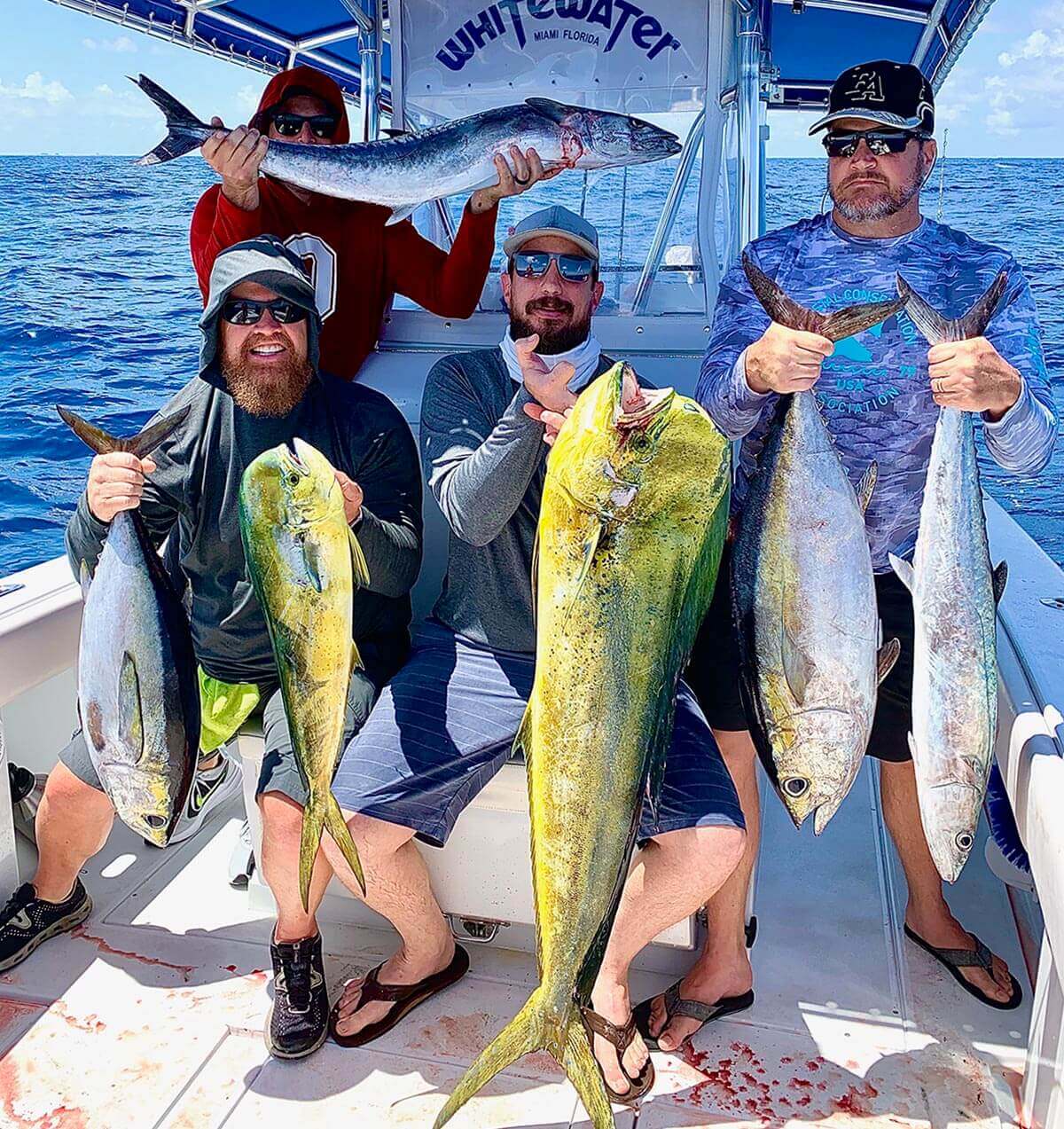
- Attracting New Clients: Effective marketing efforts, particularly those that showcase successful and exciting fishing experiences, draw in new anglers. The effort put into website updates, social media content, and networking during slower times pays dividends when bookings resume.
- Competitive Edge: Guides who continuously learn and adapt to new techniques and understand changing environmental conditions are more likely to put clients on fish, even in challenging situations. This superior performance is a significant differentiator in a competitive market.
- Diversification of Services: Sometimes, the off-season allows guides to develop and offer new types of trips or services. For example, a guide might develop expertise in nighttime shark fishing or eco-tours, diversifying their revenue streams beyond traditional angling charters.
Ultimately, the “pay” a fishing guide receives during their time off is not a salary or a stipend. It is the result of their dedication to maintaining and improving their business during periods of reduced income. It’s an entrepreneurial model where personal investment in the business directly correlates with future financial rewards. The guides who thrive are those who understand that running a successful charter business requires constant effort, whether the phone is ringing with bookings or not. They are perpetually working on their craft, their vessel, and their brand, ensuring that when the demand peaks, they are optimally positioned to capitalize on it. This proactive approach is the true financial strategy for navigating the inherent ebb and flow of the professional fishing guide’s life in the vibrant waters of Florida.
LifeOutOfTheBox is a participant in the Amazon Services LLC Associates Program, an affiliate advertising program designed to provide a means for sites to earn advertising fees by advertising and linking to Amazon.com. Amazon, the Amazon logo, AmazonSupply, and the AmazonSupply logo are trademarks of Amazon.com, Inc. or its affiliates. As an Amazon Associate we earn affiliate commissions from qualifying purchases.