
Understanding the intricacies of vehicle ownership is a crucial aspect of navigating the Golden State, especially for those who are new residents or engaging in the vibrant lifestyle of California. While the focus of many visitors and residents is on the myriad of travel opportunities, from the sun-drenched beaches of Malibu to the majestic peaks of the Sierra Nevada, the foundational legalities of owning a vehicle that facilitates these journeys are equally important. This guide delves into the visual and informational components of a California vehicle title, a document that serves as the official proof of ownership.
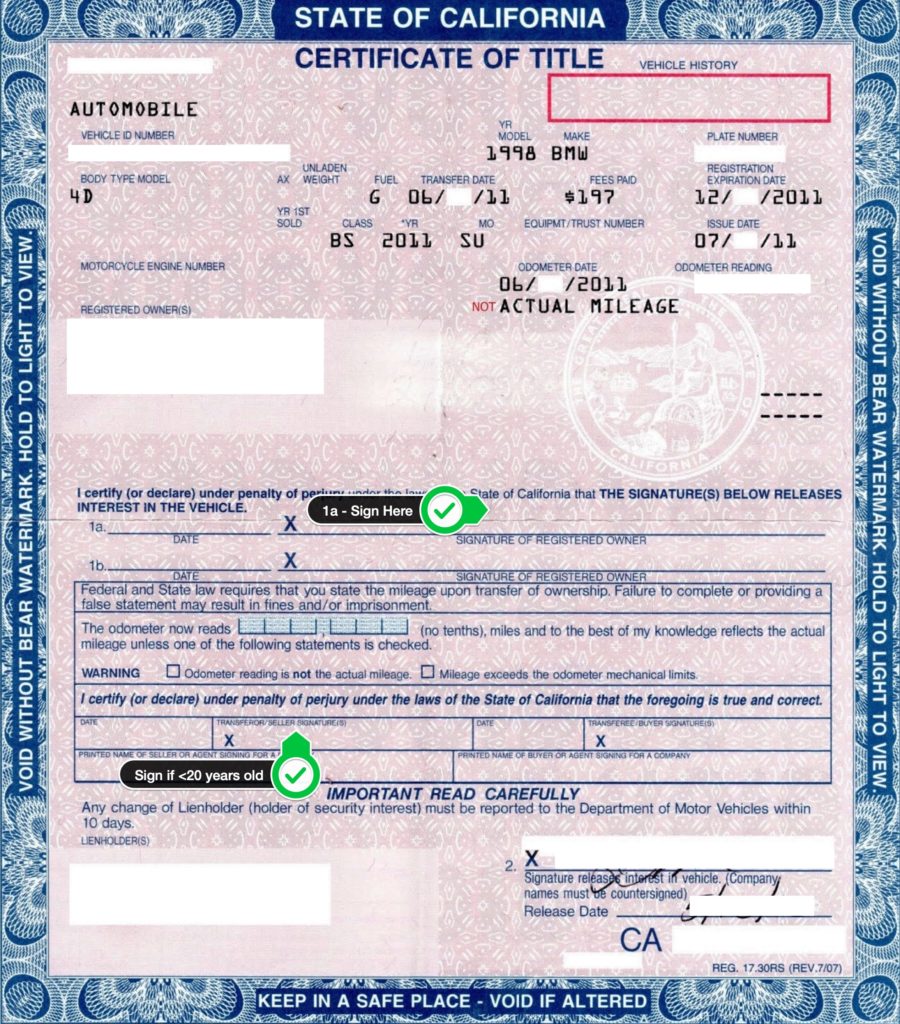
The Cornerstone of Vehicle Ownership: Understanding Your California Title
A California Certificate of Title is not merely a piece of paper; it’s a legal document issued by the California Department of Motor Vehicles (DMV) that establishes who legally owns a particular vehicle. For any traveler planning extensive road trips across the state, from the scenic Pacific Coast Highway to the vast deserts of Joshua Tree National Park, ensuring this document is in order is paramount. It is essential for registering your vehicle, transferring ownership, and even for insurance purposes. Without a valid title, you cannot legally operate or sell your vehicle in California.
Key Identifiers on Your Title
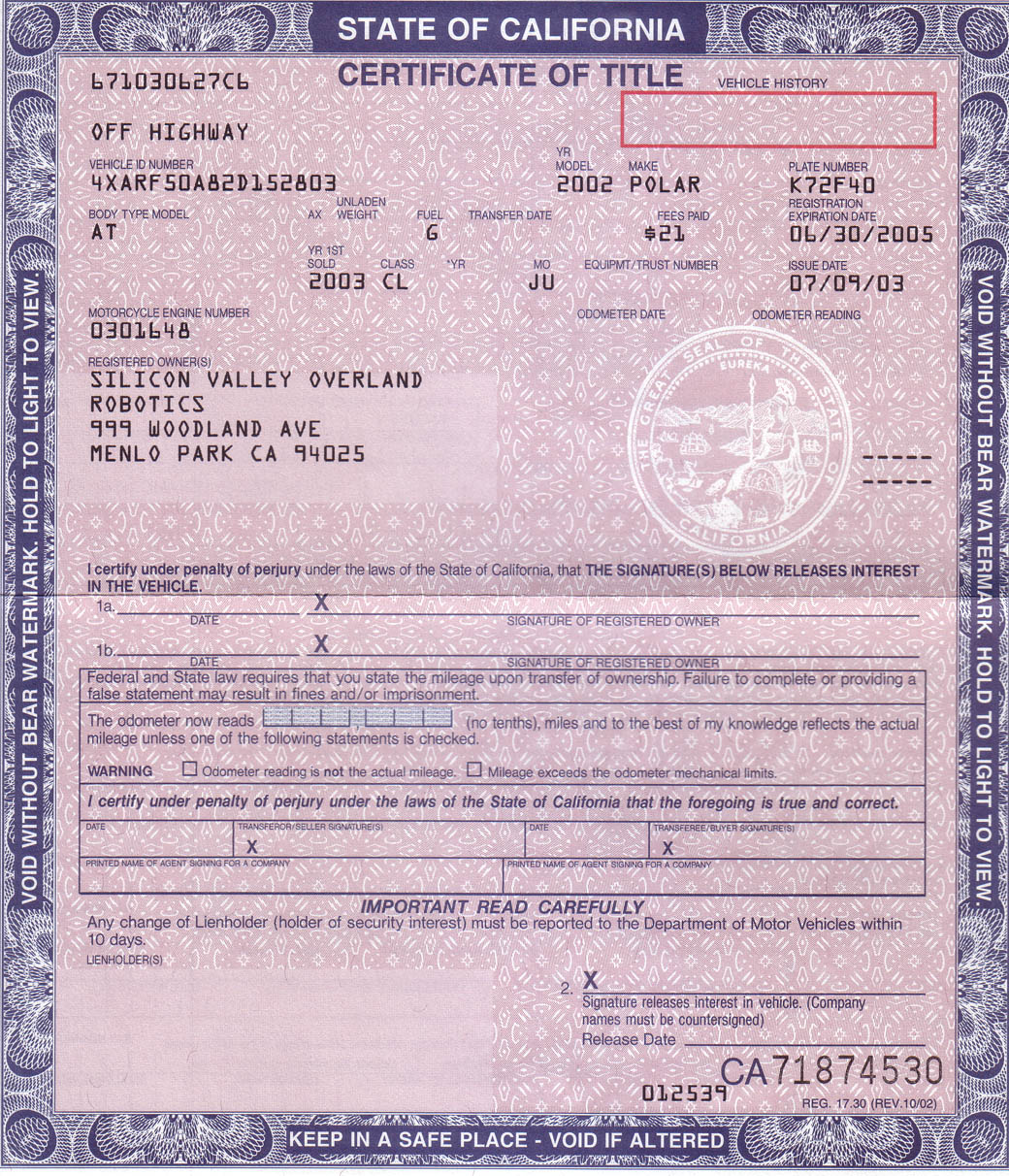
When you hold a California vehicle title, several key pieces of information are immediately visible and vital to its authenticity and your understanding of your vehicle’s status. These elements are designed to uniquely identify both the vehicle and its owner.
Vehicle Information
The front of the title prominently displays information pertaining to the vehicle itself. This includes the:
- Vehicle Identification Number (VIN): This is a unique 17-character code that serves as the vehicle’s fingerprint. It’s used globally to identify individual vehicles and contains information about the manufacturer, model year, and production plant. It’s crucial for distinguishing your vehicle from any other.
- Make, Model, and Body Type: These fields specify the manufacturer (e.g., Ford), the specific model (e.g., Mustang), and the type of body (e.g., Sedan, SUV, Convertible). This helps in identifying the general characteristics of the vehicle.
- Year: The model year of the vehicle, often indicated by the production year.
- Color: The primary exterior color of the vehicle.
- Odometer Reading: While not always explicitly printed as the current reading, the title may reflect odometer information from previous transactions, indicating mileage at the time of sale or transfer. This is crucial for understanding the vehicle’s history.
Ownership and Lienholder Information
Equally important are the details concerning who owns the vehicle and if there are any outstanding financial claims against it.
- Owner’s Name and Address: This section clearly lists the legal owner(s) of the vehicle. For joint ownership, all names will be present. This is the information that officially ties the vehicle to an individual or entity.
- Lienholder Information: If you financed your vehicle, the title will list the lienholder – typically the bank or lending institution that holds a financial interest in the vehicle until the loan is fully paid. This is a critical designation, as the lienholder has legal rights to the vehicle until the debt is satisfied. The presence of a lienholder means you cannot sell or transfer the title without their consent or satisfaction of the debt.
Security Features and Authenticity
To prevent fraud and ensure the legitimacy of the document, California vehicle titles incorporate several security features. These are designed to make the title difficult to counterfeit and are often subtle but important indicators of its authenticity.
Holograms and Watermarks
Many official documents, including vehicle titles, utilize security features like holograms or watermarks. These are integrated into the paper itself and are difficult to replicate. When viewed at different angles, holograms can display shifting images or colors, a key indicator of an authentic title. Watermarks are often visible when the document is held up to a light source.
Unique Serial Numbers and Barcodes
Each California vehicle title is assigned a unique serial number, distinct from the vehicle’s VIN. This serial number is used by the DMV for tracking and administrative purposes. Additionally, barcodes may be present, containing encoded information for efficient processing and record-keeping by the department.
Navigating Different Types of California Vehicle Titles
Beyond the standard Certificate of Title, California issues different types of titles to reflect various ownership statuses and vehicle histories. Understanding these distinctions is crucial for buyers, sellers, and owners alike.
The Standard Certificate of Title
This is the most common type of title issued for vehicles that are legally owned and have no outstanding liens. It signifies clear ownership. When you purchase a vehicle outright or have paid off your car loan, you will ultimately receive or hold a Certificate of Title in your name.
Salvage, Rebuilt, and Lemon Titles
These titles indicate a history of significant damage or issues with the vehicle.
Salvage Title
A vehicle is issued a salvage title when it has been declared a total loss by an insurance company due to damage from an accident, flood, fire, or other catastrophe. This means the cost of repair exceeded a certain percentage of the vehicle’s market value. A salvage-titled vehicle cannot be legally driven on public roads until it has been repaired and inspected.
Rebuilt Title
A vehicle with a salvage title can be repaired and then undergo a rigorous inspection process by the DMV. If it passes this inspection, it will be issued a “rebuilt” or “reconstructed” title. This signifies that the vehicle has been repaired and is now roadworthy, but its history as a salvage vehicle will always be noted on the title. Buyers should exercise extreme caution and conduct thorough inspections before purchasing a vehicle with a rebuilt title.
Lemon Title
A “lemon law buyback” or “lemon” title is issued for vehicles that have been repurchased by the manufacturer because they had substantial defects that could not be repaired after a reasonable number of attempts. Like salvage and rebuilt titles, a lemon title signifies a problematic history, and buyers should be aware of this designation.
Other Title Designations
California may also issue titles for specific circumstances, such as:
- Used Title: This is a standard title for a vehicle that has had previous owners.
- New Title: Issued for brand-new vehicles purchased from a dealership.
- Transfer of Ownership Title: This title is issued when ownership of a vehicle changes hands.
What to Do With Your California Vehicle Title
Possessing a clear understanding of what your California vehicle title looks like and what it signifies is only the first step. The real value comes from knowing how to manage and utilize this critical document.
Transferring Ownership: The Process
When buying or selling a vehicle, the title plays a central role in the transfer of ownership.
For Sellers
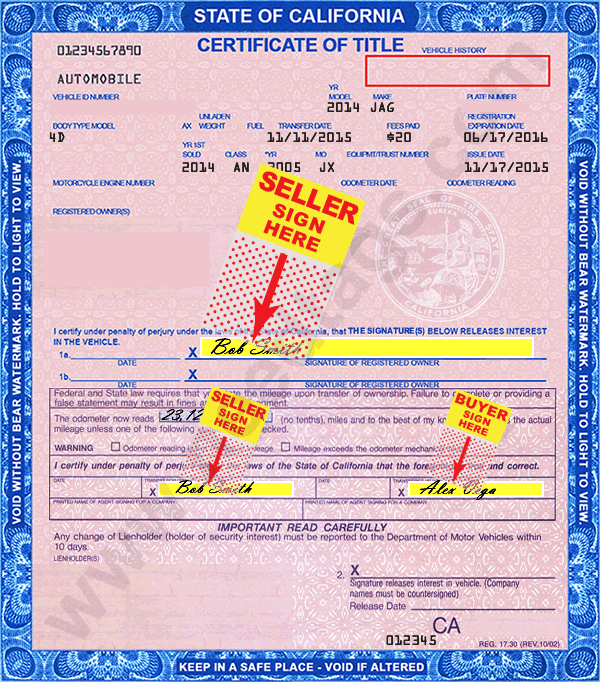
As a seller, you will need to complete the assignment of title section on the back of your current title. This typically involves providing the buyer’s name and address, the odometer reading at the time of sale, and signing the document. It’s crucial to accurately fill out this section to avoid any future liability. You will also need to submit a Notice of Transfer and Release of Liability to the DMV within five days of the sale. This protects you by informing the state that you are no longer responsible for the vehicle.
For Buyers
As a buyer, you will receive the signed title from the seller. You then need to take this title, along with other required documentation (such as proof of insurance and smog certification), to the DMV to officially transfer ownership into your name and obtain a new title. This process also involves paying applicable registration fees and taxes.
Replacing a Lost or Damaged Title
Losing your vehicle title can be a stressful experience, but it is replaceable. You will need to apply for a duplicate title at the DMV by submitting a specific application form (REG 227) and paying a fee. It’s important to do this promptly to ensure you have legal proof of ownership. Similarly, if your title becomes damaged, you can apply for a duplicate to ensure its readability and authenticity.
The Importance of Keeping Your Title Secure
Given its significance, your vehicle title should be stored in a safe place, separate from your vehicle. Avoid keeping it in your glove compartment, as it could be lost or stolen along with the car. A fireproof safe at home or a secure safety deposit box are ideal locations. Only retrieve it when you are actively engaging in a transaction that requires it, such as selling your vehicle or applying for a duplicate.
For anyone planning to explore the vast and diverse landscapes of California, from the vineyards of the Napa Valley to the urban buzz of Los Angeles, understanding the legal documents that permit your travel is essential. The California vehicle title, in its various forms, is the key to legally owning and operating the vehicles that enable these adventures.
LifeOutOfTheBox is a participant in the Amazon Services LLC Associates Program, an affiliate advertising program designed to provide a means for sites to earn advertising fees by advertising and linking to Amazon.com. Amazon, the Amazon logo, AmazonSupply, and the AmazonSupply logo are trademarks of Amazon.com, Inc. or its affiliates. As an Amazon Associate we earn affiliate commissions from qualifying purchases.