
Florida, a state renowned for its sun-drenched beaches, vibrant theme parks, and diverse ecosystems, also harbors a fascinating array of small reptilian inhabitants. Among these, the “little lizards” that often scurry across lawns, walls, and pathways are a common and charming sight for residents and visitors alike. Identifying these diminutive denizens requires a closer look at the most prevalent species that have made the Sunshine State their home. Primarily, when people refer to these small, often anole-like lizards, they are most likely encountering the American Anole ( Anolis carolinensis) and its introduced competitor, the Green Anole ( Anolis chloronotus), though other small lizard species also contribute to the state’s reptilian tapestry.
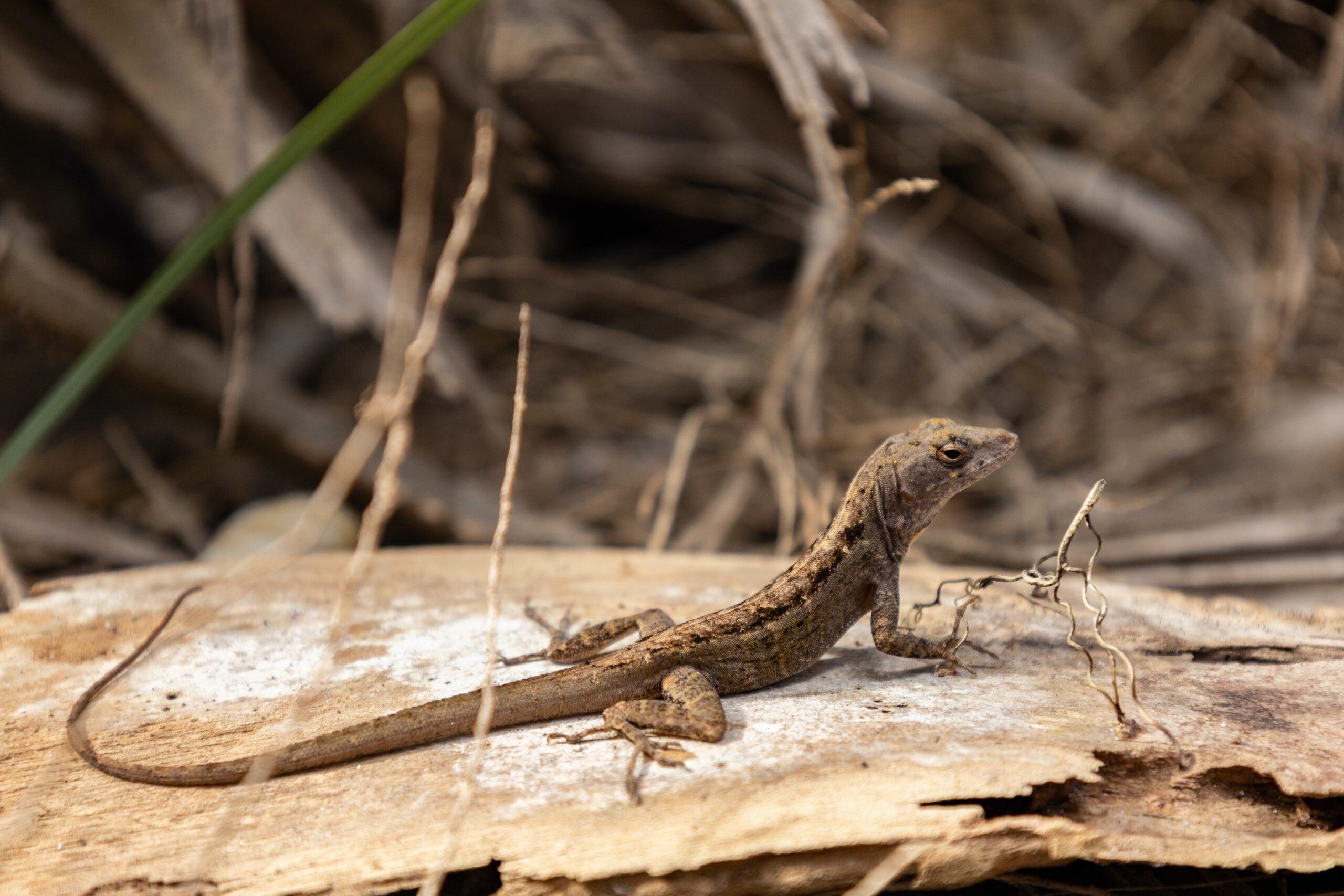
The Ubiquitous Anoles of Florida
The undisputed stars of the “little lizard” show in Florida are undoubtedly the anoles. These graceful reptiles are a familiar presence in almost every Florida habitat, from the manicured gardens of Miami and Orlando to the wilder landscapes of the Everglades National Park. Their adaptability and small size make them a common sight, sparking curiosity among those new to the region.
The American Anole: A Native Gem
The American Anole, also known as the Green Anole, is perhaps the most iconic of Florida’s small lizards. This native species is a master of camouflage, capable of shifting its skin color from a vibrant green to a dull brown, depending on its mood, temperature, and surroundings. This remarkable ability allows them to blend seamlessly with their environment, whether it’s the verdant foliage of a hibiscus bush or the weathered wood of a fence post.
Physical Characteristics:
- Size: Adult American Anoles typically measure between 5 to 8 inches in length, including their tail.
- Coloration: Predominantly green or brown, with the ability to change between the two. Males may also display a reddish dewlap, a flap of skin under their chin, which they extend during courtship or territorial displays.
- Habitat: They thrive in a variety of environments, including forests, shrublands, gardens, and even urban areas with sufficient vegetation. They are often seen perched on branches, fences, or walls, basking in the sun.
- Diet: Primarily insectivores, their diet consists of insects, spiders, and other small invertebrates. They are active hunters, using their quick reflexes to snatch prey.
The American Anole is a vital part of Florida’s ecological balance, helping to control insect populations. Their presence is a testament to the state’s rich biodiversity, offering a delightful glimpse into the natural world for anyone who takes the time to observe.
The Brown Anole: An Introduced Competitor
Alongside the native American Anole, Florida is also home to the Brown Anole (Anolis sagrei). This species is not native to Florida but was introduced, likely through the pet trade or accidental transport, and has since become well-established, particularly in the southern parts of the state, including cities like Tampa and Fort Lauderdale.
Distinguishing Features:
- Size: Similar in size to the American Anole, generally ranging from 5 to 8 inches in length.
- Coloration: As their name suggests, they are typically shades of brown, often with darker markings or stripes. While they can exhibit some color variation, they do not possess the vibrant green phase of the American Anole.
- Habitat: Brown Anoles are often found in similar habitats to their native counterparts, but they tend to prefer drier, more open areas and are frequently seen on the ground or on lower structures.
- Behavior: They are known to be more aggressive than American Anoles and have been observed outcompeting them for resources in certain areas. This interspecies competition is a fascinating aspect of Florida’s changing ecology.
The success of the Brown Anole in Florida highlights the complex dynamics of introduced species and their impact on native ecosystems. While they are an integral part of the current landscape, understanding their origins and interactions is key to appreciating the state’s evolving natural history.
Beyond the Anoles: Other Small Lizards in Florida
While anoles are the most commonly encountered “little lizards,” Florida’s diverse climate supports a variety of other small reptilian species that might also fit the description, depending on the specific location and observer’s familiarity.
The Southeastern Five-Lined Skink
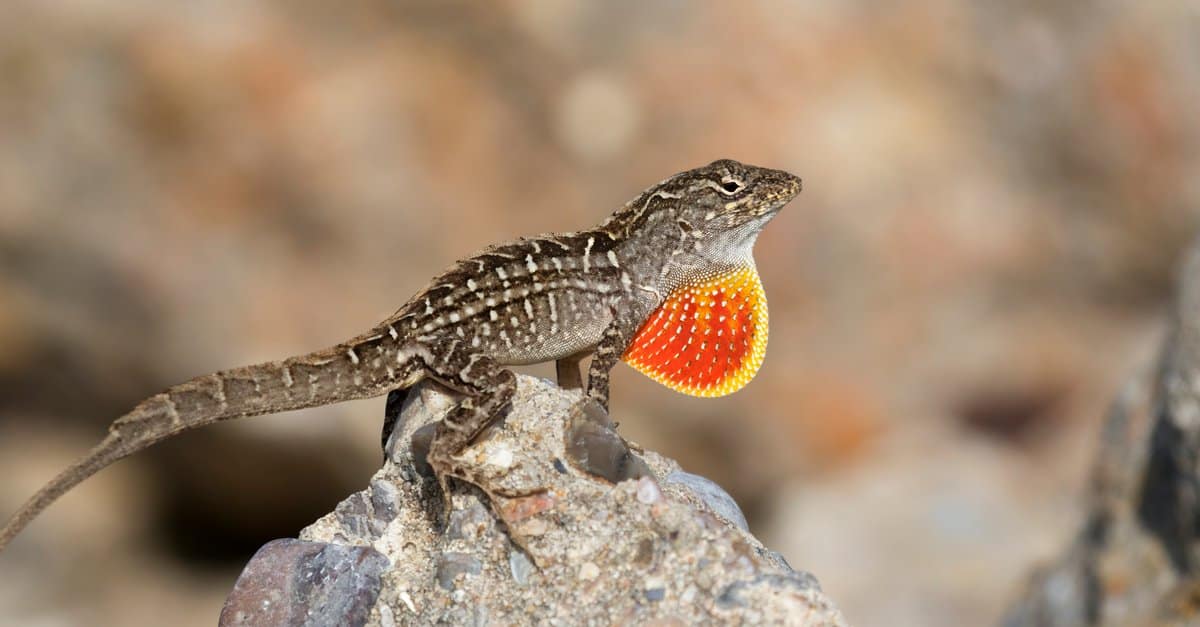
The Southeastern Five-Lined Skink (Plestiodon inexpectatus) is another small, agile lizard that can be found throughout Florida, particularly in sandy areas and pine forests. These skinks are easily recognizable by their distinctive stripes.
Key Characteristics:
- Size: Adults can reach up to 7 inches in length.
- Appearance: Juveniles are typically black with five prominent yellow or whitish stripes running down their body. They also sport a bright blue tail, a feature that often fades with age. Adult males may lose most of their stripes and develop a reddish or orangish head, especially during breeding season.
- Behavior: They are quick and shy, often darting into burrows or under leaf litter when disturbed. They are diurnal, meaning they are active during the day.
- Diet: Primarily insectivores, feeding on insects, spiders, and other small invertebrates.
These skinks are an essential part of the forest floor ecosystem, contributing to soil aeration through their burrowing activities and serving as prey for larger predators.
The Ground Skink
The Ground Skink (Scincella lateralis) is a much smaller species, often overlooked due to its diminutive size and secretive nature. They are commonly found in sandy woodlands and scrub habitats across Florida.
Identifying Features:
- Size: These are among the smallest lizards in Florida, typically measuring only 3 to 5 inches in total length, with a significant portion being their slender tail.
- Coloration: They are usually a uniform tan or brown color, sometimes with faint darker lines along their sides. They lack the bold striping of the five-lined skinks.
- Habitat: Their name perfectly describes their preferred environment – the ground. They are adept at moving through leaf litter, pine needles, and under logs.
- Behavior: Extremely shy, they are most often encountered by accident when their habitat is disturbed. Their small size and camouflage make them difficult to spot.
The presence of the Ground Skink highlights the microhabitats that exist within Florida’s larger ecosystems, where even the smallest creatures play a significant role.
Appreciating Florida’s Little Lizards as Part of the Tourism Experience
The presence of these small lizards, particularly the anoles, adds a unique charm to the Florida experience. For tourists visiting attractions like Walt Disney World Resort or exploring natural areas such as the Myakka River State Park, spotting one of these quick-moving reptiles can be a delightful and memorable encounter. They are a reminder of the rich and accessible wildlife that Florida offers beyond its famous theme parks and beaches.
Opportunities for Observation
Encounters with these small lizards are most common in areas with ample vegetation and sun exposure.
- Gardens and Parks: The manicured gardens of resorts and public parks in cities like Jacksonville and Palm Beach are excellent places to observe anoles. They often bask on sunlit walls, railings, or low-hanging branches.
- Nature Trails: While hiking along trails in state parks or wildlife refuges, keep an eye out for skinks scurrying across sandy paths or disappearing into the undergrowth.
- Resort Grounds: Many hotels and resorts in destinations such as Clearwater and Sarasota maintain lush landscaping that provides ideal habitats for these small reptiles, making casual observation a frequent occurrence for guests.
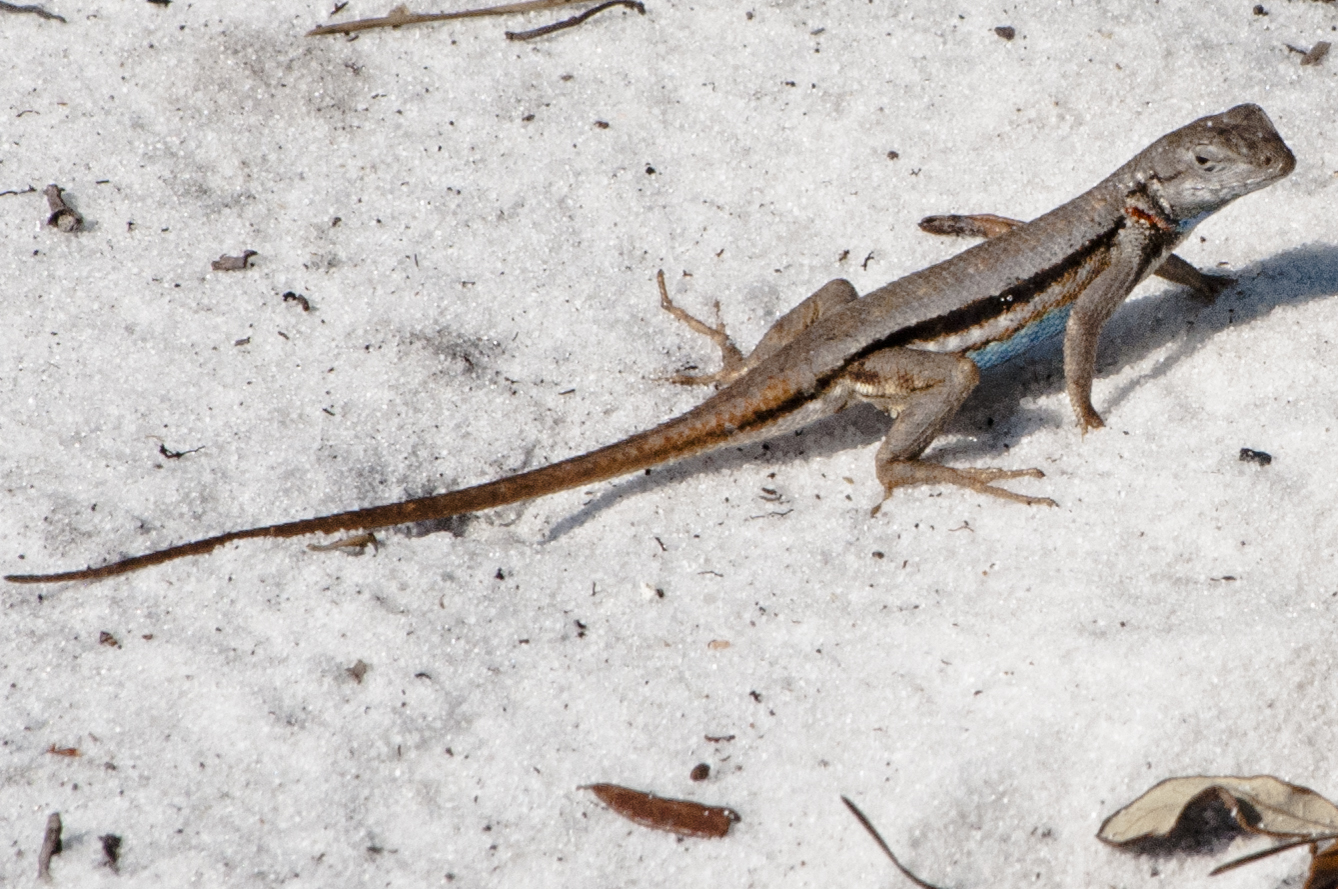
Tips for Spotting and Enjoying
Observing these creatures is a low-impact way to connect with Florida’s natural environment.
- Move Slowly and Quietly: Lizards are easily startled. Approach with patience and avoid sudden movements.
- Look for Basking Spots: Anoles are often found basking in the sun on warm surfaces. Look on rocks, walls, tree trunks, and fences.
- Observe from a Distance: It’s important to respect their space and avoid handling them. Their primary defense mechanism is their speed and camouflage.
- Learn About Their Behavior: Understanding their feeding habits, camouflage abilities, and territorial displays can enhance the observation experience.
The “little lizards” of Florida, predominantly the anoles, are more than just common backyard visitors; they are an integral part of the state’s natural heritage. Their presence enriches the landscape and offers a readily available, fascinating glimpse into the wild for anyone visiting or residing in the Sunshine State. From the vibrant green of a sunbathing anole to the quick flick of a skink’s tail, these small creatures contribute to the unique and diverse allure of Florida.
LifeOutOfTheBox is a participant in the Amazon Services LLC Associates Program, an affiliate advertising program designed to provide a means for sites to earn advertising fees by advertising and linking to Amazon.com. Amazon, the Amazon logo, AmazonSupply, and the AmazonSupply logo are trademarks of Amazon.com, Inc. or its affiliates. As an Amazon Associate we earn affiliate commissions from qualifying purchases.