
Navigating Subscription Management in the Digital Age
The ease with which we can subscribe to various services today is unparalleled. From streaming platforms to news outlets, a few clicks often initiate a recurring payment. However, the process of unsubscribing can sometimes feel like an intricate maze. This is particularly true for digital subscriptions to publications that have long-standing reputations, such as The New Yorker. While the title of this article might suggest a singular focus on one publication’s cancellation policy, it serves as a broader gateway to understanding the nuances of managing digital subscriptions in the modern era, touching upon aspects that resonate with frequent travelers and those who rely on accessible information for their journeys.

The ability to cancel a subscription is a fundamental right of any consumer. It speaks to the power of choice and the dynamic nature of personal preferences and needs. For those who travel extensively, their information consumption habits can shift dramatically. A printed magazine, once a staple for long flights or quiet evenings in a hotel room, might be replaced by digital content accessible on a tablet or smartphone. This shift in consumption patterns necessitates flexibility in subscription management. Understanding how to efficiently manage these recurring payments ensures that individuals are not inadvertently paying for services they no longer utilize, freeing up valuable resources that can be allocated to enriching travel experiences.
The Digital Shift and Subscription Fatigue
The proliferation of digital content has led to what many refer to as “subscription fatigue.” Users are often subscribed to numerous platforms, each offering unique content, from in-depth journalism to niche travel guides. The convenience of auto-renewals, while simplifying the initial sign-up process, can lead to a gradual accumulation of overlooked charges. For the discerning traveler, this can be a significant concern. Imagine planning a dream vacation to Kyoto, researching the best local eateries and historical sites, and then discovering that an unused subscription has quietly depleted funds that could have been used for a once-in-a-lifetime culinary experience in the ancient city.
The digital transformation of publications like The New Yorker means that their content is now accessible through various devices, often through a digital subscription model. This digital accessibility, while beneficial for on-the-go consumption, also means that the physical delivery of a magazine is no longer the sole consideration for subscription management. Users may have multiple active subscriptions to the same publication across different accounts or devices, further complicating the cancellation process. Identifying and terminating these redundant subscriptions is a crucial step in maintaining financial control and ensuring that one’s digital life aligns with their current needs and priorities, especially when those priorities involve exploring new destinations.
Deconstructing Subscription Models
Understanding the underlying subscription models is key to effective management. Publications often offer a tiered system: a digital-only subscription, a print-only subscription, or a bundled package that includes both. Each of these tiers can have distinct cancellation policies and procedures. For instance, a print subscription might require a phone call to a customer service representative during specific business hours, while a digital subscription might be manageable entirely through an online portal. This variation underscores the importance of knowing exactly which type of subscription you hold before attempting to cancel.
When considering a publication like The New Yorker, which has a rich history of journalistic excellence and cultural commentary, individuals may initially subscribe for its in-depth reporting on global affairs or its acclaimed fiction. However, as travel plans materialize, the focus might shift. A traveler planning a trip to Morocco might find themselves more interested in local travel blogs, phrasebooks, and guides to ancient medinas than in essays on political discourse. In such scenarios, the decision to cancel a subscription is not a reflection of dissatisfaction with the content itself, but rather a pragmatic adjustment to evolving informational needs. The ability to quickly and easily adjust these subscriptions is paramount for individuals who are frequently on the move.
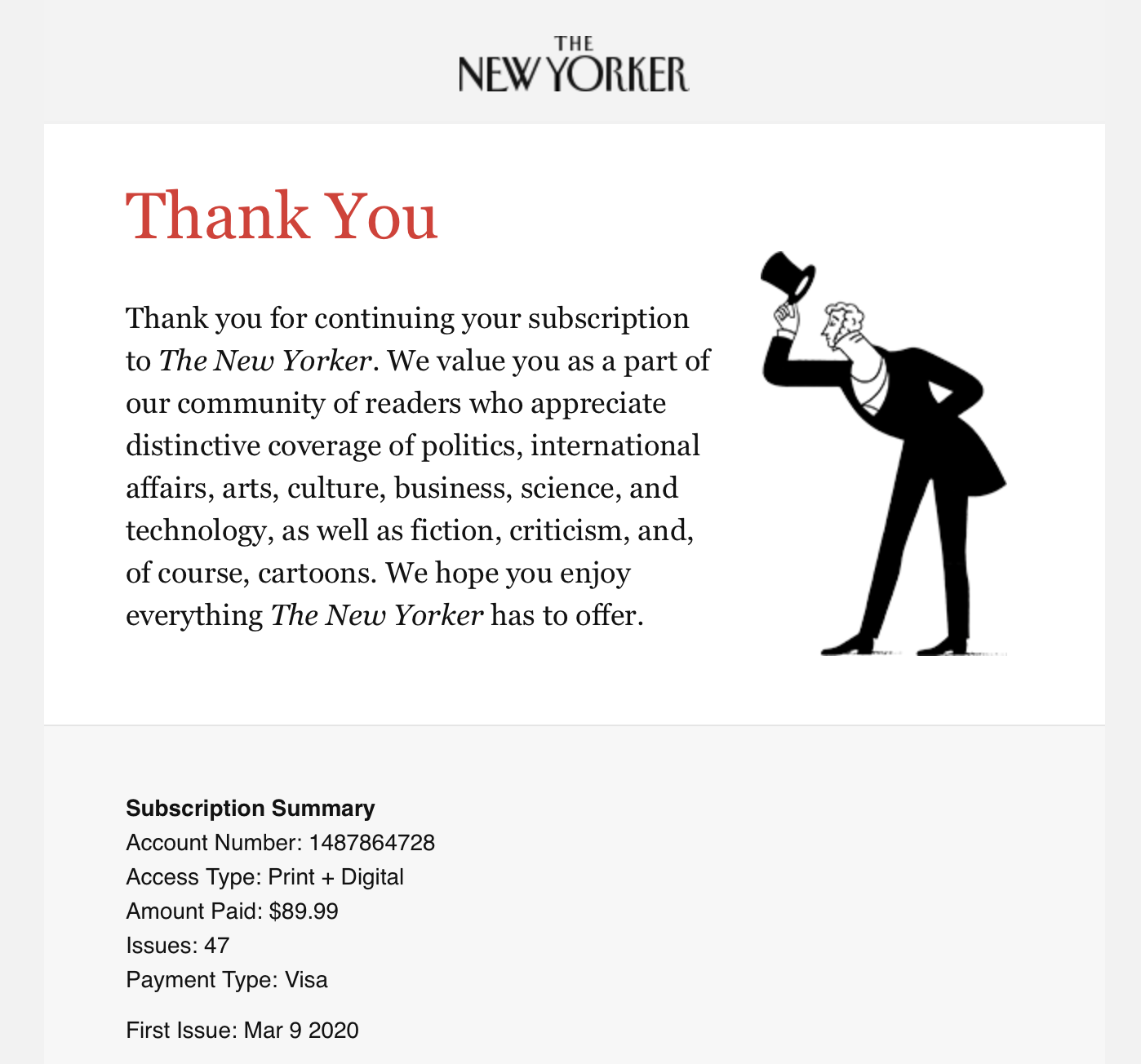
Practical Steps for Subscription Cancellation
The question “Can You Cancel New Yorker Subscription?” ultimately boils down to understanding the available channels and following the outlined procedures. Most digital publications, including The New Yorker, provide several avenues for cancellation:
Online Account Management
The most common and often the most straightforward method is through the user’s online account portal. After logging in with their registered credentials, users can typically navigate to a “Subscription,” “Account Settings,” or “Billing” section. Here, options to manage or cancel the subscription should be readily available. This digital self-service model is designed for convenience and efficiency, allowing users to make changes at any time, from anywhere in the world, whether they are enjoying a balinese villa or attending a conference in Berlin.
Customer Service Contact
If the online portal proves elusive or if there are specific billing inquiries, contacting customer service is the next logical step. This can usually be done via email, live chat, or by phone. It is advisable to have account details, such as account number or email address associated with the subscription, readily accessible. For travelers in different time zones, utilizing email or chat support can often circumvent the challenges of calling during specific operating hours, ensuring a smoother cancellation process regardless of location.
Third-Party Billing Platforms
In some instances, subscriptions might be managed through third-party platforms such as Apple App Store or Google Play Store, especially if the subscription was initiated through a mobile application. In these cases, the cancellation process must be performed through the respective platform’s subscription management interface. Familiarizing oneself with these platforms is essential for anyone who subscribes to a wide array of digital content, as it consolidates management for many of their services, including those related to travel planning and accommodation booking.

Factors Influencing Cancellation Policies
Several factors can influence the specific cancellation policy of a publication like The New Yorker. These include the type of subscription (print, digital, bundle), the region of the subscriber, and any ongoing promotional offers or contract terms. Understanding these nuances can save considerable time and frustration. For example, if a subscription was part of a special introductory offer that locked in a lower rate for a specified period, early cancellation might incur a pro-rated charge or forfeiture of the promotional benefits.
The digital landscape is constantly evolving, and so are the business models of publishing houses. The New Yorker, like many other esteemed publications, has had to adapt to these changes, offering flexible subscription options to cater to a diverse readership. This adaptability is a positive sign for consumers, indicating a commitment to customer satisfaction. When it comes to managing these subscriptions, especially for individuals who are frequently navigating different international destinations, the ability to seamlessly adjust one’s commitments is not just a matter of convenience, but an integral part of efficient personal finance and lifestyle management. The peace of mind that comes from knowing you are only paying for services you actively use is invaluable, particularly when those funds are earmarked for exploring the wonders of places like the Machu Picchu citadel or the vibrant streets of Barcelona. The straightforward answer to whether one can cancel a New Yorker subscription is a resounding yes, provided one navigates the process with clarity and utilizes the available channels effectively.
LifeOutOfTheBox is a participant in the Amazon Services LLC Associates Program, an affiliate advertising program designed to provide a means for sites to earn advertising fees by advertising and linking to Amazon.com. Amazon, the Amazon logo, AmazonSupply, and the AmazonSupply logo are trademarks of Amazon.com, Inc. or its affiliates. As an Amazon Associate we earn affiliate commissions from qualifying purchases.