
Understanding the evolving legal landscape is crucial for any property owner, especially in a dynamic market like Florida. Recent legislative changes and court decisions have introduced new regulations and clarifications that directly impact landlords. These adjustments aim to balance the rights and responsibilities of both property owners and tenants, ensuring a fairer and more transparent rental experience across the Sunshine State.
Key Legislative Updates Affecting Landlords
Florida lawmakers have been active in addressing issues pertinent to the rental housing market. Several pieces of legislation have been enacted or amended, bringing about significant shifts in how landlords must operate. These updates often stem from efforts to clarify existing statutes, respond to tenant advocacy, or adapt to economic conditions impacting housing. Familiarizing oneself with these changes is not merely a matter of good practice; it is essential for legal compliance and avoiding potential disputes or penalties.
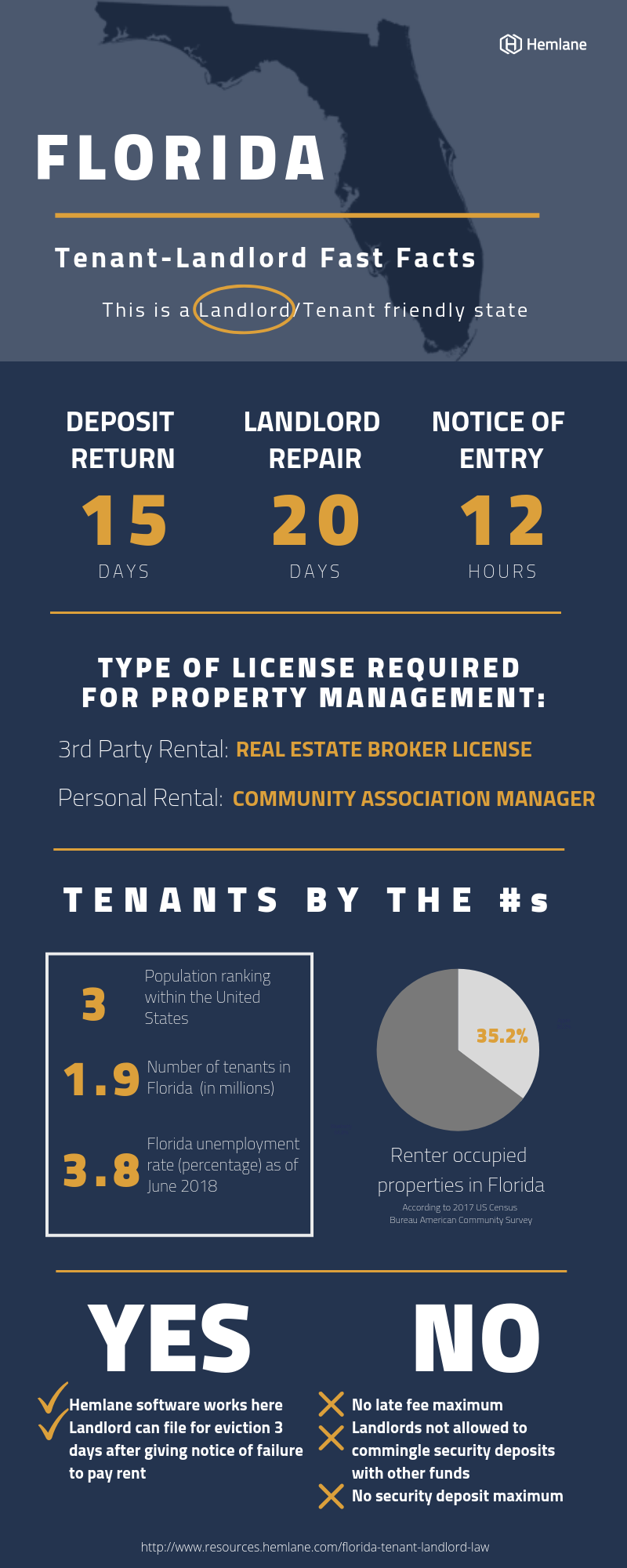
Eviction Process Modifications
The eviction process in Florida is a strictly governed procedure. Recent legislative efforts have focused on streamlining certain aspects while also reinforcing tenant protections. For landlords, this means a renewed emphasis on adhering meticulously to procedural requirements.
Notice Requirements and Service
Florida Statutes Chapter 83 outlines the specific notice periods required before a landlord can initiate eviction proceedings. Amendments or interpretations of these statutes can alter the acceptable methods of serving notices, the content of those notices, and the grace periods tenants are afforded. For instance, changes might impact the notice to quit for non-payment of rent, requiring landlords to ensure all details are accurate and that the notice is served in a legally recognized manner. Failure to comply with precise notice requirements can lead to dismissal of an eviction case, forcing landlords to restart the entire process.
Court Filings and Procedures
Beyond initial notices, the court procedures for eviction in Florida have also seen scrutiny. This can include changes to how complaints are filed, how summons are served, and the timelines for tenant responses. Landlords must stay updated on any shifts in the judicial circuit’s local rules or statewide civil procedure that might affect the pace and execution of an eviction lawsuit. This often necessitates closer collaboration with legal counsel to navigate these complexities accurately.
Security Deposit Handling
The management of security deposits is a frequent source of tenant-landlord conflict. Florida law provides clear guidelines on how these funds must be held and returned. Recent updates may have introduced further stipulations regarding the timelines for returning deposits, the itemization of deductions, or the conditions under which a landlord can withhold funds.
Permissible Deductions and Documentation
Landlords are generally permitted to deduct from a security deposit for unpaid rent, damage beyond normal wear and tear, or other breaches of the lease agreement. However, the definition of “normal wear and tear” can be subjective, and recent legal interpretations may have refined this. Crucially, landlords are typically required to provide an itemized list of damages and their associated costs to justify any deductions. This documentation must be thorough and contemporaneous with the move-out inspection to be defensible.
Holding Periods and Interest
Florida law dictates how long landlords have to return a security deposit after a tenant vacates. This period is usually a set number of days. Any changes to this timeframe, or to the requirements for acknowledging receipt of the tenant’s forwarding address, could have significant implications. Furthermore, in some jurisdictions, landlords may be required to pay interest on security deposits held for extended periods, and updates could clarify how and when this interest accrues and is paid.
Tenant Protection Enhancements
In parallel with landlord responsibilities, Florida has also seen efforts to enhance tenant protections. These measures are designed to ensure a safer, more equitable living environment for renters.
Rent Increase Notifications
The frequency and manner of rent increases are often subject to regulation. Recent legislative actions may have introduced new requirements for the amount of notice landlords must provide before implementing a rent increase. This is particularly relevant in situations where leases are month-to-month or when renewing longer-term leases.
Notice Periods for Rent Hikes
Florida Statute 83.46 (for residential tenancies) typically specifies notice periods for rent increases. Changes could mandate longer notification periods, provide specific percentage caps on increases within a certain timeframe, or introduce more stringent requirements for how these notices must be delivered. Understanding these new notification mandates is vital to avoid accusations of improper rent hikes and potential legal challenges.
Lease Renewal and Rent Adjustments
When a lease term ends and a tenant remains in possession, or when a fixed-term lease is renewed, the rules surrounding rent adjustments can become complex. Landlords must be aware of any regulations that dictate how rent can be adjusted upon lease renewal, especially if the initial lease did not explicitly outline provisions for such adjustments. This might involve statutory limitations or requirements for prior notification that differ from standard rent increase notices.
Property Condition and Habitability Standards
Maintaining a habitable living space is a fundamental obligation of landlords. Recent legislative or judicial developments might have clarified or expanded the definition of “habitability” in Florida. This can encompass stricter standards for essential services like plumbing, electricity, pest control, and structural integrity.

Maintenance and Repair Responsibilities
While landlords have always been responsible for maintaining properties in a livable condition, new rules could impose more specific timelines for addressing repair requests or expand the scope of what constitutes a necessary repair. This may include updated requirements for responding to tenant-submitted maintenance requests and the consequences for failing to act promptly. Proactive maintenance and thorough documentation of all repair efforts are thus more critical than ever.
Lead-Based Paint Disclosure and Remediation
For older properties, regulations concerning lead-based paint remain a significant concern. While not entirely new, ongoing enforcement and potential minor amendments to disclosure requirements for landlords renting properties built before 1978 are always important to monitor. Ensuring accurate disclosures and appropriate remediation plans, if necessary, is a critical aspect of habitability and tenant safety in Florida.
Short-Term Rental Regulations
The booming popularity of vacation rentals in Florida has led to increased regulatory attention from both state and local governments. While many regulations originate at the county or municipal level, state preemption laws and evolving legal interpretations can significantly influence how landlords operating short-term rentals must comply.
Local Ordinances and State Preemption
Florida has historically seen tension between local governments seeking to regulate short-term rentals and state lawmakers aiming to preemptively regulate specific aspects. Landlords must navigate a complex web of potential local ordinances regarding licensing, zoning, duration of stays, and taxation, while also being aware of any statewide laws that might limit or supersede these local rules. Cities like Miami Beach and Orlando are often at the forefront of implementing stricter short-term rental rules, requiring thorough research into the specific municipality where the property is located.
Licensing and Permitting
Many Florida cities and counties now require landlords to obtain specific licenses or permits to operate short-term rentals legally. These often involve application fees, inspections, and adherence to various safety and zoning requirements. Failure to secure the proper licenses can result in substantial fines and the inability to legally rent out the property.
Taxation of Short-Term Rentals
Collecting and remitting applicable taxes, including state sales tax, local option tourist taxes, and potentially other local assessments, is a critical obligation for short-term rental operators in Florida. Recent legislative changes may have clarified tax collection responsibilities, introduced new tax categories, or altered reporting requirements. Ensuring accurate tax compliance is paramount to avoid penalties from the Florida Department of Revenue and local tax authorities.
Compliance and Best Practices for Landlords
Navigating these evolving rules requires a proactive and informed approach. Landlords who prioritize compliance and adopt best practices are better positioned to manage their properties effectively and minimize legal risks.
Lease Agreements and Addenda
A well-drafted lease agreement is the cornerstone of any landlord-tenant relationship. With changing regulations, it is imperative that leases are regularly reviewed and updated to reflect current Florida laws. This includes incorporating clauses that address new notice periods, deposit handling procedures, and maintenance responsibilities.
Customization for Current Laws
Standard lease templates may not always be sufficient. Landlords should consider working with an attorney specializing in Florida real estate law to draft or revise their lease agreements and any associated addenda. This ensures that the lease is legally sound and protects the landlord’s interests while remaining compliant with all applicable statutes and local ordinances.
Tenant Communication Protocols
Clear and consistent communication with tenants is vital. Establishing formal protocols for receiving and responding to tenant requests, whether for repairs, lease clarifications, or other matters, can prevent misunderstandings and provide a documented record of interactions. This can be particularly helpful in disputes arising from alleged breaches of the lease or statutory obligations.
Record Keeping and Documentation
Meticulous record-keeping is indispensable for landlords in Florida. This includes maintaining copies of all leases, addenda, payment records, correspondence with tenants, inspection reports, and documentation of repairs and maintenance.
Eviction Proceedings Evidence
In the event of an eviction, comprehensive documentation serves as critical evidence. This includes proof of rent payments, copies of all notices served, records of communication regarding lease violations, and detailed evidence of property condition. Without proper records, it can be challenging to prove compliance with legal procedures or to support claims of damages or unpaid rent.

Security Deposit Reconciliation
Detailed records of security deposit transactions, including move-in and move-out inspection reports with photographic or video evidence, are essential for justifying any deductions. This documentation helps demonstrate that deductions are reasonable and directly related to damages beyond normal wear and tear.
By staying informed about these new rules and consistently implementing best practices, landlords in Florida can foster more stable and compliant rental operations, fostering positive relationships with tenants and ensuring the long-term success of their property investments.
LifeOutOfTheBox is a participant in the Amazon Services LLC Associates Program, an affiliate advertising program designed to provide a means for sites to earn advertising fees by advertising and linking to Amazon.com. Amazon, the Amazon logo, AmazonSupply, and the AmazonSupply logo are trademarks of Amazon.com, Inc. or its affiliates. As an Amazon Associate we earn affiliate commissions from qualifying purchases.