
Understanding the demographic tapestry of California is crucial for appreciating its rich cultural landscape and history. A key element of this demographic understanding involves acknowledging the presence and contributions of its Indigenous peoples. While precise, real-time figures can fluctuate, historical data and contemporary estimates offer a comprehensive picture. This exploration delves into the percentage of the California population that identifies as Native American, examining the historical context, contemporary realities, and the implications for understanding the state’s heritage.
Historical Indigenous Presence in California
Before the arrival of European colonizers, California was home to a vibrant and diverse array of Indigenous nations. These distinct groups, each with their own languages, cultures, and traditions, thrived across the vast and varied landscapes of the region. From the coastal areas to the mountain ranges and desert interiors, Indigenous peoples had developed sophisticated societies that were deeply connected to their environment.
Estimates suggest that prior to European contact in the late 18th century, the Indigenous population of what is now California numbered in the hundreds of thousands, possibly exceeding 300,000 individuals. These populations were organized into numerous distinct tribal groups, such as the Chumash, Tongva, Yurok, Hupa, and many others, each with unique social structures and land management practices. The ecological richness of California supported a wide range of lifestyles, from fishing and hunting along the coast and rivers to gathering and agriculture in more fertile inland areas.
The Spanish mission system, which began in 1769 with the founding of Mission San Diego de Alcalá, profoundly impacted the Indigenous populations. Forced labor, disease, and cultural suppression led to a drastic decline in Native American numbers. Following Mexican independence and the subsequent California Gold Rush, the situation for Indigenous peoples worsened dramatically. Waves of settlers, often with government backing and a policy of extermination or removal, further decimated communities. Land dispossession, violence, and the imposition of foreign ways of life led to a catastrophic population collapse. By the late 19th century, the Indigenous population had been reduced to a fraction of its pre-contact size, with many communities scattered, displaced, or living under extreme duress.
Contemporary Native American Population in California
In the present day, the landscape of Native American identity in California is characterized by resilience and a resurgence of cultural practices, alongside demographic realities that reflect the historical trauma. Understanding the percentage of the population that identifies as Native American requires looking at census data and acknowledging the complexities of self-identification.
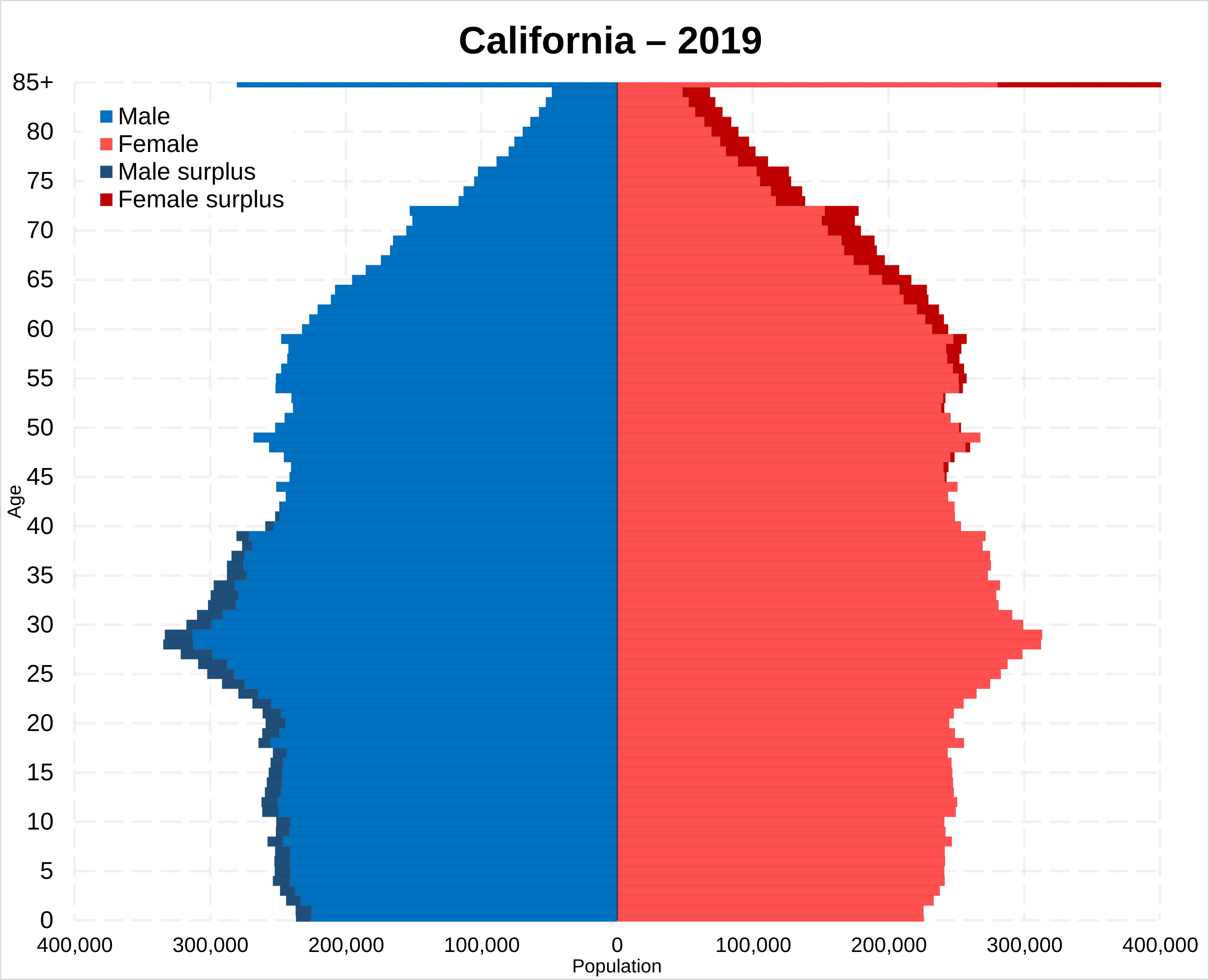
According to the most recent available U.S. Census Bureau data, Native Americans and Alaska Natives constitute a small but significant portion of the overall California population. As of recent estimates, individuals identifying as American Indian or Alaska Native alone, or in combination with one or more other races, represent approximately 1.6% to 2.0% of the total population. This translates to several hundred thousand individuals.
It is crucial to note that these figures represent those who self-identify as Native American. This can include individuals who are enrolled members of federally recognized tribes, descendants of unrecognized tribes, or those who have a strong cultural and ancestral connection to Indigenous heritage, even if they are not formally enrolled. The concept of “Native American” is multifaceted, encompassing a wide spectrum of experiences and affiliations.
Factors Influencing Population Figures
Several factors contribute to the reported percentages and the nuances of Native American population counts:
- Self-Identification: Census data relies on individuals choosing to identify their race and ethnicity. Historical oppression and the legacy of forced assimilation may lead some individuals to not identify as Native American, even if they have Indigenous ancestry.
- Tribal Enrollment: While many Native Americans are enrolled in federally recognized tribes, tribal enrollment criteria can vary. Some individuals with clear ancestral ties may not meet the specific requirements for enrollment in any particular tribe.
- Interracial Identity: A significant portion of Native Americans in California, as in other parts of the United States, identify with more than one race. This contributes to the “Native American alone or in combination” statistic, which is often higher than the “Native American alone” count.
- Urban vs. Reservation Populations: California has a substantial urban Native American population. Many Indigenous people do not live on reservations, which can make their presence less visible in traditional tribal territories but significant within metropolitan areas like Los Angeles, San Francisco, and San Diego.
- Data Collection Methodologies: Census methodologies, including how race and ethnicity are queried and categorized, can influence the final numbers.
The Significance of Indigenous Heritage in California

Despite representing a small percentage of the overall population, the presence and heritage of Native Americans are foundational to California. Their impact is evident in numerous aspects of the state’s identity, culture, and landscape.
Cultural Contributions and Preservation
Native American cultures have profoundly shaped California. Traditional ecological knowledge, developed over millennia, informed sustainable land management practices that are increasingly recognized as vital for conservation efforts today. Indigenous art forms, including basketry, beadwork, storytelling, and music, continue to be practiced and celebrated, enriching the state’s cultural fabric. Many museums and cultural centers across California, such as the Autry Museum of the American West in Los Angeles or the Oakland Museum of California, feature extensive collections and exhibits dedicated to Native American history and art.
The resilience of Indigenous languages is another testament to cultural preservation. While many languages were suppressed or became endangered due to historical policies, ongoing revitalization efforts are underway. Tribal communities are actively working to teach and preserve their ancestral languages for future generations, often through immersion programs and educational initiatives.
Economic and Political Influence
Federally recognized tribes in California are sovereign nations with significant economic and political influence. Tribal enterprises, most notably gaming operations, generate substantial revenue that supports tribal governments, provides employment, and funds essential services for tribal members. These enterprises also contribute to the broader California economy through job creation and economic activity.
Tribal governments engage in complex relationships with state and federal authorities, advocating for their rights, resources, and self-governance. This political engagement ensures that the concerns and perspectives of Indigenous peoples are represented in policy decisions affecting land, water, cultural resources, and social well-being.
Tourism and Cultural Experiences
For visitors to California, understanding and engaging with Native American culture offers a unique and enriching dimension to their travel experience. Many regions offer opportunities to learn about Indigenous history and contemporary life.
- Tribal Cultural Centers and Museums: Several tribes operate their own cultural centers and museums, providing authentic insights into their heritage. These venues often host educational programs, art exhibitions, and cultural demonstrations. For instance, the Pala Indian Museum in San Diego County offers a glimpse into the history and culture of the Pala Band of Mission Indians.
- Cultural Festivals and Events: Throughout the year, numerous Native American festivals and powwows take place across California. These events are vibrant celebrations of dance, music, art, and traditional foods, offering visitors a chance to witness and learn about living Indigenous traditions. Always check local listings for event dates and locations, as many are specific to certain tribal communities.
- Guided Tours and Cultural Walks: In certain areas, guided tours led by Indigenous people may be available, offering perspectives on historical sites, traditional plant uses, and contemporary Indigenous life in urban or rural settings. These experiences often highlight the deep connection between Indigenous peoples and the natural environment of California.
- Art and Craft Markets: Purchasing authentic Native American art and crafts directly from artists or reputable markets supports Indigenous artisans and provides visitors with meaningful souvenirs that carry cultural significance. Look for opportunities at cultural centers, festivals, or designated artisan marketplaces.
Engaging with Native American culture responsibly means approaching these experiences with respect, a willingness to learn, and an understanding of the historical context. It is an opportunity to move beyond surface-level tourism and connect with the enduring spirit and profound heritage of the original stewards of California.
Understanding the Numbers: A Broader Perspective
While the percentage of Native Americans in California may be statistically small, their historical presence, cultural contributions, and contemporary influence are immense. The figures from census data offer a demographic snapshot, but they do not fully capture the depth of Indigenous heritage that is woven into the fabric of the state.
When visiting California, whether to explore its natural wonders like Yosemite National Park or its vibrant cities, recognizing the Indigenous history and ongoing presence enriches the travel experience. It encourages a more profound understanding of the land, its peoples, and the complex narratives that have shaped this diverse state. The journey to understand California is incomplete without acknowledging and honoring its first peoples.
LifeOutOfTheBox is a participant in the Amazon Services LLC Associates Program, an affiliate advertising program designed to provide a means for sites to earn advertising fees by advertising and linking to Amazon.com. Amazon, the Amazon logo, AmazonSupply, and the AmazonSupply logo are trademarks of Amazon.com, Inc. or its affiliates. As an Amazon Associate we earn affiliate commissions from qualifying purchases.