
Florida, a state synonymous with sun-drenched beaches, vibrant theme parks, and lush natural beauty, also harbors a less glamorous resident: the sugar ant. These ubiquitous pests, scientifically known as Camponotus floridanus, are a common nuisance for homeowners and travelers alike. While their presence might be an annoyance, understanding how to manage them effectively is key to enjoying the Sunshine State without unwanted crawling companions. This guide focuses on identifying the most effective bait traps for sugar ants specifically within the unique environmental context of Florida, a topic that might arise for those staying in vacation rentals, experiencing pest issues in resorts, or simply maintaining their homes in this tropical climate.

Understanding Florida’s Sugar Ant Challenges
The prevalence of sugar ants in Florida is directly linked to its warm, humid climate, which provides ideal breeding grounds and abundant food sources. These ants are particularly attracted to sweets, hence their common name. However, they are also opportunistic foragers and will readily consume proteins and grease, making them attracted to a wide range of household items. Their nests are often found in soil, under rocks, within decaying wood, or even in the insulation of homes, making them challenging to locate and eradicate entirely.
Environmental Factors Influencing Ant Activity
The consistent warmth and high humidity of Florida contribute to year-round ant activity. Unlike regions with distinct cold seasons, ants in Florida do not go through a significant hibernation period. This means that pest control measures, including baiting strategies, need to be employed consistently. Furthermore, the lush vegetation surrounding many homes and accommodations, from the sprawling grounds of a resort to the dense foliage near a beach house, offers numerous alternative food and nesting sites, which can make complete eradication a complex task. The tendency of these ants to travel in distinct trails also influences how bait traps should be strategically placed for maximum efficacy.
Sugar Ant Biology and Behavior
Sugar ants are social insects with a distinct colony structure, typically comprising a queen, workers, and males. The worker ants are responsible for foraging, nest maintenance, and caring for the young. Their foraging behavior is key to successful baiting. When worker ants encounter a palatable bait, they consume it and, more importantly, carry it back to the colony to share with other ants, including the queen. This “domino effect” is the principle behind most effective ant baiting strategies. Understanding that they prefer sweet substances, but also consume other food types, allows for a more targeted approach to bait selection.
Evaluating Bait Trap Effectiveness in Florida
When selecting a bait trap for sugar ants in Florida, several factors come into play, including the active ingredient, the bait formulation, and the delivery system. The goal is to provide a food source that ants will readily consume and transport back to their colony, ultimately leading to the elimination of the entire population.
Gel Baits: A Popular and Effective Choice
Gel baits are often considered among the most effective options for sugar ant control in Florida. These baits consist of a viscous gel formulation that contains a slow-acting insecticide mixed with an attractant, usually a sweet substance. The slow-acting nature of the insecticide is crucial. It allows the foraging ants enough time to consume the bait and return to the nest, sharing it with other colony members before succumbing to the poison. This “delayed kill” ensures that a significant portion of the colony, including the queen, is exposed.
The advantages of gel baits include their ease of application, their ability to remain palatable for extended periods, and their suitability for use in both indoor and outdoor environments. For homeowners or visitors in vacation rentals, gel baits can be discreetly placed in areas where ants are frequently seen, such as along kitchen countertops, near sinks, or in pantries. When applied in small dots or lines, they mimic natural food sources. It is essential to place these baits along ant trails to maximize the chances of them being discovered.
Granular Baits: Broad Application and Outdoor Use
Granular baits offer another effective method for sugar ant control, particularly for larger infestations or when targeting outdoor ant populations. These baits consist of small granules impregnated with an insecticide and an attractant. They are typically spread in areas where ants are active, such as around the perimeter of a house, near ant mounds, or in gardens.
The advantage of granular baits lies in their broad application and their ability to be used in areas where gel baits might not be practical or desirable. For instance, if sugar ant colonies are suspected to be nesting in flower beds or under patio decks, granular baits can be scattered across these areas. The ants, while foraging, will pick up the granules and transport them back to their nests. Some granular baits are designed to be mixed with water and applied as a drench, further increasing their reach and effectiveness in specific situations. However, it’s important to consider the potential impact on non-target organisms when using granular baits outdoors.
Liquid Bait Stations: Controlled Delivery and Safety
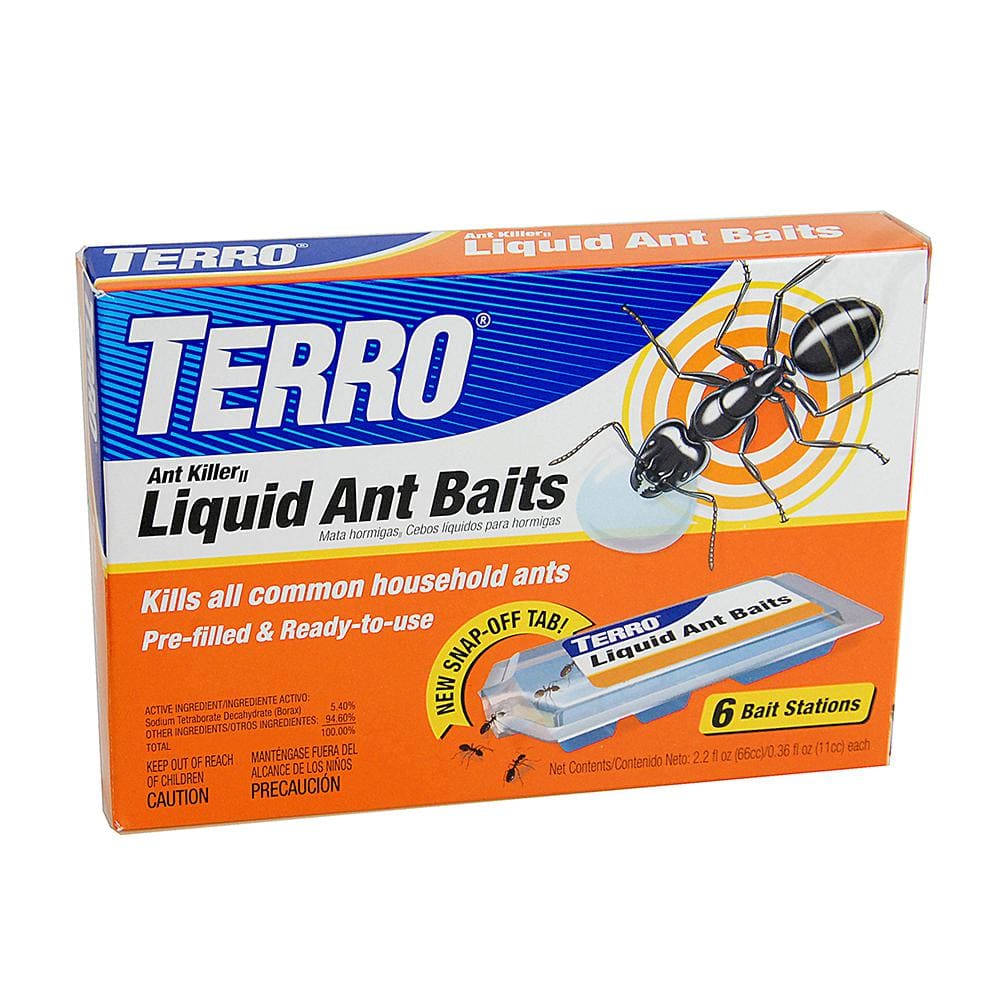
Liquid bait stations combine the attractant properties of liquid baits with a contained delivery system. These stations typically consist of a small plastic container filled with a liquid bait solution. The container has small openings that allow ants to enter and access the bait.
Liquid bait stations are an excellent option for their controlled delivery and enhanced safety. The contained nature of the bait reduces the risk of accidental exposure to children or pets, which is a significant consideration for families traveling to or residing in Florida. The liquid formulation is highly attractive to sugar ants, and the slow-acting insecticide ensures colony elimination. Placing these stations near ant trails or entry points into a home or hotel room can be highly effective. Some stations are designed to be placed vertically, allowing ants to access the bait from multiple angles, further increasing their appeal.
Strategic Placement and Considerations for Florida Residents and Visitors

The success of any ant bait trap in Florida hinges not only on the product itself but also on its strategic placement and an understanding of the local environment.
Identifying Ant Trails and Entry Points
The first step in effective baiting is to observe ant behavior. Sugar ants often follow established trails, especially when foraging for food. Locating these trails is paramount for placing baits where they will be most readily discovered. Look for lines of ants moving between a food source and their nest. Common areas for these trails include kitchen counters, floors, walls, and near windows and doors.
Entry points into a home or accommodation are also critical. Ants can enter through tiny cracks and crevices, gaps around pipes, or even through small openings in window and door seals. Placing bait traps directly in the path of these entry points ensures that foraging ants will encounter them as they attempt to infiltrate the living space. For those staying in vacation properties, especially those closer to natural environments like the Everglades, recognizing these ant highways becomes even more important.
Combining Baits with Other Control Methods
While bait traps are highly effective, they are often most successful when used as part of an integrated pest management strategy. For sugar ants in Florida, this can include:
- Sanitation: Maintaining a clean environment is fundamental. Promptly cleaning up spills, crumbs, and food debris, and storing food in airtight containers, significantly reduces the available food sources that attract ants in the first place. This is especially important in kitchens within resorts or rental properties.
- Exclusion: Sealing cracks and crevices around the exterior and interior of a building can prevent ants from entering. This might involve caulking gaps around windows, doors, and utility penetrations.
- Natural Deterrents: While less potent than chemical baits, certain natural deterrents can help repel ants from specific areas. These might include vinegar, lemon juice, or certain essential oils, though their effectiveness can be limited against a persistent infestation.
Choosing the Right Bait for the Situation
The best bait trap for sugar ants in Florida will depend on the specific circumstances.
- For quick and discreet indoor control: Gel baits or liquid bait stations are often the preferred choice. Their ease of application and contained nature make them ideal for use within homes, apartments, or hotel rooms.
- For larger outdoor infestations or areas with significant vegetation: Granular baits can be more practical for covering larger areas and targeting ant colonies nesting outdoors.
When selecting a product, always read and follow the label instructions carefully. Pay attention to the active ingredient and its concentration, as well as any specific recommendations for use in a Florida climate. Some insecticides may perform differently under high humidity or intense sunlight.
Long-Term Strategies and Prevention in the Sunshine State
Preventing sugar ant infestations in Florida is an ongoing process, especially given the persistent environmental conditions that favor ant populations. For residents and frequent visitors, adopting a proactive approach can save considerable effort and discomfort.
Regular Monitoring and Maintenance
Even after an initial infestation is controlled, regular monitoring for signs of ant activity is crucial. This means periodically inspecting common ant traffic areas, such as kitchens, bathrooms, and outdoor living spaces. If bait traps are used, they should be replenished as needed to ensure a continuous food source is available for foraging ants. Many bait stations are designed for long-term use, requiring only periodic refilling of the bait solution or replacement of bait cartridges.
Considering Professional Pest Control Services
For severe or persistent sugar ant problems in Florida, engaging professional pest control services may be the most effective long-term solution. Professional exterminators have access to a wider range of treatment options, including more potent insecticides and specialized application techniques. They can also identify the specific species of ant and its nesting habits, allowing for a more targeted and comprehensive eradication plan. This is particularly relevant for homeowners or property managers responsible for larger estates or commercial properties, such as a well-known resort in the Orlando area.
Educating Yourself and Fellow Travelers
For those visiting Florida and staying in various accommodations, a little knowledge can go a long way. Understanding that sugar ants are a common challenge and knowing the basic principles of baiting can help visitors manage minor issues they might encounter in their temporary dwelling. This knowledge can also be shared with fellow travelers, contributing to a more enjoyable and pest-free experience for everyone. While the focus here is on bait traps, understanding the local ant behavior can also inform choices about where to stay, for example, opting for newer construction or properties with robust pest management programs.
Ultimately, controlling sugar ants in Florida requires a combination of selecting the right bait trap, strategic placement, diligent sanitation, and a consistent approach to monitoring and prevention. By understanding the unique challenges posed by the local climate and ant behavior, both residents and visitors can better protect their homes and enjoy all that the beautiful Sunshine State has to offer, free from the intrusion of these tiny, persistent pests.
LifeOutOfTheBox is a participant in the Amazon Services LLC Associates Program, an affiliate advertising program designed to provide a means for sites to earn advertising fees by advertising and linking to Amazon.com. Amazon, the Amazon logo, AmazonSupply, and the AmazonSupply logo are trademarks of Amazon.com, Inc. or its affiliates. As an Amazon Associate we earn affiliate commissions from qualifying purchases.