
Madison Square Garden, often affectionately referred to as “The World’s Most Famous Arena,” is an iconic landmark and a pulsating hub of entertainment and sports in the heart of New York City. Its precise location is a crucial piece of information for anyone planning a visit, whether for a world-class concert, a thrilling New York Rangers hockey game, a nail-biting New York Knicks basketball match, or any of the myriad of other spectacular events it hosts. Understanding its geographic placement within the city is not just about navigation; it’s about appreciating its integration into the urban fabric and its accessibility for millions of visitors and locals alike.
The Heart of Midtown Manhattan
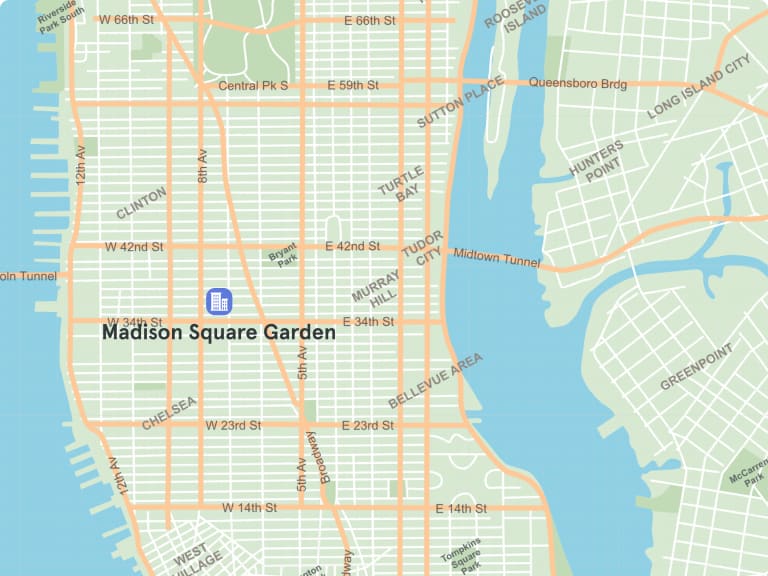
The undeniable truth is that Madison Square Garden stands as a colossal presence within the vibrant landscape of Midtown Manhattan. Its address, 4 Pennsylvania Plaza, New York, NY 10001, places it squarely in a bustling commercial and transportation nexus. This prime location is a significant factor in its enduring popularity and its role as a central gathering point for diverse crowds. Being situated in Midtown means it’s easily accessible from many parts of the city and is surrounded by a wealth of other attractions, hotels, and dining establishments, further enhancing its appeal as a destination in itself.
A Jewel in the Penn Station Complex
More specifically, Madison Square Garden is located directly atop Penn Station, one of the busiest transportation hubs in North America. This unique integration is a defining characteristic of the arena. Passengers arriving by Amtrak, Long Island Rail Road (LIRR), or New Jersey Transit can literally walk out of the station and find themselves at the doorstep of the arena. This unparalleled accessibility makes attending an event at Madison Square Garden incredibly convenient for those traveling from afar or from within the tri-state area, eliminating the need for extensive transfers or complicated routes. The sheer volume of daily commuters and travelers passing through Penn Station also imbues the area around the Garden with a constant buzz of activity, contributing to its energetic atmosphere.
Navigating the Immediate Vicinity
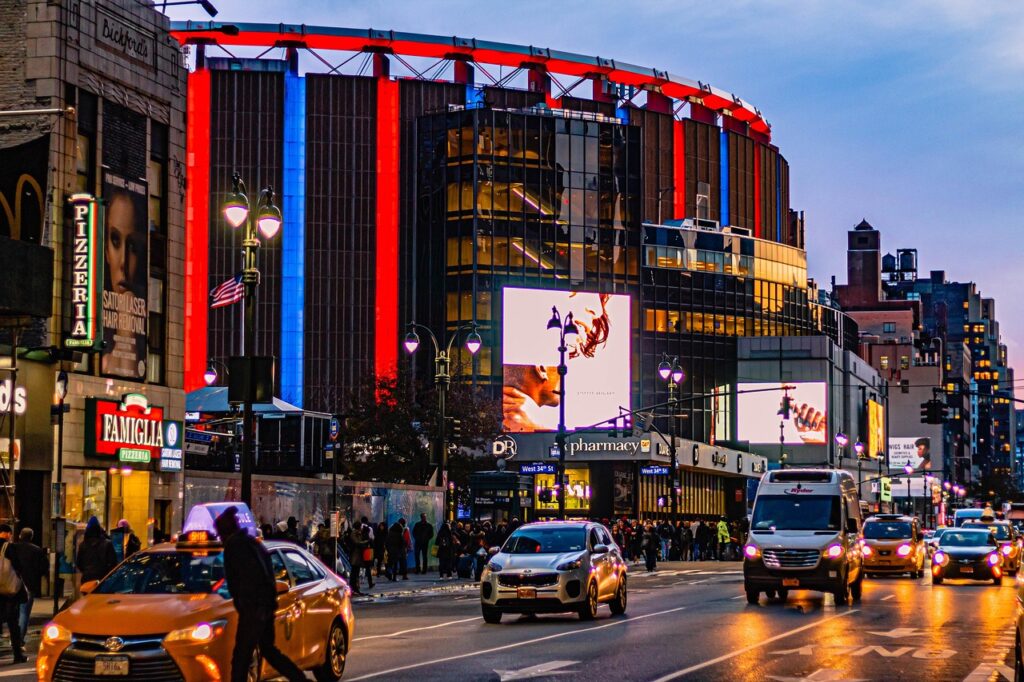
The immediate vicinity of Madison Square Garden is bordered by several key streets. To the north, it is bound by West 33rd Street, to the south by West 31st Street, to the east by 7th Avenue, and to the west by 8th Avenue. This rectangular footprint means that while the arena itself is massive, its surrounding streets are well-defined, aiding in navigation for those unfamiliar with the area. For visitors arriving by car, it is important to note that street parking in Midtown Manhattan is notoriously challenging and often expensive. Therefore, utilizing public transportation or ride-sharing services is generally recommended. Numerous parking garages are available in the vicinity, but booking in advance is often advisable.
Accessibility and Transportation Advantages
The strategic placement of Madison Square Garden is perhaps its most significant advantage. Its seamless connection to Penn Station means that a vast network of public transportation options converges right at its base. This accessibility is not only a convenience for attendees but also a crucial element in its operational efficiency, allowing for the smooth movement of large crowds before and after events.
The Subway System: A Direct Link
The New York City Subway system offers direct access to Madison Square Garden via Penn Station. Several subway lines stop at the station, providing convenient transit from all five boroughs of New York City and even connecting to some parts of New Jersey through PATH trains.
- 1, 2, 3 Lines: These lines stop at the 34th Street–Penn Station, offering direct access.
- A, C, E Lines: These lines also serve the 34th Street–Penn Station, providing further connectivity.
- B, D, F, M Lines: These lines stop at Herald Square, which is just a short walk (approximately 5-10 minutes) east of Madison Square Garden, across 6th Avenue.
This extensive subway network ensures that whether you are coming from Uptown, Downtown, Brooklyn, Queens, or The Bronx, reaching Madison Square Garden is a straightforward affair. The frequency of subway service, especially during peak hours and around event times, minimizes wait times and makes it an environmentally friendly and cost-effective mode of transport.
Commuter Rail Services
As mentioned, Penn Station is a major hub for commuter rail services.
- Long Island Rail Road (LIRR): For residents of Long Island, the LIRR provides direct access to Penn Station, making it an easy commute to catch a show or game.
- NJ Transit: Travelers from New Jersey can also utilize NJ Transit services, which terminate at Penn Station, offering a direct link to the arena.
- Amtrak: For those coming from further afield within the United States, Amtrak trains arrive and depart from Penn Station, connecting New York City to major cities across the country. This makes Madison Square Garden an accessible destination for national visitors.
Buses and Other Ground Transportation
Beyond the rail and subway systems, several bus routes also serve the Penn Station area, offering additional options for local travel. The proximity of Madison Square Garden to major avenues like 7th Avenue and 8th Avenue means that bus stops are plentiful and conveniently located. For those preferring taxis or ride-sharing services like Uber and Lyft, designated pick-up and drop-off zones are typically available near the arena entrances and within Penn Station. However, during major event departures, traffic can be significantly impacted, so patience and flexibility are advised.
Beyond the Venue: The Surrounding Landscape
The location of Madison Square Garden in the heart of Midtown Manhattan means that it is surrounded by a dynamic urban environment. This area is not just a transit hub; it is a destination in its own right, offering a plethora of amenities and attractions that can enhance any visit to the arena.
Accommodation Options
For visitors traveling to New York for an event at Madison Square Garden, the surrounding blocks offer a wide array of accommodation choices. From luxurious hotels to more budget-friendly options, there are options to suit every traveler’s needs and preferences.
- Luxury Hotels: A short walk away, one can find high-end establishments like The New Yorker, A Wyndham Hotel, which offers a historic ambiance, or the more modern Hyatt Centric Times Square New York, known for its stunning city views and central location.
- Mid-Range Hotels: Numerous mid-range hotels are situated within a few blocks, providing comfortable and convenient stays for concert-goers and sports fans. Examples include Courtyard by Marriott New York Manhattan/Times Square South and Hampton Inn Manhattan/Penn Station.
- Budget-Friendly Stays: While true budget options can be scarce in Midtown, some hotels offer more affordable rates, particularly if booked in advance or during off-peak times. Exploring options slightly further afield but still within easy subway or walking distance can also yield savings.
The sheer density of hotels in the vicinity underscores Madison Square Garden‘s role as a major draw for tourism and events in the city.
Dining and Entertainment
The culinary scene around Madison Square Garden is as diverse as the events held within its walls. Numerous restaurants, cafes, and bars cater to every palate and budget. Whether you are looking for a quick bite before a game, a pre-theater dinner, or a celebratory meal after a concert, you will find ample choices.
- Casual Dining: Numerous pizzerias, delis, and fast-casual eateries are scattered throughout the area, perfect for a quick and satisfying meal.
- Mid-Range Restaurants: Options range from American steakhouses to international cuisine, with popular choices often found along 7th Avenue and 8th Avenue.
- Fine Dining: For those seeking a more upscale experience, several renowned restaurants are located within a short distance, offering sophisticated menus and ambiance.
Beyond dining, the area is a stone’s throw from other iconic New York City attractions. Times Square, with its dazzling billboards and vibrant atmosphere, is a short walk north. Herald Square, home to the famous Macy’s department store, is also nearby, offering a different flavor of Midtown shopping and urban energy. This proximity means that a visit to Madison Square Garden can easily be combined with a broader exploration of the city’s most famous landmarks and entertainment districts.
The Iconic Status of Madison Square Garden
The location of Madison Square Garden is intrinsically linked to its legendary status. Its presence in the heart of Manhattan, accessible via multiple transit lines and surrounded by a vibrant urban tapestry, has cemented its place not just as a venue, but as a cultural icon. For decades, it has been the backdrop for unforgettable moments in sports, music, and entertainment, drawing millions of people to this specific corner of New York City. Its address is more than just coordinates; it’s a beacon for excitement and a testament to the enduring power of live events in one of the world’s greatest cities.

A Landmark in Motion
While the physical address of Madison Square Garden is fixed, its reputation and the experiences it hosts are in constant motion. The arena has undergone significant renovations over the years to maintain its status as a premier entertainment venue, yet its core location remains the anchor. This consistent presence in such a dynamic and central part of Manhattan ensures that Madison Square Garden will continue to be a focal point for generations of sports fans, music lovers, and tourists alike, always reminding them that its heart beats strongly in New York.
LifeOutOfTheBox is a participant in the Amazon Services LLC Associates Program, an affiliate advertising program designed to provide a means for sites to earn advertising fees by advertising and linking to Amazon.com. Amazon, the Amazon logo, AmazonSupply, and the AmazonSupply logo are trademarks of Amazon.com, Inc. or its affiliates. As an Amazon Associate we earn affiliate commissions from qualifying purchases.