
Navigating the vast and diverse landscape of Florida can be an exhilarating experience, whether you’re a seasoned traveler or a first-time visitor. From the vibrant urban centers to the tranquil coastal towns and the untamed natural beauty of the Everglades, the Sunshine State offers an unparalleled array of experiences. However, a common question that arises for many exploring its expanses is, “What county am I in Florida?” Understanding county boundaries is not merely an academic exercise; it can be crucial for practical reasons, such as locating specific attractions, understanding local regulations, accessing emergency services, or even appreciating the unique cultural nuances and regional identities that define different parts of the state. This guide aims to demystify Florida’s county geography, providing insights into how to identify your location and understand the significance of these administrative divisions for your travels.
Understanding Florida’s County Structure
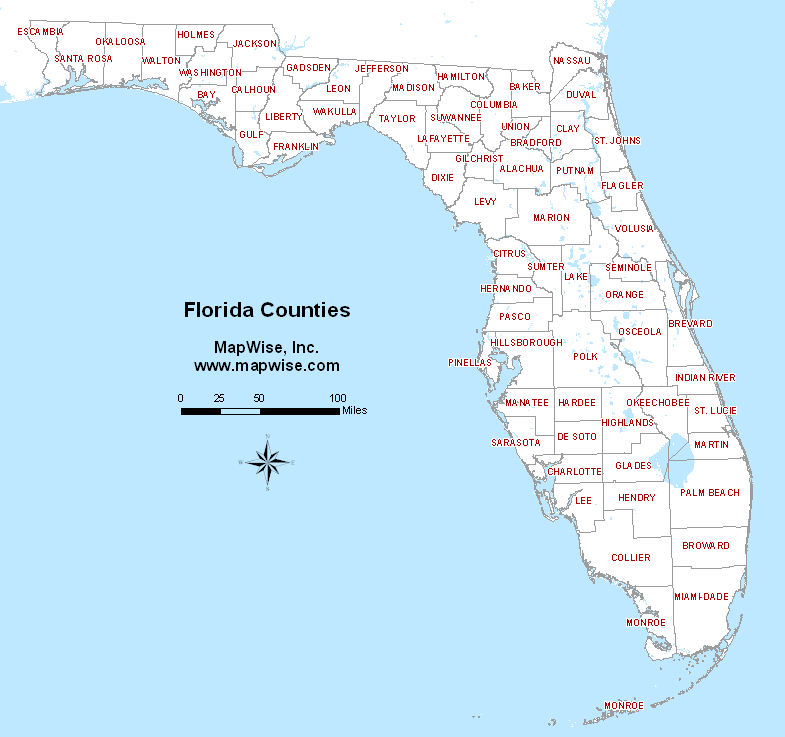
Florida is divided into 67 counties, each with its own distinct character, history, and attractions. These counties serve as the primary administrative subdivisions of the state. Their boundaries were established over time, often reflecting historical settlement patterns, geographical features, and the growth of population centers. Knowing which county you are in can help you pinpoint specific destinations, understand local governance, and access the services tailored to that region.
The Significance of County Boundaries for Travelers
For visitors to Florida, comprehending county lines can enhance your travel experience in several ways:
- Navigation and Logistics: While GPS systems are incredibly precise, understanding counties can add an extra layer of context. For instance, knowing you are in Miami-Dade County immediately places you in the southern part of the state, near Miami. This can help you orient yourself and plan your routes more effectively, especially when traveling between major cities or exploring less densely populated areas.
- Local Attractions and Activities: Many of Florida’s most celebrated attractions are situated within specific counties. For example, the sprawling wilderness of the Everglades National Park spans across Collier County, Miami-Dade County, and Monroe County. Identifying your county can help you locate these significant landmarks and plan excursions accordingly. Similarly, a quest for the best seafood might lead you to St. Johns County for its proximity to the historic charm of St. Augustine.
- Cultural and Regional Identity: Counties in Florida often possess a unique cultural identity shaped by their history, demographics, and geography. The laid-back beach vibe of Pinellas County, home to Clearwater and St. Petersburg, is distinct from the more subtropical allure of the Florida Keys, which are primarily within Monroe County. Recognizing these regional differences can enrich your understanding and appreciation of the state’s diverse offerings.
- Emergency Services and Local Ordinances: In case of emergencies, knowing your county can expedite the process of contacting the correct authorities. Furthermore, local ordinances, such as those related to beach access, alcohol consumption, or pet regulations, can vary significantly from one county to another.
Practical Methods for Identifying Your County
Fortunately, identifying your current county in Florida is a straightforward process with several readily available tools. These methods ensure you can quickly and accurately ascertain your location, enhancing your travel planning and on-the-ground experience.
Utilizing Digital Navigation Tools
The most common and efficient way to determine your county is through the use of digital mapping and navigation applications.
- GPS and Navigation Apps: Applications like Google Maps, Apple Maps, or Waze are indispensable travel companions. Once your location services are enabled on your smartphone or other GPS-enabled device, these apps will display your current position on a map. Often, hovering over your location or tapping on the map will reveal detailed information, including the county name. Many apps also provide a search function where you can input your current address or a known landmark, and the resulting information will include the county.
- Dedicated Geographic Information Systems (GIS) Apps: While less common for the casual traveler, more specialized GIS applications can provide highly detailed geographical data. However, for practical purposes, standard navigation apps suffice.
On-the-Ground Indicators
In many instances, physical signage can provide clues about your county.
- Road Signs: As you travel across county lines, particularly on major highways and state roads, you will often see signs indicating the transition into a new county. These signs typically bear the county name and sometimes its official seal or population information. Look for these markers when driving between towns or cities.
- Local Government Buildings: The presence of county-specific government buildings, such as county courthouses or administrative offices, can be a strong indicator of your location. These buildings are usually clearly marked with the name of the county they serve.
- Welcome Centers and Tourist Information: When entering a new region or city, welcome centers and local tourist information booths are excellent resources. Staff at these locations can often provide maps and information that highlight county boundaries and their associated points of interest.
Online Resources and State Data
For those who prefer to plan ahead or verify their location, numerous online resources are available.
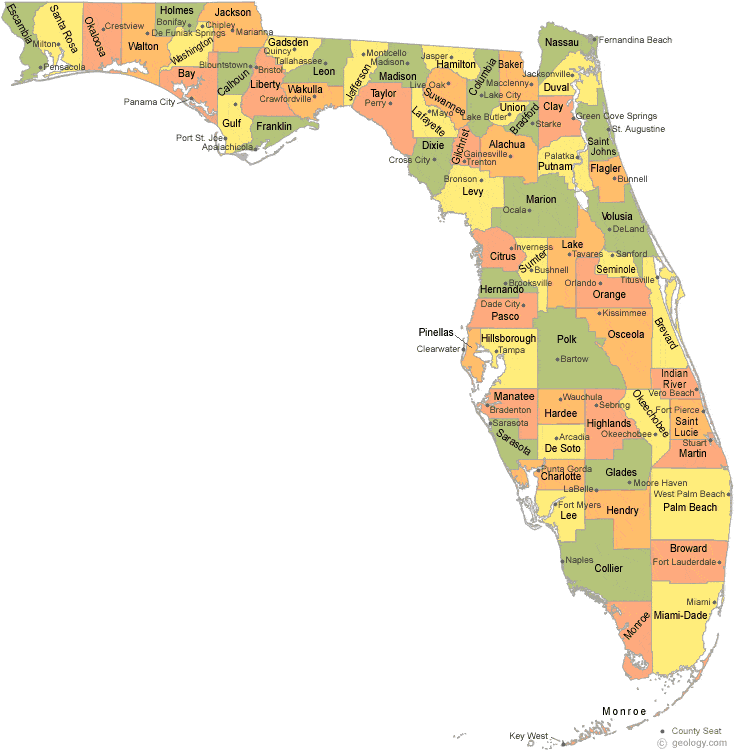
- Official Florida Government Websites: The Florida Department of Economic Opportunity and county government websites themselves are authoritative sources of information. Many counties have interactive maps and data portals that allow users to explore their boundaries and demographic information. A quick search for “Florida county map” will yield numerous official and unofficial, yet accurate, resources.
- Wikipedia and Encyclopedia Sites: Online encyclopedias like Wikipedia provide detailed pages for each Florida county, often including maps, historical context, and lists of major cities and attractions within their jurisdiction.
Exploring Florida County by County
Florida is a state of remarkable diversity, and its counties encapsulate this variety. Understanding the county you are in can unlock a deeper appreciation for the distinct experiences each region offers.
The Panhandle: History and Natural Beauty
The northwestern stretch of Florida, known as the Panhandle, is characterized by its rolling hills, pristine beaches along the Gulf of Mexico, and a rich historical tapestry. Counties like Escambia County, home to Pensacola with its historic naval air station and colonial past, or Bay County, famous for the vibrant shores of Panama City Beach, offer a glimpse into a different side of the Sunshine State. Traveling eastward, you might find yourself in Wakulla County, where the natural springs of Wakulla Springs State Park offer a refreshing escape.
North Florida: Springs, Forests, and Academia
North Florida is a region of natural springs, dense forests, and intellectual hubs. Counties such as Alachua County are defined by the presence of the University of Florida in Gainesville, surrounded by numerous natural springs perfect for swimming and exploration. Further east, Duval County encompasses Jacksonville, Florida’s largest city by population, offering a blend of urban excitement and coastal access. The historic charm of St. Johns County, with its antebellum architecture and the oldest masonry fort in the continental United States, the Castillo de San Marcos, in St. Augustine, is a must-visit destination.
Central Florida: Theme Parks and Innovation
Central Florida is perhaps best known globally for its world-class theme parks and innovative entertainment industries. Orange County, home to Orlando and its legendary attractions like Walt Disney World Resort and Universal Orlando Resort, draws millions of visitors annually. Adjacent Osceola County also hosts significant portions of these entertainment complexes. Beyond the magic of the parks, this region offers natural beauty in the form of springs like Wekiwa Springs State Park within Orange County, and the scenic beauty of the Kissimmee Chain of Lakes.
The Gulf Coast: Beaches and Citrus Groves
Florida’s Gulf Coast is renowned for its powdery white-sand beaches, turquoise waters, and fertile citrus groves. Counties like Hillsborough County, with the bustling metropolis of Tampa and the historic Ybor City, offer a vibrant mix of culture, dining, and attractions. Further south, Sarasota County boasts some of the nation’s most beautiful beaches, including Siesta Key, and a thriving arts scene. Further down the coast, Lee County and its neighbor Collier County represent the gateway to the subtropical wonders of Southwest Florida, including the celebrated beaches of Sanibel Island and Naples.

South Florida: Tropical Vibes and International Flair
South Florida is a region defined by its tropical climate, vibrant multiculturalism, and iconic destinations. Miami-Dade County is the cultural and economic engine of the region, home to the world-renowned beaches of Miami Beach, the dynamic arts district of Wynwood, and the unique ecosystem of the Everglades National Park. Adjacent to it, Broward County offers the cosmopolitan appeal of Fort Lauderdale and its renowned canals, while Palm Beach County is synonymous with luxury and elegance, epitomized by the affluent town of Palm Beach. The southernmost reaches of the state, the Florida Keys, predominantly within Monroe County, present a chain of tropical islands renowned for their relaxed atmosphere, world-class diving and fishing, and iconic destinations like Key West.
By familiarizing yourself with these diverse regions and the counties that define them, you can transform your Florida adventure from a simple sightseeing trip into a richer, more informed exploration of the Sunshine State’s manifold attractions and unique character.
LifeOutOfTheBox is a participant in the Amazon Services LLC Associates Program, an affiliate advertising program designed to provide a means for sites to earn advertising fees by advertising and linking to Amazon.com. Amazon, the Amazon logo, AmazonSupply, and the AmazonSupply logo are trademarks of Amazon.com, Inc. or its affiliates. As an Amazon Associate we earn affiliate commissions from qualifying purchases.