
Navigating the Sunshine State’s licensing requirements can seem daunting, whether you’re a new resident looking to drive, a visitor planning an extended stay, or an individual seeking to engage in specific activities. This guide focuses on the essential licenses and permits most commonly sought by those interacting with Florida beyond a short vacation. We will explore the primary licensing pathways, the necessary documentation, and the steps involved, primarily within the context of travel and extended tourism, offering insights for those planning to immerse themselves in the Florida lifestyle for a significant period.
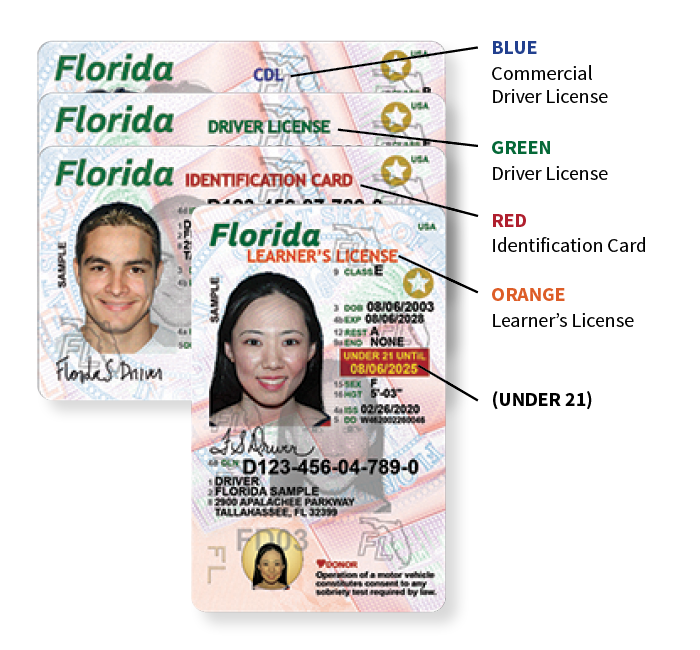
Obtaining a Florida Driver’s License
For many, the most immediate need upon arriving in Florida for an extended stay or to establish residency is a driver’s license. This document is not only a permit to operate a motor vehicle but also serves as a primary form of identification. The Florida Department of Highway Safety and Motor Vehicles (FLHSMV) oversees this process.
Eligibility and Requirements for New Residents
If you are moving to Florida and plan to drive, you must obtain a Florida driver’s license within 30 days of establishing residency.
Documentation Needed:
To apply for a Florida driver’s license, you will need to provide proof of identity, date of birth, and Social Security number. Additionally, you must demonstrate proof of residential address in Florida.
- Proof of Identity and Date of Birth: This typically includes original or certified copies of documents such as a U.S. birth certificate, a valid U.S. passport, or a Certificate of Naturalization.
- Proof of Social Security Number: Your original Social Security card or a W-2 form with your Social Security number is usually required.
- Proof of Residential Address: Two different documents proving your physical address in Florida are necessary. Examples include utility bills, a lease agreement, a mortgage statement, or mail from a financial institution. Ensure these documents are recent (typically within the last 60 days).
- Proof of Legal Presence in the United States: If you are not a U.S. citizen, you will need to provide documentation such as a valid U.S. passport, a Certificate of Citizenship, or an Employment Authorization Card.
Vision and Written Tests:
In addition to the documentation, you will be required to pass a vision test to ensure you meet the minimum visual acuity standards for driving. You will also need to pass a written knowledge test covering traffic laws, road signs, and safe driving practices specific to Florida. Study materials for this test are available on the FLHSMV website.
License Types and Fees:
Florida offers various license classes, with the most common being a Class E license for non-commercial vehicles. The fees for a driver’s license vary based on the type of license and its validity period. You can find the most up-to-date fee schedule on the FLHSMV website. It is advisable to schedule an appointment at a local driver license service center to expedite the process.
Temporary Licenses for Visitors
While a standard driver’s license is for residents, visitors planning extended stays that may necessitate driving may need to consider their options. If you hold a valid driver’s license from your home state or country, Florida generally permits you to drive with that license for a period. However, if your stay is exceptionally long and you intend to establish a more permanent presence, obtaining a Florida license becomes a necessity, as outlined above. For those who do not possess a license from their home jurisdiction, or for specific circumstances, exploring options with the FLHSMV is recommended.
Special Licenses and Permits for Florida Activities
Beyond driving, Florida offers a rich tapestry of recreational activities, many of which require specific licenses or permits. These are crucial for enjoying the state’s natural beauty and diverse offerings legally and responsibly.
Boating Safety and Registration
The waters of Florida are a major draw, from the vibrant Keys to the expansive Gulf Coast. To operate a boat, you’ll need to understand boating regulations.
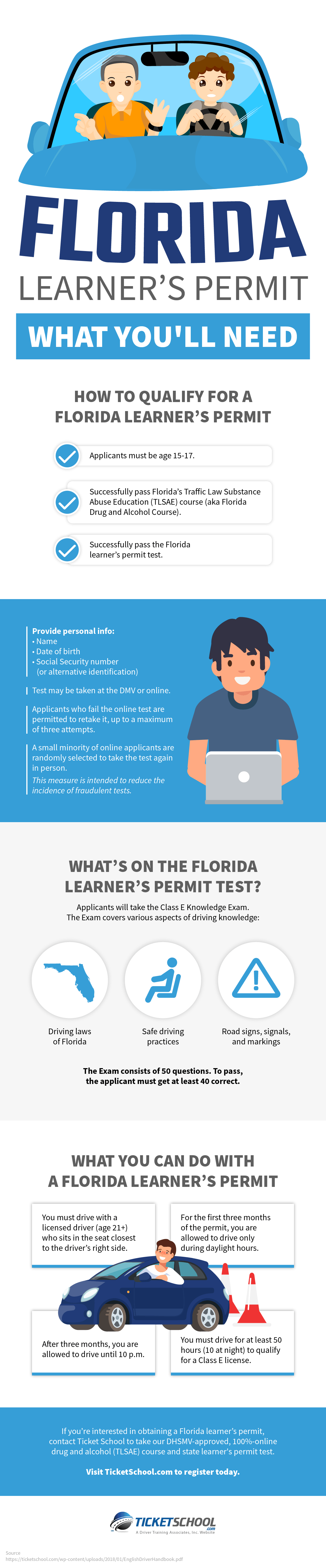
Boating Under the Age of 21:
Individuals born on or after January 1, 1988, who wish to operate a vessel in Florida must have completed a Florida boating safety course or be supervised by a qualified individual. This course covers essential safety procedures, navigation rules, and emergency response. Upon completion of an approved course, you will receive a boating safety identification card, which must be carried while operating a vessel.
Vessel Registration:
Any vessel operated on the public waters of Florida must be registered and have a valid decal, unless it meets certain exemption criteria (e.g., lifeboats, federally documented vessels). Registration is handled through the county tax collector’s office and requires proof of ownership, such as a title or bill of sale, and payment of applicable fees.
Fishing and Hunting Licenses
Florida boasts abundant fishing and hunting opportunities. The Florida Fish and Wildlife Conservation Commission (FWC) is responsible for issuing these licenses.
Fishing Licenses:
Whether you plan to cast a line from a pier in Miami or embark on a deep-sea fishing charter, a fishing license is generally required for anyone 16 years of age or older. Various license types are available, including freshwater, saltwater, and combination licenses, with options for residents and non-residents, and durations ranging from a few days to an annual permit. Some specific activities, like harvesting recreational saltwater
Hunting Licenses:
For those interested in hunting in Florida, a hunting license is mandatory. Similar to fishing, licenses vary based on the type of game, season, and whether you are a resident or non-resident. Some wildlife management areas may also require additional permits or reservations. It is crucial to familiarize yourself with FWC regulations regarding seasons, bag limits, and legal hunting methods.
Other Important Florida Permits and Considerations
Beyond driving and recreational activities, certain other aspects of life in Florida may involve specific licensing or permit requirements, particularly for extended stays or engaging in specialized activities.
Alcohol and Tobacco Purchases
For those over the age of 21 looking to purchase alcohol or tobacco products, a valid government-issued photo identification card is required. This is not a specific Florida license in the same vein as a driver’s license, but rather proof of age. Acceptable forms of identification typically include a driver’s license, state-issued ID card, or a valid passport.
Special Event Permits
If you are planning a significant event, such as a wedding, festival, or large gathering in a public space, you may need to obtain permits from the local municipality or county. These permits ensure that the event complies with local ordinances regarding public safety, noise levels, and traffic management. The requirements and application process vary significantly by location.
Business and Professional Licenses
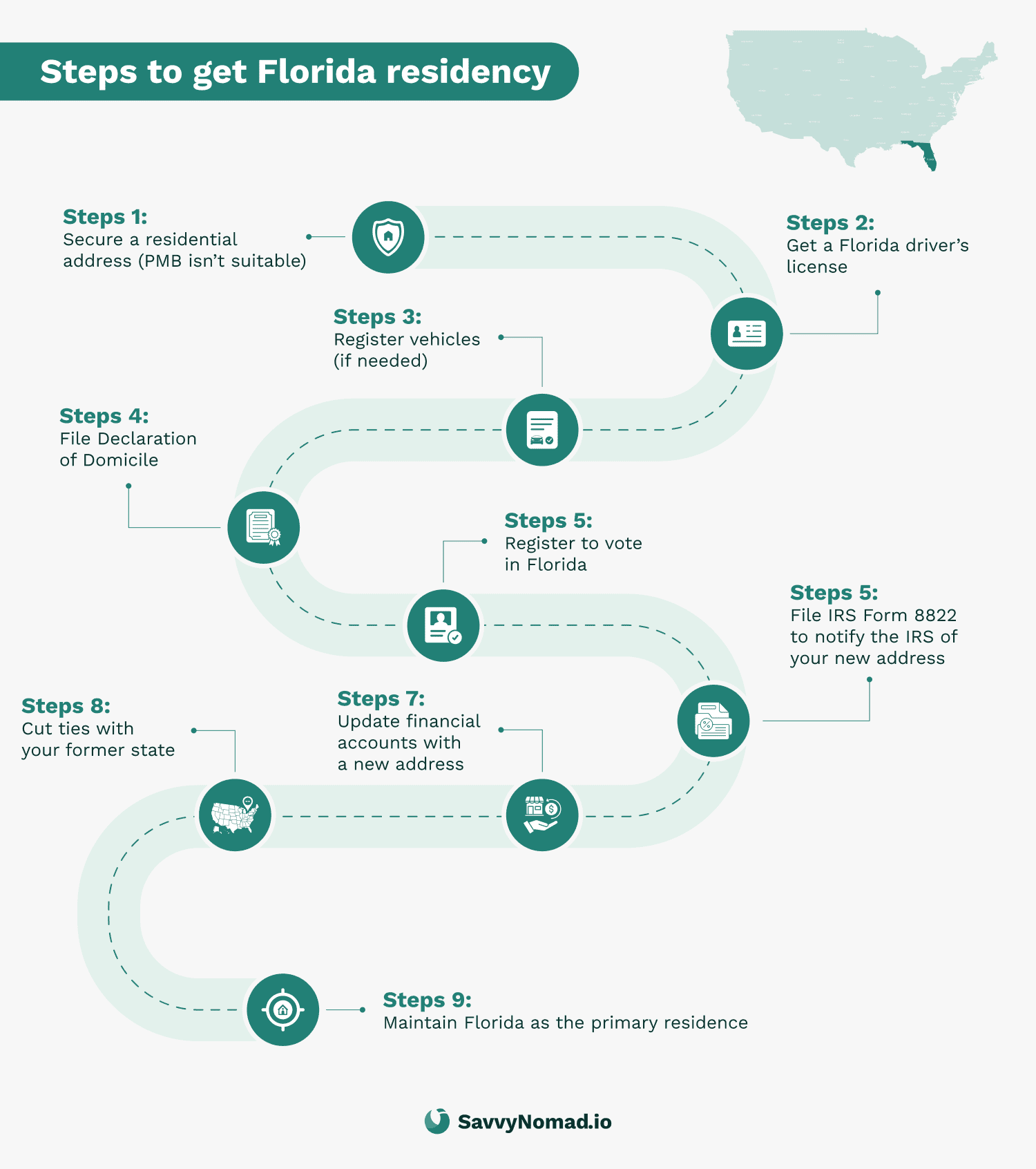
For individuals intending to work or establish a business in Florida, a much broader array of licenses and permits will be necessary. This can range from general business licenses required by cities and counties to specific professional licenses for occupations such as healthcare, contracting, or cosmetology, overseen by various state boards and agencies. This guide focuses on licenses more pertinent to extended tourism and general residency, but for those pursuing employment or business ventures, extensive research into the relevant regulatory bodies is paramount.
In conclusion, while the title “What Do You Need To Get A Florida License?” might seem straightforward, the answer encompasses a spectrum of requirements depending on your intended activities. For those looking to drive, the FLHSMV is your primary resource. For enjoying the state’s natural bounty through boating, fishing, or hunting, the FWC provides the necessary guidance and licensing. Always ensure you are visiting the official websites of these agencies for the most current information, documentation requirements, and fee structures before you embark on your licensing journey in the beautiful state of Florida.
LifeOutOfTheBox is a participant in the Amazon Services LLC Associates Program, an affiliate advertising program designed to provide a means for sites to earn advertising fees by advertising and linking to Amazon.com. Amazon, the Amazon logo, AmazonSupply, and the AmazonSupply logo are trademarks of Amazon.com, Inc. or its affiliates. As an Amazon Associate we earn affiliate commissions from qualifying purchases.