
Understanding the financial landscape of a destination is crucial for any traveler, especially those contemplating an extended stay or business venture. For many, the allure of New York lies not only in its iconic landmarks and vibrant culture but also in its economic potential. A significant factor in assessing this potential, particularly for visitors who might be considering more than a fleeting visit, is the state’s income tax structure. While typically a concern for residents, knowledge of New York income tax can be insightful for tourists planning longer trips, digital nomads seeking a temporary base, or even those involved in business dealings within the state. This guide aims to demystify the complexities of New York income tax, providing a clear overview for travelers and those with business interests.
The Framework of New York Income Tax
New York State imposes an income tax on the earnings of its residents and, to a lesser extent, on the income earned within the state by non-residents. This tax is a progressive one, meaning higher earners pay a larger percentage of their income in taxes. The rates can fluctuate slightly based on legislative changes, but the fundamental structure remains consistent.
Understanding Taxable Income
For travelers and those with transient business interests, the key concept is understanding what constitutes taxable income in New York. Generally, this includes wages, salaries, tips, commissions, business income, capital gains, interest, dividends, and other forms of earnings.
Residency and Non-Residency
The distinction between a resident and a non-resident is paramount in determining tax obligations. A resident is generally considered someone who is domiciled in New York or maintains a permanent home there and spends more than 183 days in the state during the tax year. Non-residents are taxed only on income derived from New York sources. For a tourist, this distinction is usually straightforward: a short-term visit does not confer residency. However, for individuals considering working remotely from New York for an extended period, understanding the residency rules is essential to avoid unexpected tax liabilities.
The New York City Tax
It’s important to note that in addition to the state income tax, residents of, and individuals earning income in, New York City are subject to a separate city income tax. This adds another layer to the overall tax burden for those operating within the five boroughs. This city tax is also progressive and is levied on similar types of income.
New York State Income Tax Rates
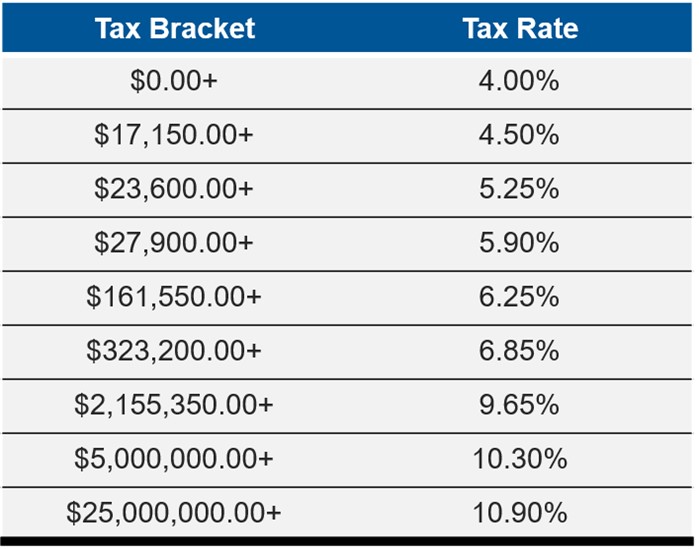
New York State’s income tax rates are structured in brackets, with each bracket corresponding to a specific tax percentage. These rates are applied to different portions of an individual’s taxable income.
Progressive Tax Brackets
The progressive nature of the New York income tax means that as your income increases, so does the percentage of tax you pay on that income. This system is designed to place a greater tax burden on those with a higher ability to pay. The tax brackets are updated periodically by the New York State Department of Taxation and Finance.
Example of Tax Calculation (Simplified)
To illustrate, let’s consider a simplified example. Suppose an individual has a taxable income of $50,000. The first portion of that income might be taxed at a lower rate (e.g., 4%), the next portion at a slightly higher rate (e.g., 4.5%), and so on, until the entire $50,000 is accounted for across the different tax brackets. The total tax liability is the sum of the taxes calculated for each bracket. The exact percentages and income thresholds for each bracket are detailed in the official New York State tax forms and publications.
Federal vs. State Tax
It is crucial to remember that New York income tax is separate from federal income tax. Individuals filing New York state income tax will also be required to file federal income tax returns with the Internal Revenue Service (IRS). Many deductions and credits available at the federal level may also be applicable at the state level, though specifics can vary.
Deductions, Credits, and How They Affect Your Tax Bill
The final tax bill is not simply a matter of applying the tax rates to gross income. New York offers various deductions and credits that can significantly reduce an individual’s taxable income and, consequently, their tax liability.

Standard vs. Itemized Deductions
Taxpayers in New York can typically choose between taking the standard deduction or itemizing their deductions. The standard deduction is a fixed amount that varies based on filing status (e.g., single, married filing jointly). Itemizing allows taxpayers to deduct specific expenses, such as mortgage interest, state and local taxes (SALT), medical expenses (above a certain threshold), and charitable contributions. The choice between the two often depends on which option provides the greatest tax benefit. For transient visitors, itemizing is unlikely to be relevant unless they have significant New York-based expenses that qualify.
Tax Credits
Tax credits are even more valuable than deductions because they directly reduce the amount of tax owed, dollar for dollar. New York offers a range of tax credits designed to benefit different groups of taxpayers. These can include credits for child and dependent care, earned income, energy efficiency improvements, and more. Some credits are refundable, meaning if the credit exceeds the tax liability, the taxpayer receives the difference as a refund.
Understanding Your Filing Status
Your filing status (e.g., Single, Married Filing Jointly, Head of Household) has a direct impact on your tax brackets, standard deduction amount, and eligibility for certain credits. Ensuring you select the correct filing status is a fundamental step in accurately calculating your tax obligation.
Implications for Travelers and Visitors
While most tourists will not be subject to New York income tax, understanding the basics can be beneficial, especially for those contemplating longer stays or engaging in activities that might have financial implications.
Extended Stays and Digital Nomads
For individuals planning to stay in New York for several months, particularly those working remotely, it’s crucial to be aware of the residency rules. Spending an extended period, even without establishing a permanent residence, could potentially trigger residency requirements and thus tax obligations. Consulting with a tax professional is advisable in such scenarios. This is particularly relevant if one is considering basing themselves in places like New York City or renting an apartment for a prolonged period.
Business Travel and Income Generation
If your travel to New York involves generating income within the state, such as performing services or conducting business activities, you may be subject to non-resident income tax. This applies even if you maintain your primary residence elsewhere. The nature and extent of the business activity will determine the specific tax implications. For instance, a consultant working on a project for a New York-based client would likely have New York source income.
Tourism and Spending
It is important to distinguish income tax from sales tax. While sales tax is levied on goods and services purchased by tourists, income tax is levied on earnings. Therefore, your spending on attractions like the Statue of Liberty, meals at renowned restaurants, or accommodation at hotels like the Plaza Hotel does not typically trigger income tax obligations for a standard tourist. However, if you were to derive income from activities related to your visit, such as selling goods or services, then income tax considerations would arise.
Navigating New York Tax Compliance
For those who do have New York income tax obligations, understanding the filing process and deadlines is essential.
Filing Deadlines and Forms
New York State income tax returns are typically due on April 15th of each year, coinciding with federal tax deadlines. Extensions may be available. The primary form for New York State income tax is the IT-201 (New York State Income Tax Return) for most individuals. Non-residents will file a different form, typically the IT-203.
Seeking Professional Advice
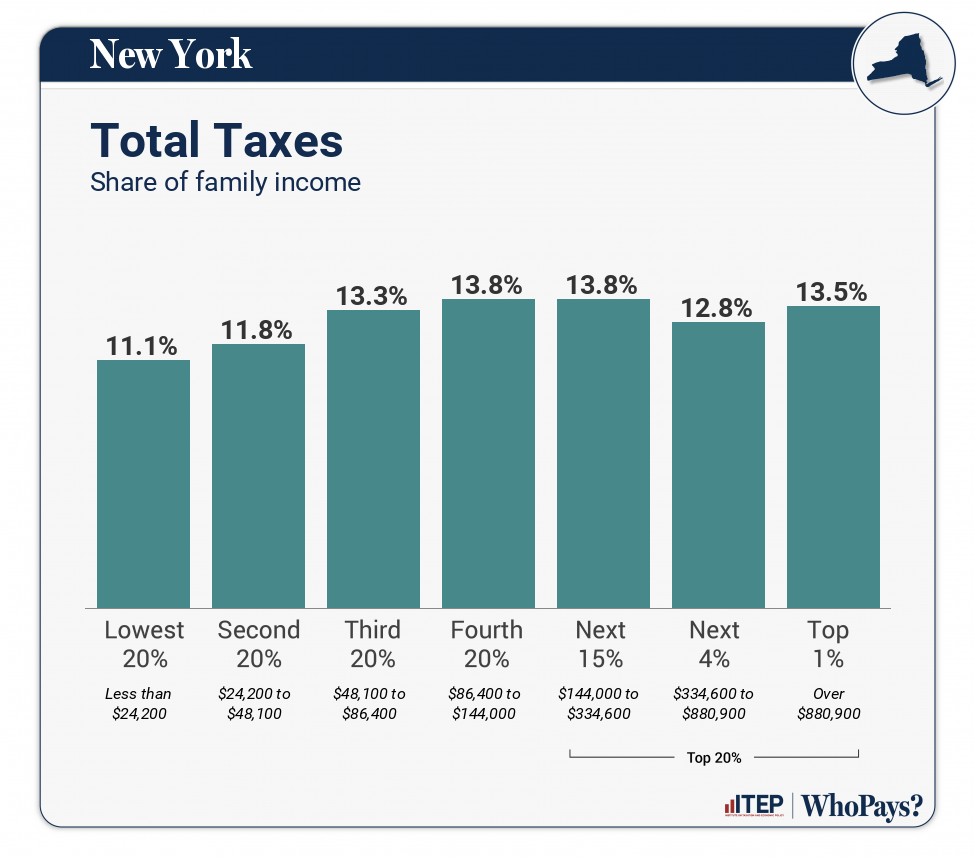
The New York tax code can be complex. For individuals who are unsure about their tax obligations, especially those with non-standard income situations or extended stays, consulting with a qualified tax professional who specializes in New York tax law is highly recommended. They can provide personalized guidance and ensure compliance. The New York State Department of Taxation and Finance also provides extensive resources, forms, and publications on its official website, which can be a valuable starting point for information. Understanding these financial aspects can enhance your travel experience by providing peace of mind regarding any potential obligations.
LifeOutOfTheBox is a participant in the Amazon Services LLC Associates Program, an affiliate advertising program designed to provide a means for sites to earn advertising fees by advertising and linking to Amazon.com. Amazon, the Amazon logo, AmazonSupply, and the AmazonSupply logo are trademarks of Amazon.com, Inc. or its affiliates. As an Amazon Associate we earn affiliate commissions from qualifying purchases.