
Florida, a peninsula state synonymous with sun-drenched shores and turquoise waters, boasts an unparalleled coastline that defines its identity. But what exactly constitutes a “beach” in the Sunshine State? It’s far more than just a strip of sand meeting the sea; it’s a dynamic ecosystem, a cultural hub, and the very essence of Floridian allure. From the bustling promenades of South Beach to the serene, undeveloped stretches of the Panhandle, Florida’s beaches offer a diverse tapestry of experiences, each with its unique character and charm.
The Anatomy of a Floridian Shoreline
A Florida beach is a complex interplay of natural elements. At its most basic, it’s the transition zone between the terrestrial environment and the marine realm. This includes the sandy shore itself, the dunes that often back it, the intertidal zone where the ocean’s influence is most keenly felt, and the nearshore waters.
Sand and Sediment: The Foundation
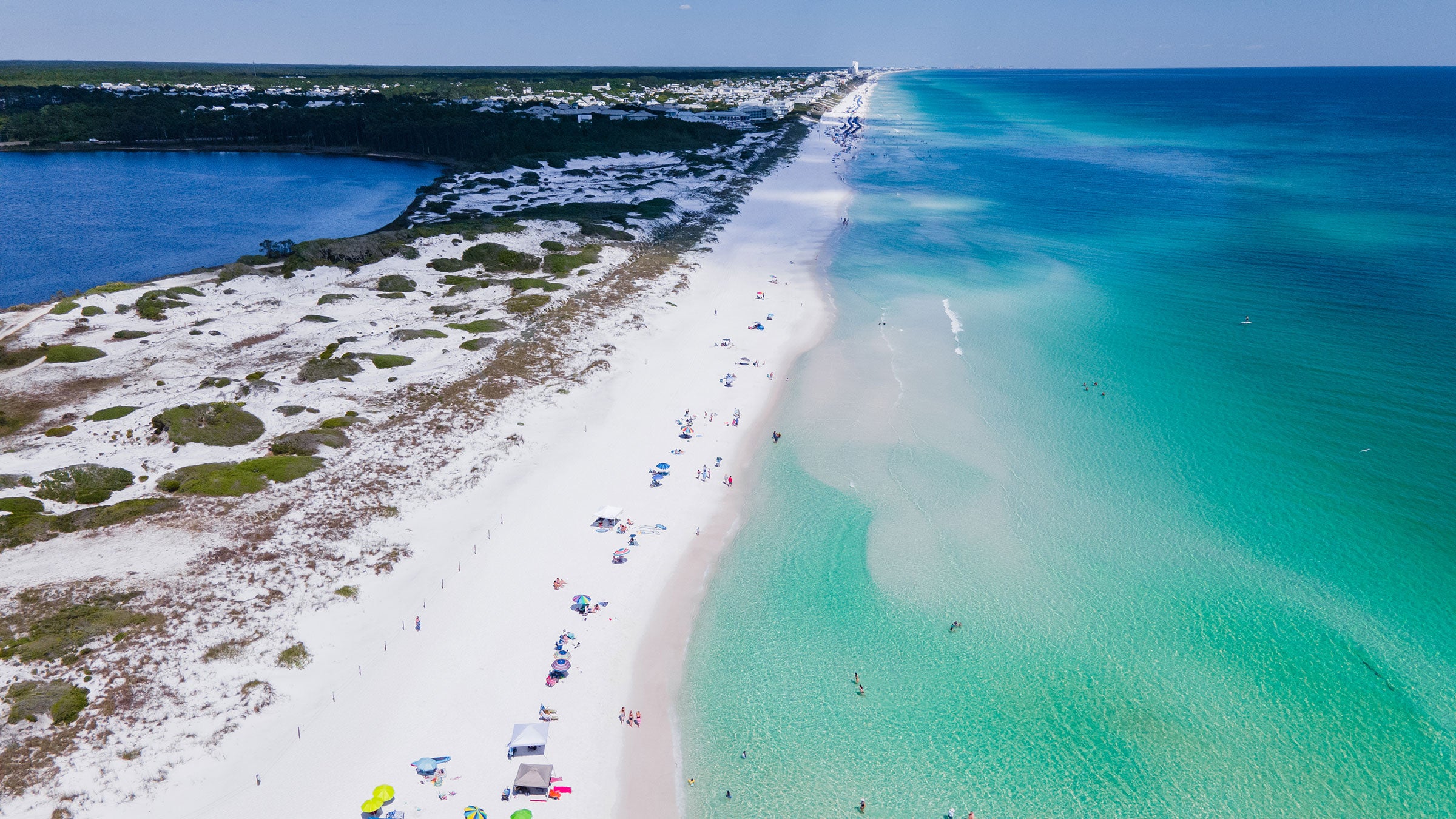
The composition of Florida’s beaches varies significantly, contributing to their distinct visual and tactile qualities. Along the Atlantic coast, particularly in the north, you’ll find shell-laden sands mixed with coarser grains, a testament to the active wave action. The Gulf Coast, however, is renowned for its sugar-white sands, composed predominantly of finely ground quartz. This is particularly evident on beaches like those in Sarasota and along the Emerald Coast. The origin of this fine quartz sand is primarily the erosion of the Appalachian Mountains, carried downstream over millennia to the Gulf. This fine grain makes the sand exceptionally soft and cool to the touch, even on the hottest days, a welcome feature for sunbathers.
Coastal Dynamics: Tides, Waves, and Currents
The constant motion of the ocean shapes Florida’s beaches. Tides, the rhythmic rise and fall of sea levels, expand and contract the beach width. Waves, driven by prevailing winds and distant storms, are the primary sculptors, eroding certain areas and depositing sand elsewhere. These processes are crucial for maintaining the health of the beach ecosystem, redistributing nutrients, and creating diverse habitats. The strength and frequency of waves also dictate the suitability of a beach for various activities. While the Atlantic coast often experiences more robust wave action, ideal for surfing and bodyboarding, the calmer waters of the Gulf Coast are perfect for swimming, paddleboarding, and kayaking.
Dune Systems: Natural Defenses and Habitats
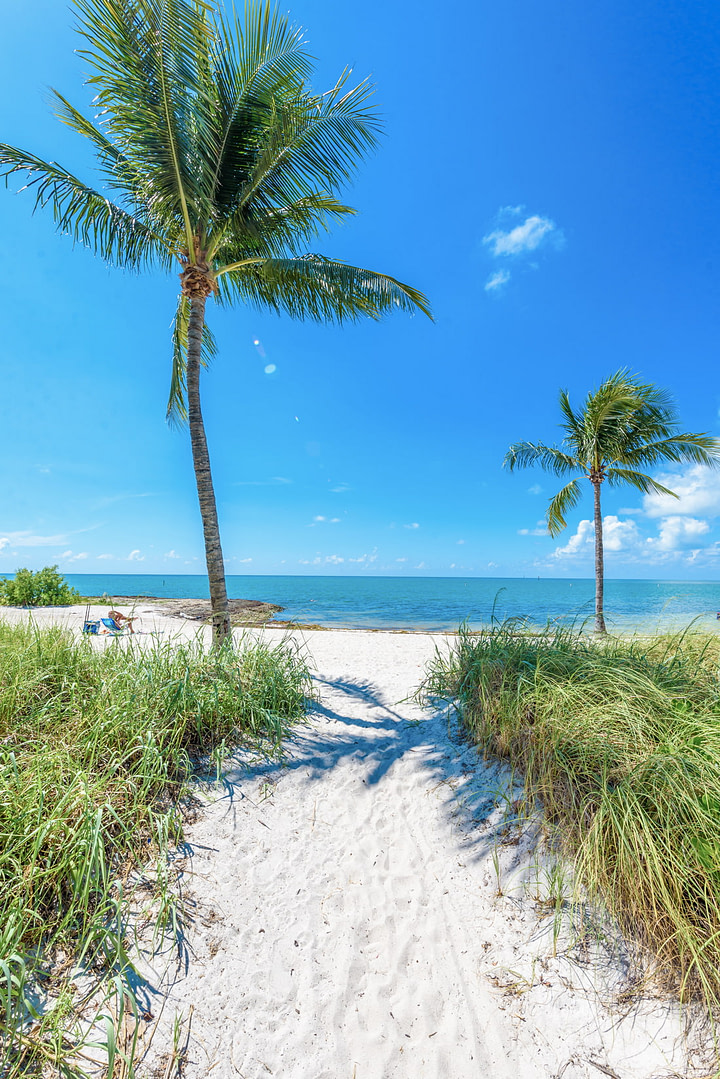
Dune systems are an integral part of the Florida beach landscape, serving as both natural barriers against storm surges and vital habitats for specialized flora and fauna. These sandy mounds are formed by wind-blown sand accumulating around vegetation, such as sea oats, which have deep root systems that stabilize the sand. These dunes are fragile ecosystems and are protected by law in many areas to preserve their ecological function and prevent erosion. Visitors are often cautioned to stay on marked paths to avoid damaging the dune vegetation. These areas provide critical nesting grounds for sea turtles and migratory birds, underscoring their ecological importance beyond their role as a physical barrier.
Beyond the Sand: The Floridian Beach Experience
A Florida beach is more than just a geological formation; it’s a vibrant space for recreation, relaxation, and cultural immersion. The state’s extensive coastline offers an incredible diversity of beach environments, catering to every imaginable preference.
Recreational Havens
Florida’s beaches are synonymous with outdoor recreation. From sunrise yoga sessions on the shore to sunset fishing expeditions, the opportunities are endless.
Water Sports
The clear, warm waters of Florida are a playground for a myriad of water sports. Surfing is popular along the Atlantic coast, with spots like New Smyrna Beach and areas near Cocoa Beach drawing enthusiasts. The Gulf Coast, with its calmer seas, is ideal for paddleboarding, kayaking, and snorkeling, particularly in areas with vibrant coral reefs or seagrass beds. Jet skiing, parasailing, and boating are also widely available across the state. Many beach towns offer rental services and lessons for these activities, making them accessible to visitors of all skill levels.
Beachcombing and Shelling
Florida’s coastline is a treasure trove for beachcombers. The Gulf Coast, in particular, is world-renowned for shelling. Sanibel Island, often hailed as the “shelling capital of North America,” offers an unparalleled abundance of shells, from the iconic conch and lightning whelks to smaller, delicate specimens. The unique northwest-southeast orientation of the island creates a natural scoop, trapping shells washed ashore. Other prime shelling destinations include Marco Island and the beaches surrounding St. Petersburg.
Relaxation and Sunbathing
Perhaps the most iconic beach activity, simply relaxing and soaking up the sun is a cornerstone of the Florida beach experience. Miles of soft sand, the gentle rhythm of the waves, and the warmth of the sun create an idyllic setting for unwinding. Many beaches offer amenities such as lounge chair and umbrella rentals, making it easy to set up a comfortable spot for a day of leisure.
Cultural and Social Hubs
Florida’s beaches are also social gathering places, reflecting the state’s diverse population and vibrant culture.
Boardwalks and Piers

Many of Florida’s most popular beaches feature bustling boardwalks and piers, which serve as extensions of the beach experience. These lively areas are often lined with shops, restaurants, amusement rides, and entertainment venues. The Santa Monica Pier (while not in Florida, it serves as a recognizable example of a pier’s function) and the Piers at Myrtle Beach (again, illustrative examples) in neighboring states offer a glimpse into the potential vibrancy. In Florida, the iconic Daytona Beach Pier and the piers in Clearwater Beach are popular spots for fishing, strolling, and enjoying panoramic ocean views.
Local Flavors and Festivities
Beach towns are often centers of local culinary scenes and host numerous festivals and events throughout the year. From fresh seafood shacks serving the catch of the day to upscale waterfront dining, the gastronomic offerings are as diverse as the coastline itself. Many events, such as seafood festivals, art shows, and live music performances, are held directly on or near the beaches, enhancing the overall visitor experience.
Types of Florida Beaches
Florida’s coastline is not monolithic; it offers a spectrum of beach types, each with its own unique appeal.
The Atlantic Coast: Energized Waters and Iconic Cities
Florida’s Atlantic coast is characterized by its dynamic waters and proximity to some of the state’s most vibrant cities.
South Florida Beaches
From the art deco allure of Miami Beach and its famous South Beach to the family-friendly shores of Fort Lauderdale, South Florida beaches are known for their lively atmosphere, upscale resorts, and world-class dining. The sand here is often a golden hue, and the ocean can be quite active, drawing surfers and swimmers alike. The energy is palpable, with a constant buzz of activity from sunrise to sunset.
Central and Northern Atlantic Beaches
Further north, beaches like those in St. Augustine, the nation’s oldest city, offer a blend of historical charm and natural beauty. The beaches here tend to be wider, with a coarser sand and more pronounced wave action, appealing to those seeking a more traditional beach experience coupled with historical exploration. Daytona Beach, famous for its hard-packed sand that once allowed cars to drive on the shore, still retains a sense of openness and freedom.
The Gulf Coast: Tranquil Waters and Sugar-White Sands
The Gulf Coast of Florida is legendary for its exceptionally calm waters and pristine, soft, white sands.
Southwest Florida Shores
The beaches of Southwest Florida, including the renowned shores of Naples, Fort Myers Beach, and the aforementioned Sanibel Island, are characterized by their gentle surf and powdery white sand. These are ideal destinations for families with young children, as well as for those who prefer a more tranquil beach experience for swimming, sunbathing, and observing marine life in the shallows. The sunsets here are often spectacular, painting the sky in vibrant hues over the Gulf.
The Emerald Coast and Panhandle Beaches
Stretching along the Florida Panhandle, the “Emerald Coast” earns its name from the striking turquoise and emerald hues of the water, contrasted by the dazzling white quartz sand. Destinations like Destin, Seaside, and Panama City Beach offer a more laid-back, vacation-cottage vibe in many areas, though they also boast significant resort developments. The waters are generally clear and shallow, making them perfect for swimming and water sports in a picturesque setting.
Preserving Florida’s Precious Beaches
The enduring appeal of Florida’s beaches depends on diligent preservation efforts. Recognizing their ecological and economic significance, various initiatives are in place to protect these natural treasures.
Environmental Protection
Coastal management agencies and local governments work to protect dune systems, manage water quality, and mitigate the impacts of coastal development. Regulations are in place to protect sea turtle nesting sites, bird sanctuaries, and sensitive marine habitats. Visitors play a crucial role by adhering to “leave no trace” principles, properly disposing of waste, and respecting wildlife.
Public Access and Amenities
Ensuring continued public access to these vital resources is paramount. While many beaches are publicly owned, managing development and maintaining accessibility require ongoing planning and investment. Public parks, beach access points, and amenities like restrooms, showers, and lifeguard stations are essential for enhancing the visitor experience while also supporting responsible use.
In conclusion, a beach in Florida is a multifaceted entity – a natural wonder shaped by the ocean, a vibrant playground for recreation, a cultural melting pot, and a symbol of the state’s idyllic lifestyle. Whether one seeks adventure on the waves, tranquility on the sand, or the simple joy of a breathtaking sunset, Florida’s diverse coastline delivers an unforgettable experience, making its beaches not just destinations, but defining characteristics of the state itself.
LifeOutOfTheBox is a participant in the Amazon Services LLC Associates Program, an affiliate advertising program designed to provide a means for sites to earn advertising fees by advertising and linking to Amazon.com. Amazon, the Amazon logo, AmazonSupply, and the AmazonSupply logo are trademarks of Amazon.com, Inc. or its affiliates. As an Amazon Associate we earn affiliate commissions from qualifying purchases.