
Planning a journey that spans continents and cultures is an exhilarating prospect, and understanding the practicalities of time is paramount for a seamless travel experience. For those venturing between the vibrant landscapes of Japan and the sun-drenched coastlines of California, a significant time difference is a crucial factor to consider. This temporal gulf impacts everything from booking accommodations and scheduling activities to simply staying connected with loved ones back home. Navigating this temporal discrepancy effectively can transform potential jet lag woes into a smoothly integrated arrival, allowing you to fully immerse yourself in the wonders that each destination offers.
Understanding Time Zones and Daylight Saving
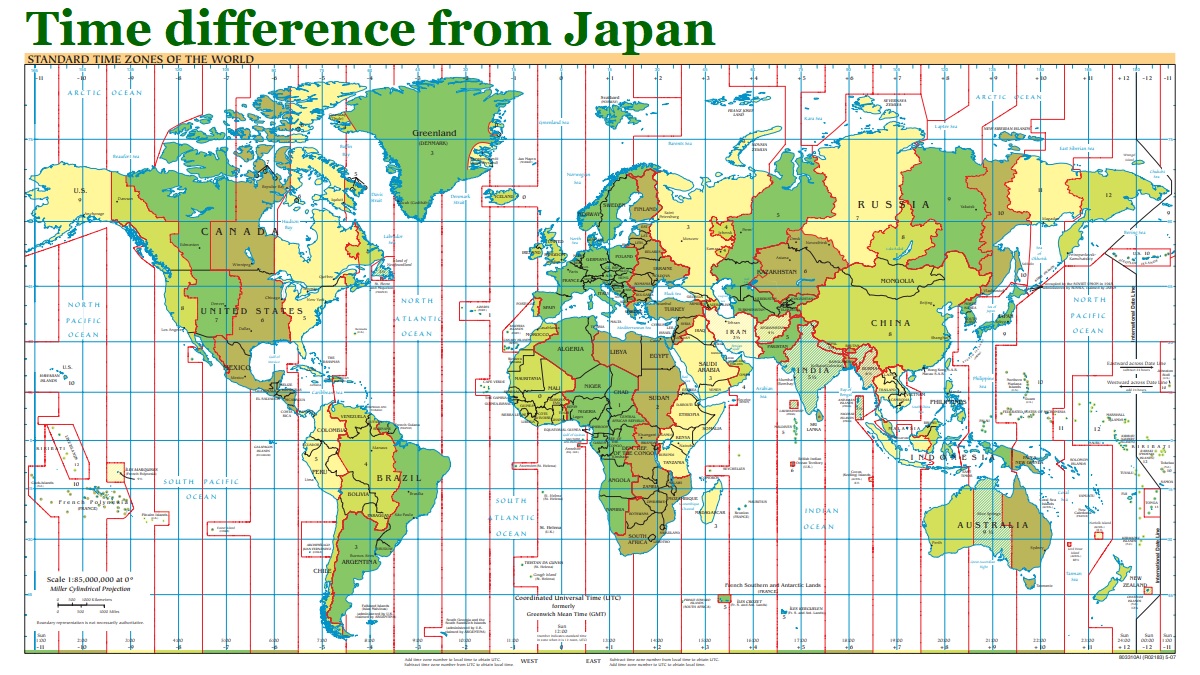
The fundamental reason for the time difference between Japan and California lies in their respective time zones. Japan operates on Japan Standard Time (JST), which is UTC+9. This means it is always nine hours ahead of Coordinated Universal Time (UTC). On the other hand, California, being part of the United States, observes Pacific Time. This observation has two components: Pacific Standard Time (PST), which is UTC-8, and Pacific Daylight Time (PDT), which is UTC-7, implemented during daylight saving periods.
Japan Standard Time (JST)
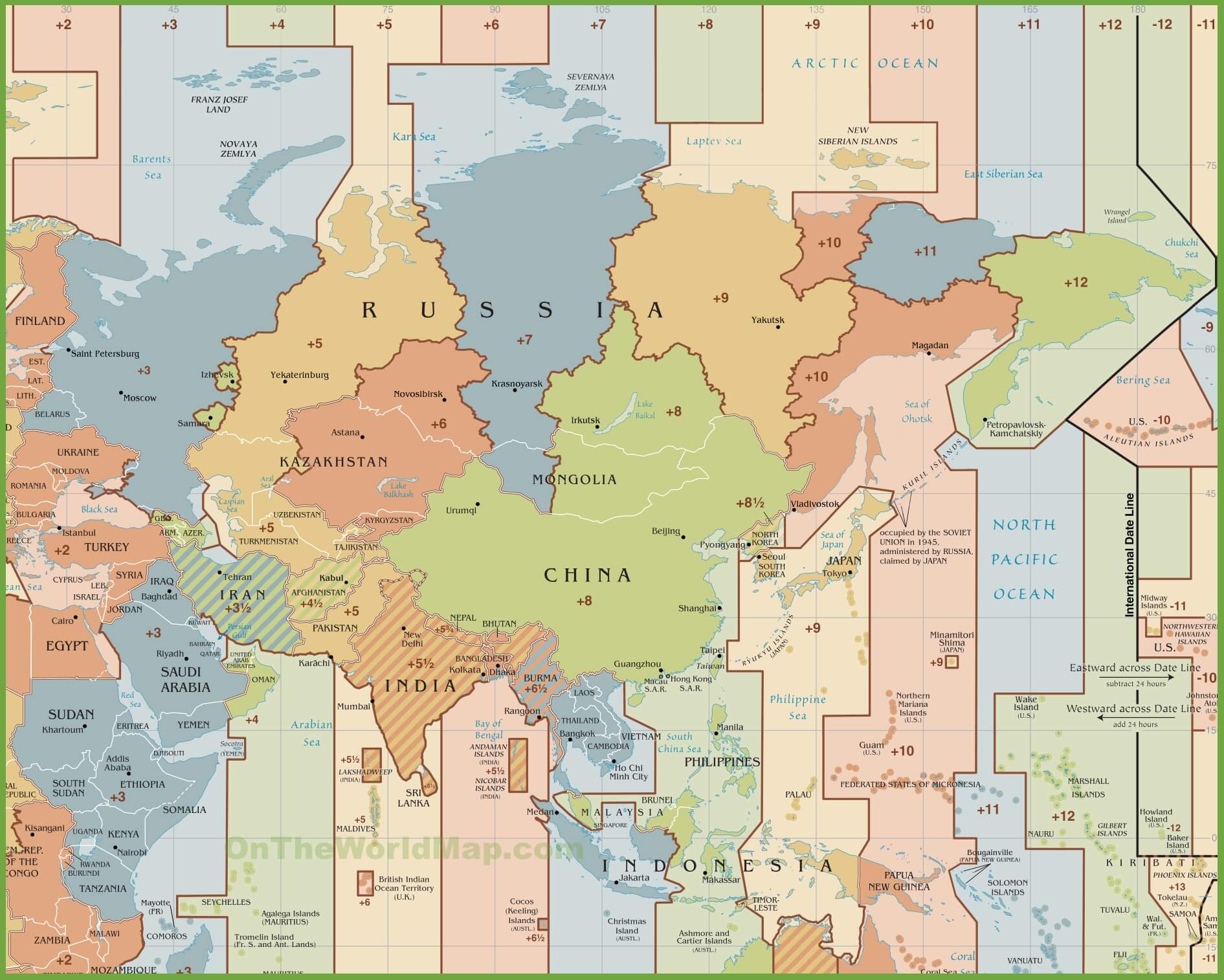
Japan famously observes a single time zone across the entire country. This simplifies internal scheduling and avoids confusion within its borders. JST is consistently UTC+9, regardless of the time of year. This unwavering standard makes it a predictable reference point when calculating the time difference with other parts of the world. Whether you are in the bustling metropolis of Tokyo or the historic city of Kyoto, the clock will show the same time. This uniformity is a hallmark of Japan’s efficient approach to time management.
Pacific Time (PST/PDT)
California, like much of North America, participates in Daylight Saving Time (DST). During the warmer months, typically from the second Sunday in March to the first Sunday in November, California switches to Pacific Daylight Time (PDT). This shifts the time one hour forward, making it UTC-7. For the remainder of the year, it reverts to Pacific Standard Time (PST), which is UTC-8. This seasonal change is a critical factor when calculating the exact time difference.
The Calculation Explained
The core of the time difference lies in the difference between JST (UTC+9) and California’s Pacific Time.
-
When California is on PST (UTC-8):
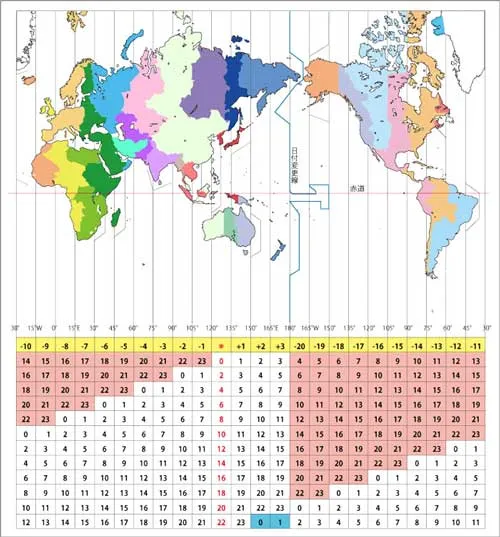
The difference between UTC+9 and UTC-8 is 17 hours. This means Japan is 17 hours ahead of California. For instance, if it is 9:00 AM on a Monday in Tokyo, it would be 4:00 PM on the previous Sunday in Los Angeles. -
When California is on PDT (UTC-7):
The difference between UTC+9 and UTC-7 is 16 hours. In this scenario, Japan is 16 hours ahead of California. So, if it is 9:00 AM on a Monday in Tokyo, it would be 5:00 PM on the previous Sunday in Los Angeles.
It’s important to note that due to the International Date Line, travelers moving from California to Japan will generally gain a day, while those traveling from Japan to California will lose a day. This phenomenon is a direct consequence of crossing this imaginary line that divides the world into two calendar days.
Impact on Travel Planning
The substantial time difference between Japan and California has profound implications for the practicalities of travel. From booking flights and arranging airport transfers to coordinating meetings and planning sightseeing, a thorough understanding of the temporal gap is essential for a smooth and enjoyable journey.
Flight Schedules and Arrival Times
When booking flights, airlines will display departure and arrival times in local time for each respective city. However, it’s crucial to mentally factor in the time difference to truly grasp the duration of your journey and your arrival time in the new time zone. For example, a flight departing Los Angeles in the afternoon might arrive in Tokyo in the late afternoon of the next day, due to the 16 or 17-hour difference. This can be disorienting and is a primary contributor to jet lag. Travelers often find it helpful to set their watch to the destination time zone immediately upon boarding the flight to begin adjusting mentally.
Accommodation and Check-in/Check-out
Your chosen hotel in Japan or California will operate on its local time for check-in and check-out procedures. Standard check-in times are usually in the afternoon, and check-out in the morning. If you are arriving very early in the morning in Japan after a long flight from California, you might need to consider booking an extra night to guarantee early access to your room, or be prepared to store your luggage and explore the city until your room is ready. Conversely, if you are departing Japan for California and have a late flight, you can often arrange for a late check-out, though this may incur an additional fee. Always confirm the hotel’s specific policies regarding early arrivals and late departures, as well as the local time zone they adhere to.
Scheduling Activities and Excursions
When planning your itinerary, it is vital to remember the significant time difference. If you have booked a guided tour in Kyoto that starts at 9:00 AM JST, this would be very early in the morning or even late the previous evening in California. Similarly, if you are trying to book a dinner reservation at a popular restaurant in San Francisco for 7:00 PM PST, this would be mid-morning or early afternoon the next day in Tokyo. Double-checking these times, especially when communicating with local tour operators or restaurants, is crucial to avoid misunderstandings. Many tour companies in both Japan and California will clearly state their operating times in local time, but it’s good practice to do your own verification.
Navigating Jet Lag and Cultural Integration
The crossing of the International Date Line and the considerable time difference can lead to jet lag, a common ailment for international travelers. Understanding how to mitigate its effects is key to enjoying your trip from the moment you arrive.
Strategies for Combating Jet Lag
- Adjust Your Sleep Schedule Pre-Trip: In the days leading up to your departure, gradually shift your sleep and wake times to align closer with your destination’s schedule. If heading to Japan, try going to bed and waking up earlier. If heading to California, try staying up later and sleeping in.
- Embrace Local Time Upon Arrival: As soon as you land, set your watch and phone to the local time of your destination. Force yourself to stay awake until a reasonable local bedtime, even if you feel tired. Resist the urge to take long naps that can disrupt your circadian rhythm further.
- Hydration and Light Exposure: Drink plenty of water during your flight and upon arrival. Avoid excessive alcohol and caffeine, which can dehydrate you and interfere with sleep. Seek out natural sunlight during the day in your new time zone, as this is a powerful regulator of the body’s internal clock.
- Light Meals: Opt for lighter meals, especially in the initial days. Heavy, rich foods can sometimes exacerbate feelings of sluggishness.
Staying Connected Across Time Zones
Maintaining contact with friends and family across such a large temporal divide requires strategic planning.
- Utilize Messaging Apps: Apps like WhatsApp, Line (very popular in Japan), and Telegram allow for asynchronous communication, meaning you can send messages and receive replies when convenient for both parties.
- Schedule Calls: If real-time conversations are desired, agree on specific times that work for both Japan and California. For example, a morning call in California might be a late evening or early morning call in Japan. A quick check of an online time difference calculator is invaluable here.
- Consider Email: For less urgent communications, email remains a reliable option that doesn’t require immediate responses.
Practical Tips for a Smooth Transition
Beyond the technicalities of time zones, integrating into a new environment is enhanced by a few practical considerations.
Understanding Business Hours
When visiting businesses, shops, or tourist attractions in either Japan or California, be mindful of their operating hours, which are dictated by local time. Many shops in Japan open around 10:00 AM and close by 8:00 PM, though this can vary. In California, business hours are generally similar, but specific attractions or specialized stores might have unique schedules. Always check the official website or call ahead to confirm opening and closing times, especially if you are relying on the local time to plan your day.
Making the Most of Your Travel Time
The time difference can actually be leveraged to your advantage. For instance, arriving in Japan in the late afternoon or early evening, local time, after a long flight from California, means you have a full day ahead of you upon waking. This allows you to maximize your first day of exploration without feeling rushed. Similarly, if you have an evening flight out of California, you can enjoy a full day of sightseeing before heading to the airport.
Cultural Nuances in Time Perception
While the clock dictates the hours, cultural perceptions of time can also differ. In Japan, punctuality is highly valued, and being on time for appointments or meetings is considered a sign of respect. Public transportation, like the shinkansen (bullet train), is renowned for its incredible punctuality. In contrast, while punctuality is also appreciated in California, there can sometimes be a more relaxed approach to time, particularly in social settings. Being aware of these subtle differences can enhance your interactions and overall experience.
By understanding the mechanics of the time difference between Japan and California, and by implementing practical strategies for managing jet lag and scheduling, travelers can ensure a more relaxed and fulfilling adventure. Whether you are planning a business trip, a leisurely vacation, or a cultural immersion, mastering the temporal shift is an integral part of preparing for a journey across these fascinating and geographically distant regions.
LifeOutOfTheBox is a participant in the Amazon Services LLC Associates Program, an affiliate advertising program designed to provide a means for sites to earn advertising fees by advertising and linking to Amazon.com. Amazon, the Amazon logo, AmazonSupply, and the AmazonSupply logo are trademarks of Amazon.com, Inc. or its affiliates. As an Amazon Associate we earn affiliate commissions from qualifying purchases.