
The allure of the Sunshine State is undeniable, drawing millions to its sun-drenched beaches, vibrant cities, and abundant recreational opportunities. Yet, as prospective residents and long-term visitors contemplate a move or extended stay, a crucial question arises: “What is the cost of living in Florida?” This comprehensive guide delves into the various financial aspects that contribute to the overall expense of residing in this popular destination, offering insights for different lifestyles and budgets. From housing and transportation to daily expenses and leisure activities, understanding these components is vital for making informed decisions about embracing the Florida lifestyle.
Housing Costs: The Largest Variable
Housing is invariably the most significant factor influencing the cost of living in any region, and Florida is no exception. The state offers a diverse range of living situations, from bustling urban centers to tranquil coastal towns and sprawling suburban communities, each with its own unique price tag.
Renting vs. Buying
The decision to rent or buy a property profoundly impacts monthly outlays.
-
Renting: For those seeking flexibility or not ready for a long-term commitment, renting provides a range of options. Studio apartments in smaller towns might be found for as low as $900-$1,200 per month, while a one-bedroom in a desirable urban area like Miami or Tampa can easily range from $1,500 to $2,500 or more. Larger apartments or homes in prime locations, especially near the coast or in exclusive neighborhoods, can command significantly higher rents. The average rent for a two-bedroom apartment across Florida hovers around $1,700-$2,000, but this figure can fluctuate dramatically based on specific city and proximity to amenities. For instance, renting in the exclusive enclave of Boca Raton will be considerably more expensive than in a more rural part of the state.
-
Buying: Homeownership in Florida presents a spectrum of possibilities. While property values have seen appreciation, especially in sought-after areas, there are still opportunities for more affordable purchases, particularly inland or in less developed regions. The median home price in Florida has been on the rise, often exceeding $400,000. However, this average masks considerable disparities. A starter home in a suburban area might be in the $300,000s, while a luxury villa in Naples or a waterfront condo in Fort Lauderdale could easily surpass $1 million. Property taxes, homeowner’s insurance (which can be substantial due to hurricane risk), and potential HOA fees are additional ongoing costs that must be factored into the total expense of homeownership.
Key Housing Markets and Their Differences
Florida’s diverse geography translates into varied housing costs:
-
South Florida (e.g., Miami, Fort Lauderdale, West Palm Beach): This region is known for its high demand, luxury living, and vibrant nightlife, resulting in the highest housing costs in the state. Expect to pay a premium for both rental properties and homes for sale.
-
Central Florida (e.g., Orlando, Tampa, St. Petersburg): This area offers a balance between urban amenities and more accessible housing prices, though popular tourist destinations and growing tech hubs can drive up costs. The proximity to theme parks like Walt Disney World Resort or Universal Orlando Resort can also influence local real estate markets.
-
North Florida (e.g., Jacksonville, Tallahassee, Pensacola): Generally, this region offers a more budget-friendly cost of living, with more affordable housing options compared to the southern and central parts of the state.
-
Coastal vs. Inland: Properties directly on the coast or with water access typically command higher prices due to the desirability of ocean views and beach proximity. Inland properties, while often offering more space and potentially lower prices, may require longer commutes to coastal attractions.
Daily Expenses and Utilities
Beyond housing, everyday expenditures play a significant role in the overall cost of living. These include groceries, utilities, transportation, and healthcare.
Groceries and Dining Out
The cost of groceries in Florida is generally in line with the national average, though it can vary depending on the specific store and location. Larger metropolitan areas may have a wider selection of specialty stores, which can sometimes come with higher price tags. Dining out offers a broad spectrum of choices, from casual eateries and food trucks to high-end restaurants. A casual meal for two might cost $40-$60, while a more upscale dining experience could easily reach $100-$150 or more. Local farmers’ markets can offer fresh, seasonal produce at competitive prices.
Utilities: Electricity, Water, and Internet
Florida’s warm climate means that air conditioning is a necessity for a significant portion of the year, leading to higher electricity bills. Average monthly utility costs, including electricity, water, and garbage, can range from $200 to $400 or more, depending on the size of the dwelling, usage habits, and the specific provider. Internet and cable packages can add another $70-$150 per month.
Transportation: Car Ownership and Public Transit
While Florida does have public transportation options in its larger cities, like the Miami-Dade Transit system, a personal vehicle is often considered essential for navigating the state, especially outside of concentrated urban cores.

-
Car Ownership: This includes the cost of the vehicle itself (purchase or lease), insurance, fuel, maintenance, and registration fees. Car insurance rates can be higher in Florida due to factors like traffic density and weather-related incidents.
-
Public Transportation: For residents of cities like Orlando with its LYNX bus system, or Tampa with its HART bus service, utilizing public transit can significantly reduce transportation expenses. Monthly passes are typically more affordable than the combined costs of car ownership.
Healthcare
Healthcare costs are a crucial consideration for any resident. Florida’s healthcare landscape is diverse, with a mix of public and private providers. The cost of health insurance premiums, deductibles, and out-of-pocket expenses can vary widely based on the individual’s age, health status, chosen plan, and location. It’s advisable to research healthcare providers and insurance options thoroughly in your chosen area.
Lifestyle and Leisure Expenses
Florida is synonymous with an active and engaging lifestyle, offering a wealth of recreational activities. The cost associated with these pursuits can add a significant layer to the overall living expenses.
Entertainment and Recreation
From theme parks and pristine beaches to world-class golf courses and vibrant cultural events, Florida offers endless entertainment possibilities.
-
Theme Parks: For families or theme park enthusiasts, annual passes to major attractions like Walt Disney World Resort, Universal Orlando Resort, or Busch Gardens Tampa Bay represent a substantial but potentially rewarding investment in leisure. Day tickets can be costly, often exceeding $100 per person.
-
Outdoor Activities: Enjoying Florida’s natural beauty, such as swimming, fishing, boating, or exploring state parks like Everglades National Park, can be relatively inexpensive, often involving minimal entry fees or just the cost of equipment rental.
-
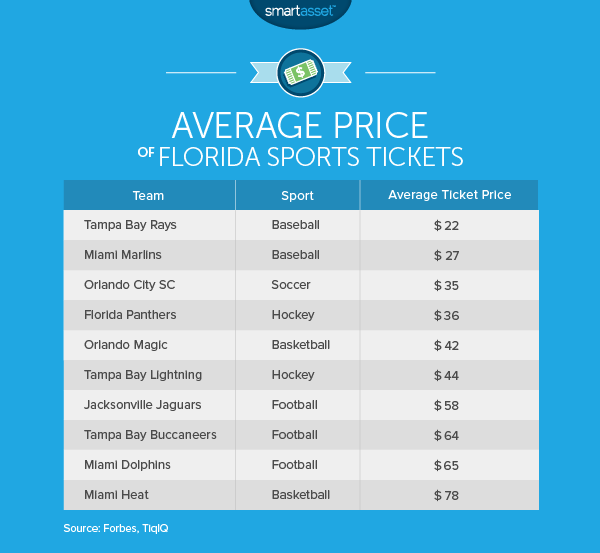
Cultural Attractions: Museums, art galleries, theaters, and professional sports events offer diverse cultural experiences. Ticket prices will vary, but budgeting for these activities is essential for those who enjoy arts and culture.
Personal Care and Miscellaneous Expenses
This category encompasses a wide range of items, including clothing, personal hygiene products, haircuts, and other miscellaneous spending. These costs are highly personal and depend on individual consumption habits and preferences.
Financial Considerations for Different Lifestyles
The cost of living in Florida is not a monolithic figure; it’s a dynamic sum that shifts based on one’s lifestyle choices and priorities.
Budget-Conscious Living
For those on a tighter budget, focusing on more affordable housing options in smaller towns or inland communities, minimizing dining out, utilizing public transportation where available, and seeking out free or low-cost recreational activities like beach visits or park exploration can make a significant difference. Utilizing coupons for groceries and being mindful of energy consumption can also help manage expenses.
Mid-Range Lifestyle
Individuals and families with a moderate income can enjoy a comfortable lifestyle in Florida. This might involve renting or owning a home in a well-established suburban area, dining out a couple of times a week, owning a reliable vehicle, and participating in a mix of paid and free recreational activities. Budgeting for occasional visits to theme parks or sporting events is feasible within this financial framework.
Luxury Living
Florida is a haven for those seeking a luxury lifestyle. This typically involves residing in high-end properties in desirable locations, frequenting upscale restaurants and exclusive clubs, owning multiple vehicles, and indulging in frequent travel and premium recreational activities like yachting or exclusive golf memberships. The cost of living at this level can be substantially higher, driven by the premium associated with prime real estate, exclusive services, and a preference for high-end goods and experiences.
Conclusion: Planning Your Florida Financial Future
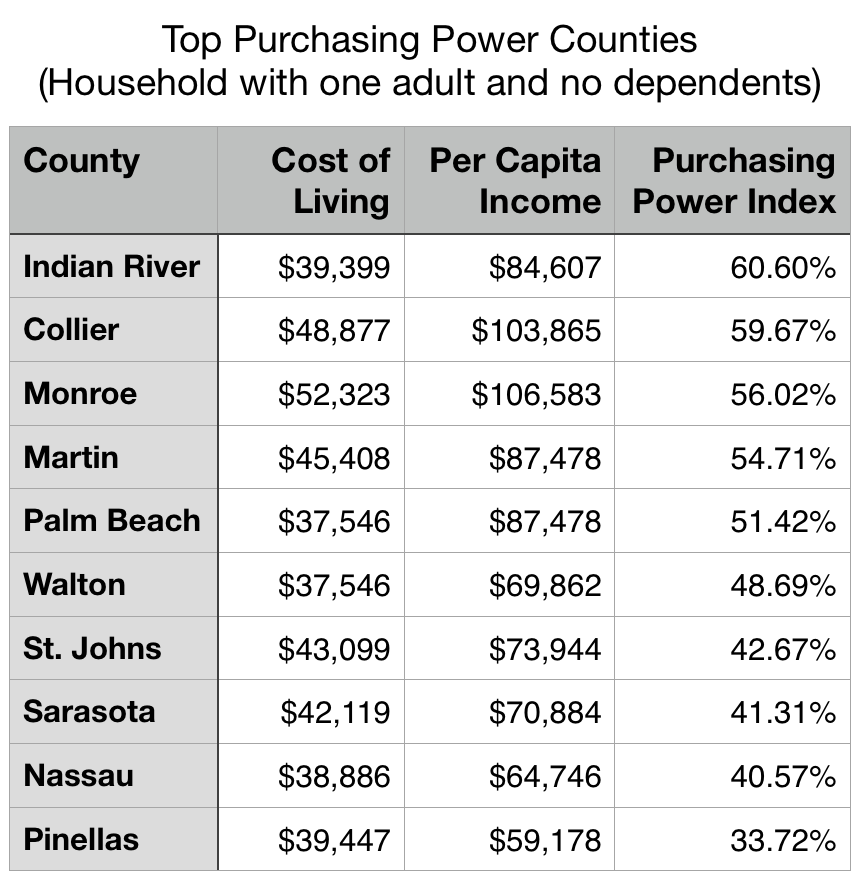
Ultimately, the cost of living in Florida is a complex equation with numerous variables. While it can offer a more affordable lifestyle compared to some other popular coastal states, particularly regarding taxes (Florida has no state income tax), the overall expense is heavily influenced by location, housing choices, and lifestyle preferences. By thoroughly researching specific areas, understanding the costs associated with housing, utilities, transportation, and leisure, and aligning these with personal financial goals, individuals can effectively plan for and enjoy their chosen Florida experience. Whether seeking a budget-friendly retreat or a luxurious escape, Florida’s diverse offerings mean there is a financial pathway for many to embrace the sunshine and vibrant culture it provides.
LifeOutOfTheBox is a participant in the Amazon Services LLC Associates Program, an affiliate advertising program designed to provide a means for sites to earn advertising fees by advertising and linking to Amazon.com. Amazon, the Amazon logo, AmazonSupply, and the AmazonSupply logo are trademarks of Amazon.com, Inc. or its affiliates. As an Amazon Associate we earn affiliate commissions from qualifying purchases.