
Understanding and navigating the legal intricacies of obtaining conservatorship in California is a significant undertaking, often driven by the need to protect vulnerable individuals who can no longer manage their own affairs. Whether due to age, illness, or disability, conservatorship provides a legal framework for a court-appointed conservator to make decisions on behalf of a conservatee. This process is crucial for ensuring the well-being and financial security of those who require assistance. This guide aims to demystify the conservatorship process in the Golden State, outlining the steps involved, the different types of conservatorship, and the responsibilities of a conservator.
Understanding Conservatorship in California
Conservatorship in California is a legal relationship established by a court when a person (the conservatee) is unable to manage their personal care or finances. A conservator is then appointed by the court to make decisions and manage the affairs of the conservatee. It’s important to distinguish between the two primary types of conservatorship: conservatorship of the person and conservatorship of the estate.
Conservatorship of the Person
This type of conservatorship focuses on the conservatee’s personal well-being. The conservator of the person has the authority to make decisions regarding the conservatee’s:
- Residence: Determining where the conservatee will live, whether it’s in their own home, a relative’s home, or a specialized facility.
- Healthcare: Consenting to or refusing medical treatments, arranging for medical care, and making decisions about doctors and hospitals.
- Daily Living: Ensuring the conservatee receives adequate food, clothing, and shelter, and managing their general welfare.
- Social Activities: Facilitating social interaction and ensuring the conservatee’s quality of life is maintained.
The conservator of the person is responsible for ensuring the conservatee’s safety, health, and overall quality of life. This often involves regular visits, communication with healthcare providers, and advocating for the conservatee’s needs.
Conservatorship of the Estate
This type of conservatorship deals with the conservatee’s financial affairs. The conservator of the estate has the authority to manage the conservatee’s assets, income, and property. This can include:
- Managing Bank Accounts: Paying bills, collecting income, and ensuring funds are available for the conservatee’s expenses.
- Managing Investments: Overseeing stocks, bonds, and other investments to preserve and grow the conservatee’s wealth.
- Real Estate Management: Selling, leasing, or managing any real property owned by the conservatee.
- Tax Filings: Ensuring that all tax obligations are met accurately and on time.
- Legal Claims: Pursuing or defending against legal actions on behalf of the conservatee.
Often, one person is appointed as both conservator of the person and conservator of the estate. However, the court may appoint different individuals for each role if it is deemed to be in the best interest of the conservatee.
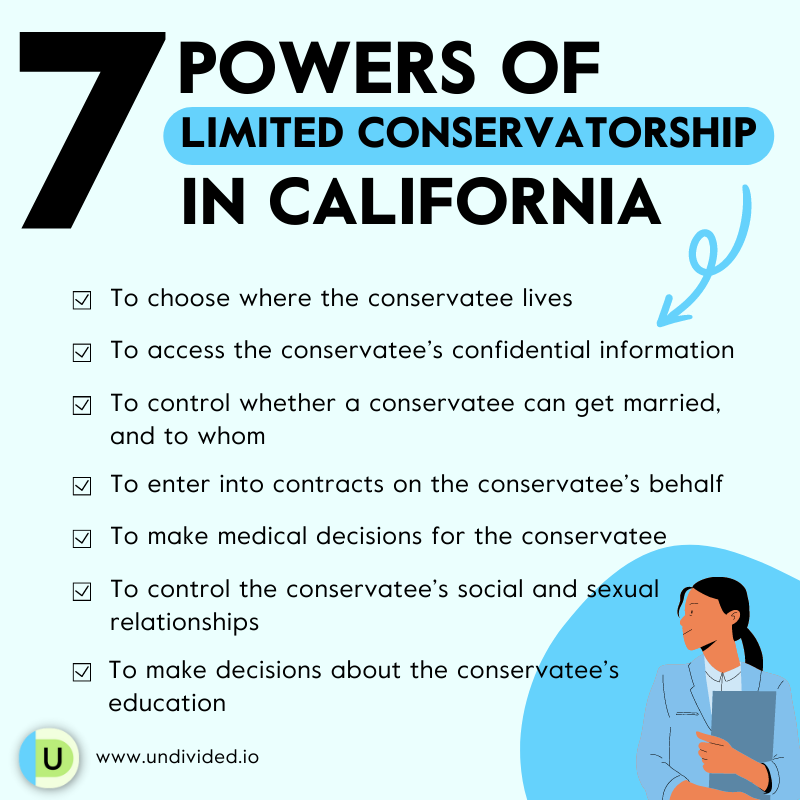
Limited Conservatorship
A specialized form of conservatorship, limited conservatorship, is designed for adults with developmental disabilities who are unable to fully care for themselves but can benefit from some degree of independence. In this case, the court appoints a conservator to assist with specific areas, allowing the individual to retain as much autonomy as possible. This differs from a general conservatorship, which grants broader authority to the conservator.
The Process of Obtaining Conservatorship
Initiating a conservatorship in California involves a formal legal process initiated by filing a petition with the court. This process is designed to ensure that conservatorship is only granted when absolutely necessary and that the rights of the proposed conservatee are protected.
Filing the Petition
The first step is to file a Petition for Conservatorship with the Superior Court in the county where the proposed conservatee resides. The petition requires detailed information about the proposed conservatee, including their personal circumstances, reasons for requiring a conservator, and the proposed conservator’s qualifications. Accompanying the petition are various legal forms, such as a Confidential Information form, and often a proposed conservatorship order.
Notice and Citation
Once the petition is filed, legal notice must be provided to all interested parties. This typically includes the proposed conservatee, their close relatives, and any other individuals who have a vested interest in the conservatee’s welfare. The court issues a citation, which formally notifies the proposed conservatee of the proceedings and their right to attend the hearing and contest the petition. The notice period is crucial for ensuring due process and allowing all parties to prepare their case.
Court Investigation and Evaluation
In many cases, the court will order a confidential investigation into the proposed conservatee’s circumstances. This investigation is often conducted by a court-appointed evaluator, who may be a social worker, psychiatrist, or other qualified professional. The evaluator interviews the proposed conservatee, the proposed conservator, and other relevant individuals, and reviews medical records and other pertinent documents. Their findings and recommendations are submitted to the court to assist in the decision-making process.
The Court Hearing
A court hearing is scheduled where the judge will review all the evidence, including the petition, any objections filed, and the court investigator’s report. The proposed conservatee has the right to attend the hearing, speak on their own behalf, and be represented by an attorney. If the proposed conservatee is unable to attend, their attorney can represent them. The judge will then make a determination based on whether the proposed conservatee is indeed unable to manage their own affairs and whether the proposed conservator is suitable and qualified.

Appointment of the Conservator
If the court grants the petition, it will issue Letters of Conservatorship, officially appointing the conservator. This document outlines the powers and responsibilities granted to the conservator. The conservator must then typically post a bond, which serves as financial protection for the conservatee’s estate, ensuring the conservator acts responsibly. Once the bond is posted and approved, the conservator can begin exercising their legally granted authority.
Responsibilities of a Conservator
Assuming the role of conservator is a significant responsibility that requires diligence, honesty, and a commitment to acting in the best interests of the conservatee. The court oversees the conservator’s actions and requires periodic reporting to ensure accountability.
Fiduciary Duty
The most critical aspect of a conservator’s role is their fiduciary duty. This legal obligation requires the conservator to act with the utmost good faith, loyalty, and care in managing the conservatee’s affairs. They must prioritize the conservatee’s needs and well-being above their own and avoid any conflicts of interest.
Accounting and Reporting
Conservators of the estate are required to file regular accountings with the court. These accountings detail all income received and all expenditures made on behalf of the conservatee. The court reviews these reports to ensure that the conservatee’s finances are being managed properly and that funds are being used for their benefit. Similarly, conservators of the person may be required to provide reports on the conservatee’s health, living situation, and overall welfare.
Acting with Prudence and Care
Conservators must manage the conservatee’s assets and personal care with the same prudence and care that a reasonably responsible person would use in managing their own affairs. This includes making sound financial decisions, ensuring proper medical care, and maintaining a safe and comfortable living environment for the conservatee.
Seeking Court Approval
In many situations, conservators must obtain court approval before making significant decisions, such as selling real estate, making large gifts, or changing the conservatee’s residence to a facility. This provides an extra layer of protection for the conservatee and ensures that major decisions align with their best interests as determined by the court.
When is Conservatorship Necessary?
Conservatorship is typically considered a last resort when less restrictive alternatives are insufficient or unavailable. It is most often sought for individuals who are incapacitated due to:
- Dementia or Alzheimer’s Disease: As cognitive abilities decline, individuals may lose the capacity to manage their finances or make critical healthcare decisions.
- Severe Physical or Mental Illness: Certain debilitating conditions can impair a person’s ability to function independently.
- Traumatic Brain Injury: A significant injury can lead to cognitive deficits that require assistance.
- Developmental Disabilities: As mentioned with limited conservatorship, some individuals require ongoing support due to lifelong disabilities.
- Aging and Frailty: While aging itself doesn’t automatically necessitate conservatorship, extreme physical or cognitive decline associated with advanced age can lead to incapacity.
The court will always assess whether less restrictive alternatives, such as a durable power of attorney or a living trust, could adequately address the individual’s needs before granting a conservatorship. These alternatives allow individuals to plan for their future incapacity while retaining control over their affairs.
Alternatives to Conservatorship
Before embarking on the conservatorship process, exploring potential alternatives is highly recommended. These legal tools can provide a less intrusive means of managing affairs and healthcare if established while the individual still has the capacity to make these decisions.
Durable Power of Attorney
A durable power of attorney (DPOA) is a legal document that allows an individual to appoint another person (an agent) to make financial or healthcare decisions on their behalf. The key feature of a DPOA is its “durability,” meaning it remains in effect even if the principal becomes incapacitated. This is a powerful tool for financial planning and ensuring that someone trusted can manage assets and pay bills without court intervention.
Advance Healthcare Directive (Living Will)
An advance healthcare directive, often referred to as a living will, allows an individual to specify their wishes regarding medical treatment if they become unable to communicate them. It can also designate a healthcare agent to make medical decisions in accordance with those wishes. This document is crucial for ensuring that medical care aligns with the patient’s values and preferences.

Trusts
Various types of trusts, such as revocable living trusts, can be used to manage assets and provide for an individual’s care. A trustee is appointed to manage the trust assets, and this can be an effective way to ensure financial management and distribution of assets for beneficiaries, even if the grantor becomes incapacitated.
Exploring these alternatives can empower individuals to plan for their future and maintain a degree of control over their personal and financial affairs, potentially avoiding the more complex and public nature of conservatorship.
LifeOutOfTheBox is a participant in the Amazon Services LLC Associates Program, an affiliate advertising program designed to provide a means for sites to earn advertising fees by advertising and linking to Amazon.com. Amazon, the Amazon logo, AmazonSupply, and the AmazonSupply logo are trademarks of Amazon.com, Inc. or its affiliates. As an Amazon Associate we earn affiliate commissions from qualifying purchases.