
Understanding the Florida Statute of Limitations is paramount for anyone planning a trip, considering a long-term stay, or even engaging in business within the Sunshine State. While the vibrant beaches of Miami and the magical attractions of Orlando often dominate discussions about Florida, the legal frameworks governing interactions within the state are equally important for a smooth and informed experience. This article delves into what the Statute of Limitations means in the context of Florida tourism and general residency, clarifying the timeframes within which legal actions can be pursued for various claims.
Understanding Legal Timeframes in Florida
The Statute of Limitations is a fundamental legal concept that sets the maximum amount of time after an event within which legal proceedings may be initiated. In essence, it’s a deadline for filing a lawsuit. These statutes exist to ensure fairness and prevent the indefinite threat of litigation. They encourage promptness in asserting claims and provide a degree of certainty for individuals and businesses. For visitors to Florida, or those considering property purchase or business ventures, understanding these time limits can prevent unexpected legal complications, particularly in areas like contract disputes, personal injury claims, or even issues related to property.
Civil vs. Criminal Limitations
It’s crucial to distinguish between civil and criminal Statutes of Limitations. Criminal statutes dictate the timeframe within which prosecutors can bring charges against an individual for a crime. Civil statutes, which are more relevant to the average tourist or temporary resident, govern the time within which a private party can sue another private party for damages or other remedies. This article will primarily focus on civil limitations, as they are more likely to impact your travel or temporary stay experience in Florida.
The Purpose Behind the Statute
The underlying rationale for Statutes of Limitations is multifaceted. Firstly, it promotes diligence. Parties who have been wronged are encouraged to act swiftly to seek redress, rather than allowing claims to languish indefinitely. Secondly, it prevents stale claims. Evidence can degrade, memories fade, and witnesses may become unavailable over extended periods, making it difficult to mount a fair defense. By setting a time limit, the law aims to ensure that legal disputes are resolved based on reasonably fresh evidence. Finally, it provides legal certainty. Individuals and businesses can operate with a clearer understanding of their potential liabilities and the duration for which they might be exposed to lawsuits. For a vacationer enjoying the sights of the Everglades or a snowbird wintering in Naples, knowing these limits can offer peace of mind regarding past transactions or potential incidents.
Common Florida Statutes of Limitations for Travelers and Residents
The specific time limit for filing a lawsuit in Florida varies significantly depending on the nature of the claim. For those visiting attractions like Walt Disney World Resort or considering a lease in a Florida apartment, familiarity with these common limitations can be beneficial.
Personal Injury Claims
One of the most frequently encountered statutes of limitations pertains to personal injury cases. This includes incidents such as slip-and-fall accidents in hotels, injuries sustained at theme parks, or traffic accidents.
The Four-Year Rule for Negligence
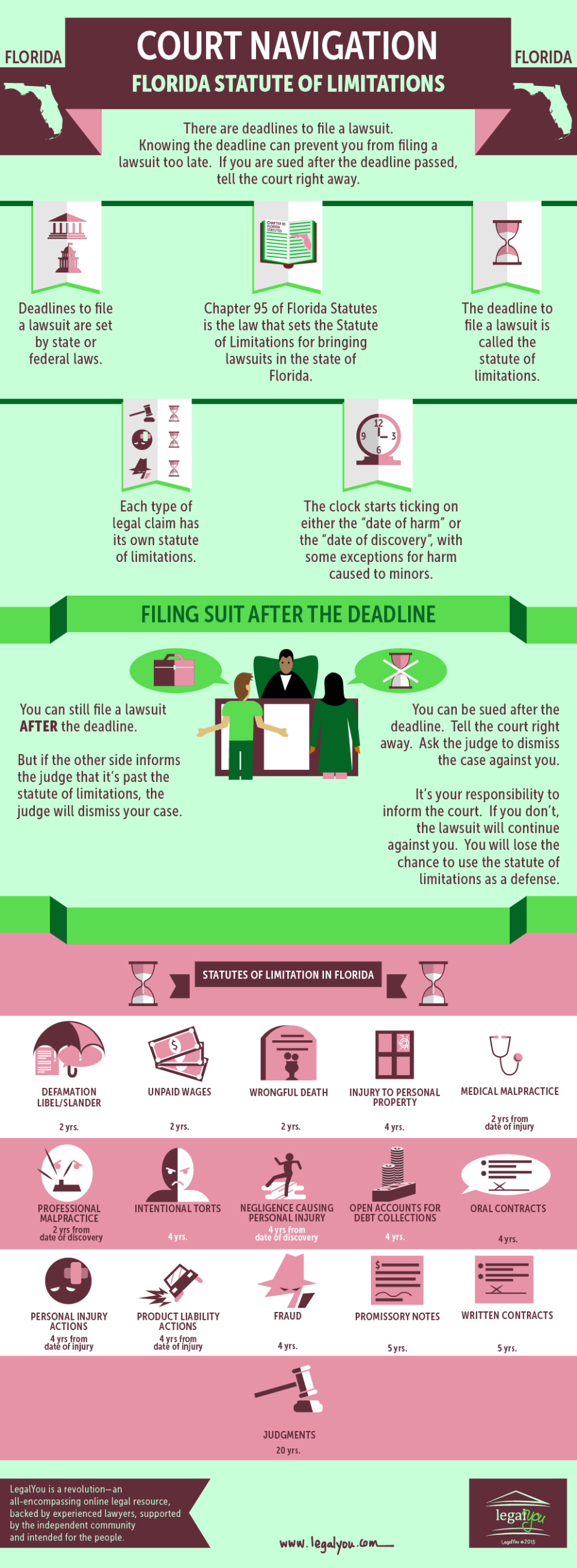
In Florida, the general statute of limitations for most negligence-based personal injury claims is four years from the date the injury occurred. This means that if you are injured due to someone else’s negligence while on vacation, you generally have four years from the date of the incident to file a lawsuit. This timeframe covers incidents like a faulty railing at a Florida resort or a poorly maintained pathway in a public park.
Exceptions and Nuances
While four years is the general rule, there are important exceptions. For instance, claims against government entities in Florida often have much shorter notice requirements and statutes of limitations, sometimes as short as two years. Medical malpractice claims also have specific rules, typically two years from the date the malpractice was discovered or should have been discovered, with an overarching limit of four years from the date of the incident, regardless of discovery. Claims arising from defective products also have unique provisions.
Contract Disputes
Whether you’re booking a flight to Fort Lauderdale, reserving a villa in Palm Beach, or entering into a service agreement, contracts are a common part of travel and residency.
Written Contracts
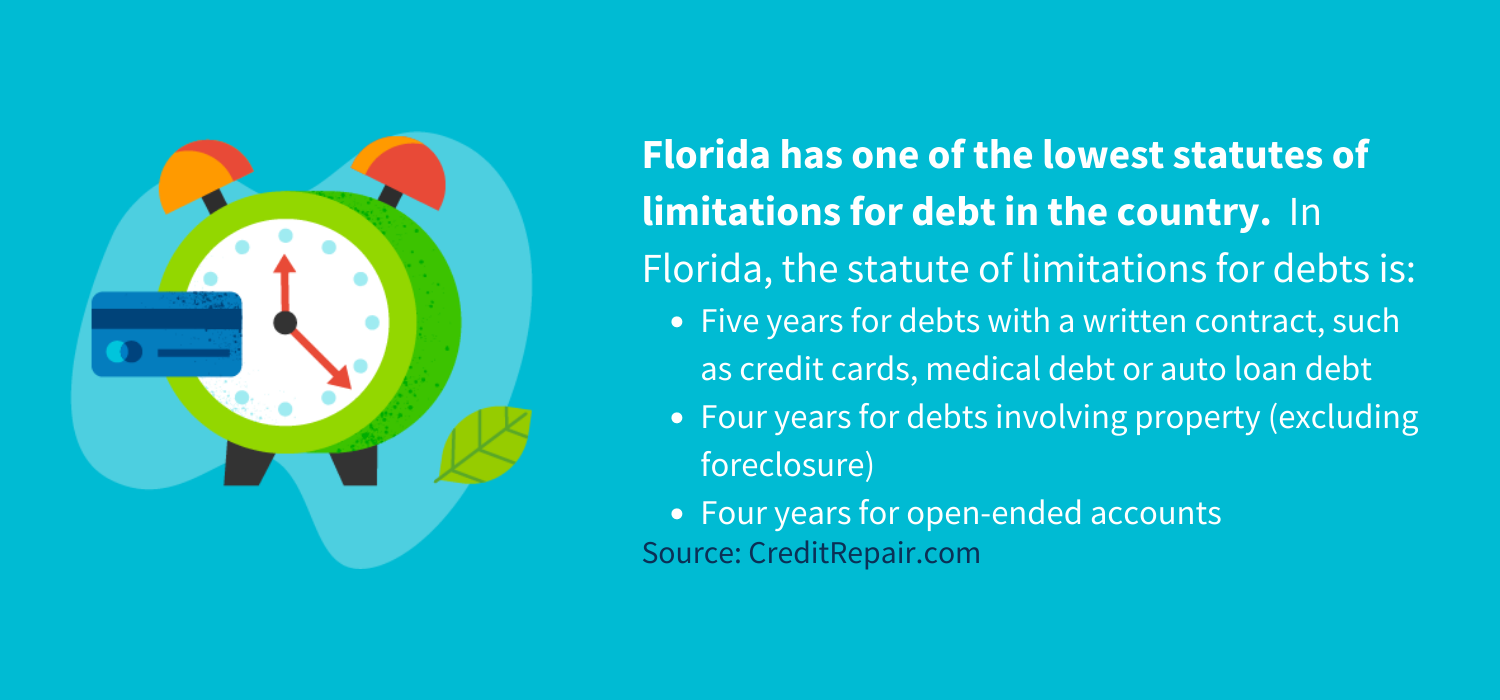
For breaches of written contracts in Florida, the statute of limitations is typically five years from the date the breach occurred. This applies to everything from a hotel booking agreement that was violated to a lease agreement for a vacation rental.
Oral Contracts
Breaches of oral contracts in Florida have a shorter statute of limitations: two years from the date of the breach. This underscores the importance of having agreements in writing whenever possible.
Property-Related Claims
Issues related to property, such as boundary disputes or claims arising from real estate transactions, also fall under specific statutes of limitations.
Real Estate Disputes
For actions to recover possession of real property, Florida law generally imposes a seven-year statute of limitations. This means that if someone is wrongfully occupying your property, you typically have seven years to take legal action to regain possession.
Construction Defects
Claims related to construction defects typically have a four-year statute of limitations, but this is a complex area with specific discovery rules and potential extensions.
Other Common Claims
Beyond personal injury and contract disputes, various other claims have their own statutory deadlines.
Fraudulent Misrepresentation
Claims based on fraudulent misrepresentation in Florida generally have a four-year statute of limitations, which typically begins to run when the fraud is discovered or should have been discovered. This could be relevant in scenarios involving misleading advertisements for a tourist attraction or fraudulent real estate dealings.
Wrongful Death
In cases of wrongful death, the statute of limitations is also two years from the date of the death.
Navigating the Statute of Limitations in Florida
For tourists and temporary residents, understanding the Statute of Limitations is not about dwelling on potential legal issues, but rather about being informed. It’s about knowing that swift action is required if a problem arises.
When Does the Clock Start Ticking?
A critical aspect of the Statute of Limitations is determining when the clock begins to run. This is known as the “accrual date” of the cause of action.
Discovery Rule
In many types of cases, particularly those involving latent injuries or fraud, the statute of limitations does not begin to run until the injured party discovers, or reasonably should have discovered, the injury or the fraudulent act. This “discovery rule” is designed to prevent plaintiffs from being barred from suing before they even know they have a claim. For example, if a defective product purchased in Florida causes harm months later and the defect wasn’t initially apparent, the discovery rule might apply.
Date of Incident
In most other cases, such as simple negligence leading to an immediate injury, the statute of limitations begins to run on the date the incident occurred. This is straightforward for a car accident on the Florida Turnpike or a slip-and-fall at a hotel.
Tolling: Pausing the Clock
In certain circumstances, the statute of limitations can be “tolled,” meaning the clock is paused. This typically happens when the potential defendant is outside the state, or if the potential plaintiff is a minor or legally incapacitated. For example, if a contract dispute arises and the party responsible for the breach leaves Florida for an extended period, the statute of limitations might be tolled during their absence.
The Consequences of Missing the Deadline
Failing to file a lawsuit within the prescribed statutory period generally results in the loss of the right to sue. The claim becomes “time-barred,” and the court will likely dismiss any subsequent legal action. This is why understanding and adhering to these deadlines is of utmost importance. Imagine missing the deadline to file a claim after a significant incident at a renowned Florida destination like SeaWorld Orlando due to simply not being aware of the time limits.
Practical Implications for Florida Visitors and Residents
While the legal intricacies of the Statute of Limitations are complex, their practical implications for those enjoying Florida‘s offerings are relatively straightforward.
Documentation is Key
If you are involved in an incident that could lead to a legal claim, preserving all relevant documentation is crucial. This includes receipts, booking confirmations, photographs of any injuries or damages, incident reports, and any communication with the involved parties. This evidence will be vital in establishing the facts and the date of accrual for any potential claim. This applies whether you’re dealing with a dispute over a rental car from a provider at Orlando International Airport or a problem with a tour booked in the Florida Keys.
Seek Legal Counsel Promptly
If you believe you have a legal claim in Florida, it is highly advisable to consult with a qualified Florida attorney as soon as possible. An attorney can assess your situation, determine the applicable statute of limitations, and advise you on the best course of action. Do not wait until the deadline is approaching, as legal proceedings can take time to initiate. This is true whether you are a tourist with a brief window of opportunity or a resident planning a longer stay.

Awareness for Businesses and Property Owners
For businesses operating in Florida, such as hotels in Clearwater or tour operators in St. Augustine, understanding these statutes is essential for risk management. For property owners, particularly those with rental properties or vacation homes, knowledge of property-related statutes can prevent significant legal entanglements.
In conclusion, while Florida is celebrated for its sunshine, attractions, and vibrant culture, its legal framework, including the Statute of Limitations, plays an integral role in ensuring fairness and order. For visitors and residents alike, a basic understanding of these time limits empowers informed decision-making and helps safeguard against unforeseen legal challenges, ensuring a more secure and enjoyable experience within the state.
LifeOutOfTheBox is a participant in the Amazon Services LLC Associates Program, an affiliate advertising program designed to provide a means for sites to earn advertising fees by advertising and linking to Amazon.com. Amazon, the Amazon logo, AmazonSupply, and the AmazonSupply logo are trademarks of Amazon.com, Inc. or its affiliates. As an Amazon Associate we earn affiliate commissions from qualifying purchases.