
Glendora, California, a city often celebrated for its picturesque setting and a strong sense of community, is nestled within the vibrant expanse of Los Angeles County, California. Its strategic position within the eastern portion of the county, commonly referred to as the San Gabriel Valley, grants it both a unique identity and convenient access to the broader metropolitan area of Los Angeles. This location is not merely a geographical point on a map; it is intrinsically linked to the city’s character, offering residents and visitors alike a harmonious blend of suburban tranquility and urban accessibility.

The city’s name itself, “Glendora,” evokes a sense of its natural surroundings. It is derived from a combination of “Glen,” suggesting a deep, secluded valley, and “Dora,” a nod to its founder, George Glendora. This nomenclature hints at the early aspirations for a community that would be both beautiful and rooted in its environment. Today, Glendora continues to embody this spirit, situated against the dramatic backdrop of the San Gabriel Mountains, a majestic range that defines much of the region’s topography and offers a stunning visual anchor.
Understanding Glendora’s location involves appreciating its proximity to major transportation arteries, its demographic profile, and the distinct geographical features that shape its environment. It is a city that benefits from its placement, allowing for easy exploration of Southern California’s diverse attractions while maintaining its own distinct charm.
Geographical Context and Proximity
Glendora’s placement within the San Gabriel Valley is a key element in understanding its geographical identity. The valley itself is a significant geographical and cultural region, forming the easternmost part of Los Angeles County. This positioning places Glendora in a dynamic area, bordering other notable cities such as Covina, San Dimas, and Azusa, each contributing to the rich tapestry of the San Gabriel Valley.
Proximity to Major Urban Centers
One of the most significant advantages of Glendora’s location is its relative proximity to the sprawling metropolis of Los Angeles. While Glendora offers a more relaxed pace of life compared to the bustling heart of the city, it is within easy commuting distance. This accessibility is facilitated by major freeways, notably the Foothill (210) Freeway, which runs along the northern edge of the city. This freeway serves as a critical link, connecting Glendora to downtown Los Angeles and other significant economic and cultural hubs within Southern California.
Further enhancing its connectivity is the San Bernardino (10) Freeway, accessible to the south, providing another vital corridor for travel throughout the region. For those who rely on public transportation, the Metrolink commuter rail system offers a convenient option. The Glendora station is a key stop on the San Bernardino Line, allowing residents to travel efficiently to destinations like Union Station in downtown Los Angeles, a gateway to a vast network of transit options. This blend of freeway access and public transit makes Glendora an attractive base for those who work in the greater Los Angeles area or wish to explore its many attractions.
Defining Natural Features: The San Gabriel Mountains
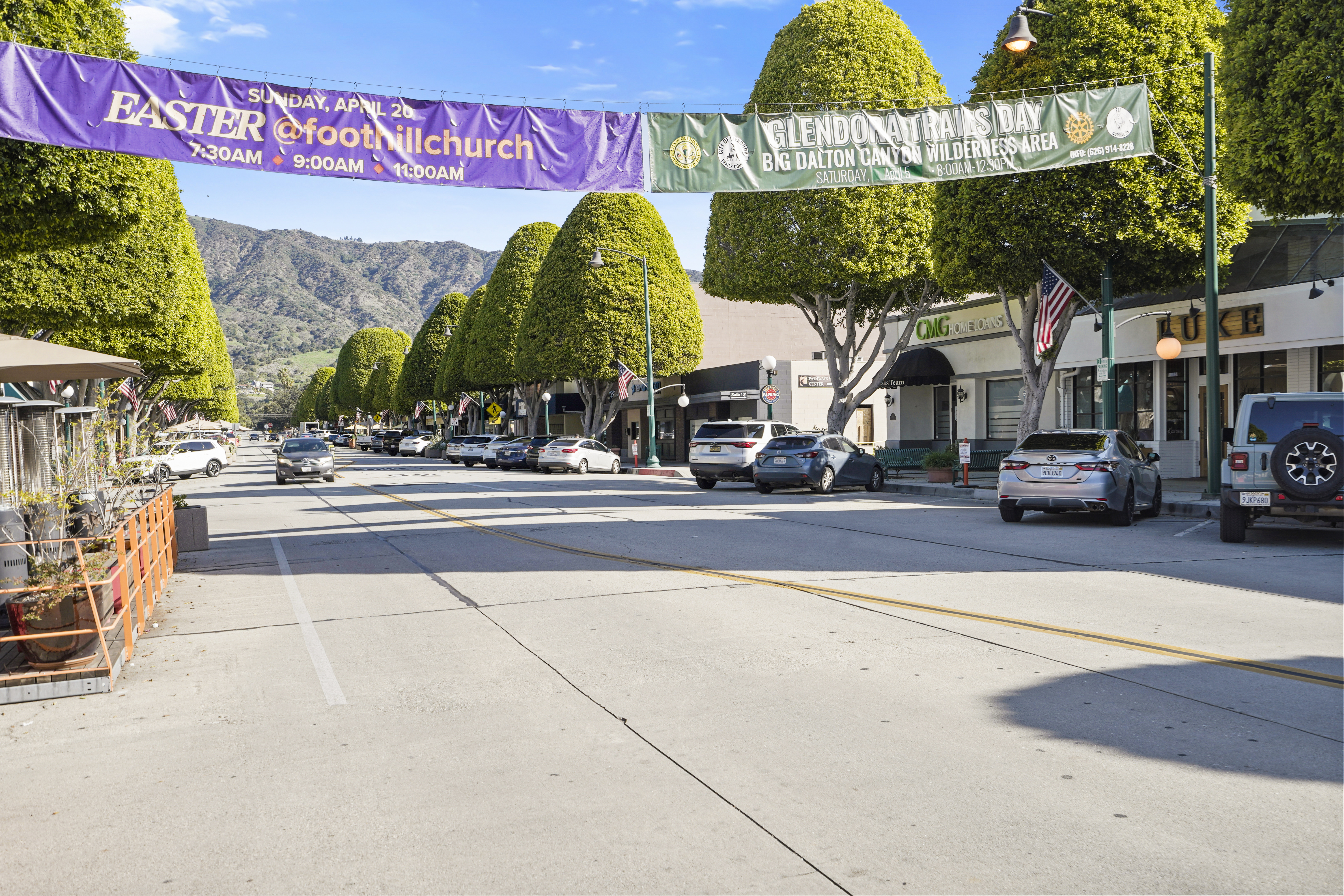
The San Gabriel Mountains form an imposing and beautiful northern border to Glendora. This mountain range is not just a scenic backdrop; it profoundly influences the city’s climate, recreational opportunities, and overall aesthetic. The mountains provide a natural buffer, contributing to Glendora’s reputation as a city with cleaner air compared to some of the more inland or densely populated areas.
The foothills of the San Gabriel Mountains are home to numerous hiking trails and natural preserves, offering residents and visitors opportunities for outdoor recreation. Areas like the San Gabriel Mountains National Monument are easily accessible from Glendora, providing access to stunning vistas, challenging hikes, and a chance to experience the diverse flora and fauna of the region. The presence of these mountains also plays a role in the region’s hydrology, with numerous canyons and washes that channel rainwater down from the peaks. This natural endowment adds to Glendora’s appeal as a place where residents can enjoy both natural beauty and urban convenience.
Historical Development and Naming Conventions
The story of Glendora’s location is also intertwined with its historical development and the individuals who shaped its early identity. The name “Glendora” itself is a testament to the vision of its founders and the natural landscape that inspired them.

The Founding Vision
Glendora was established in the late 19th century, during a period of significant growth and expansion in Southern California. The land on which Glendora now sits was once part of large ranches. The vision for Glendora was to create a community that would capitalize on the fertile land, suitable for agriculture, particularly citrus groves, and the burgeoning opportunities presented by the region’s growth.
The city’s name is attributed to George Glendora, a prominent landowner and entrepreneur. Legend has it that while riding through the area, he was struck by the beauty of a particular glen, a small, wooded valley. Combining this observation with the common suffix “-dora,” possibly inspired by the Greek word for “gift” or perhaps a personal fondness, he coined the name “Glendora.” This act of naming was not merely administrative; it was an attempt to capture the essence of the place – a beautiful, secluded valley, a gift to its inhabitants.
Early Agricultural Roots
In its early years, Glendora’s economy was heavily reliant on agriculture. The fertile soil, combined with the warm climate, made it an ideal location for growing citrus fruits, particularly oranges and lemons. The presence of the San Gabriel Mountains provided a reliable water source through snowmelt, which was crucial for irrigation. The agricultural heritage of Glendora is a significant part of its historical identity, shaping the early development of its infrastructure and community. Many of the old citrus groves have since been replaced by residential developments, but the legacy of this agricultural past is still palpable in the city’s layout and the enduring natural beauty that was once its primary economic driver.
Cultural and Recreational Significance
Glendora’s location has also fostered a distinct cultural and recreational landscape. Situated within a region known for its diverse population and vibrant arts scene, Glendora offers its own unique contributions and benefits from its proximity to larger cultural centers.
Community Character and Lifestyle
Glendora is often characterized by its strong sense of community and its family-friendly atmosphere. The city has a well-established network of parks, recreational facilities, and community centers that serve as focal points for social interaction and local events. This focus on community life is a direct result of its suburban setting, offering a more intimate living experience than the dense urban cores of Los Angeles.
The city’s layout, with its tree-lined streets and well-maintained neighborhoods, contributes to a pleasant living environment. Local events, farmers’ markets, and community festivals are common, further strengthening the bonds among residents. The city’s commitment to preserving green spaces and providing amenities for its citizens enhances its appeal as a desirable place to live and raise a family.
Access to Regional Attractions and Activities
Beyond its local offerings, Glendora’s location provides convenient access to a wide array of regional attractions and activities. For those interested in theme parks, Disneyland and Knott’s Berry Farm are within a reasonable driving distance. The vast cultural institutions of Los Angeles, such as world-class museums like the Getty Center and the Los Angeles County Museum of Art (LACMA), are accessible for day trips.
For nature enthusiasts, the proximity to the San Gabriel Mountains offers unparalleled opportunities for hiking, camping, and exploring natural landscapes. The beaches of Orange County and Los Angeles County are also within reach, providing a classic Southern California coastal experience. Furthermore, Glendora’s location makes it a convenient jumping-off point for exploring other parts of California, including the deserts to the east and the wine regions to the north. This strategic placement ensures that residents and visitors can easily experience the full spectrum of what Southern California has to offer, from urban excitement to natural serenity.
In conclusion, Glendora, California, is strategically located within Los Angeles County‘s San Gabriel Valley, bordered by the majestic San Gabriel Mountains to the north and in close proximity to the vibrant urban core of Los Angeles. This advantageous position, coupled with its rich history and commitment to community, defines Glendora as a city that offers a compelling blend of natural beauty, suburban charm, and convenient access to the boundless opportunities of Southern California.
LifeOutOfTheBox is a participant in the Amazon Services LLC Associates Program, an affiliate advertising program designed to provide a means for sites to earn advertising fees by advertising and linking to Amazon.com. Amazon, the Amazon logo, AmazonSupply, and the AmazonSupply logo are trademarks of Amazon.com, Inc. or its affiliates. As an Amazon Associate we earn affiliate commissions from qualifying purchases.